There’s a particular quality to the air on the first truly crisp morning of autumn. You feel it before you see it—a subtle shift in the atmosphere, a certain clarity that wasn’t there in the humid haze of August. In Traditional Chinese Medicine (TCM), this isn’t just a change in weather; it’s a fundamental shift in the energy, or qi, that permeates everything around us. We call this the autumn qi energy. As the vibrant, expansive energy of summer begins to contract and turn inward, nature itself enters a period of harvest, consolidation, and preparation. Understanding this shift isn’t just poetic—it’s a practical guide to aligning your own health with the planet’s rhythms. This article will explore how this falling, contracting energy shapes your body, mind, and spirit, and provide concrete steps to flow with it, not against it.
What Exactly Is Autumn Qi Energy?
In the framework of TCM, qi is the vital life force that flows through all living things. It’s not a mystical concept but a functional one—think of it as the body’s bioelectricity, the metabolic processes, and the overall vitality that keeps you running. Qi has different qualities depending on the season. Summer qi is like a blooming flower: expansive, hot, and upward-moving. Autumn qi energy, by contrast, is the energy of the harvest. It is contracting, descending, and consolidating.
The foundational text, the Huangdi Neijing (Yellow Emperor’s Classic of Internal Medicine), written over two millennia ago, describes this perfectly. It states: “The three months of autumn are termed the period of ‘taking in and balancing.’ The qi of heaven becomes urgent. The qi of earth becomes bright.” This “taking in” is the key. Nature is pulling its energy back down into the roots of plants and the earth itself. For humans, this means our own qi naturally begins to descend and gather inward. We’re meant to shift from the extroversion of summer to the introversion of autumn, from doing to being, from expansion to preservation.
My grandmother, who grew up in rural Hunan, embodied this principle without ever reading a textbook. Come September, her kitchen rituals changed. The cooling summer melons and raw salads of July were replaced by slow-simmered soups and roasted roots. “The air is dry now,” she’d say, “we must eat to moisten the lungs and settle the spirit.” She was, in her own way, harmonizing with the autumn qi energy.
The Lung and Large Intestine: Autumn’s Governing Organs
In TCM’s Five Element theory, autumn corresponds to the Metal element, which governs the Lungs and Large Intestine. This pairing is profoundly logical. The Lungs are the “tender organ,” the first line of defense between our internal environment and the outside world. They govern our wei qi (defensive qi), our skin, and our breath—the most intimate exchange we have with the atmosphere. The Large Intestine, its partner, is all about letting go—of waste, of toxins, of the old to make way for the new.
When the autumn qi energy is in balance, we feel a sense of clarity, inspiration, and healthy boundary-setting. We can “let go” of what no longer serves us, both physically and emotionally. But when it’s out of balance, common autumn complaints arise: dry skin, sore throats, constipation, and a susceptibility to colds and flus. Emotionally, imbalance can manifest as excessive grief, sadness, or nostalgia—the emotions of the Metal element. A 2017 review in the Journal of Traditional Chinese Medical Sciences highlights the strong correlation between Lung qi deficiency and increased susceptibility to respiratory pathogens, underscoring this ancient wisdom (Wang et al., 2017).
“The Lung is the master of qi. It governs the skin and body hair, and is associated with the emotion of grief and the sound of weeping.”
— Huangdi Neijing, Su Wen
The Autumn Harvest on Your Plate: Foods to Nourish and Protect
The most direct way to harmonize with autumn qi energy is through your diet. The principle is simple: eat what is in season and what supports the Lung and Large Intestine’s need for moisture and gentle warmth. This means moving away from the raw, cooling foods of summer and toward cooked, nourishing, and slightly moistening fare.
Focus on the white and golden foods of the harvest, which traditionally nourish the Metal element. Here is a concrete, actionable list:
- Pears (especially Asian pears): The quintessential autumn fruit. They are incredibly moistening to the lungs. Action: Simmer one peeled, cored pear with 5g of dried Gou Qi Zi (Lycium barbarum, goji berries), 3g of Bai He (Lilii Bulbus, lily bulb), and a small piece of rock sugar in water for 20 minutes. Eat warm.
- Daikon Radish: A powerful qi-moving and phlegm-resolving food. Action: Make a simple “white” soup: simmer cubed daikon with sliced ginger, a few Hong Zao (jujube dates), and chicken or vegetable broth for 30 minutes.
- Cauliflower and White Mushrooms: Support Lung qi. Action: Roast cauliflower florets with a drizzle of sesame oil and a pinch of sea salt until golden. Sauté sliced white mushrooms with garlic and a splash of rice wine.
- Sweet Potato and Pumpkin: Nourish the Spleen and Stomach (Earth element), which in turn supports the Lungs (Metal) through the “Mother-Child” cycle. Action: Roast chunks of sweet potato or pumpkin with a sprinkle of cinnamon (a warming spice).
- Oats and Rice Congee: The ultimate easy-to-digest, nourishing food. Action: Cook 1/2 cup of rice or steel-cut oats in 4 cups of water on low heat for 1-2 hours, stirring occasionally, until it becomes a thick, creamy porridge. Top with a few goji berries and a drop of honey.
Avoid excessive cold, raw foods, ice-cold drinks, and overly spicy “hot pot” style meals that can further dry out the body’s fluids. A 2020 study in Nutrients found that diets rich in cooked, complex carbohydrates and specific polysaccharides (like those found in mushrooms and oats) can positively modulate gut microbiota, which is intrinsically linked to immune function—a modern validation of the TCM focus on the Lung-Large Intestine axis (Xu et al., 2020).

Movement and Rest: Adjusting Your Rhythm
Just as your diet shifts, so should your movement and rest patterns. The vigorous, sweat-inducing exercise of summer can be too depleting as autumn qi energy turns inward. The goal now is to conserve energy and promote smooth circulation without overexertion.
Recommended Autumn Movement:
- Gentle Walking: Especially in the morning when the air is crisp and clear. This helps circulate Lung qi. Aim for 20-30 minutes, focusing on deep, even breaths.
- Tai Chi or Qigong: These are perfect. The slow, deliberate movements harmonize with the contracting energy. Look for forms like “Eight Pieces of Brocade” (Baduanjin) which specifically include movements to open the chest and benefit the Lungs.
- Gentle Yoga: Focus on heart-opening poses (like Cobra or Bridge) and twists to aid digestion and release tension in the diaphragm and lungs.
- Stretching: Pay special attention to the lung meridian, which runs along the inner arm from the chest to the thumb. Gentle stretches along this path can help release stagnation.
Rest and Sleep: The Huangdi Neijing advises to “retire early and rise with the rooster” in autumn. This means aiming to be in bed by 10:30 PM to allow for deep, restorative sleep before midnight. The contracting energy of autumn supports going inward, and sleep is the ultimate inward practice. My teacher in Chengdu would always emphasize that autumn is when you “stockpile your reserves” for winter, and sleep is the primary way to do that.
The Emotional Landscape: Navigating Grief and Letting Go
The Metal element’s emotion is grief. This doesn’t mean autumn is a season of sadness, but rather a time when we are naturally more attuned to themes of loss, release, and appreciation. The falling leaves are a beautiful metaphor for letting go. In a healthy state, this energy helps us process grief, set healthy boundaries, and cultivate a sense of preciousness for what we have.
If you find yourself feeling unusually nostalgic, melancholic, or stuck in feelings of loss during autumn, it may be a sign your Metal element needs support. Actionable practices include:
- Mindful Breathing: Practice 5 minutes of “letting go” breath. Inhale deeply through the nose, and on the exhale, consciously release tension from your shoulders, jaw, and belly. Visualize releasing what no longer serves you.
- Journaling: Write a “release list.” What habits, worries, or even relationships are you ready to let go of? Then, symbolically (and safely) burn the paper.
- Gratitude Practice: Counterbalance grief with gratitude. Each evening, write down three specific things you harvested or are grateful for from the day.
Your Autumn Qi Energy Action Plan: A Weekly Checklist
Integrating these principles doesn’t require a life overhaul. Start with one or two small, consistent actions.
| Day | Action (Choose 1-2 per week to start) | Why It Works |
|---|---|---|
| Monday | Cook a “white food” soup (e.g., pear & daikon). | Moistens Lungs, supports digestion. |
| Tuesday | Take a 20-minute mindful walk, focusing on breath. | Circulates Lung qi, clears the mind. |
| Wednesday | Practice 10 minutes of gentle stretching for the arms/chest. | Opens the Lung meridian, releases tension. |
| Thursday | Go to bed 30 minutes earlier. | Conserves energy, builds reserves. |
| Friday | Try a 5-minute “letting go” breathing session. | Processes emotions, calms the nervous system. |
| Saturday | Visit a farmers’ market and buy one seasonal root vegetable. | Connects you to the harvest, ensures freshness. |
| Sunday | Make a pot of congee or oatmeal to last a few mornings. | Provides easy, nourishing breakfasts. |
Common Questions
I feel more anxious than sad in autumn. Is that related?
Absolutely. In TCM, anxiety is often seen as a form of “Lung qi not descending” or “Heart and Lung qi deficiency.” The contracting energy of autumn can feel unsettling if your own energy is stuck or scattered. The same principles apply: focus on grounding foods (roots, warm soups), gentle movement (especially walking), and breathing practices to help anchor your qi downward. The classic formula Gui Pi Tang (Restore the Spleen Decoction) is often used by practitioners for anxiety with fatigue, but always consult a licensed TCM practitioner for personalized advice.
What if I live in a climate without a traditional autumn?
The principles are still relevant. Autumn qi energy is a phase of contraction and consolidation that occurs after peak expansion. You can observe this in your own life—after a busy project (your “summer”), you need a period of consolidation and rest (your “autumn”). You can still follow the dietary and lifestyle guidelines based on the calendar season, as they are time-tested for supporting the body’s natural cycles. Pay attention to the quality of the air—when it becomes drier and cooler, even slightly, apply these principles.
Are there specific herbs I should take?
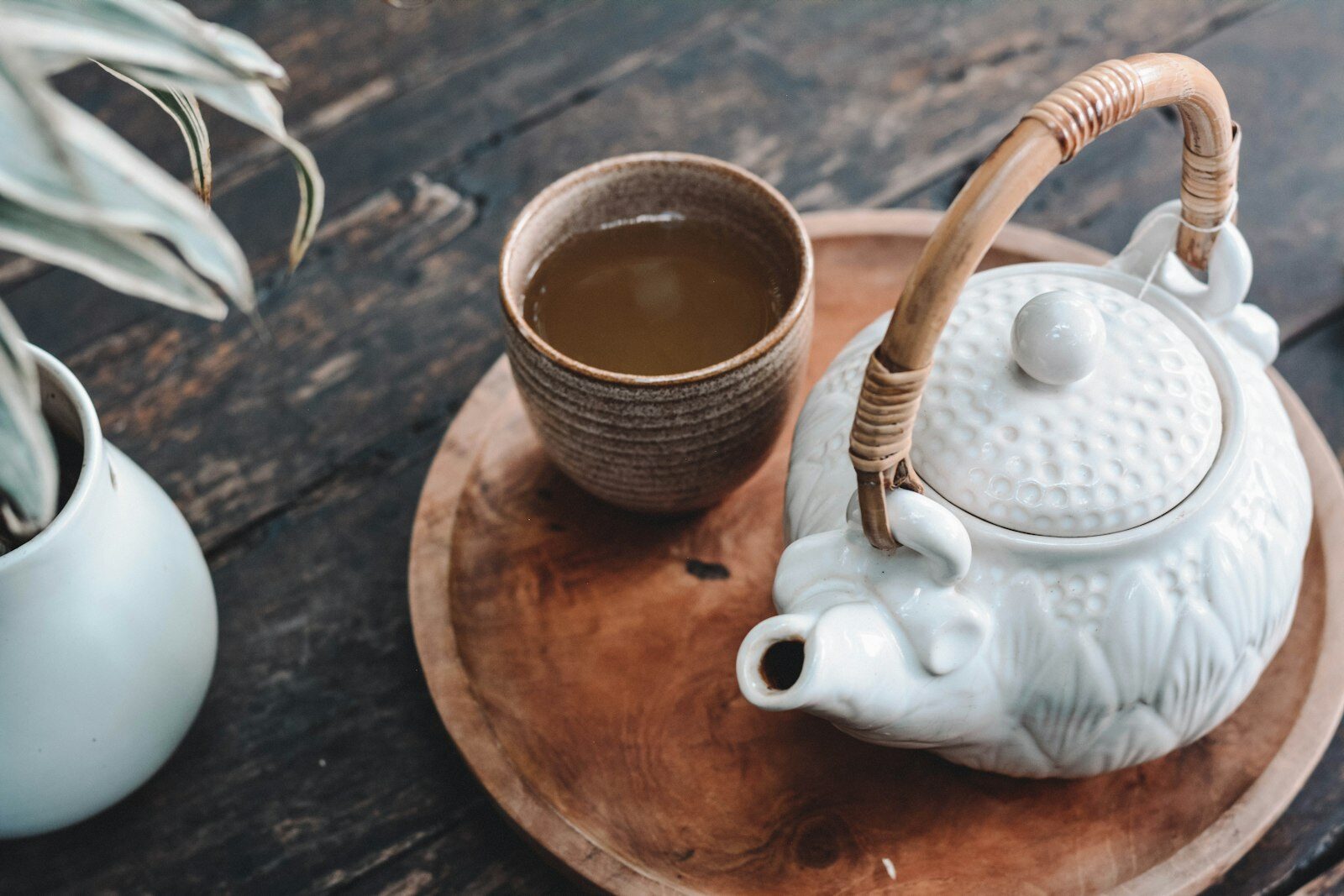
Herbs should be used thoughtfully. Some classic, gentle, food-grade herbs for autumn include Bai He (Lily Bulb) for moistening the lungs and calming the spirit, and Sha Shen (Glehnia Root) for nourishing yin and clearing mild heat. You can find these in Asian grocery stores or herbal shops. A simple tea: steep 5g of Bai He and 3g of Gou Qi Zi in hot water for 10 minutes. However, for significant health concerns, please consult a qualified herbalist. The Shennong Bencao Jing (Divine Farmer’s Classic of Materia Medica) classifies many herbs by their seasonal appropriateness, a principle still followed today.
The bottom line: Autumn qi energy is nature’s cue to harvest, consolidate, and turn inward. By aligning your diet with moistening, seasonal foods, adjusting your movement to gentle and conserving practices, honoring your need for rest, and mindfully processing the emotion of letting go, you can flow with this powerful seasonal current. This alignment doesn’t just prevent autumn ailments—it builds a deep reservoir of vitality to carry you through the winter ahead. It’s about working with nature’s wisdom, not against it.
About the Author
Yu Xi Zhang grew up in a Chinese household where traditional wellness practices were part of daily life. With over 15 years of study under licensed TCM practitioners in Beijing and Chengdu, and a certification in TCM nutrition from the Beijing University of Chinese Medicine, she bridges Eastern wisdom with Western wellness in practical, actionable ways. Her writing draws from classical texts like the Huangdi Neijing and modern research to help readers live healthier, more balanced lives.
This article is for educational purposes and reflects traditional wellness perspectives. It is not a substitute for professional medical advice, diagnosis, or treatment.