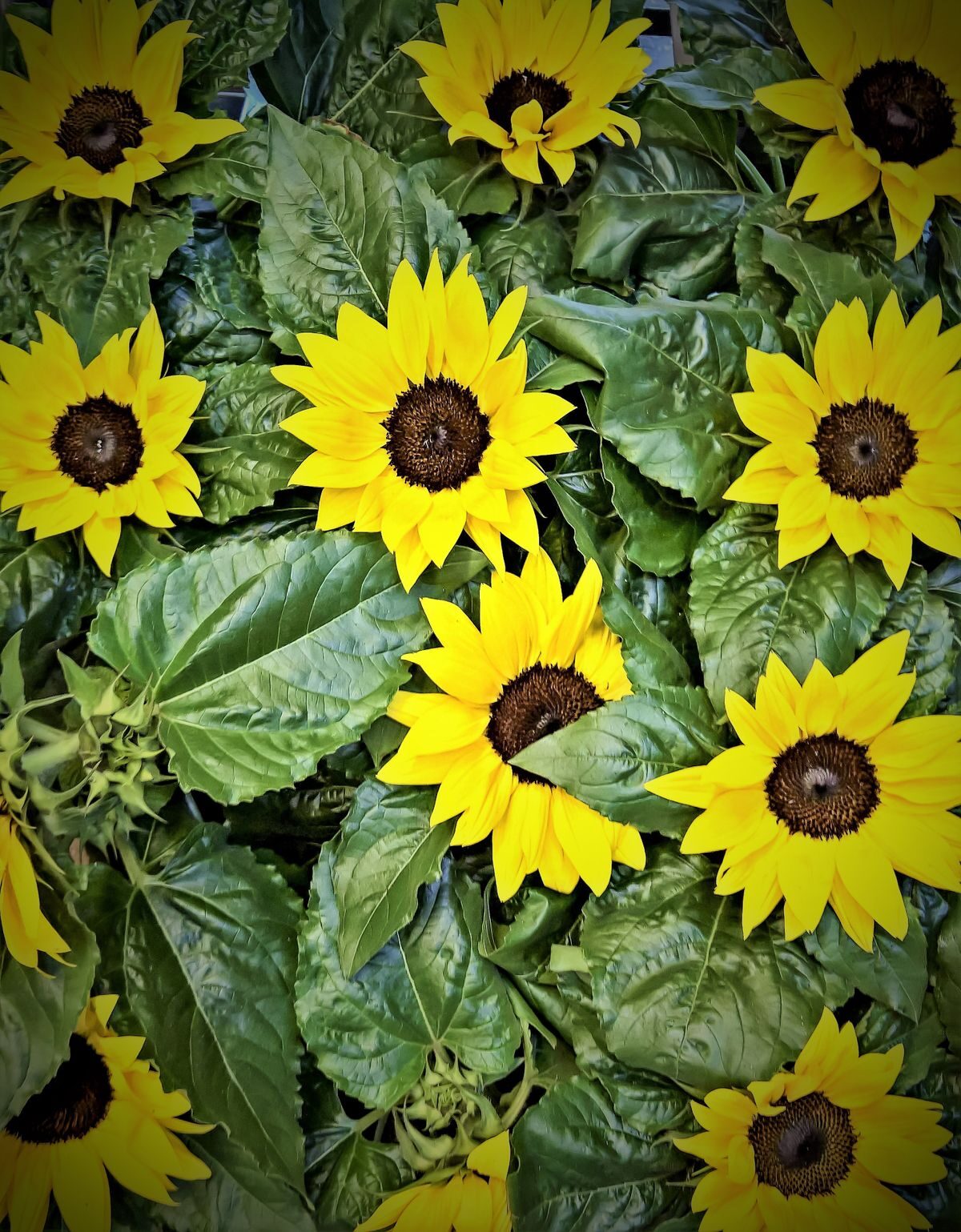
There’s a particular quality to the air in early spring that I’ve always found both exhilarating and unsettling. The days lengthen, the ground softens, and something inside us stirs—a restless energy, a desire to burst forth. In Traditional Chinese Medicine, this is the season of the Wood element, governed by the Liver and its partner, the Gallbladder. It’s a time of vision, planning, and growth. But if you’ve ever felt inexplicably irritable, overwhelmed by a sudden urge to declutter your entire life, or found yourself stuck in a loop of frustration as the last of the winter ice melts, you’re not alone. This emotional landscape isn’t random; it’s a direct reflection of your Liver Qi’s state. Spring is the Liver’s season to shine, and its primary emotional job is to ensure the smooth flow of Qi. When it’s balanced, we feel decisive, creative, and motivated. When it’s constrained, we experience what TCM practitioners call Liver Qi Stagnation—a condition that manifests as the very frustration, anger, and emotional tension that can make this beautiful season feel so fraught.
The Liver in TCM: More Than a Detox Organ
In Western medicine, the liver is a biochemical powerhouse, filtering toxins and metabolizing nutrients. In TCM, its role is profoundly more expansive and, frankly, more poetic. The Liver is the “General” or “Strategist” of the body. Its core function is to ensure the smooth flow of Qi (vital energy) and Blood throughout the entire system. Think of it as the master planner and traffic controller for your body’s energy highways. The Huangdi Neijing, the foundational text of Chinese medicine compiled over 2,000 years ago, states: “The Liver is the root of the general’s plan, from which strategy and planning emerge.” This means the Liver is responsible for our ability to envision a future, make plans, and then execute them with flexibility and grace.
Its emotional counterpart is the feeling of smoothly flowing. When the Liver Qi is harmonious, we feel a sense of ease, patience, and the ability to go with life’s flow. We can adapt to change, like a young tree bending in the spring breeze. When this flow is disrupted—by stress, unexpressed emotions, a sedentary lifestyle, or even dietary choices—the Qi becomes “stuck.” This stagnation doesn’t just create physical symptoms like headaches or digestive upset; it directly translates into emotional turbulence. Frustration is the hallmark emotion of stuck Liver Qi. It’s the feeling of being blocked, of things not moving as you wish they would. Anger is the Liver’s excess emotion, a sign that the stagnation has built up pressure, like a dam about to burst.
I remember a student of my teacher in Beijing, a remarkably calm woman, explaining it this way: “A healthy Liver is like a skilled general who can see the entire battlefield. He moves troops (Qi and Blood) with precision. A stagnant Liver is a general trapped in his tent, shouting orders that no one can hear.” That stuck, shouting feeling is the emotional core of spring’s challenge for so many.
Signs Your Liver Qi Needs a Spring Tune-Up
How do you know if your Liver Qi is flowing smoothly or stuck in a spring snowdrift? The signs are often written all over your body and mood. While a licensed practitioner would use tongue and pulse diagnosis, you can observe these common signals:
- Emotional Signs: Increased irritability, especially in the morning or before meals. Feeling easily frustrated or “short-fused.” Waves of anger that seem disproportionate to the situation. A sense of being stuck, restless, or unable to make decisions.
- Physical Signs: Tension headaches, especially at the temples or around the eyes. Neck and shoulder stiffness that feels like a permanent knot. Digestive issues like bloating, alternating constipation and diarrhea (IBS-like symptoms), or a sour taste in the mouth. For women, PMS symptoms may worsen—breast tenderness, irritability, and painful periods.
- Behavioral Signs: Sighing frequently without realizing it. Clenching your jaw or grinding your teeth at night. A sudden, overwhelming urge to reorganize your closets or start a dozen new projects, followed by frustration when you can’t finish them all.
A 2017 study published in the Journal of Traditional Chinese Medicine reviewed the correlation between Liver Qi Stagnation and modern stress-related disorders, finding that patients presenting with these emotional and physical symptoms often showed measurable improvements when treated with classical Liver-smoothing formulas. This isn’t just ancient theory; it’s a pattern that continues to hold clinical relevance.
The Spring Connection: Why This Season Hits the Liver Hard
Spring is the Liver’s native season. In the Five Element theory, Wood (Liver) is the element of spring. It’s a time of explosive, upward growth. Imagine a seedling pushing through hard earth—that’s the power of Liver Qi. This energy is meant to be expansive and directional. The problem arises when our internal environment doesn’t match the season’s demands.
During winter, we naturally conserve energy, often eating heavier foods and moving less. This can create a backlog of internal dampness and sluggishness. Come spring, the Liver’s rising energy tries to push through this accumulated stagnation. If our Liver Qi is already weak or constrained from winter habits, the effort can lead to the classic “spring fever” that feels more like a spring migraine or a spring argument. The Huangdi Neijing advises that in spring, one should “rise early, take walks in the courtyard, loosen the hair and relax the body, and let the mind soar.” This is prescriptive medicine: it’s telling us to help the Liver Qi move upward and outward, not to keep it confined.
Culturally, this is why many traditional Chinese spring festivals involve movement, cleansing, and social gatherings—activities designed to mimic and support the Liver’s expansive nature. My grandmother would start our family’s spring cleaning not just to tidy the house, but as a ritual to “sweep out the old, stagnant energy” and make room for new growth. It was a physical practice for an emotional and energetic goal.
Actionable Strategies to Soothe the Spring Liver
The goal is not to suppress the Liver’s vital spring energy, but to help it flow smoothly. Here are specific, actionable strategies you can start today, categorized for ease.
1. Food as First Medicine: The Liver-Soothing Diet
In TCM nutrition, foods have energetic properties. To soothe the Liver, we favor foods that are slightly bitter, sour, and green in color, as well as those that move Qi.
| Food Category | Specific Foods & Preparation | Why It Helps |
|---|---|---|
| Green Vegetables | Dandelion greens (lightly sautéed with garlic), broccoli rabe, Swiss chard, spring asparagus, celery. | The color green resonates with the Wood element. Bitter greens help clear “heat” (irritability) from the Liver. |
| Sour Foods (in moderation) | A squeeze of lemon or lime in warm water upon waking, a few slices of green apple, fermented foods like sauerkraut or kimchi (1-2 tbsp with meals). | Sour flavor has an astringent quality that can help “contain” and direct the Liver’s expansive energy, preventing it from becoming reckless. |
| Qi-Moving Aromatics | Fresh mint (in tea or salads), turmeric (1/2 tsp in golden milk or soups), rosemary, fennel, citrus peel (zest). | These pungent, aromatic herbs and spices directly break up Qi stagnation. A 2019 study in Frontiers in Pharmacology highlighted turmeric’s (Curcuma longa) potential in modulating inflammatory pathways linked to stress. |
| Liver-Nourishing Roots | Beets (roasted or in juice), carrots, sweet potato. | These earthy roots help “anchor” the Liver’s rising energy, providing a stable base for growth. |
| Simple Liver-Flow Tea | Combine 1 part dried rose buds (Rosa rugosa), 1 part dried chrysanthemum flowers (Chrysanthemum morifolium), and ½ part mint (Mentha haplocalyx). Use 1 tablespoon of the blend per cup of hot water. Steep for 5-7 minutes. | Rose moves Qi and relieves constraint. Chrysanthemum clears Liver heat. Mint soothes and vents the surface. |
2. Movement to Match the Season
The Liver governs the tendons and sinews. Stagnant Liver Qi often manifests as tight, inflexible muscles. The key is gentle, flowing movement that encourages flexibility, not aggressive exercise that creates more tension.
- Daily 10-Minute “Liver Flow” Stretch: Focus on the sides of the body, the Liver and Gallbladder meridians. Stand, interlace fingers and press palms to the ceiling, stretching the sides. Practice gentle side bends. Sit on the floor and open the legs wide, gently leaning forward and then to each side. The goal is sensation, not pain.
- Walk in Nature (30 minutes, 3x/week): The Huangdi Neijing specifically recommends walks in the courtyard. The combination of gentle movement, fresh air, and green surroundings directly soothes the Liver. Aim for a park or wooded area.
- Tai Chi or Qigong (20 minutes): These practices are the epitome of “flow.” Look for a simple “Eight Brocades” (Baduanjin) routine online. The slow, deliberate movements coordinate breath and movement, a perfect antidote to stagnation.
3. Emotional Acupressure & Breathwork
You can directly influence the Liver’s energy flow through specific points on the body and conscious breathing.
- Liver 3 (Tai Chong) – “The Great Surge”: This is the most important point for moving Liver Qi. Located on the top of the foot, in the depression between the big toe and the second toe, about two finger-widths back from the web. Apply firm, circular pressure with your thumb for 1-2 minutes per foot when you feel frustrated or tense. Breathe deeply.
- “Sighing” Breath: When you feel that familiar urge to sigh, don’t suppress it. Consciously take a deep breath in through the nose, and let it out with a loud, audible sigh through the mouth. Do this 3-5 times. This is the body’s natural mechanism to release stuck Qi.
- 4-7-8 Calming Breath: Inhale quietly through the nose for a count of 4. Hold the breath for a count of 7. Exhale completely through the mouth, making a whoosh sound, for a count of 8. Repeat 4 times. This activates the parasympathetic nervous system, calming the “fight or flight” response that exacerbates Liver Qi stagnation.
Letting Go: The Deeper Lesson of the Liver
There is a profound paradox at the heart of the Liver’s spring energy. Its nature is to plan, to push forward, to achieve. Yet, its deepest wisdom lies in knowing when to let go. The Liver stores the Blood, and in doing so, it holds our plans and visions. But for new growth to happen, we must also release the old—the outdated plans, the resentments, the rigid expectations we have of ourselves and others.
“The reed that bends in the wind is stronger than the oak that resists it.” – Adapted from a common TCM teaching proverb.
This is the emotional work of spring. It’s not just about starting new projects; it’s about completing cycles and releasing what no longer serves you. A client once told me she felt guilty for abandoning a New Year’s resolution made in winter’s darkness. We reframed it: spring was asking her to reassess, to let go of a goal that was creating stagnation (guilt and frustration) and choose a new path that allowed for flow. That is healthy Liver Qi in action.
Common Questions
Q: I feel more depressed than angry in spring. Is that still a Liver issue?
A: Absolutely. While anger is the classic excess emotion, deep, unexpressed frustration can also manifest as depression or a feeling of being “stuck” and hopeless. In TCM, this is often seen as Liver Qi Stagnation affecting the Spleen (the organ of thought and worry). The strategies above—especially gentle movement, sour foods, and the Liver 3 acupressure point—are still highly relevant. The sighing breath is particularly helpful for this kind of constrained, downward-pushing energy.
Q: Can certain foods make Liver Qi stagnation worse?
A: Yes. Overly greasy, fried, or rich foods can create “dampness” and “phlegm,” which further obstruct the Liver’s smooth flow. Excessive alcohol is particularly taxing to the Liver in TCM theory. Highly processed foods and excessive sugar can also contribute to internal heat and stagnation. Moderation is key; the goal is to lighten the load so the Liver can do its spring cleaning.
Chat with Me, our AI wellness guide — get personalized TCM advice instantly.
Q: How long does it take to feel a difference with these practices?
A: Some effects, like the relief from acupressure or a sighing breath, can be immediate. Dietary and lifestyle changes typically show noticeable shifts within 7-14 days of consistent practice. Think of it as gently untangling a knot; patience and consistency are more effective than force. If symptoms are severe or persistent, consulting a licensed TCM practitioner for a personalized diagnosis and herbal formula is always recommended.
The bottom line: Spring’s emotional turbulence is often your Liver’s call for support. By understanding its role as the master of smooth flow, you can use specific foods like bitter greens and sour flavors, gentle movements that mimic nature’s growth, and targeted acupressure to help your internal “general” regain its strategic calm. This season, the path to emotional balance isn’t about suppressing your feelings, but about creating the conditions for your energy—and your life—to flow freely forward.
About the Author
Yu Xi Zhang grew up in a Chinese household where traditional wellness practices were part of daily life. With over 15 years of study under licensed TCM practitioners in Beijing and Chengdu, and a certification in TCM nutrition from the Beijing University of Chinese Medicine, she bridges Eastern wisdom with Western wellness in practical, actionable ways. Her writing draws from classical texts like the Huangdi Neijing and modern research to help readers live healthier, more balanced lives.
This article is for educational purposes and reflects traditional wellness perspectives. It is not a substitute for professional medical advice, diagnosis, or treatment.