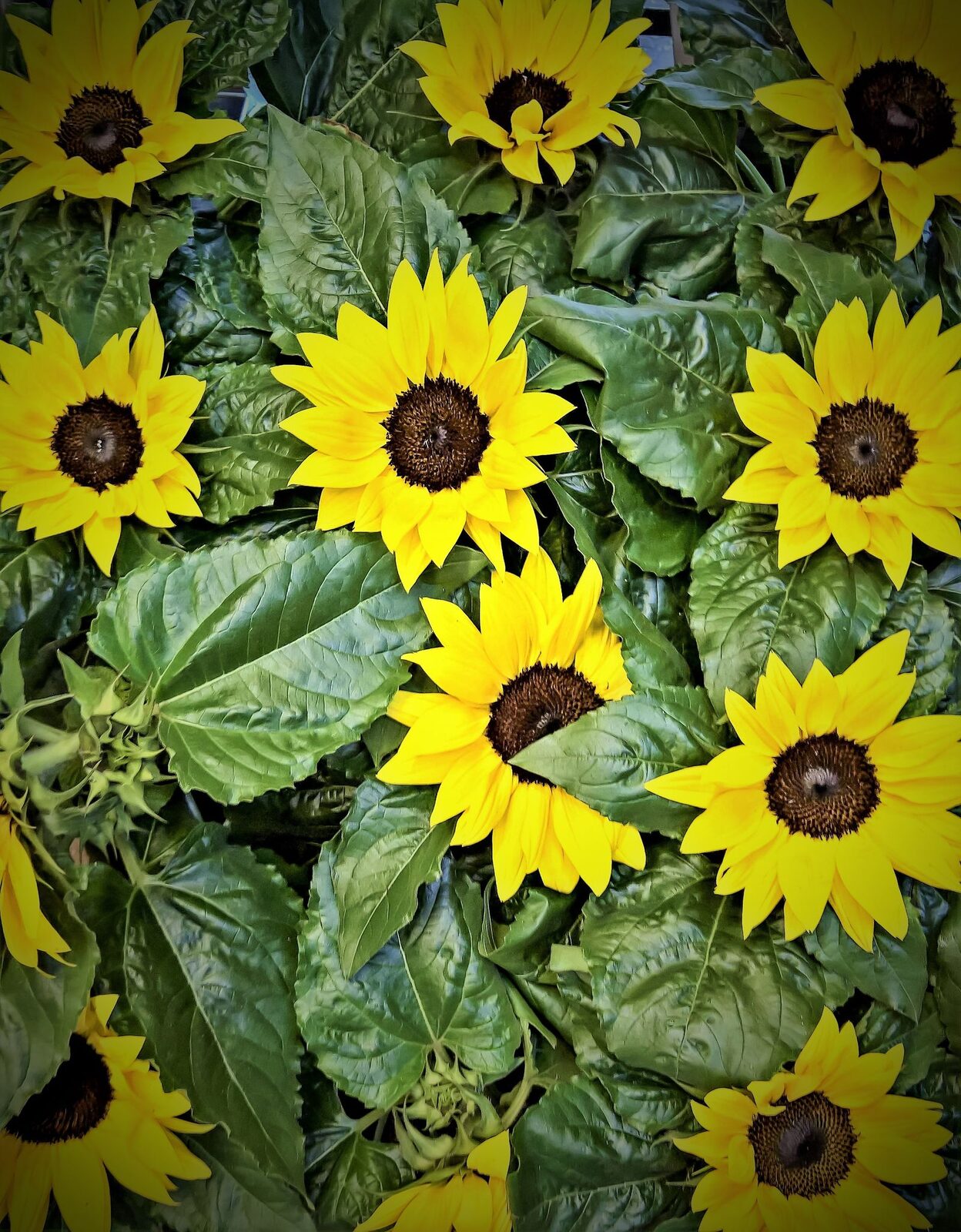
Spring arrives not with a shout, but with a whisper. It’s in the sudden, almost audible green that paints the tips of willow branches, the way the air shifts from a sharp, brittle cold to a damp, earthy softness. In Traditional Chinese Medicine (TCM), this season is ruled by the Wood element and governed by the Liver and its partner, the Gallbladder. This is the time of birth, of new growth, of energy pushing upward and outward—much like a determined seedling breaking through soil. But when our internal energy, or qi, doesn’t flow with this seasonal rhythm, we can feel it as frustration, tension in our shoulders, headaches, or that restless, “stuck” feeling. My grandmother, who grew up in rural Anhui, would notice this in people every spring. “They’re trying to bloom,” she’d say, “but their branches are tied.” This article is about untying those branches. We’ll explore the nature of Liver qi, and I’ll guide you through a simple, 10-minute meditation designed to harmonize your energy with the gentle unfurling of spring.
Understanding Liver Qi: The River That Must Flow
In TCM, the Liver is far more than its anatomical counterpart. It is the “General” or “Chief of Staff,” responsible for the smooth, harmonious flow of qi and blood throughout the entire body. Think of it as the master planner of your internal landscape. Its primary function is ensuring the free flow of qi—a concept called shu xie (疏泄). When Liver qi flows freely, like a river moving steadily downstream, our digestion is smooth, our emotions are even, and our tendons and ligaments are flexible. When it becomes stagnant, or qi stagnation, the river backs up, creating pressure and turbulence.
The classic text Huangdi Neijing (Yellow Emperor’s Inner Canon) states: “The Liver is the root of the body’s strategic planning and is responsible for the storage of blood during rest and the free flow of qi during activity.” This perfectly captures its dual role: planning (Wood’s growth energy) and movement. Spring amplifies this energy. It’s a time of planning, vision, and initiation. If our Liver qi is already constrained—perhaps from winter’s inactivity, stress, or dietary stagnation—the seasonal surge can feel overwhelming, leading to the classic spring symptoms of irritability, eye strain, rib-side tension, and sighing.
“When the Liver is in harmony, one plans well. When the Liver is agitated, one becomes easily frustrated.”
— Interpretation of a principle from the Huangdi Neijing
A 2018 review in the journal Chinese Medicine explored the modern physiological correlates of Liver qi stagnation, linking it to autonomic nervous system dysregulation, altered gut-brain axis communication, and heightened inflammatory responses (Li et al., 2018). In simpler terms, when our “river” is blocked, our whole system feels the stress. The good news? Practices that gently encourage this flow can have profound, system-wide benefits.
The Anatomy of a Spring Meditation: Why 10 Minutes Works
You might wonder if a short meditation can truly move the needle on something as fundamental as qi flow. The answer, based on both traditional wisdom and modern research, is a resounding yes. In TCM, the mind leads the qi (yi dao qi dao, 意到气到). Where your focused intention goes, energy naturally follows. A 10-minute practice is not about achieving a blank mind, but about consciously directing your awareness to create a specific, gentle movement within your body.
From a Western perspective, a 2019 study in JAMA Internal Medicine found that even brief daily mindfulness meditation sessions (around 10-15 minutes) significantly reduced symptoms of anxiety, depression, and pain (Goyal et al., 2019). This aligns perfectly with the TCM goal of easing Liver qi stagnation, which manifests as emotional tension and physical discomfort. Ten minutes is a sweet spot: long enough to shift your nervous system from a sympathetic (“fight or flight”) state to a parasympathetic (“rest and digest”) one, but short enough to be a realistic, daily ritual.
This meditation is designed as a gentle, moving visualization. We won’t force anything. We’ll use the breath and the mind’s eye to create space, much like how a gardener gently loosens the soil around a new sprout.
Preparing Your Space & Body for Practice
Setting the stage is part of the practice. You don’t need a special room, but a few mindful preparations can deepen the experience.
- Time: Ideally, practice in the morning, between 5-7 AM, which is the Zi (Gallbladder) and Chou (Liver) hours in the TCM organ clock. This is when the Wood element’s energy is naturally rising. If that’s impossible, any time you feel spring tension building is perfect.
- Space: Find a quiet spot. If you can, sit facing east—the direction of spring and sunrise. Open a window to let in fresh air if the weather permits.
- Posture: Sit on a cushion on the floor or upright in a chair with your feet flat on the ground. Keep your spine long but not rigid, as if a string is gently pulling the crown of your head toward the ceiling. Rest your hands on your knees, palms down.
- Support: Consider having a cup of chrysanthemum tea (Chrysanthemum morifolium) nearby. In TCM, chrysanthemum is cooling and enters the Liver channel, helping to clear heat that can rise from stagnation. Sip it before or after your practice.
Your 10-Minute Spring Liver Qi Meditation: A Step-by-Step Guide
Set a gentle timer for 10 minutes. Close your eyes, or soften your gaze downward.
Minutes 1-2: Arriving & Grounding.
Take three deep breaths. Inhale through your nose, letting your belly expand like a balloon. Exhale slowly through your mouth, as if you’re blowing on a dandelion puff. With each exhale, consciously release any tension in your jaw, your shoulders, your hands. Feel the weight of your body connecting with the cushion or chair. Imagine roots growing down from your sitting bones, anchoring you into the cool, stable earth. This grounding is crucial—Wood energy (Liver) needs a stable Earth (Spleen) to grow from.
Minutes 3-5: The Gentle River.
Bring your awareness to the right side of your rib cage, under your diaphragm. This is the anatomical location of the Liver, and in TCM, it’s a primary area where Liver qi stagnation gathers. Don’t poke or prod. Simply breathe into this space. Imagine your breath as warm, flowing water, gently massaging this area. Visualize any tightness, any knot of frustration or tension, as a small blockage in a stream. With each inhale, the water pools gently behind the blockage. With each exhale, the water flows around it, slowly, patiently, wearing the edges smooth. There is no force here, only persistent, gentle flow.
Minutes 6-8: Upward and Outward Growth.
Now, let your awareness travel up from the liver area to your eyes. The Liver is said to “open to the eyes.” Feel the connection. Then, visualize that same gentle river of energy flowing upward along the sides of your body, through the neck, and out through the crown of your head. Imagine it as a young, flexible willow branch, growing upward and then gently curving outward, reaching for the sun. As it grows, it carries with it any remaining tension, releasing it into the vast, open sky. Feel your shoulders soften and your chest open.

Minutes 9-10: Integration and Return.
Let the visualization fade. Bring your awareness back to your breath, to the feeling of your body in the room. Notice any shifts—perhaps a sense of lightness in your chest, a quieter mind, or a subtle warmth. Take three final, natural breaths. Gently wiggle your fingers and toes. When you’re ready, open your eyes slowly, carrying this sense of gentle, flowing movement with you into your day.
Beyond the Meditation: Nourishing Wood Element All Day
This meditation is a powerful anchor, but supporting your Liver qi is a 24-hour endeavor. Here’s how to weave its principles into your daily life this spring.
Dietary Support: The Sour & Green Connection
The Liver’s associated flavor in TCM is sour. A little sourness can help “gather” or astringe qi, preventing it from becoming too scattered. However, too much can over-constrict. Balance is key. The color green also resonates with the Wood element. Focus on fresh, leafy greens and sprouts.
Actionable Spring Liver Qi Food Guide:
| Food | TCM Property | How to Prepare & Use |
|---|---|---|
| Lemon (Citrus limon) | Cooling, sour. Enters Liver & Stomach. | Add 1-2 slices to warm water in the morning. Avoid if you have severe acid reflux. |
| Dandelion Greens (Taraxacum officinale) | Cold, bitter, sweet. Clears Liver heat. | Sauté briefly with garlic and sesame oil. Or steep 1-2 tsp of dried leaf as tea. |
| Mint (Mentha haplocalyx) | Cool, acrid. Vents heat, soothes Liver. | Add fresh leaves to salads, spring rolls, or as a garnish for soups. |
| Goji Berries (Lycium barbarum) | Neutral, sweet. Nourishes Liver & Kidney yin. | Add 1 tbsp to oatmeal, trail mix, or steep in hot water for a simple tea. |
| Green Apple | Cool, sweet-sour. Generates fluids, clears heat. | Eat raw, or bake with a pinch of cinnamon for a gentle, cooked fruit. |
| Sprouts (Mung Bean, Broccoli) | Cool, sweet. Represent new growth, clear heat. | Add to sandwiches, stir-fries, or salads for a fresh crunch. |
A simple, powerful spring meal: a bed of steamed kale or spinach, topped with grilled salmon (rich in omega-3s, which some research suggests may support mood and inflammation), a squeeze of lemon, a sprinkle of toasted sesame seeds, and a side of mung bean sprouts.
Movement: Let Your Body Mimic Nature
The Liver governs the tendons and ligaments. Gentle, flowing movement keeps them supple. This spring, favor practices that encourage stretching and smooth, continuous motion over intense, rigid workouts.
- Tai Chi or Qigong: Look for forms that emphasize “silk reeling” energy (chan si jin)—smooth, spiraling movements that mimic the flow of qi.
- Gentle Yoga: Focus on sequences that open the sides of the body (lateral stretches like Ardha Chandrasana), twists, and poses that target the liver/gallbladder meridians along the legs.
- Walking in Nature: The simplest practice. Walk among trees, especially in the morning. The color green is directly soothing to the Liver system in TCM.
Common Questions
I feel more angry than stuck. Is this still Liver qi stagnation?
Absolutely. In TCM, frustration and anger are the hallmark emotions of the Liver. When its flow is blocked, the energy has nowhere to go and can flare upward as irritability or outbursts. This is often described as Liver qi stagnation transforming into Liver fire. The meditation above is still your first line of defense, as it addresses the root stagnation. You might also benefit from adding cooling, Liver-soothing herbs like chrysanthemum (Chrysanthemum morifolium) or gardenia fruit (Gardenia jasminoides) to your routine. A 2017 animal study in the Journal of Ethnopharmacology found that a compound in gardenia fruit had a significant calming effect on the central nervous system, supporting its traditional use for irritability (Zhang et al., 2017).
Can this meditation help with seasonal allergies?
It may provide supportive relief. In TCM, many allergies are seen as a combination of Wei qi (defensive qi) deficiency and an invasion of wind (a pathogenic factor associated with spring). The Liver’s role in smooth qi flow is crucial for distributing Wei qi. By promoting Liver qi flow, you may be supporting your body’s natural defensive response. Pair this meditation with other TCM strategies for allergies, such as using honeysuckle flower (Lonicera japonica) tea, which is traditionally used to clear wind-heat.
I have a diagnosed liver condition. Is this safe for me?
This is a critical point of caution. The “Liver” in TCM is a functional system, not the anatomical organ. This meditation is a general wellness practice for supporting the smooth flow of qi as understood in traditional theory. It is not a treatment for any medical liver disease (such as hepatitis, cirrhosis, or fatty liver disease). If you have a diagnosed medical condition affecting your liver, it is essential that you consult with your physician and a licensed acupuncturist or TCM practitioner before beginning any new wellness practice. They can provide guidance tailored to your specific constitution and health status.
The bottom line: Spring invites us to grow, to plan, and to move. When we feel stuck, it’s often a sign our inner “Wood” element needs a little help unfurling. This 10-minute Liver qi meditation is a simple, powerful tool to release tension, encourage smooth energy flow, and harmonize your body with the season’s vibrant rhythm. Pair it with mindful eating of green and sour foods, gentle movement, and you create a daily practice of flowing with, rather than against, the natural world.
About the Author
Yu Xi Zhang grew up in a Chinese household where traditional wellness practices were part of daily life. With over 15 years of study under licensed TCM practitioners in Beijing and Chengdu, and a certification in TCM nutrition from the Beijing University of Chinese Medicine, she bridges Eastern wisdom with Western wellness in practical, actionable ways. Her writing draws from classical texts like the Huangdi Neijing and modern research to help readers live healthier, more balanced lives.
This article is for educational purposes and reflects traditional wellness perspectives. It is not a substitute for professional medical advice, diagnosis, or treatment.