As the last frost melts and the first green shoots push through the earth, you might feel a familiar, almost restless energy bubbling up inside you. It’s a desire to open the windows, clean out the closets, and maybe even start that project you’ve been putting off all winter. This isn’t just a coincidence or a reaction to more sunlight. In Traditional Chinese Medicine (TCM), this is the very essence of spring: a season of outward movement, renewal, and the vibrant, rising energy of the Liver. Understanding this shift is the key to moving from winter’s quiet introspection into spring’s dynamic growth without feeling overwhelmed, irritable, or stuck.
The Wood Element: Your Liver’s Seasonal Blueprint
In TCM, the Liver is much more than the physical organ that detoxifies your blood. It’s the commander of Qi (vital energy) flow throughout your entire body. Think of it as the master planner and traffic controller of your internal landscape. Its primary job is to ensure the smooth, even distribution of Qi and Blood to every organ, muscle, and thought. When it’s functioning well, you feel flexible, both physically and emotionally. Your plans unfold with ease, and your mood is even-keeled.
The Liver belongs to the Wood element, one of the Five Phases that describe the cycles of nature and our bodies. Wood’s nature is to grow, expand, and reach upward—exactly like a tree or a spring seedling. This is why spring is the Liver’s season. The energy of the universe is mirroring the Liver’s own preferred state: active, ambitious, and pushing forward. The Huangdi Neijing, the foundational text of TCM, states in its chapter on the Five Organs: “The Liver is the general of the organs, from which planning and strategy originate.” A healthy Liver gives you the vision to plan and the gentle assertiveness to execute those plans without aggression.
When the Liver Qi flows freely, it is like a tree that sways in the wind but remains rooted. It is flexible, resilient, and able to adapt to change.
During my studies in Chengdu, my teacher, Dr. Li, used a simple analogy. He’d say, “Imagine your Liver Qi as the sap in a tree. In winter, it’s deep in the roots. In spring, it must rise powerfully to the branches to create new leaves. If the sap gets blocked, the tree becomes sick. If it rises too violently, the branches might crack.” Our job in spring is to be the gentle gardener, ensuring that sap—our Liver Qi—rises smoothly and doesn’t get stuck.
Signs Your Liver Qi Is Stirring (or Stuck)
Because the Liver governs the smooth flow of everything, when its Qi is imbalanced, the symptoms can seem scattered. The two primary patterns are Liver Qi Stagnation (the sap is stuck) and Liver Yang Rising (the sap is surging too fast). Recognizing which one you lean toward is the first step to finding balance.
Liver Qi Stagnation is the most common imbalance in modern life, often stemming from unexpressed emotions, prolonged stress, or a sedentary lifestyle. It’s like a traffic jam in your energy pathways.
- Physical: A feeling of tightness or pressure in the chest or ribs, sighing frequently, a lump in the throat (plum pit Qi), digestive issues that worsen with stress (like IBS), headaches, and for many women, pronounced PMS with breast tenderness.
- Emotional: Irritability, frustration, mood swings, a feeling of being “stuck” or unable to move forward, and resentment.
Liver Yang Rising is what happens when that stagnation builds pressure and bursts upward, like steam from a capped pot. This is more of a heat pattern.
- Physical: Headaches, especially at the top or sides of the head, dizziness, ringing in the ears (tinnitus), red face and eyes, high blood pressure, and neck/shoulder tension.
- Emotional: Outbursts of anger, explosive temper, restlessness, and difficulty sleeping.
A 2017 review published in the Journal of Traditional and Complementary Medicine noted that Liver Qi Stagnation is the most frequently diagnosed pattern in patients with stress-related disorders, linking it directly to the modern epidemic of chronic stress and its physiological impacts (Wang et al., 2017). My own experience confirms this. For years, I’d get debilitating headaches every March. It wasn’t until a practitioner pointed out my stiff shoulders and tendency to clench my jaw that I understood it as my Liver Qi getting stuck on its way up.
The Art of Gentle Movement: Unblocking the Flow
The antidote to stagnation is movement, but the key is the type of movement. In spring, we want to mimic the gentle, persistent growth of nature, not the explosive force of a summer storm. Harsh, intense exercise can actually scatter Qi and create more heat if you’re already in a Liver Yang pattern. Instead, focus on practices that stretch the tendons and fascia (the Liver’s associated tissue) and encourage smooth, circular motion.
Tai Chi & Qigong: These are the gold standard. The slow, deliberate movements, especially forms like the “Eight Pieces of Brocade” (Ba Duan Jin), are designed to massage the internal organs and promote Qi flow. A 2020 study in BMC Complementary Medicine and Therapies found that regular Tai Chi practice significantly improved mood and reduced markers of stress in participants, aligning perfectly with the TCM goal of smoothing Liver Qi (Zheng et al., 2020).
Yoga for the Liver Meridian: Focus on poses that open the sides of the body and inner thighs, where the Liver and its paired organ, the Gallbladder, meridians run. Think Extended Side Angle Pose (Utthita Parsvakonasana), Reclined Butterfly (Supta Baddha Konasana), and Seated Forward Fold (Paschimottanasana). Hold each for 5-10 deep breaths, visualizing space being created along your sides.
Simple Daily Practice: The Liver Qi Stretch
1. Stand with feet hip-width apart.
2. Inhale as you raise your right arm overhead, bending gently to the left. Feel the stretch along your right side from hip to fingertips. Hold for 3 breaths.
3. Exhale as you return to center.
4. Inhale, raise your left arm and bend to the right. Hold for 3 breaths.
5. Repeat 5 times on each side, morning and evening.

Nourishing the Wood Element: Spring Foods for the Liver
Food is medicine, and in spring, we eat to support the Liver’s function. The flavor associated with the Wood element is sour. Sour foods have a contracting, astringent quality that can help “hold” the Liver Qi in place, preventing it from scattering when it’s rising strongly. However, too much sour can over-constrict and cause stagnation. Balance is key.
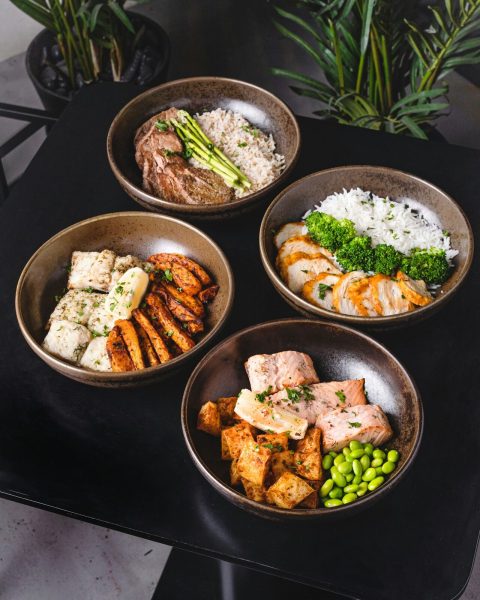
The color associated with the Liver is green. Eating young, green, sprouting foods mirrors the energy of the season and directly nourishes the Liver. Think of the first tender greens of the year.
Spring Liver Support Food Guide
| Food | TCM Properties | How to Use (Actionable) |
|---|---|---|
| Dandelion Greens (Taraxacum officinale) | Bitter, cool. Clears heat, reduces toxins. | Sauté 2 cups with 1 tsp minced garlic and 1 tbsp olive oil for 3-4 minutes. Add a splash of rice vinegar at the end. |
| Green Apple | Sweet-sour, cool. Generates fluids, mildly astringes Liver Qi. | Eat one raw between meals, or slice and steep in hot water with 2 slices of ginger for a simple tea. |
| Goji Berries (Lycium barbarum) | Sweet, neutral. Nourishes Liver and Kidney Yin, brightens eyes. | Soak 1 tbsp in hot water for 10 mins to make tea, or add to oatmeal. Traditional dose: 6-15g daily. |
| Mint (Mentha haplocalyx) | Pungent, cool. Disperses Liver Qi, clears wind-heat. | Steep 10-15 fresh leaves in hot water for 5 minutes. Excellent for headaches with tension. |
| Mung Beans (Vigna radiata) | Sweet, cool. Clears heat, detoxifies. | Simmer ½ cup dried beans in 3 cups water for 40 mins until soft. Drink the broth, season with a pinch of salt. |
| Chicken Liver | Sweet, warm. Tonifies Liver Blood (useful if deficient). | Sauté 4 oz with onions and herbs. Eat 1-2 times per week if feeling fatigued or dizzy. |
My grandmother’s spring ritual was a simple soup: a handful of spinach, a few slices of ginger, and a splash of rice vinegar in bone broth. She’d say it “washed the winter dust from the liver.” Modern research supports this; spinach is rich in chlorophyll and antioxidants that support phase II liver detoxification pathways (Higdon et al., 2007, Linus Pauling Institute).
The Emotional Landscape: Managing Anger and Frustration
The emotion of the Liver is anger. This doesn’t mean a healthy Liver makes you angry. It means the Liver is responsible for processing and transforming anger. When it’s balanced, you can feel appropriate assertiveness and set healthy boundaries. When it’s imbalanced, anger can turn inward as depression or outward as rage. Spring, with its surging energy, can amplify these feelings.
The practice here is not to suppress anger, but to give it a healthy outlet. Journaling is a powerful tool. Write unsent letters to express frustrations. Physical activity, as discussed, is crucial. Another profound practice is “The Wood Element Breath”:
1. Sit quietly. Place your hands on your lower ribs.
2. Inhale deeply, imagining your breath filling your ribcage laterally, like a tree expanding its branches.
3. Exhale with a soft “shhhh” sound (the sound associated with the Liver in Six Healing Sounds Qigong), imagining any frustration leaving with the breath.
4. Repeat for 2-3 minutes.
This practice directly addresses the physical tension in the intercostal muscles (between the ribs) that often accompanies Liver Qi Stagnation. It’s a somatic release, allowing the emotional and physical to unwind together.
A Simple Spring Liver Qi Routine
Integrate these principles into a daily flow. Consistency is more powerful than intensity.
- Morning (7-9 AM): Upon waking, drink a cup of warm water with the juice of ¼ lemon (sour) and a tsp of raw honey. Perform the Liver Qi Stretch (5 mins).
- Midday (11 AM-1 PM): Take a 10-minute walk outside, preferably among trees or greenery. Let your eyes rest on the color green—TCM teaches the Liver opens to the eyes.
- Evening (7-9 PM): Avoid heavy, greasy foods. Opt for a light meal with steamed greens and a lean protein. Practice the Wood Element Breath for 3 minutes before bed.
- Weekly: Dedicate one session to a longer Tai Chi, Qigong, or yoga practice (30-45 mins).
Common Questions
Can I take herbs for Liver Qi Stagnation?
Yes, but with caution and ideally guidance. The classic formula for Liver Qi Stagnation is Xiao Yao San (Free and Easy Wanderer Powder), which contains herbs like Bupleurum (Bupleurum chinense) and Peony (Paeonia lactiflora). However, self-prescription is not advised. Herbs have specific indications and contraindications. For example, if you have signs of heat (red face, thirst), a warming formula could worsen symptoms. Consult a licensed TCM practitioner for a personalized formula.
I’m not angry, but I feel really anxious in spring. Is that related?
Absolutely. Anxiety is often a combination of worry (Spleen) and unexpressed frustration (Liver). The rising Liver Qi can agitate the Heart (the emperor organ), leading to palpitations and anxiety. The gentle movement and breathing practices above are especially important for you. Also, consider adding Chrysanthemum tea (Chrysanthemum morifolium)—5-6 flowers steeped in hot water—to help calm the Liver and clear heat that might be affecting the Heart.
How long does it take to balance Liver Qi?
It depends on the depth of the imbalance. For mild, seasonal frustration, you may feel a shift in a few days to a week with consistent practice. For chronic, long-standing stagnation, it can take several months of dedicated lifestyle and dietary changes. The body responds to rhythm and consistency. Track your symptoms—note your mood, energy, and physical sensations in a journal. You should see a gradual smoothing out over 4-6 weeks.
The bottom line: Spring’s vibrant energy is a gift, but it requires us to be active participants in our own balance. By understanding that this season amplifies the Liver’s function of smooth Qi flow, we can use simple, daily practices—gentle stretching, mindful eating with sour and green foods, and emotional awareness—to ride the wave of renewal instead of being overwhelmed by it. Flow with the Wood element, and you’ll find your own growth becomes as natural and unstoppable as the season itself.
About the Author
Yu Xi Zhang grew up in a Chinese household where traditional wellness practices were part of daily life. With over 15 years of study under licensed TCM practitioners in Beijing and Chengdu, and a certification in TCM nutrition from the Beijing University of Chinese Medicine, she bridges Eastern wisdom with Western wellness in practical, actionable ways. Her writing draws from classical texts like the Huangdi Neijing and modern research to help readers live healthier, more balanced lives.
This article is for educational purposes and reflects traditional wellness perspectives. It is not a substitute for professional medical advice, diagnosis, or treatment.