There’s a particular feeling that arrives every spring, usually around late March. You might notice it as a sudden burst of energy after a long winter, a restless desire to clean out closets, start new projects, or go for a run at 7 AM. It can also show up as irritability, a short fuse with loved ones, or that nagging sense that you’re not doing enough. In Traditional Chinese Medicine (TCM), this isn’t just “spring fever”—it’s the predictable surge of Liver Qi, the energy of the Wood element, waking up and pushing outward. My grandmother used to say the liver was like a tree in winter: its sap was deep in the roots, quiet and conserving. Come spring, that sap rises powerfully, sometimes too powerfully, seeking to grow and expand. If the channels aren’t clear, that energy can get stuck, creating the very restlessness and frustration you feel. Understanding this isn’t about fighting the feeling; it’s about learning to flow with one of nature’s most potent rhythms.
What Exactly is Liver Qi in Spring?
In the TCM model, the Liver is the organ system responsible for the smooth flow of Qi (vital energy) throughout the entire body. Think of it as the master planner and traffic controller for your energy, emotions, and physical movement. Its nature is to be free-flowing, expansive, and assertive—much like the energy of a growing tree. The classic text Huangdi Neijing (The Yellow Emperor’s Inner Canon) beautifully connects the Liver to the spring season, stating that spring is the time of “shēng” (生), or birth and growth. The Liver’s Qi is said to “rise” in spring, mirroring the upward push of new shoots through the soil.
This isn’t just poetic metaphor. A 2017 review in the Journal of Traditional Chinese Medical Sciences explored the physiological correlations of the Liver system, noting its role in regulating metabolism, blood storage, and autonomic nervous system function—which directly impacts stress response and mood (Wang et al., 2017). When Liver Qi flows smoothly, we feel decisive, flexible, and energized. When it becomes “stagnant” or “rebellious,” it can manifest as the classic spring symptoms: irritability, tension headaches, eye strain, rib-side discomfort, and that pervasive sense of being wound too tight.
“The Liver is the general of the army, responsible for the strategies of the body. When its Qi is harmonized, plans are made and goals are achieved. When it is agitated, the whole army is in disarray.”
— Paraphrased wisdom from TCM clinical teaching
During my studies in Beijing, my teacher, Dr. Li, would often diagnose this spring pattern by simply asking patients, “Do you feel like you want to burst out of your skin?” The affirmative answer, combined with a wiry pulse quality on the radial artery, was his classic sign of constrained Liver Qi seeking an outlet.
Signs Your Spring Liver Qi is Stuck or Overactive
How do you know if this seasonal surge is affecting you? The signs are often a mix of physical and emotional cues. It’s important to note that in TCM, these aren’t separate issues but interconnected expressions of the same underlying imbalance.
Common Physical Signs:
- Tension in the neck, shoulders, and upper back (especially the trapezius muscles)
- Headaches, particularly at the temples or behind the eyes
- Digestive upset like bloating, alternating constipation and diarrhea (the Liver overacting on the Spleen/Stomach)
- Eye issues: dryness, redness, or floaters (the Liver opens to the eyes)
- Menstrual irregularities in women: PMS, breast tenderness, or painful periods
- A wiry or tight pulse felt by a practitioner at the left “guan” position
Common Emotional & Mental Signs:
- Irritability and a short temper, especially over small things
- Feelings of frustration, impatience, or resentment
- Difficulty making decisions or feeling stuck in planning without action
- A restless, “caged” feeling—a desire to break free or make a drastic change
- Difficulty sleeping, especially waking between 1-3 AM (the Liver time on the Chinese clock)
If you recognize three or more of these signs, especially in spring, you’re likely experiencing the effects of this seasonal Liver Qi movement. The good news? The same energy that causes the pressure is also the key to unlocking vibrant health and creativity.
The Wood Element: Your Key to Understanding Spring’s Energy
To truly grasp spring’s Liver Qi, we need to understand the Wood element—one of the Five Phases (Wu Xing) in TCM theory. Wood represents growth, flexibility, and vision. A healthy tree has strong roots (stability), a flexible trunk (adaptability), and branches that reach toward the light (purpose and vision). This is the ideal state of the Liver: grounded yet dynamic, structured yet yielding.
Spring is the season of Wood. The environmental energy is one of expansion and upward movement. Our bodies are microcosms of nature, so our Liver Qi is primed to do the same. Problems arise when we resist this natural movement—when we sit at a desk all day without moving, suppress our anger, or eat heavy, congesting foods that block the flow. The energy has nowhere to go, so it turns inward, creating heat, stagnation, and the symptoms we discussed.
The goal is not to suppress this surge but to channel it. Like a gardener pruning a tree to guide its growth, we can use specific practices to direct this powerful spring energy into productivity, creativity, and smooth physiological function. This is the essence of “flowing with it.”

How to Flow With Spring’s Liver Qi: Actionable Strategies
Here is a practical, daily guide to moving with spring’s energy, not against it. These are not vague suggestions but specific actions you can incorporate starting today.
1. Move Your Body, Especially Your Sides
The Liver meridian runs along the inner legs and up the sides of the torso. Stagnation here is common. Dynamic stretching is non-negotiable.
- Daily 5-Minute Side Stretch: Stand tall, feet hip-width. Inhale, reach your right arm overhead and lean to the left, creating a long stretch from your right hip to your armpit. Hold for 5 deep breaths. Repeat on the other side. Do this 3 times per side.
- Walking or Gentle Running: The Liver loves rhythmic, flowing movement. A 30-minute walk in nature, especially in the morning (7-9 AM, the Stomach time, supports the Earth element to control Wood), can work wonders.
- Tai Chi or Qigong: The “Pushing Mountains” or “Cloud Hands” forms are specifically designed to smooth Liver Qi. Even 10 minutes daily is beneficial. A 2019 randomized controlled trial in Complementary Therapies in Medicine found that Tai Chi practice significantly reduced stress and improved mood regulation, aligning with its traditional use for smoothing Qi flow (Wang et al., 2019).
2. Eat for the Season: The “Sour & Green” Principle
Diet is one of the most powerful tools. The Liver corresponds to the sour flavor and the color green. In spring, we eat to support, not overwhelm, the Liver.
| Food Category | Specific Foods & How to Use Them | TCM Rationale & Modern Note |
|---|---|---|
| Leafy Greens | Dandelion greens (raw in salad or sautéed), watercress, Swiss chard, spring onions, cilantro. | Green color nourishes the Liver. Bitter greens like dandelion (Taraxacum officinale) help clear Liver heat. |
| Sour Foods (in moderation) | Lemon juice in warm water (1/2 lemon upon waking), apple cider vinegar (1 tbsp in water before meals), pickled vegetables (small portion), green apples. | Sour flavor astringes and has an inward-moving quality, which can help contain the overly expansive Liver Qi. Don’t overdo it. |
| Sprouts & Young Plants | Bean sprouts (mung bean, soy), broccoli sprouts, pea shoots. | Embodies the “shēng” energy of spring. Easy to digest, full of life force. |
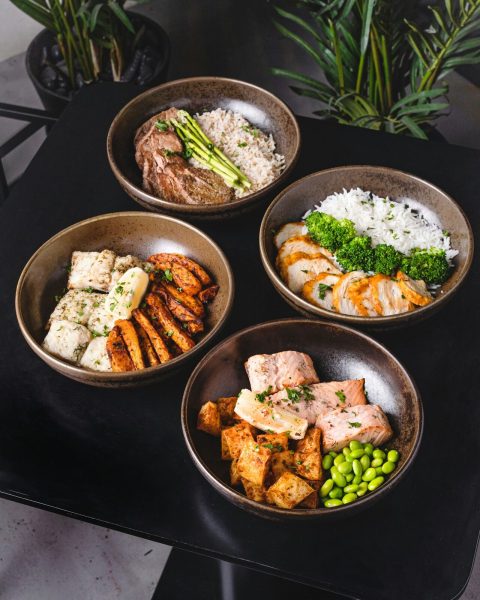
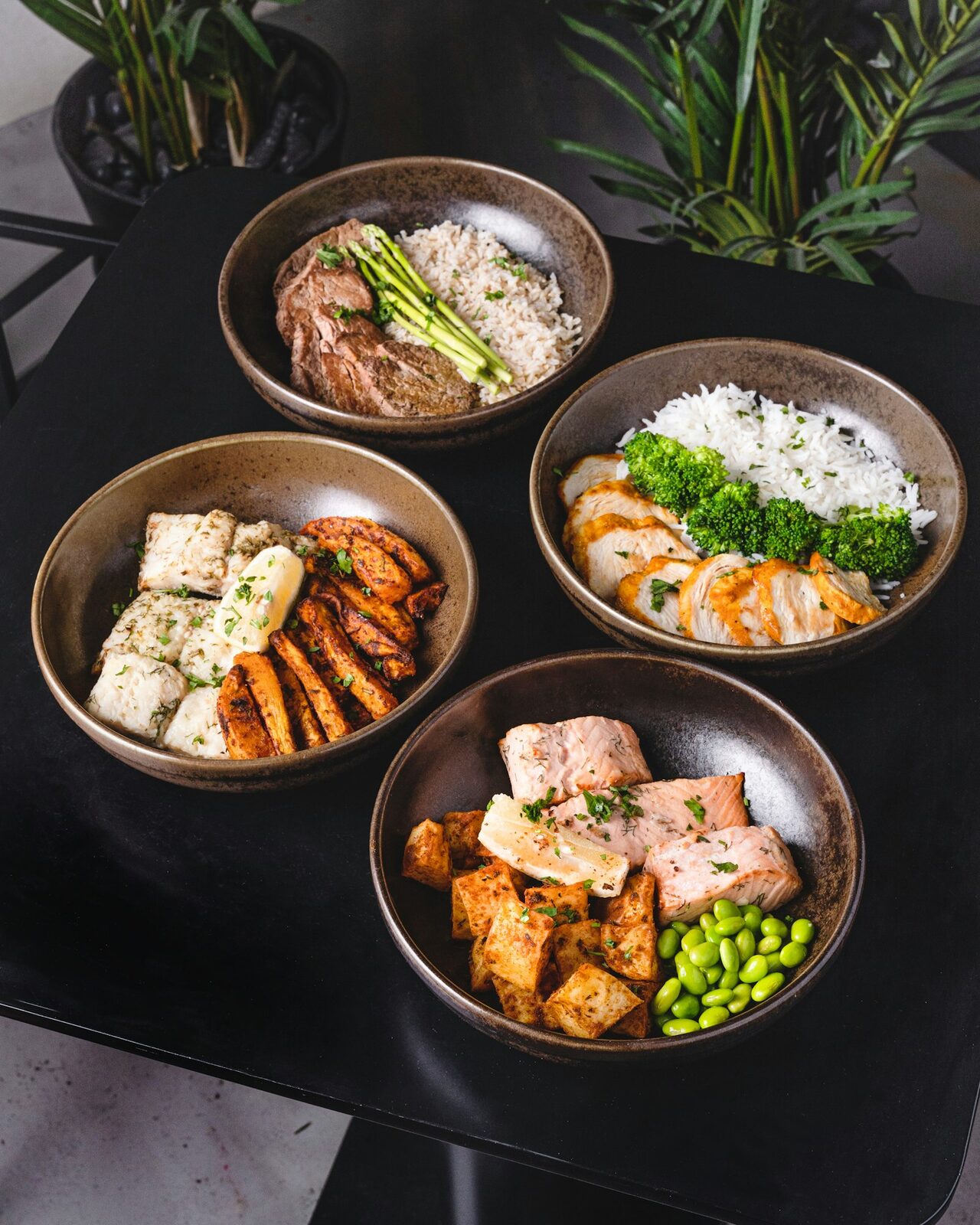
| Light, Clearing Proteins | Steamed fish (especially white fish like cod), organic chicken, tofu, tempeh. | Heavy, greasy meats can further stagnate Qi. Light proteins support without burdening. |
| Herbal Teas | Chrysanthemum & Goji Berry Tea: 5-6 dried chrysanthemum flowers (Chrysanthemum morifolium) + 1 tsp goji berries (Lycium barbarum) steeped in hot water for 5 mins. Peppermint Tea: 1 tsp dried peppermint (Mentha piperita) steeped for 3-4 mins. | Chrysanthemum clears Liver heat and brightens eyes. Peppermint is a classic Liver Qi-moving herb. Goji nourishes Liver Yin. |
Foods to Reduce in Spring: Excessive greasy/fried foods, heavy red meats, excessive dairy, and overly spicy/hot foods (like chili peppers). These can add heat and dampness, further obstructing the Liver’s smooth flow.
3. Master the Art of Releasing, Not Reacting
The Liver is the organ of planning and decision-making. Its emotion is anger, which in TCM is not inherently bad—it’s the energy of assertiveness and boundary-setting. The problem is stuck anger. The practice is to feel it, acknowledge it, and release it without letting it erupt destructively.
- The 90-Second Pause: When you feel frustration rising, pause. Neuroscience suggests an emotion’s physiological wave lasts about 90 seconds. Breathe deeply for that duration, feeling the sensation without the story. This creates space for a conscious response.
- Journaling for “The General”: Spend 5 minutes each morning writing down any plans, frustrations, or decisions swirling in your mind. This gives the Liver’s planning energy a concrete outlet on paper, rather than letting it spin internally.
- Physical Release: If you feel the energy is hot and explosive, try a vigorous 2-minute shake-out: stand and shake your limbs loosely, as if trying to shake off water. It sounds silly, but it’s a powerful somatic release.
A Simple Daily Routine for Spring Liver Qi Harmony
Integrate these practices into a flowing daily rhythm. Consistency is more important than perfection.
- Upon Waking (6-7 AM): Drink a cup of warm water with the juice of half a lemon. This gently stimulates Liver Qi and digestion.
- Morning (7-9 AM): Take a 20-30 minute walk, preferably in a park or among trees. Practice the 5-minute side stretch.
- Midday (11 AM-1 PM): Eat a light, green-rich lunch. Avoid eating at your desk. Step outside for 5 minutes of fresh air.
- Afternoon (3-5 PM): This is the Bladder meridian time, ideal for hydration and flushing. Drink a large glass of water or a cup of peppermint tea. If feeling tense, do a 2-minute shoulder and neck roll.
- Evening (7-9 PM): Wind down. Avoid intense exercise or heated debates. Sip on chrysanthemum-goji tea. Consider a 10-minute foot soak in warm water with a handful of Epsom salts and a few drops of lavender essential oil to draw energy downward.
- Before Bed (9-11 PM): This is the “Triple Burner” time, related to overall Qi flow. Journal or practice 5 minutes of gentle, seated meditation focusing on your breath. Aim to be asleep by 11 PM, when the Gallbladder meridian (paired with the Liver) begins its work of decision-making and detoxification.
Recommended Spring Support Tools
While your kitchen and your own body are the best tools, these can support your journey.
- Quality Dried Chrysanthemum Flowers: Look for whole, fragrant flowers from reputable herbal suppliers. They should be a pale yellow, not brown.
- A Simple Qigong DVD or App: For guided practice. Look for instructors who emphasize “Liver-soothing” or “Spring” routines.
- A Journal with Smooth Paper: For your morning “General’s Planning” session. The physical act of writing is part of the release.
Common Questions
Q: I feel tired in spring, not restless. Is this still Liver Qi?
A: Absolutely. This is a common variant. If your Liver Qi is very stagnant, it can “overact” on the Spleen (the Earth element), which governs energy and digestion. This leads to fatigue, bloating, and a heavy feeling. The solution is twofold: gently move the Liver Qi (with walking, stretching, and peppermint tea) and support the Spleen (with warm, cooked foods like soups and stews, and avoiding cold, raw foods and excessive sugar). Think of it as unblocking the traffic jam so energy can flow again.
Q: Can I take herbal formulas for this? Like Xiao Yao San?
A: Xiao Yao San (Free and Easy Wanderer) is a classic formula for smoothing Liver Qi and strengthening the Spleen. It contains herbs like Bupleurum (Chai Hu) and White Peony (Bai Shao). While it is widely used for the patterns we’ve discussed, I strongly recommend consulting a licensed TCM practitioner before taking any herbal formula. They can assess your specific constitution and ensure the formula is right for you, as self-diagnosis can be inaccurate. A 2018 meta-analysis in Phytotherapy Research supported its efficacy for stress-related symptoms, but professional guidance is key (Zhang et al., 2018).
Q: Is it bad to feel angry in spring?
A: Not at all. In TCM, anger is the natural emotion of the Liver. It becomes problematic only when it is suppressed (leading to stagnation) or expressed explosively without awareness (leading to Liver fire). The goal is to allow the feeling to be present, understand its message (e.g., “a boundary has been crossed” or “a need isn’t being met”), and then choose a constructive action—like a calm conversation, a vigorous workout, or creative expression. The energy of anger, when channeled, is the energy of change and justice.
The bottom line: Spring’s restlessness is not a flaw in your character; it’s a powerful seasonal signal from your body’s energy system. By understanding the Liver Qi’s need to move and expand, and by providing it with clear pathways through mindful movement, seasonal eating, and emotional awareness, you can transform that agitated energy into vibrant health, creativity, and decisive action. Flow with the Wood element, and let spring be a time of genuine growth.
About the Author
Yu Xi Zhang grew up in a Chinese household where traditional wellness practices were part of daily life. With over 15 years of study under licensed TCM practitioners in Beijing and Chengdu, and a certification in TCM nutrition from the Beijing University of Chinese Medicine, she bridges Eastern wisdom with Western wellness in practical, actionable ways. Her writing draws from classical texts like the Huangdi Neijing and modern research to help readers live healthier, more balanced lives.
This article is for educational purposes and reflects traditional wellness perspectives. It is not a substitute for professional medical advice, diagnosis, or treatment.