There’s a particular kind of frustration that only shows up in July. It’s not the righteous anger of injustice or the sharp sting of betrayal. It’s the hot, prickly irritation that bubbles up when someone chews too loudly, when the traffic light stays red for an extra ten seconds, or when your partner asks a perfectly innocent question like, “What’s for dinner?” You snap, you regret it, and you wonder, what is wrong with me? The answer, according to ancient wisdom, might have less to do with your personality and more to do with the season. That sudden, irrational flare-up is what we can call summer anger, and it’s a real phenomenon rooted in the relationship between your body and the world around you.
- The Fire Inside: How Summer Heat Affects Your Body and Mood
- A Personal Story: The Summer of the Snapping Turtle
- Beyond "Chill Out": Specific, Actionable Ways to Cool Down
- 4. Adjust Your Environment: Simple Feng Shui for Summer
- 5. Cool the Mind: Practices to Settle the Shen
- 6. Time Your Day: The Summer Schedule
- Common Questions About Summer Anger & Irritability
The Fire Inside: How Summer Heat Affects Your Body and Mood
In Traditional Chinese Medicine (TCM), the universe is a dynamic interplay of five elements: Wood, Fire, Earth, Metal, and Water. Each element corresponds to a season, an organ, an emotion, and a flavor. Summer is the season of the Fire element. Fire is expansive, hot, bright, and upward-moving. Think of a campfire—it provides light and warmth, but left unchecked, it can rage out of control. Your body operates on the same principles.
When the external environment is blazing with heat, your internal environment works hard to maintain balance. This effort can tax your body’s cooling systems, particularly the Yin aspects. In TCM, Yin is the cool, quiet, moistening, and receptive energy. It’s the shady side of the mountain, the cool water in a well. Yang is the active, hot, bright energy—the sun itself. Summer is the peak of Yang energy. To keep from overheating, your body needs to draw upon its reserves of Yin. When that Yin gets depleted from the external heat, internal stress, or poor habits, a state of imbalance called “Heat” arises.
This internal Heat doesn’t just make you physically warm; it agitates your mind and emotions. The Heart, which in TCM houses the “Shen” (your spirit and consciousness), is the organ most associated with the Fire element. When the Heart is “overheated” by summer’s influence, the Shen becomes unsettled. Imagine trying to meditate next to a roaring bonfire—you can’t find calm or clarity. That’s what’s happening inside you. The result is anxiety, restlessness, insomnia, and, you guessed it, irritability. That “summer anger” is the emotion of the Fire element (joy, in its balanced state) tipping into its excessive, agitated form.
“The ancients said: The gentleman in summer, in accordance with the energy of heaven and earth, is like the blooming of flowers. Let the mind be joyful and satisfied, let the qi flow freely.” This classic text from the Huangdi Neijing (The Yellow Emperor’s Classic of Internal Medicine) describes summer’s ideal state: joyful and flowing. Anger and irritability are signs we’ve strayed from that flow.
A Personal Story: The Summer of the Snapping Turtle
I’ll never forget the summer I was twenty-three, living in a tiny apartment with no air conditioning. The heat was relentless. I remember one evening, my roommate kindly asked if I wanted some of the mango she’d just cut. I didn’t just say no; I snapped, “I’m not hungry, can’t you see I’m busy?” The look on her face—one of hurt and confusion—stung more than the heat. Later, feeling terrible, I called my grandmother. She listened patiently and then said, in her matter-of-fact way, “Ah, your Heart fire is too strong. You are like a snapping turtle, all shell and bite because the sun is baking your insides. You need to eat bitter melon and drink chrysanthemum tea. Cool the Heart, calm the Shen.”
It sounded so simple, almost silly. But I was desperate. I went to the Asian market, bought bitter melon (a spiky, cucumber-like vegetable that tastes intensely bitter) and a box of dried chrysanthemum flowers. I made a soup with the bitter melon, tofu, and a bit of fermented black beans, and sipped the floral, sweet tea throughout the day. The change wasn’t magical, but it was tangible. By the next afternoon, the frantic, buzzy feeling under my skin had quieted. The little things that were setting me off felt less monumental. My grandmother was right: I had cooled the fire, and my spirit had found a little more space to breathe.
Beyond “Chill Out”: Specific, Actionable Ways to Cool Down
Telling someone with summer anger to “just relax” is about as helpful as telling a pot of boiling water to “just cool down.” You need to actively remove the heat source and add cooling elements. Here is a practical toolkit drawn from both TCM and common sense, with precise instructions you can follow today.
1. Eat to Cool Down: The Bitter & Sweet Balance
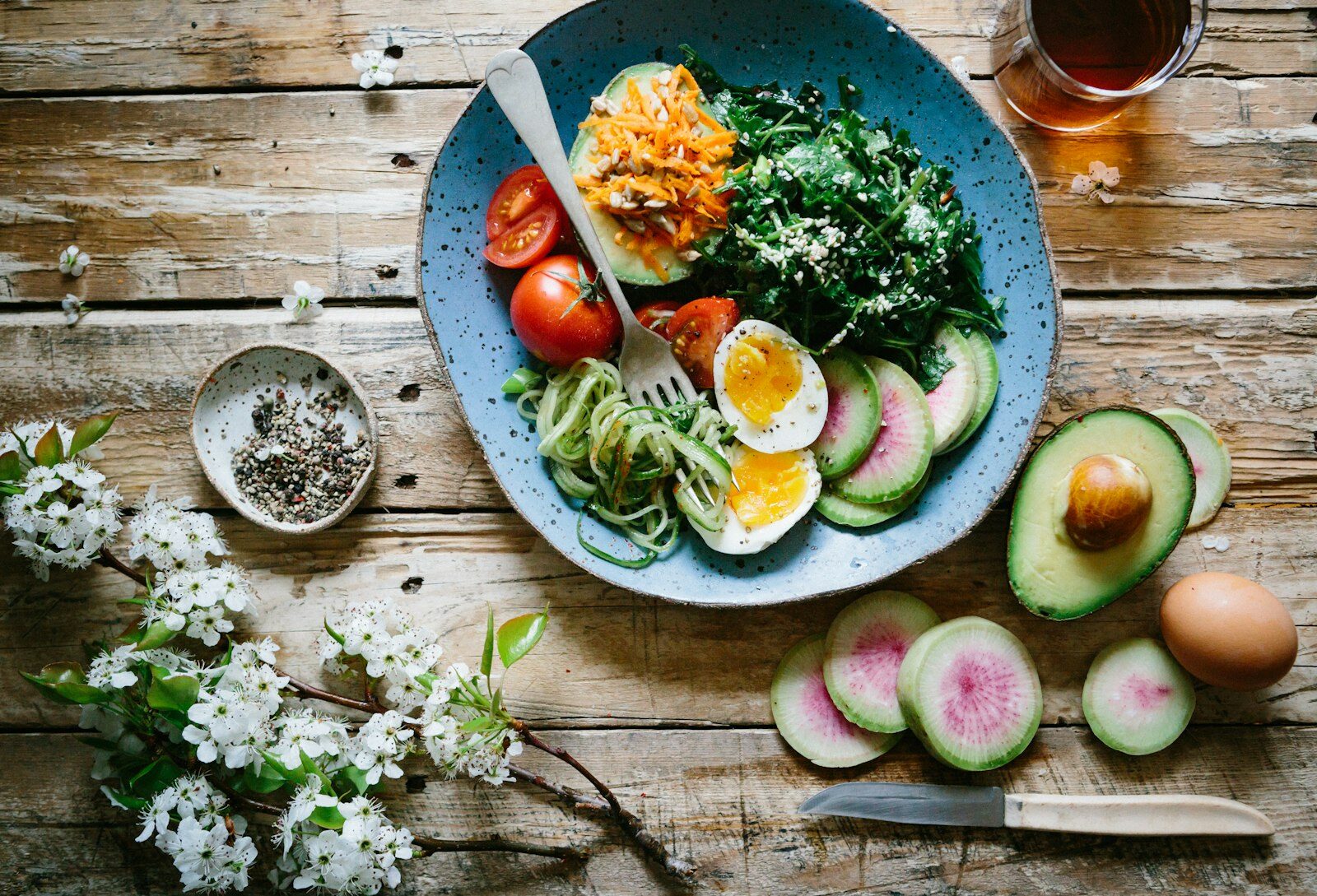
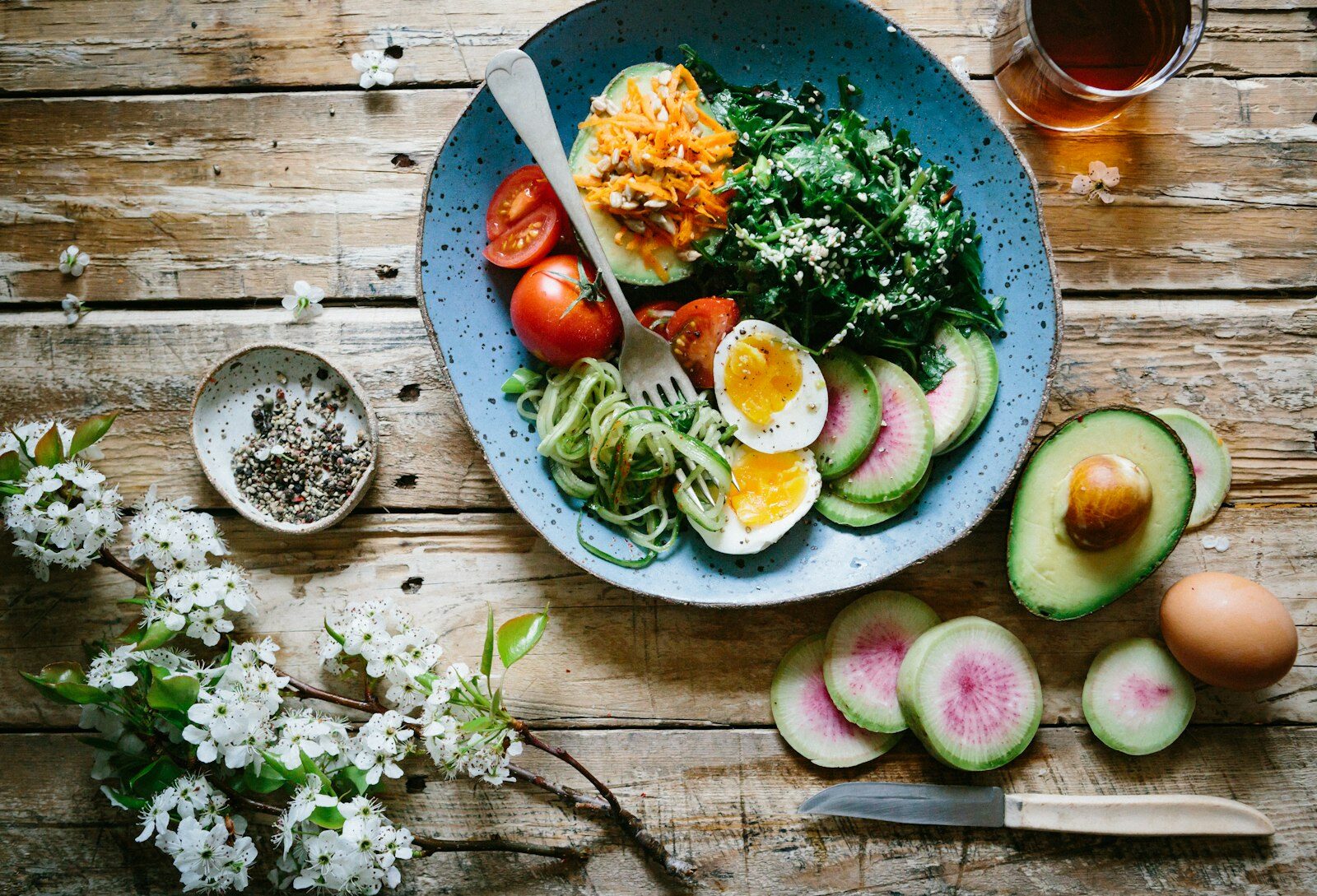
The flavor associated with the Fire element is bitter. Bitter foods have a natural cooling, draining, and drying effect on the body—they help clear excess Heat and dampness. This is the opposite of the sweet, rich, and greasy foods we often crave (think ice cream, barbecue, fried snacks) which can generate more internal Heat and dampness.
Your cooling food prescription:
- Bitter Melon (Ku Gua): The champion. Slice it, salt it for 10 minutes to draw out some bitterness, then stir-fry with garlic and a splash of soy sauce. Or, make a simple soup with it and soft tofu.
- Watermelon (Xi Gua): Not just for picnics! In TCM, watermelon is considered one of the most cooling fruits. Eat the red flesh, but also brew the white rind (cut into chunks, simmer 20 minutes) into a mild, cooling tea.
- Mung Bean Soup (Lü Dou Tang): A classic summer remedy across Asia. Simmer ½ cup of rinsed mung beans in 6 cups of water for 40 minutes until soft. Add a small rock sugar or a few slices of pear for sweetness. Drink it warm or at room temperature (avoid ice, which shocks the system).
- Chrysanthemum Tea (Ju Hua Cha): Brew 6-8 dried flowers in hot water for 5 minutes. Add goji berries (10-12) for a touch of sweetness and added Liver nourishment. Sip 2-3 cups daily.
- Leafy Greens: Bok choy, spinach, watercress, and lettuce are all cooling. Aim for at least two servings a day.
| Food/Drink | TCM Property | Action | How to Use Today |
|---|---|---|---|
| Bitter Melon | Bitter, Cold | Clears Heat, drains Fire | Salt & stir-fry ½ melon with garlic for dinner. |
| Watermelon | Sweet, Cold | Cools, generates fluids, quenches thirst | Eat 2 cups of flesh; save & boil the rind. |
| Mung Beans | Sweet, Cool | Clears Heat, detoxifies | Simmer ½ cup beans in 6 cups water for a cooling soup. |
| Chrysanthemum Tea | Sweet, Bitter, Cool | Clears Liver & Heart Heat | Brew 6-8 flowers; sip throughout the day. |
| Cucumber | Sweet, Cool | Clears Heat, relieves thirst | Eat raw, or blend with mint & lime for a cooling drink. |
2. Hydrate the Yin: Your Internal Air Conditioning
Dehydration is a major contributor to internal Heat. But drinking iced water all day can actually impair your digestion (your “Spleen Qi” in TCM terms) and isn’t the most efficient way to create lasting coolness. Think of it as putting ice cubes on a hot engine—it might provide temporary relief, but the engine itself is still overheated.
The goal is to nourish Yin fluids.
- Drink Room Temperature or Warm Fluids: This might sound counterintuitive, but it allows your body to absorb and utilize the fluids more effectively without taxing your digestive fire. Aim for at least 8 glasses (64 oz) of water daily, more if you’re sweating.
- Electrolyte Boost: When you sweat, you lose minerals. Add a pinch of high-quality sea salt (like pink Himalayan) and a squeeze of lemon or lime to your water bottle once a day.
- Herbal Hydration: Alternate plain water with Yin-nourishing brews. Barley tea (Mugicha) is a staple in Japan and Korea for summer—it’s roasted, nutty, and naturally cooling. Brew 2 tablespoons of roasted barley in 8 cups of water, simmer 20 minutes, strain, and chill.
3. Move to Release, Not to Rage
Intense exercise in extreme heat can be like throwing gasoline on a fire. It generates more internal Heat and depletes your Yin fluids further. The summer exercise mantra should be: gentle, mindful, and preferably done in the cool morning or evening.
Ideal Summer Practices:
- Swimming: The ultimate Yin exercise. Water is cooling, and the movement is fluid and low-impact. Aim for 20-30 minutes in a pool or calm lake.
- Evening Tai Chi or Qigong: These slow, flowing movements help circulate Qi and blood without generating excess heat. Find a 15-minute “Eight Brocades” (Ba Duan Jin) routine on YouTube to do in a shaded park at dusk.
- Gentle Yoga (Yin or Restorative): Focus on poses that open the heart and cool the body: Supported Fish Pose (with a block under your upper back), Legs-Up-The-Wall (Viparita Karani) for 5-10 minutes, and Child’s Pose (Balasana).
4. Adjust Your Environment: Simple Feng Shui for Summer
Your external environment directly influences your internal one. Create a personal oasis of cool.
- Color Therapy: Introduce blues, greens, and whites into your living and workspace. These are the colors of water and metal, which cool the Fire element. Swap out red or orange throw pillows for cool-toned ones.
- Scent Therapy: Use a diffuser with cooling essential oils. Peppermint (2 drops) and lavender (3 drops) is a classic cooling blend. You can also make a cooling room spray: in a 4oz spray bottle, mix 2oz witch hazel, 2oz distilled water, 10 drops peppermint oil, and 5 drops eucalyptus oil. Shake and mist your space.
- Sound Therapy: Listen to the sound of water—stream recordings, rainfall, or ocean waves. This directly soothes the Fire element through its corresponding sense (sound is associated with Water in TCM).
5. Cool the Mind: Practices to Settle the Shen
When the Heart is overheated, the mind races. You need practices that are inherently cooling and centering.
- The 4-7-8 Cooling Breath: This is your emergency brake for irritability. Inhale quietly through your nose for a count of 4. Hold your breath for a count of 7. Exhale completely through your mouth, making a whooshing sound, for a count of 8. Repeat 4 times. The long exhale activates your parasympathetic nervous system (the “rest and digest” mode), cooling you down physiologically.
- Lunar Visualization: Sit quietly for 5 minutes. Close your eyes and imagine a cool, full moon in the center of your chest, at your Heart center. With each inhale, see its silver, cooling light expand. With each exhale, release any red, hot agitation as smoke that dissolves. This directly nourishes Yin energy in the Heart.
- “Let It Go” Journaling: Write down every petty annoyance, every source of irritation, for 5 minutes without censorship. Then, physically rip up or burn the paper (safely). This is a tangible ritual of releasing the Fire emotion.
6. Time Your Day: The Summer Schedule
The ancient Chinese mapped the body’s energy cycles to the time of day. The Heart’s peak time is 11am to 1pm. This is when you are most susceptible to Heart Fire agitation. The Small Intestine (Heart’s partner organ) time is 1pm-3pm, when it’s supposed to “separate the pure from the impure” mentally and emotionally.
Your Summer Daily Rhythm:
- 6am-8am (Stomach Time): Eat a nourishing, easy-to-digest breakfast. Congee (rice porridge) with a few goji berries is perfect.
- 11am-1pm (Heart Time): Avoid major decisions, heated debates, or stressful work. Eat lunch, then take a 15-minute power nap or simply sit quietly with your eyes closed.
- 1pm-3pm (Small Intestine Time): Do light, routine tasks. This is a good time for organizing files, answering routine emails, or going for a gentle walk.
- 7pm onwards: Begin winding down. Avoid screens and bright lights. Take a cool (not cold) shower. Drink your chrysanthemum tea.
- 11pm-1am (Gallbladder Time): Be asleep before 11pm. This is when Yin energy is at its deepest, and you need to be resting to replenish it.
Common Questions About Summer Anger & Irritability
Is summer anger a real medical condition?
While “summer anger” isn’t a formal diagnosis in Western medicine, the connection between heat and increased irritability, aggression, and even violence is well-documented. Studies in environmental psychology show that uncomfortable heat increases hostile thoughts, feelings, and behaviors. In TCM, it’s understood as a specific seasonal pattern of imbalance called “Heart Fire Flaring Up.” So, yes, it’s a real physiological and psychological phenomenon.
I drink iced coffee all summer. Is that making it worse?
Very likely. Caffeine is a stimulant that can increase heart rate and nervous system activity, mimicking and exacerbating the “Heat” pattern. Iced drinks, as mentioned, can impair digestion and create “dampness,” which can trap heat inside. The combination is a double whammy for Heart Fire. Try switching to roasted barley tea, chrysanthemum tea, or at the very least, room temperature water. If you must have coffee, limit it to one small cup in the morning and follow it with plenty of plain water.
How long does it take for these cooling methods to work?
You might feel subtle shifts within a day or two—like a slight decrease in that buzzy, agitated feeling. However, rebalancing a seasonal pattern usually takes consistent effort over one to two full weeks. Think of it like cooling down an overheated car engine: you have to turn it off, add coolant, and let it sit. You can’t expect instant results after one glass of mung bean soup. Be patient and consistent. The goal is to help your body adapt to the season, not just fight a single symptom.
The bottom line: Summer anger isn’t a character flaw; it’s a signal from your body that it’s struggling to adapt to the season’s intense Yang energy. By consciously adopting cooling, Yin-nourishing habits—eating bitter and sweet foods like bitter melon and watermelon, hydrating with room-temperature fluids and herbal teas, moving gently, and practicing breathwork—you can transform that irritability into the joyful, flowing energy that summer is meant to embody. You’re not just cooling down; you’re learning to live in harmony with the rhythm of the year.
This article is for educational purposes and reflects traditional wellness perspectives. It is not a substitute for professional medical advice, diagnosis, or treatment.