There is a particular quality to summer that goes deeper than the warmth on our skin or the longer daylight hours. In Traditional Chinese Medicine (TCM), summer is not just a season; it is an expression of maximum Yang energy—a time of outward expansion, vibrant growth, and heightened emotional activity. It is the season of the Heart, the organ system that houses our Shen, or spirit. When this season’s energy is in balance, we feel joyful, connected, and socially open. When it is out of balance, the same heat that fuels our joy can scorch our peace, leading to anxiety, restlessness, insomnia, and irritability. Understanding the emotional power of summer through the lens of TCM allows us to work with the season’s energy, not against it, cultivating a profound sense of inner peace that can last long after the first leaves begin to turn.
- Understanding Summer in TCM: The Season of the Heart and Fire
- 1. Cooling the Heart Fire with Bitter Foods
- 2. Acupressure for Anxiety and Insomnia: The "Spirit Gate"
- 3. The "Six Healing Sounds" for Releasing Heart Heat
- 4. Aligning Your Sleep with the Summer Yin-Yang Cycle
- 5. Water Meditation: Connecting with the Ultimate Yin Element
- A Quick-Reference Guide: Summer Emotions & TCM Practices
Understanding Summer in TCM: The Season of the Heart and Fire
In the Five Element theory, which forms the backbone of TCM, summer corresponds to the Fire element. This is the most Yang of all energies, characterized by heat, activity, and expansion. The organ systems governed by the Fire element are the Heart (Yin organ) and the Small Intestine (Yang organ), along with the Pericardium and Triple Burner. The Heart is considered the “Emperor” of all organs, and its primary role is to house the Shen—the mind, consciousness, and spirit. A balanced Fire element manifests as a healthy sparkle in the eyes, a joyful disposition, clear thinking, and restful sleep. An imbalanced Fire element, often caused by the intense summer heat, can lead to what we call “Heart Fire” blazing upward. This is the root of many summer-specific emotional challenges: anxiety that feels like a fluttering in the chest, an inability to quiet the mind, irritability over small things, and a feeling of being “wired but tired.”
The emotion associated with the Heart is joy, but this is a double-edged sword. Excessive joy or overstimulation—think summer parties, packed social calendars, and constant sensory input—can actually scatter the Heart’s energy, leading to a lack of focus and inner restlessness. The key to a peaceful summer is to nourish Yin (the cool, calming, moistening energy) to counterbalance the blazing Yang heat, and to gently regulate the flow of Qi and blood to the Heart. The following five practices are designed to do exactly that, offering practical ways to harness the vibrant energy of summer for inner calm.
1. Cooling the Heart Fire with Bitter Foods
One of the most direct ways to influence our internal climate is through diet. TCM categorizes foods by their thermal nature and flavor. The bitter flavor has a special relationship with the Heart and Fire element. In moderation, bitter foods help to clear heat, dry dampness, and direct energy downward, counteracting the rising, expanding nature of summer heat. Think of it as a gentle internal rain shower that cools the landscape without extinguishing the sun.
Summer is the perfect time to incorporate naturally bitter foods into your meals. This doesn’t mean you need to choke down unpleasant tastes; many summer favorites carry this beneficial flavor. Key examples include:
- Dark Leafy Greens: Dandelion greens, kale, arugula, and romaine lettuce.
- Vegetables: Bitter melon (a powerful heat-clearing staple in Chinese cuisine), asparagus, celery, and cucumber (which also has a cooling nature).
- Beverages: Green tea (especially jasmine or chrysanthemum tea) and light roasted barley tea.
- Others: Dark chocolate (in moderation), citrus peel (zest), and radicchio.
The practice is simple: consciously add one or two bitter elements to your daily meals. Make a salad with a base of arugula and dandelion greens, add sliced cucumber to your water, or sip a cup of cooled chrysanthemum tea in the afternoon. The goal is not to overwhelm your palate but to introduce a subtle, cooling counterpoint to the season’s heat, helping to calm the Heart and clear mental fog.
2. Acupressure for Anxiety and Insomnia: The “Spirit Gate”
When summer heat disturbs the Shen, it often settles at specific acupuncture points that can be easily stimulated at home with acupressure. One of the most important points for calming the Heart and easing emotional distress is Heart 7, known as Shenmen, or “Spirit Gate.”
Location: On the inner wrist crease, on the radial side (the side closest to the thumb) of the tendon of the flexor carpi ulnaris muscle. If you make a fist and look at your wrist, it’s in the hollow just inside the tendon, level with the pinky finger.
How to Practice: Sit comfortably and rest your arm, palm facing up. Use the thumb of your opposite hand to apply firm, gentle pressure to the point. You are not trying to cause pain, but to feel a deep, dull ache or a sense of release. Hold this pressure for 2-3 minutes while taking slow, deep breaths. Imagine your breath flowing directly to that point, cooling and calming it. Do this on both wrists. You can perform this acupressure whenever you feel anxious, before bed to promote sleep, or as part of a daily mindfulness routine. For enhanced effect, combine it with a few drops of lavender or chamomile essential oil diluted in a carrier oil.
3. The “Six Healing Sounds” for Releasing Heart Heat
Ancient Taoist practices recognized that specific vocal sounds could resonate with and heal specific organs. For the Heart and its associated Pericardium, the healing sound is “Hawww” (sometimes written as “Ha”). This practice is a cornerstone of Medical Qigong for releasing trapped heat and emotional stagnation from the Heart system.
“When the Heart is at peace, the entire being rests in harmony. The sound ‘Hawww’ is the sigh of relief the Fire element has been waiting for.”
How to Practice: Find a quiet place, standing or sitting with a straight spine. Place your hands over your heart center. Inhale deeply through your nose, imagining you are drawing in cool, calming blue light. As you exhale slowly through your mouth, make the sound “Hawww,” visualizing any red-hot heat, anxiety, or frustration leaving your body as dark, sticky smoke or red light. Feel your hands become warm as you release this energy. Repeat 6-9 times. This practice is especially powerful when done in the early morning or evening, away from the midday heat.

4. Aligning Your Sleep with the Summer Yin-Yang Cycle
Summer’s long days and short nights can disrupt our natural circadian rhythms, leading to a common TCM pattern: Yin Deficiency with Empty Heat. The Yang energy stays active long into the evening, while the Yin (cooling, restorative) energy fails to rise and anchor us into sleep. This results in that frustrating “tired but wired” feeling, difficulty falling asleep, and restless dreaming.
The classical TCM text, the Huangdi Neijing (Yellow Emperor’s Classic), advises us to “go to bed late and rise early” in summer to align with the sun’s cycle. However, “late” in ancient terms meant around 10 or 11 PM, not midnight or later. The crucial practice is to honor the transition. Create a “Yin Hour” ritual beginning at least one hour before your target bedtime. This is non-negotiable for emotional peace.
Your Yin Hour Checklist:
- Dim the Lights: Signal to your body that the day’s Yang energy is waning. Use lamps instead of overhead lights.
- Disconnect: Turn off all screens. The blue light and mental stimulation are pure Yang/Fire energy.
- Engage in Cooling Activities: Take a lukewarm (not cold) shower or foot soak. Read a physical book. Practice gentle stretching or the acupressure from point #2.
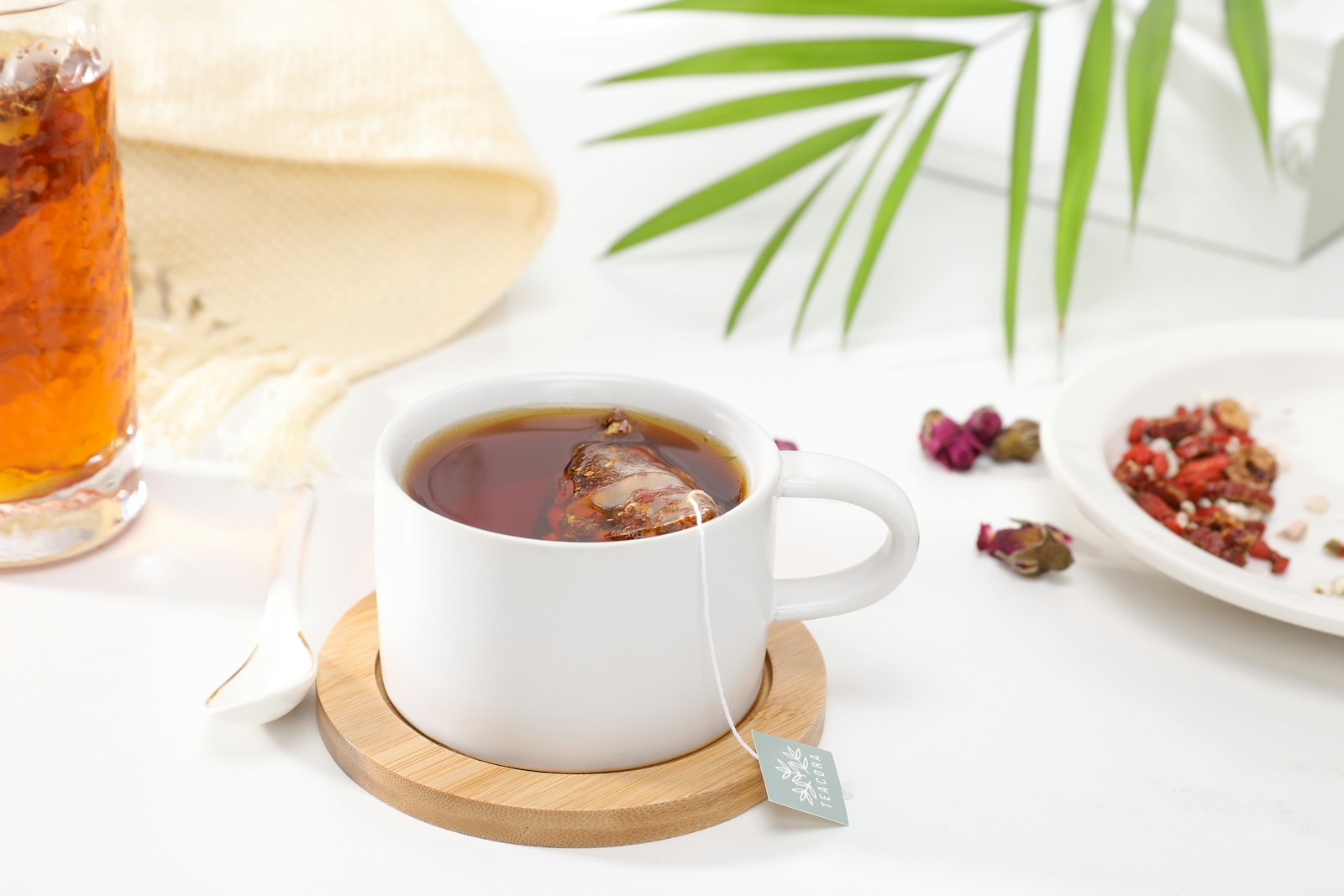
- Sip a Yin-Nourishing Tea: A cup of warm (not hot) tea made from chrysanthemum, goji berries, or mint can be wonderfully calming.
By consciously winding down, you help your Yin energy rise to meet and pacify the active Yang, guiding your Shen into a state of restful repose.
5. Water Meditation: Connecting with the Ultimate Yin Element
Water is the element of Winter and the Kidneys in TCM, the ultimate source of Yin energy. In the height of summer’s Yang, consciously connecting with the Water element is a powerful way to restore balance. This doesn’t require a trip to the ocean (though that’s wonderful if possible). It’s about cultivating the quality of water within your mind and body.
Practice: The Cooling Stream Visualization
Sit or lie down comfortably. Close your eyes and take several deep breaths. Bring your attention to the crown of your head. Imagine a gentle, cool stream of crystal-clear water beginning to flow from that point. Feel it trickle down through your brain, washing away any heated thoughts or worries. Let it flow down your neck and shoulders, releasing tension. Continue this stream flowing down your spine, your arms, your torso, your legs, and finally out through the soles of your feet, carrying all excess heat and emotional agitation with it into the earth. Spend 10-15 minutes in this visualization, especially on hot days or when feeling emotionally overheated.
Physically, you can support this by ensuring adequate hydration with room-temperature or slightly cool water (avoid ice-cold, which can shock the system). Incorporate water-rich foods like watermelon, pear, and mung bean soup, which are renowned in TCM for clearing summer heat.
A Quick-Reference Guide: Summer Emotions & TCM Practices
For easy reference, here is a summary of the key emotional signs and corresponding practices:
| Emotional Sign | Likely TCM Pattern | Primary Practice | Supporting Practice |
|---|---|---|---|
| Anxiety, palpitations, restlessness | Heart Fire, Shen disturbed | Heart 7 Acupressure | Bitter foods, “Hawww” sound |
| Irritability, short temper | Liver Qi Stagnation with Heat | “Hawww” sound, Water meditation | Cooling diet, Yin Hour ritual |
| Insomnia, vivid dreams | Yin Deficiency, Empty Heat | Yin Hour sleep ritual | Water meditation, acupressure |
| Mental fog, inability to focus | Heart Qi scattered, Dampness | Bitter foods to clear dampness | Morning acupressure, gentle movement |
| Overexcitement, social burnout | Excess Joy scatters Heart Qi | Water meditation, quiet time | Yin Hour ritual, grounding foods |
Common Questions
Can I practice these TCM techniques if I have no prior experience?
Absolutely. These practices are designed to be accessible and safe for beginners. Acupressure, dietary adjustments, and visualization are gentle entry points into TCM wellness. The key is consistency over intensity. Start with one practice that resonates with you, such as adding bitter greens to your lunch or trying the 5-minute Spirit Gate acupressure before bed, and observe how you feel. If you are pregnant, have a serious medical condition, or are on medication, it is always wise to consult with a qualified TCM practitioner or your doctor before making significant changes, especially with dietary adjustments.
Why does summer specifically cause anxiety in TCM, when it’s supposed to be the season of joy?
This is a beautiful example of TCM’s nuanced understanding. Joy, like all emotions, has a healthy and an excessive expression. In summer, the external heat acts as an amplifier. It fuels our Yang energy, which is wonderful for activity and social connection. However, if we don’t balance this with enough Yin (cool, calm, receptive energy), the Heart Fire becomes excessive. This excess heat agitates the Shen, leading to anxiety, insomnia, and restlessness. Think of it like a joyful party that gets too loud and crowded—the initial joy turns into overwhelm. The practices above are all about turning down the volume and adding cool, quiet spaces to balance the season’s exuberance.
How quickly can I expect to feel a difference from these practices?
Some effects, like the calming response from acupressure or the “Hawww” sound meditation, can be felt immediately—within minutes. Others, like the dietary shift to include more bitter foods, may take a few days to a week to show noticeable effects on your internal sense of coolness and calm. The sleep ritual, if practiced consistently, often improves sleep quality within the first few nights. Remember, TCM is a holistic system. For lasting change, these practices work best as part of a consistent lifestyle approach throughout the summer season, not just as one-time fixes. Be patient and kind with yourself as you learn to listen to your body’s seasonal rhythms.
The bottom line: Summer’s vibrant energy is a gift, but its intense heat can easily disturb our inner peace. By understanding that this season belongs to the Heart and Fire element, we can use simple, time-tested TCM practices—eating cooling bitter foods, stimulating calming acupressure points, releasing heat with healing sounds, honoring our sleep cycle, and connecting with the Water element—to transform potential anxiety into sustainable joy and tranquility. Work with the season, not against it, and you’ll find a deeper, more resilient peace.
This article shares traditional perspectives and personal experience for general interest. It is not professional advice — please use your own judgment and consult a qualified professional when needed.