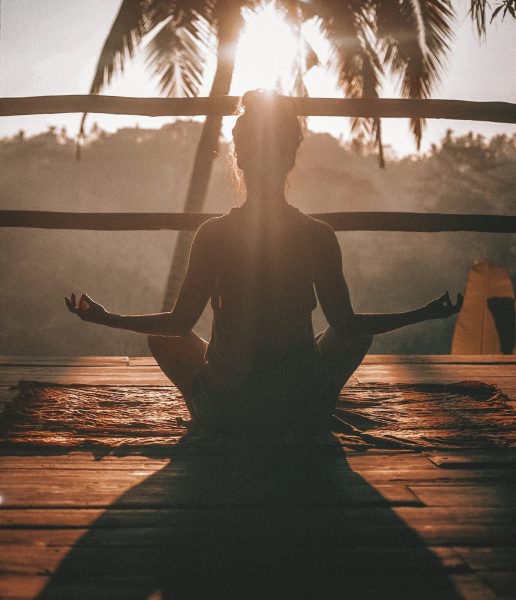
Summer is a season of vibrant energy, long days, and social gatherings. But when the sun lingers and the heat intensifies, it can also bring a sense of restlessness, irritability, and mental fatigue. The traditional Chinese concept of “shǔ rè” (暑热), or summer heat, isn’t just about physical discomfort—it’s understood to agitate the spirit, or “shén” (神), making it difficult to find inner calm. This is where a dedicated summer meditation practice becomes not just a luxury, but a vital tool for maintaining balance. By consciously cooling the mind, we can transform the challenging energy of summer into an opportunity for deeper mindfulness and restored vitality.
- Why Summer Disrupts Our Mental Equilibrium
- The Philosophy of Cooling: Yin within Yang
- Preparing Your Space and Body for a Summer Evening Meditation
- A Guided Summer Meditation Practice: The Cooling Stream Visualization
- Beyond Visualization: Integrating Cooling Practices into Your Day
- Comparing Cooling Meditation Techniques
Why Summer Disrupts Our Mental Equilibrium
From a wellness perspective, summer is associated with the Fire element in Traditional Chinese Medicine (TCM). Fire brings light, warmth, and joy, but in excess, it can also lead to overstimulation. You might notice it as a mind that races like a hummingbird, jumping from thought to thought without settling. Sleep can become lighter and more interrupted. Emotions may feel closer to the surface, tipping easily into frustration or anxiety. Physically, the heat can cause sweating, which in TCM is linked to the Heart system—the very seat of the shén. When we sweat excessively, we can deplete our fluids and disturb our spirit, leading to that feeling of being “wired but tired.”
Understanding this connection is the first step. A summer meditation practice isn’t about fighting the heat or wishing for winter. It’s about working with the season’s energy to cultivate a cool, clear, and spacious mind. It’s a practice of internal alchemy, turning the external fire into an internal fountain of tranquility.
The Philosophy of Cooling: Yin within Yang
A common misconception is that to cool down, we need to introduce an icy, aggressive force. In Chinese philosophy, balance is key. Summer is peak Yang—maximum light and activity. To counterbalance it, we don’t need to bring in a harsh, wintery Yin. Instead, we look for the Yin that already exists within the Yang. Think of the coolest part of a summer day: the deep shade under a large tree, the stillness of a pond at dawn, the quiet moment just after sunset. Our meditation aims to access that inherent, gentle coolness.
“In the midst of movement and chaos, keep stillness inside of you.” — Deepak Chopra
This quote perfectly captures the essence. The goal is not to stop the world around you, but to cultivate an inner sanctuary of calm that remains undisturbed by external heat or internal agitation. We are seeking the cool, deep earth beneath the sun-baked surface.
Preparing Your Space and Body for a Summer Evening Meditation
The environment you create is a powerful ally. A little preparation signals to your nervous system that it’s time to shift from doing to being.
- Timing is Everything: The ideal time is as the sun begins to set, typically between 7:00 PM and 9:00 PM. The day’s peak heat has passed, and the world naturally begins to quiet. This aligns with the TCM concept of the “cooling” hours.
- Location, Location, Location: Choose the coolest room in your home. If possible, practice outdoors in a shaded garden, on a patio, or on a balcony where you can feel the evening breeze. Being near water—a fountain, a small pond, or even a bowl of water with floating flowers—can be particularly soothing.
- Light and Sound: Dim the lights. If using candles, opt for unscented or light, cooling scents like mint, cucumber, or green tea. Minimize electronic noise. If you live in a noisy city, consider a white noise machine or an app that plays the gentle sounds of flowing water or evening rain.
- Clothing: Wear loose, breathable, natural fabrics like cotton or linen. Light colors, especially whites and pastels, are psychologically and traditionally associated with cooling.
- Hydration: Have a glass of room-temperature or slightly cool (not ice-cold) water nearby. Sipping it mindfully before you begin can help cool the body from within. In TCM, drinks that are too cold can shock the system and impair digestion.
A Guided Summer Meditation Practice: The Cooling Stream Visualization
This 20-minute practice is designed to be simple yet profound. It uses breath and visualization to guide your awareness toward a state of coolness and calm.
Step 1: Settling In (5 minutes)
Find a comfortable seated position or lie down. Close your eyes. Begin by simply observing your breath without changing it. Notice the rise and fall of your abdomen. Acknowledge any sensations of heat, restlessness, or scattered thoughts. Don’t judge them; just notice them as weather patterns passing through the sky of your awareness. Now, gently deepen your breath. Inhale slowly through your nose for a count of four, and exhale even more slowly through your mouth for a count of six. The longer exhale is key—it activates the parasympathetic nervous system, your body’s natural “cool-down” switch.
Step 2: The Cooling Stream (10 minutes)
Once your breath is steady, bring to mind the image of a cool, clear mountain stream. See the water flowing over smooth, grey stones. Hear the gentle, tinkling sound it makes. Imagine this stream is not outside you, but is flowing through the very center of your body, from the crown of your head down to the soles of your feet. With each inhale, visualize drawing the cool, refreshing energy of the stream upward from the earth, through your feet, and into your core. Feel it filling your torso with a pleasant, cool light. With each exhale, imagine any built-up heat, agitation, or fatigue as a dark, warm mist leaving your body with your breath, dissolving into the air. Continue this cycle. The stream is cleansing, cooling, and soothing every cell.
Step 3: The Lake of Stillness (5 minutes)
Now, allow the stream to flow into a vast, calm lake in the center of your chest—the area of your Heart in TCM. See the lake as perfectly still, like a mirror reflecting a twilight sky. Rest your awareness in this lake of stillness. If thoughts or emotions arise, see them as gentle ripples on the surface that soon smooth out. There is no need to follow them. You are the depth of the lake, still and cool beneath the surface. Simply be in this spacious, quiet coolness. When you feel ready, gently bring your awareness back to your breath, then to the room around you. Wiggle your fingers and toes, and slowly open your eyes.

Beyond Visualization: Integrating Cooling Practices into Your Day
A dedicated meditation is powerful, but the principles can be woven into your daily life to maintain equilibrium. Here are some simple, actionable practices:
- Mindful Hydration: Make drinking a glass of water a meditative act. Hold the glass, feel its temperature, and take slow, deliberate sips. With each swallow, imagine it cooling your internal landscape.
- The 60-Second Cool-Down: At your desk or in a moment of stress, place your palms on a cool surface (like a stone counter or a glass of water). Close your eyes and take three deep breaths, imagining the coolness seeping into your palms and traveling up your arms to your heart.
- Evening Foot Soak: This is a classic Chinese wellness practice. Soak your feet in a basin of warm (not hot) water infused with a few drops of peppermint essential oil for 15 minutes before bed. The feet are considered the roots of the body; cooling them helps draw heat down from the head, promoting peaceful sleep.
- Dietary Support: Incorporate naturally cooling foods into your evening meal. Think mung bean soup, cucumber salads, watermelon, mint tea, and pear. These foods help clear internal heat from a TCM perspective.
Comparing Cooling Meditation Techniques
Different methods resonate with different people. This table outlines a few popular techniques to help you find what suits you best.
| Technique | Best For | Core Method | Time Required |
|---|---|---|---|
| Cooling Stream Visualization | Visual learners, those feeling mentally “scattered” or overheated. | Guiding imagery of cool water flowing through the body. | 15-20 minutes |
| Extended Exhale Breathing | Quick stress relief, anyone feeling anxious or overwhelmed. | Inhale for 4 counts, exhale for 6-8 counts. Focus on the release. | 3-10 minutes |
| Body Scan for Heat Release | Physical tension, people who hold stress in their muscles. | Systematically scanning the body and imagining heat dissolving from each area. | 10-15 minutes |
| Mantra Practice (e.g., “Shhh…”) | Those who find silence challenging, auditory processors. | Repeating a soft, sibilant sound that mimics a cooling breeze. | 5-15 minutes |
Common Questions
Is it okay to meditate with a fan or air conditioner on?
Absolutely. The goal is comfort and focus, not endurance. If the ambient heat is so high that it becomes a distraction or causes physical distress, use your cooling systems. The key is to use them mindfully. Set the fan to a gentle, oscillating mode rather than a direct blast, or set the air conditioner to a comfortable, not frigid, temperature. The sound of a fan can even become a form of white noise to aid concentration. The practice is about working with your environment to find inner balance, not denying it.
I’m new to meditation. Is a summer-specific practice too advanced for me?
Not at all. In fact, starting with a seasonal practice can be a wonderful entry point because it gives you a clear, tangible focus—the sensation of cooling. Beginners often find visualization techniques more engaging than trying to “empty the mind.” The Cooling Stream visualization is a guided journey, which can be easier to follow than silent, open-ended meditation. Start with just 5-10 minutes of the breathing and visualization steps. The most important thing is consistency, not duration.
Can this type of meditation help with summer insomnia?
Yes, it can be very helpful. Summer insomnia is often linked to a “restless Heart” in TCM—the overstimulation from the Fire element disrupting your shén (spirit). The evening meditation practice described here is specifically designed to calm the shén and draw heat downward. The extended exhale breathing and the Lake of Stillness visualization are particularly effective for quieting a racing mind at bedtime. Combining this with the foot soak practice mentioned earlier creates a powerful pre-sleep ritual that signals to your entire being that it’s time to cool down and rest.
The bottom line: A summer meditation practice is a beautiful act of self-care that aligns you with the rhythms of the season. By intentionally cultivating coolness and stillness through breath, visualization, and mindful habits, you can navigate the heat with greater ease, clarity, and peace. It transforms the challenge of summer into a profound opportunity for inner growth and tranquility.
This article is for educational purposes and reflects traditional wellness perspectives. It is not a substitute for professional medical advice, diagnosis, or treatment.