There’s a particular kind of heat that sinks into your bones during the summer months. It’s not just about the sun on your shoulders or the sweat on your forehead—it’s a feeling that bubbles up from somewhere deep inside, a simmering impatience that can snap into a sharp word before you even realize what’s happening. You might find yourself in a minor traffic jam, and suddenly, your pulse is pounding, your jaw is clenched, and you’re wondering, Why am I so angry right now? If this sounds familiar, you’re not alone. In Traditional Chinese Medicine (TCM), this phenomenon isn’t a personal failing; it’s a predictable, physiological response to the season’s energy. Understanding the connection between summer heat and anger is the first step toward finding your cool again. This guide will explore the ancient wisdom of TCM to explain why your temper might be shorter in the summer and, more importantly, offer three practical, calming fixes to restore your inner balance.
The TCM Connection: Fire, The Heart, and The Season
To understand summer anger through the lens of TCM, we need to start with the Five Element theory, a foundational framework that maps the relationships between nature’s seasons, our internal organs, and our emotional states. Each season is associated with an element, and summer belongs to the Fire element. The Fire element, in turn, governs the Heart and the Small Intestine in TCM physiology.
Now, here’s where it gets interesting for our emotions. The Heart is considered the “Emperor” of all organs. It houses what TCM calls the Shen, which can be loosely translated as our spirit, mind, or consciousness. The Shen is responsible for our mental clarity, our sense of joy, and our ability to connect with others. When the Heart is balanced and the Shen is calm, we feel joyful, peaceful, and socially engaged. But when the Fire element becomes excessive—often due to the external heat of the season—the Heart becomes “overheated.”
An overheated Heart doesn’t necessarily manifest as pure, blissful joy. Instead, the excess heat agitates the Shen. Think of it like a pot of water on a stove. A gentle simmer is fine, but when the heat is cranked up, the water boils over violently. This internal “boiling over” is what we experience as irritability, anxiety, restlessness, and, crucially, anger. While anger is most directly linked to the Liver in TCM, the Heart’s fire can easily “feed” the Liver’s energy, causing it to flare up. The Liver is responsible for the smooth flow of Qi (energy) throughout the body. When it becomes overheated by the Heart’s fire, its function is disrupted, and that smooth flow turns into a chaotic, upward surge of frustrated energy—what we recognize as a short temper or a sudden outburst. So, your summer anger isn’t just “in your head”; it’s a sign that your internal ecosystem is reacting to the external environment.
Signs Your Inner Fire Is Burning Too Bright
How do you know if your summer mood is a simple case of being hot and bothered, versus a deeper imbalance according to TCM? While occasional frustration is human, a pattern of the following symptoms during the summer months suggests your Fire element might be in overdrive. Pay attention to these signals your body and mind are sending you.
- Emotional & Mental Signs: Persistent irritability over small things. A feeling of being “wired but tired”—agitated yet exhausted. Difficulty falling asleep because your mind won’t shut off. Increased anxiety or a sense of dread. Finding it hard to feel genuine joy or connection, even in pleasant situations.
- Physical Signs: Waking up frequently between 1-3 AM (the time of the Liver in TCM’s organ clock). Excessive sweating, especially at night. A flushed face or feeling of heat in your chest. Mouth ulcers or a sore, red tongue tip (the tongue tip reflects the Heart). Heart palpitations or a feeling of unease in your chest.
- Behavioral Signs: Snapping at loved ones over minor issues. Impatience in traffic, in lines, or during conversations. A tendency to interrupt others. Restlessness and an inability to relax or sit still.
Recognizing these patterns is not about self-diagnosis or judgment. It’s about gathering information. When you can name what’s happening, you take the first step in regaining control. You shift from being a passenger on an emotional rollercoaster to being an observer who can gently apply the brakes.
Modern Science Meets Ancient Wisdom: The Heat-Anger Link
The idea that heat affects our mood isn’t just an ancient belief; modern science provides compelling evidence for this connection. Researchers have found a clear link between higher ambient temperatures and increased aggression, hostility, and even violent crime rates. But what’s happening biologically?
When your body is hot, it works hard to cool down. This process involves diverting blood flow to the skin, increasing your heart rate, and triggering sweating. This puts a strain on your cardiovascular system and can lead to mild dehydration. Your brain, which is highly sensitive to changes in temperature and hydration, may interpret this physiological stress as a threat or a source of discomfort. This can lower your threshold for frustration and impair the prefrontal cortex—the part of your brain responsible for impulse control and rational decision-making.
In essence, your brain is working harder just to keep your body cool, leaving fewer cognitive resources for patience and emotional regulation. This aligns beautifully with the TCM concept of external heat agitating the internal system. The “agitation” is your nervous system on high alert. The “flaring up” of anger is the result of your diminished capacity for impulse control. TCM simply provides a more poetic and holistic framework for understanding this phenomenon, connecting it directly to the season and offering solutions that address the whole person—not just the symptom.
Three Calming Fixes to Cool Your Summer Temper
Now for the practical part. The goal isn’t to fight the summer heat—that’s a losing battle. Instead, TCM teaches us to harmonize with the season. The strategy is twofold: cool and calm the excess Fire, and nourish the Yin (cooling, moistening) energy that the heat depletes. Here are three actionable fixes you can start using today.
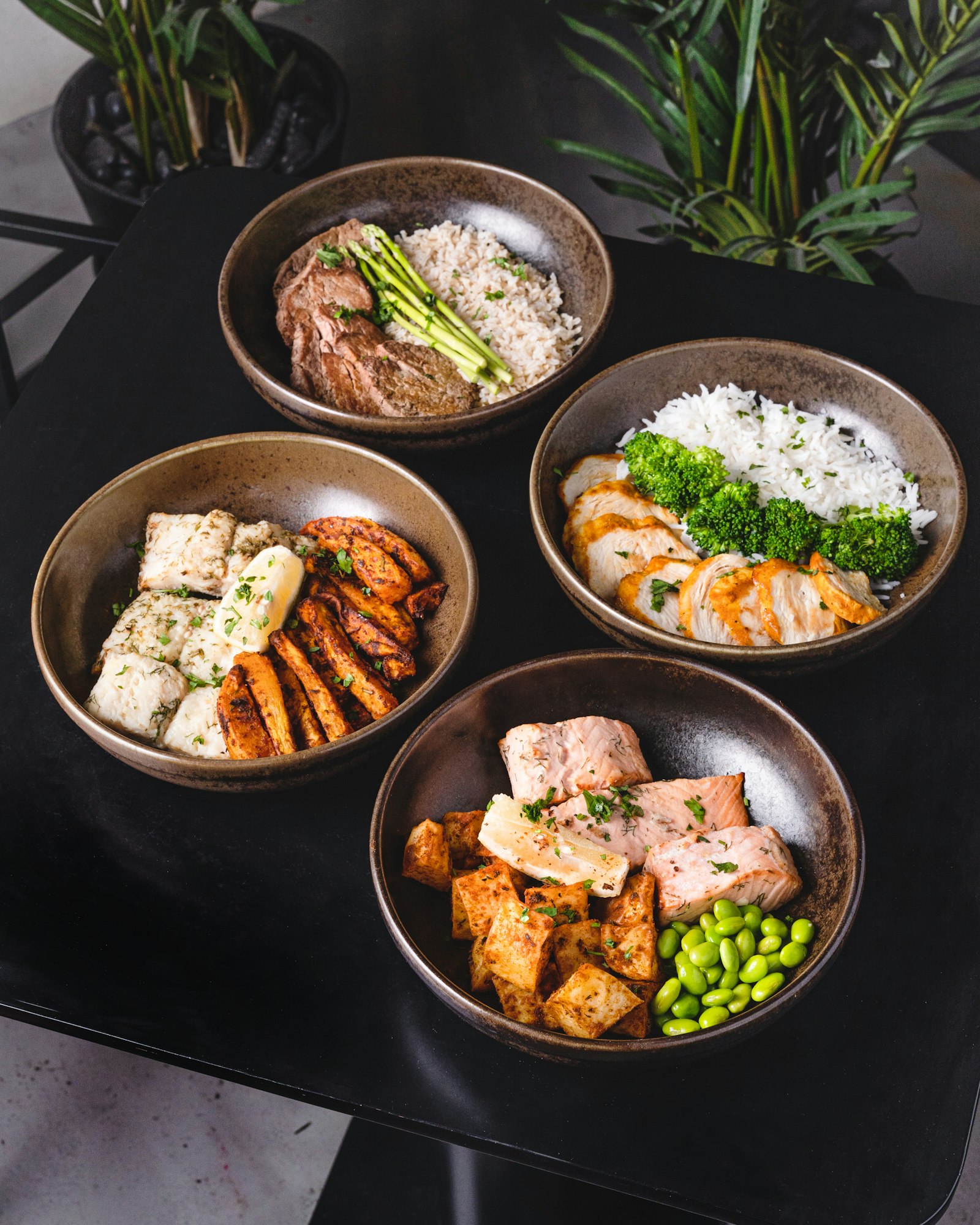
Fix #1: The Cooling Diet — Eat Your Way to Calm
In TCM, food is medicine. What you eat can either fan the flames or help extinguish them. The key in summer is to favor foods with a naturally cooling thermal nature and those that have a bitter flavor. The bitter flavor is specifically associated with the Fire element and helps to drain excess heat from the Heart.
Think of your diet as a thermostat for your internal climate. You want to turn it down, but not blast it with arctic air (which can damage digestion). Here is a simple guide to help you choose your foods wisely this season:
| Food Category | Cooling Choices | Warming Choices (Limit These) |
|---|---|---|
| Fruits | Watermelon, cucumber, pear, strawberry, grapefruit, citrus | Mango, cherry, peach, lychee |
| Vegetables | Bitter melon, celery, lettuce, summer squash, mung bean sprouts, lotus root | Garlic, ginger, onion, chili pepper, leek |
| Proteins | Freshwater fish (like perch), tofu, duck, egg white | Lamb, beef, shrimp, chicken (in large amounts) |
| Grains & Legumes | Mung beans (a TCM superstar for clearing heat), barley, wheat, millet | Oats, quinoa, brown rice (neutral, okay in moderation) |
| Herbs & Drinks | Chrysanthemum tea, peppermint tea, green tea, lemon water | Coffee, black tea, alcohol, spicy soups |
A special TCM tip: Mung bean soup (lǜ dòu tāng) is a classic summer remedy in China. It’s incredibly effective at clearing heat and detoxifying the body. Simply simmer a cup of mung beans in 8 cups of water for about an hour until soft. You can add a touch of rock sugar if you like. Drink it lukewarm, not ice cold, to protect your digestion.
Fix #2: The Acupressure Brake — Press These Points for Instant Calm
When you feel that familiar wave of heat and anger rising, you can use acupressure as an immediate tool to intervene. These points act like release valves for the excess heat and stagnant Qi. You don’t need any special tools—just your fingers.
Point 1: Heart 7 (Shenmen) — “The Spirit Gate”
Location: On the wrist crease, in the small depression on the pinky-side of the tendon. (Make a loose fist, and you’ll see the tendons pop up; the point is just inside the one closest to your pinky).
How to press: Use the thumb of your opposite hand to apply firm, gentle pressure. Hold for 1-2 minutes while taking slow, deep breaths. You should feel a mild ache or tingling. This point directly calms the Heart and settles the Shen, making it perfect for anxiety-induced anger.
Point 2: Liver 3 (Taichong) — “The Great Surge”
Location: On the top of your foot, in the depression where the bones of your big toe and second toe meet. Slide your finger up about two finger-widths from the webbing.
How to press: This is one of the most powerful points for moving stagnant Liver Qi and calming anger. Press firmly and massage in a circular motion. It may be quite tender, which is a sign you’ve hit the right spot. Do this for 2 minutes on each foot.
“In TCM, we say that anger makes the Qi rise. You can feel it in your face getting hot, your temples pounding. Pressing Liver 3 helps that rebellious energy descend and flow smoothly again.”
Point 3: Pericardium 6 (Neiguan) — “The Inner Gate”
Location: On your inner forearm, about three finger-widths up from your wrist crease, between the two tendons.
How to press: This point is famous for calming the chest and relieving anxiety. It helps regulate the Heart and ease the feeling of being overwhelmed. Press and hold for 2 minutes on each arm.
Fix #3: The Evening Unwind — Cool Your System Before Bed
Summer days are long and active, but your evenings should be a deliberate practice of winding down. This is critical because a restless night leads to a more irritable, heat-sensitive day. The goal is to transition your body from the Yang (active, hot) energy of the day to the Yin (cool, restful) energy of the night.
- Cool Your Feet: Before bed, soak your feet in a basin of cool (not freezing) water for 10-15 minutes. In TCM, the feet are a major exit point for heat. This simple practice draws heat downward and out of your body, preparing you for sleep.
- Embrace the 10 PM Bedtime: According to the TCM organ clock, 11 PM to 1 AM is the time of the Gallbladder, and 1 AM to 3 AM is the time of the Liver. These organs are responsible for planning and decision-making, and anger is their emotional imbalance. Being asleep before 11 PM allows these organs to rest and regenerate, directly preventing the Liver Qi stagnation that fuels anger.
- Practice “Heart-Breathing”: Lie in bed and place one hand on your heart. Breathe slowly and deeply, imagining that you are sending cool, blue light into your Heart with each inhale. With each exhale, visualize the red heat of frustration leaving your body as a wisp of smoke. This simple visualization, combined with deep breathing, activates your parasympathetic nervous system, telling your body it’s safe to calm down.
Lifestyle Adjustments for a Cooler Summer
Beyond diet and acupressure, small shifts in your daily routine can make a significant difference. Think of these as creating a supportive environment for your internal thermostat.
Mind Your Movement: Intense, high-impact exercise in the midday sun is like throwing gasoline on the Fire. Shift your workouts to the cooler hours of early morning or evening. Opt for more Yin-nourishing activities like swimming, gentle yoga, Tai Chi, or a walk in nature near water. The water element (which includes oceans, lakes, and rivers) is the natural counterbalance to Fire.
Dress the Part: Wear loose, breathable clothing made from natural fibers like cotton, linen, or bamboo. Lighter colors—whites, blues, greens—reflect sunlight and heat, while darker colors absorb it. This isn’t just fashion advice; it’s a practical way to reduce the external heat load on your body.
Curate Your Environment: Keep your living and working spaces as cool and clutter-free as possible. Clutter is a form of visual and mental “heat” that can agitate the Shen. Use fans to keep air circulating. If you use air conditioning, avoid setting it to an arctic temperature—the goal is comfort, not a shock to your system. A slight breeze from a fan can be more soothing than a blast of cold air.
Common Questions
Q: I drink iced coffee all summer. Is that bad?
A: From a TCM perspective, it’s counterproductive. While the initial cold shock might feel refreshing, iced beverages constrict the stomach and spleen, impairing your digestive system (your “central heater”). To compensate for this internal cold, your body may actually generate more internal heat over time. Furthermore, coffee itself is a warming stimulant that can agitate the Heart and Liver. You’re essentially putting ice on the outside while stoking a fire on the inside. Try switching to room-temperature water or cooling peppermint or chrysanthemum tea for a more sustainable cool-down.
Q: Is summer anger the same as “heat rage”?
A: Yes, they are very much connected. “Heat rage” is the modern, colloquial term for the phenomenon TCM has described for centuries. The science is clear: heat increases physiological stress and lowers our frustration threshold. TCM simply adds a deeper layer of explanation by linking it to the season’s element, the specific organs involved (Heart and Liver), and the concept of Qi and Shen. The remedies—staying hydrated, cooling down, and managing stress—are universal, but TCM offers more specific tools (like diet and acupressure) to address the root imbalance.
Q: Can this summer anger pattern affect my relationships?
A: Absolutely. When the Heart is agitated and the Liver Qi is stagnant, it becomes difficult to communicate with patience and empathy. You may find yourself being more critical, less forgiving, and quicker to take offense. This can create a cycle of conflict. By proactively using the calming fixes outlined above, you’re not just managing your own mood—you’re actively nurturing a more peaceful and connected environment for everyone around you. Communicate with your loved ones about what you’re experiencing; simply saying, “The heat is really getting to me today, I might need a minute,” can prevent a lot of misunderstandings.
The bottom line: Your summer anger is not a character flaw—it’s a natural, physiological response to the season’s heat, deeply understood by Traditional Chinese Medicine. By cooling your diet with bitter and yin-nourishing foods, using acupressure to release trapped heat and Qi, and consciously winding down your evenings, you can work with the energy of the season rather than against it. Embrace these practices not as chores, but as acts of profound self-care that restore your inner peace, allowing you to truly enjoy the brightness and vitality that summer has to offer.
This article is for educational purposes and reflects traditional wellness perspectives. It is not a substitute for professional medical advice, diagnosis, or treatment.