Summer evenings have a particular quality, don’t they? The heat of the day finally begins to soften, the light turns golden, and there’s a gentle invitation to slow down. Yet, for many of us, this is when the mental to-do list kicks into high gear, or the lingering energy of the day keeps us buzzing long after we’ve hoped to unwind. Growing up in a Chinese household, the transition from day to night wasn’t just about switching off the lights—it was a conscious, quiet ceremony. My grandmother would say, “Honor the evening, and the morning will honor you.” This simple wisdom is the heart of a summer evening ritual: a deliberate practice to signal to your body and mind that the active day is complete, and the restorative night is beginning. It’s not about adding another chore to your list; it’s about gifting yourself a few minutes of peace that pay dividends in sleep quality and next-day clarity.
Why a Summer Evening Ritual Matters More Than You Think
You might wonder why summer, of all seasons, calls for a special evening practice. In Traditional Chinese Medicine (TCM), summer is the season of maximum Yang energy—it’s vibrant, expansive, and outward-facing, much like the long, sun-filled days. This is wonderful for activity and growth, but it can easily lead to an overstimulation of what TCM calls “Heart Fire.” The Heart, in this system, is considered the emperor of the body, housing our spirit (Shen). When it’s overheated by summer’s intensity, we experience restlessness, anxiety, poor sleep, and a mind that simply won’t switch off.
The goal of a summer evening ritual, then, is to gently cultivate Yin energy. Yin is the cool, quiet, receptive, and inward energy that balances the day’s Yang. Think of it as turning down the internal thermostat. This isn’t just metaphorical; it has physiological parallels. A consistent pre-sleep routine lowers cortisol, regulates your circadian rhythm, and activates the parasympathetic nervous system—your body’s “rest and digest” mode. The ritual becomes a bridge between the high-energy world and the sanctuary of sleep.
“The evening is a time to collect the scattered pearls of your day and put them gently away, not to keep them clattering in your pocket.”
Step 1: The Cooling Transition (6:30 PM – 7:00 PM)
The first step is the most practical and, perhaps, the most powerful. It’s about creating a clear physical and energetic boundary between “work time” and “rest time.” In my home, this was signaled by a simple act: changing clothes. My father would come home from his workshop and immediately change into soft, loose cotton trousers and a t-shirt—a uniform for the evening. This wasn’t just about comfort; it was a tactile cue to his nervous system that the day’s labor was done.
Your version doesn’t need to be complicated. The key is consistency.
- The 60-Second Cool-Down: As soon as you decide your work or active chores are done, splash your face and wrists with cool (not ice-cold) water. This mimics the cooling effect of a summer rain and helps lower your skin temperature, a key signal for sleep onset.
- Change Your Armor: Put on dedicated “evening clothes.” Choose natural, breathable fabrics like cotton, linen, or bamboo. The physical sensation of soft, loose clothing tells your body it can let its guard down.
- The Digital Sunset: At this time, put your phone on its charging station outside your bedroom. If you must use it, switch it to “Do Not Disturb” and use a blue light filter. This is your first step in dimming the mental lights.
Step 2: The Nourishing Cool-Down (7:00 PM – 7:30 PM)
Summer eating should be light and cooling. A heavy meal late at night forces your digestive system to work overtime, generating internal heat and disrupting sleep. Think of your digestive fire as a campfire—it needs kindling, not a damp log, in the evening. My grandmother’s summer dinner often featured a simple bowl of congee (rice porridge) with a side of blanched, cooling vegetables like cucumber or bitter melon.
Focus on foods that are energetically cooling and easy to digest. Here’s a quick guide:
| Food Category | Cooling Summer Choices | Avoid (Energetically Warming) |
|---|---|---|
| Vegetables | Cucumber, celery, bok choy, lettuce, summer squash, zucchini, bitter melon | Garlic, onions, ginger (in large amounts), lamb, chives |
| Fruits | Watermelon, honeydew, pear, apple, citrus, berries | Durian, cherry, lychee, mango (in excess) |
| Proteins | Fish (especially white fish), tofu, mung beans, duck | Red meat (beef, lamb), chicken (in large amounts) |
| Grains | Rice (especially white), barley, wheat, mung bean noodles | Oats, corn (in large amounts) |
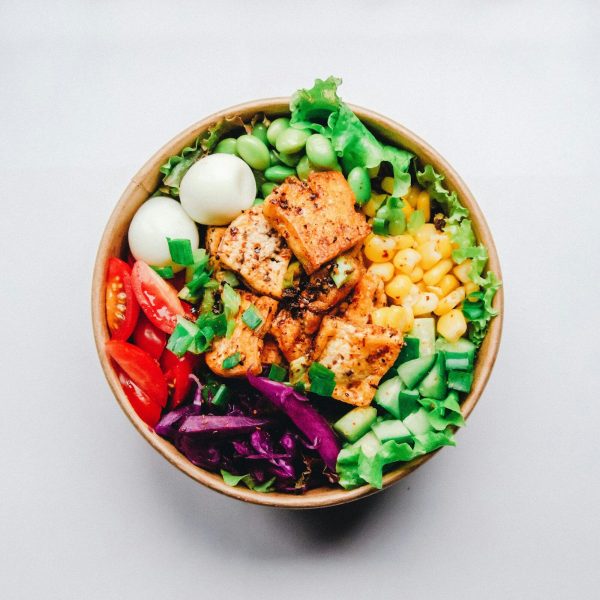
Actionable Tip: Make a “Summer Evening Bowl.” Use a base of ½ cup of cooked white rice or quinoa. Top with a piece of steamed or baked white fish (like cod or sole), a large handful of raw cucumber slices, a few shreds of carrot, and a dressing of 1 tsp sesame oil, 1 tsp rice vinegar, and a splash of tamari. It’s cooling, nourishing, and takes 15 minutes to assemble.
Step 3: The Gentle Unwinding (7:30 PM – 8:15 PM)
This is where we actively cultivate Yin. The activity should be passive, gentle, and inward-focused. Avoid vigorous exercise, intense TV shows, or stressful conversations. The goal is to slow your mind’s RPMs.
 herbal tea, embodying a summer evening ritual of calm.”/>
Choose one or two of these:
- The “Barefoot Earth” Practice: If you have a garden, lawn, or even a safe patch of earth, stand barefoot on it for 5-10 minutes. This practice, called “earthing” or “grounding,” is believed to help discharge excess Yang energy and connect you to the Earth’s stabilizing Yin. Feel the coolness of the grass or soil.
- Qi Gong “Shaking the Tree”: Stand with feet shoulder-width apart, knees slightly bent. Let your arms hang loosely. Begin gently bouncing on your heels, letting your whole body shake and jiggle like a leaf in the breeze. Do this for 2-3 minutes. It releases physical tension and stagnation that builds up from sitting or stress.
- Read a Physical Book: Choose something light—a novel, poetry, a magazine. Avoid screens and work-related material. The act of reading physical pages is inherently slower and more meditative than scrolling.
Step 4: The Cleansing Soak (8:15 PM – 8:45 PM)
Water is the ultimate Yin element—cool, flowing, and cleansing. A shower or bath isn’t just for hygiene; it’s a symbolic washing away of the day. In the heat of summer, a lukewarm or cool shower is far more beneficial than a hot one, which can be too stimulating. My aunt used to add a handful of chrysanthemum flowers or mint leaves to a basin of water for a final rinse, a practice believed to clear “heat toxins” from the skin.
The 15-Minute Yin Bath or Shower:
- Temperature: Lukewarm to cool. If taking a bath, aim for water that feels refreshing, not relaxing in a hot-tub way.
- Add a Soothing Agent: For a bath, add 1 cup of colloidal oatmeal (soothes skin) and 5-7 drops of lavender or chamomile essential oil mixed with a carrier oil (like jojoba). For a shower, use a lavender or peppermint body wash.
- Focus on the Sensation: As the water flows over you, consciously imagine it carrying away the dust, stress, and mental chatter of the day. Visualize it going down the drain.
Step 5: The Final Stillness (8:45 PM – 9:00 PM)
This last 15 minutes is the cornerstone of the ritual. It’s your “white space” before sleep. The environment should be cool, dark, and quiet. Your bed should feel like a sanctuary.
The “Three-Breath” Tea Ritual:
Make a simple, cooling herbal tea. Steep 1 tsp of dried chrysanthemum flowers and 3 goji berries in hot water for 5 minutes. Chrysanthemum is a star herb in TCM for clearing Liver and Heart heat, perfect for summer agitation. Goji berries nourish Yin and calm the spirit.
Hold the warm cup. Before you drink, take three slow, deep breaths. With the first inhale, breathe in the gentle floral aroma. With the exhale, release a specific worry or thought from the day. Repeat for the second and third breaths. Then, sip the tea slowly, without distraction. This is not about hydration; it’s a mindfulness practice in a cup.
The 5-Minute “Body Scan” in Bed:
Lie on your back. Close your eyes. Starting from the crown of your head, mentally scan down through your body. Don’t try to change anything, just notice. Acknowledge your forehead, your jaw (let it slacken), your shoulders (let them drop away from your ears), your belly (let it be soft), your legs, your feet. Spend about 10 seconds on each area. This practice quiets the mind by giving it a simple, physical task. By the time you reach your toes, you’ll often find you’ve already drifted into the first stage of sleep.
Common Questions
What if I get home late and can’t start the ritual at 6:30 PM?
The times are a guide, not a rigid schedule. The essence is the sequence, not the clock. If you get home at 8:30 PM, you can compress the steps. The “Cooling Transition” (Step 1) becomes a 2-minute act: change clothes, splash water, put phone away. Skip the elaborate dinner and have a small, cooling snack like a few slices of pear. Then move directly to a quick 5-minute shower (Step 4) and the final “Three-Breath” tea and body scan (Step 5). Even 20 minutes of this intentional wind-down is better than none.
I don’t have a bathtub. Can I still do Step 4?
Absolutely. A shower is equally effective. The key is the mindful, cleansing intention. You can enhance it by placing a few drops of lavender or eucalyptus essential oil on a washcloth and letting the steam diffuse it. Or, simply focus intensely on the sensation of the water on your skin, treating it as a flowing, cleansing meditation.
Is this ritual only for summer? What about other seasons?
This specific ritual is tailored for summer’s unique challenges of heat and overstimulation. The principle of a consistent evening wind-down is universal, but the details should change with the seasons. In autumn, you might focus more on moistening foods and gentle stretching. In winter, a warming foot soak and earlier bedtime are key. In spring, a more active detoxifying practice like dry brushing might be incorporated. The ritual is a living practice, adapting to nature’s rhythms.
The bottom line: A summer evening ritual is your personal antidote to the season’s fiery Yang energy. By consciously guiding yourself through five simple steps—Cooling Transition, Nourishing Cool-Down, Gentle Unwinding, Cleansing Soak, and Final Stillness—you build a reliable bridge from the day’s activity to the night’s deep rest. It’s a practical form of self-respect, a way to honor the natural rhythm of your body and the season, ensuring you wake up refreshed and clear, ready to enjoy the summer’s light without being burned by its heat.
This article is for educational purposes and reflects traditional wellness perspectives. It is not a substitute for professional medical advice, diagnosis, or treatment.