The long, languid days of summer are often painted as a time of pure joy—bare feet in the grass, laughter under a setting sun, and the sweet taste of watermelon. Yet, for many, the rising thermometer brings a less welcome companion: a buzzing, restless anxiety. You might find yourself feeling irritable, overwhelmed, or strangely on edge, even during what’s supposed to be a season of relaxation. If this sounds familiar, you’re not alone, and the answer might lie in an ancient medical system that has understood this connection for millennia: Traditional Chinese Medicine (TCM). Let’s explore why summer heat and anxiety are so deeply linked through the lens of TCM, and what you can do to find your cool, calm center again.
- The TCM Framework: Understanding Heat, Fire, and the Heart
- Signs Your Heart Fire is Flaring Up
- Cooling the Fire: Dietary Wisdom for Summer Anxiety
- Lifestyle Rhythms: Syncing with the Summer Sun
- Calming Practices: Acupressure, Herbs, and Mindful Movement
- The Emotional Root: Managing Joy and Overstimulation
The TCM Framework: Understanding Heat, Fire, and the Heart
Unlike modern medicine, which might see anxiety as a purely psychological phenomenon, TCM views it as a physical and energetic imbalance rooted in the body’s internal environment. The body is seen as a landscape, with organs, energy pathways (meridians), and vital substances (Qi, Blood, Yin, Yang) that must work in harmony.
In TCM, each season is associated with a specific element and organ system. Summer belongs to the Fire element, and its primary organ is the Heart. Now, this isn’t just the physical pump in your chest. The “Heart” in TCM is considered the “Emperor” or “King” of all organs. It houses what is known as the Shen, which is often translated as “spirit” or “mind.” The Shen is responsible for our consciousness, mental clarity, emotional balance, and sense of peace. When the Shen is calm and settled, we feel centered, joyful, and connected. When it is disturbed, we experience anxiety, insomnia, palpitations, and mental restlessness.
The Heart is the sovereign of all organs and the residence of spirit (Shen). When the sovereign is serene, all the other organs will be at peace and function harmoniously.
Here’s the critical link: Heat. Excess heat, whether from the environment (the blazing sun) or generated internally (from stress, diet, or emotions), has a natural tendency to rise. And where does it go? Straight to the head, and straight to the Heart. This “Fire” agitates the Shen, like a small flame turning into a roaring bonfire. The result? That familiar summer anxiety, restlessness, and irritability. Understanding this is the first step to cooling down from the inside out.
Signs Your Heart Fire is Flaring Up
How do you know if your summer anxiety is linked to this TCM concept of “Heart Fire”? Your body and mind will give you clear signals. Pay attention to these common signs:
- Mental & Emotional Symptoms: A persistent feeling of anxiety or panic, restlessness, difficulty concentrating, feeling “wired but tired,” agitation, and a sense of being easily startled or overwhelmed.
- Sleep Disruptions: This is a big one. You might have trouble falling asleep because your mind is racing, or you may wake up frequently during the night, especially around 1-3 AM (which, in TCM’s organ clock, is Liver time, often affected by Heart Fire).
- Physical Manifestations: Palpitations or a racing heart, mouth sores or a very red tip of the tongue (a classic TCM diagnostic sign), a flushed face, excessive sweating (especially night sweats), and a feeling of heat in the chest or palms.
- Behavioral Clues: A tendency to talk excessively or feel a compulsive need to be busy, an inability to relax or enjoy quiet moments, and a craving for cold drinks and foods.
If you’re ticking several of these boxes as the temperatures climb, you’re likely experiencing a flare-up of Heart Fire. The good news is that TCM has a rich toolkit for helping you regain balance.
Cooling the Fire: Dietary Wisdom for Summer Anxiety
In TCM, food is medicine, and the first line of defense against summer heat is your diet. The goal is to incorporate foods that have an energetically cooling nature and that specifically nourish Yin (the body’s cooling, moistening, and calming fluids) and calm the Heart. This isn’t about ice-cold smoothies and salads for every meal—excessive cold can actually weaken your digestive Qi. It’s about choosing the right foods.
Here’s a simple guide to TCM-approved summer eating:
| Food Category | Cooling & Calming Choices | TCM Benefit for Summer Anxiety |
|---|---|---|
| Fruits | Watermelon, cucumber, pear, melon, apple, grapefruit | Clear Heat, generate fluids, and quench thirst. Watermelon is considered a top-tier summer medicine. |
| Vegetables | Bitter melon, celery, lettuce, mung bean sprouts, summer squash, asparagus | Bitter melon is a powerfully bitter and cold herb that directly clears Heart Fire. Celery calms the Liver and clears Heat. |
| Grains & Legumes | Barley, buckwheat, mung beans, adzuki beans | Mung beans are legendary in TCM for clearing summer heat and detoxification. Barley soothes the Stomach and clears Heat. |
| Proteins | Tofu, fish (like cod or sole), duck, crab | Duck and crab have a cooling nature. Tofu nourishes Yin. Avoid heavy, greasy meats that generate internal heat. |
| Beverages | Chrysanthemum tea, mint tea, barley water, mung bean soup, coconut water | Chrysanthemum tea is a classic for clearing Liver and Heart Heat and brightening the eyes. It’s the perfect afternoon drink. |
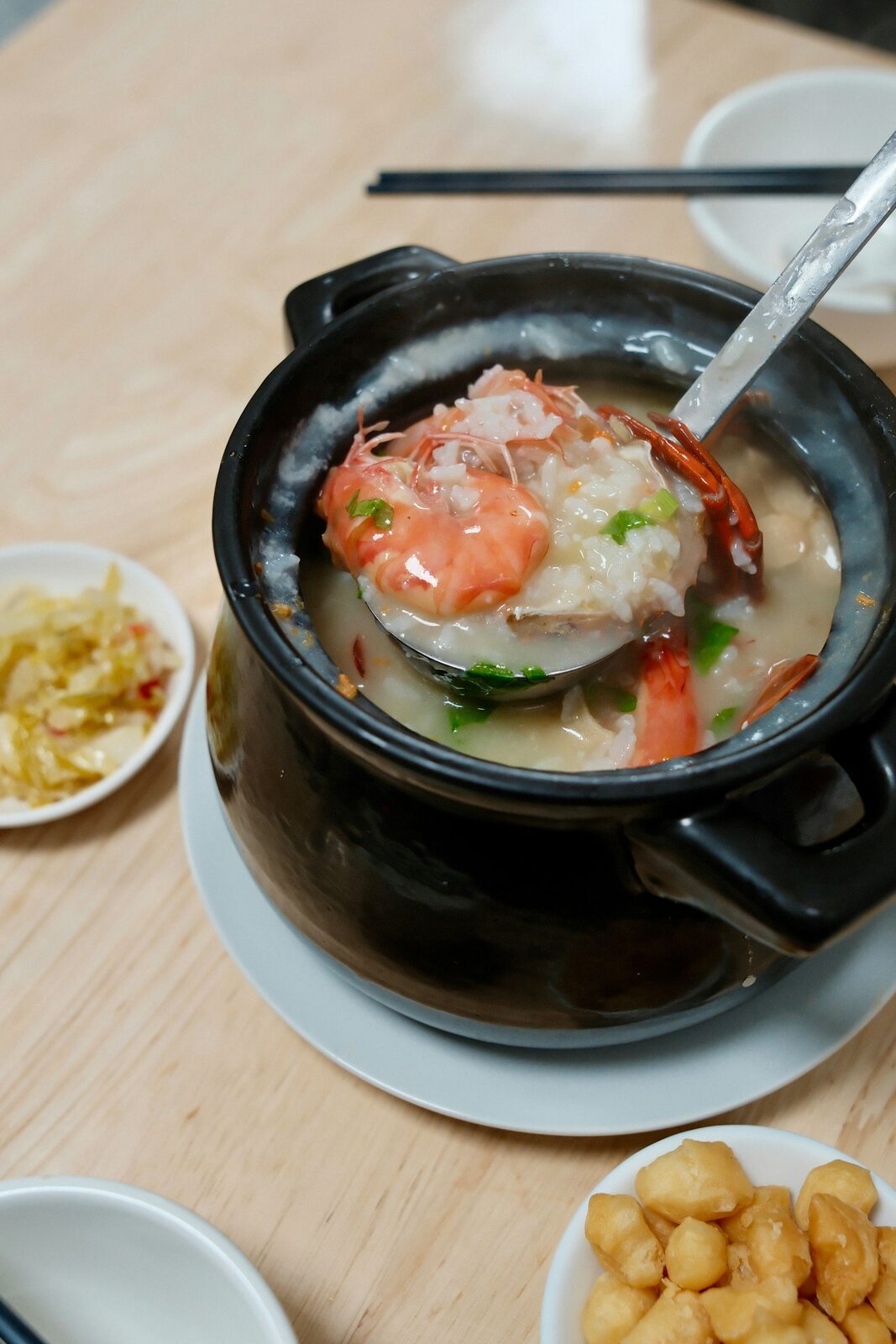
A simple, powerful recipe: Make a Mung Bean & Barley Cooling Soup. Simmer a handful of mung beans and barley in water for about an hour until soft. You can add a few slices of winter melon or a rock sugar (冰糖) for a slightly sweet flavor. Drink the broth or eat it as a light soup. It’s profoundly cooling and calming.
Lifestyle Rhythms: Syncing with the Summer Sun
Living in harmony with the seasons is a cornerstone of TCM wellness. Summer is a time of maximum Yang energy—it’s bright, expansive, and active. To avoid being scorched by it, we need to adapt our daily rhythms.
Wake with the sun, rest during the peak: It’s natural to wake a bit earlier in summer. Take advantage of the cool morning hours for gentle activity like walking, tai chi, or yoga. However, the period between 11 AM and 1 PM is considered the peak of Heart Fire (it’s the Heart’s two-hour window on the TCM organ clock). This is the ideal time for a short nap (even 15-20 minutes) or, at the very least, to avoid intense work or arguments. Eat your largest meal at lunch, not dinner.
Embrace “Xiaoyao” or Leisurely Strolls: Avoid intense, sweat-drenching workouts during the hottest part of the day, as this further depletes your Yin and stirs up internal Heat. Instead, opt for slower, more mindful movement. Evening walks when the air cools are particularly beneficial for settling the Shen.
Protect Your Neck and Shoulders: In TCM, the back of the neck is considered the “Wind Gate.” Allowing cold drafts from air conditioning or fans to blow directly on this area can invite pathogenic factors into the body, leading to headaches and stiffness that can exacerbate feelings of stress and imbalance.
Calming Practices: Acupressure, Herbs, and Mindful Movement
When you feel anxiety rising, you can use your own hands as healing tools. Acupressure—applying firm, steady pressure to specific points on the body—can quickly move stagnant Qi and clear Heat. Focus on these two powerhouse points:
- Heart 7 (Shenmen – “Spirit Gate”): This is the single most important point for calming the Shen. Locate the crease on your inner wrist, on the pinky side, in the small depression just inside the tendon. Press firmly for 1-3 minutes on each wrist while taking slow, deep breaths. It’s like hitting a “calm down” button for your nervous system.
- Pericardium 6 (Neiguan – “Inner Gate”): Famous for nausea, this point is also excellent for anxiety, palpitations, and chest tightness. It’s located three finger-widths up from your inner wrist crease, between the two tendons. Press and massage in a circular motion.
Herbal Allies: Several cooling and calming herbs are staples in the TCM summer pharmacy. Chrysanthemum (Ju Hua) and Mint (Bo He) are perfect for teas. For deeper nourishment, formulas containing Lotus Plumule (Lian Zi Xin) are specifically used to clear Heart Fire and calm the spirit. Always consult a qualified TCM practitioner or herbalist before starting any herbal regimen.
Mindful Movement: Swap high-intensity interval training for practices that cultivate Yin. Tai Chi, Qi Gong, and gentle Yin Yoga are excellent. They focus on slow, deliberate movements, deep breathing, and cultivating internal awareness—all of which nourish Yin and settle the Heart.
The Emotional Root: Managing Joy and Overstimulation
This might be the most profound insight from TCM. The emotion associated with the Heart and Fire element is Joy. Yes, joy! So how can joy cause anxiety? In TCM, it’s not joy itself that’s the problem, but excess joy, overstimulation, or manic excitement. Think of the frantic energy of summer parties, the pressure to have the “best summer ever,” the constant social media barrage of perfect vacations, or the sensory overload of festivals and crowds.
This kind of overstimulation scatters the Qi and agitates the Shen. It’s like being constantly startled with pleasant surprises—it’s still a shock to the system. The key is to cultivate a more gentle, contented, and centered joy rather than a frantic, chasing-high type of excitement.
Practice this: Create “cool” moments of joy. Enjoy a quiet cup of tea alone on your porch. Listen to the cicadas without needing to be doing something. Lie in a hammock and watch the clouds. This is the Yin joy that nourishes the Heart, not the Yang joy that burns it out. It’s about savoring, not consuming.
Common Questions
Can air conditioning make summer anxiety worse according to TCM?
Yes, it can be a double-edged sword. While AC provides necessary relief from extreme external heat, it creates an artificial, pathogenic cold. This cold can contract the pores and trap Heat inside the body. Furthermore, the constant blast of cold air can weaken your defensive Qi (Wei Qi), making you more susceptible to colds and creating internal imbalance. The TCM advice is to use AC moderately, avoid direct blasts on your body (especially the neck and back), and take breaks to go outside and let your body acclimate naturally. Don’t live in a refrigerator all summer.
I love iced coffee. Is that bad for summer anxiety?
From a TCM perspective, iced coffee is a problematic combination for this issue. First, the ice directly injures your Spleen and Stomach Qi, weakening your digestive fire and your body’s ability to generate cooling fluids. Second, coffee itself is a stimulant that has a warming, moving, and drying nature—it can easily agitate the Heart and Liver, stoking the very fire you’re trying to cool. If you love coffee, try switching to a room-temperature or slightly warm cup, and limit it to the morning. Better yet, swap it for roasted barley tea or chrysanthemum tea, which are genuinely cooling.
How quickly can TCM approaches help with summer anxiety?
The beauty of TCM is that it offers both immediate and long-term support. Dietary changes and acupressure can offer noticeable relief within a day or two—drinking a cooling tea or pressing Heart 7 can calm you in the moment. Lifestyle adjustments, like changing your sleep schedule and avoiding overstimulation, will show more cumulative effects over a week or two. For deeper, constitutional imbalances, a course of acupuncture and custom herbal formulas prescribed by a licensed practitioner over several weeks can create profound and lasting change, helping you build resilience so that next summer feels different.
The bottom line: Summer anxiety isn’t just “in your head”—it’s a very real energetic imbalance where environmental and internal Heat agitates the Heart’s spirit (Shen). By embracing TCM principles, you can cool your internal landscape through mindful eating with cooling foods, syncing your daily rhythms with the summer sun, using calming acupressure points, and cultivating gentle, nourishing joy instead of frantic excitement. This approach doesn’t just soothe anxiety for a season; it teaches you a deeper way to live in harmony with nature’s cycles, building resilience from the inside out.
This article is for educational purposes and reflects traditional wellness perspectives. It is not a substitute for professional medical advice, diagnosis, or treatment.