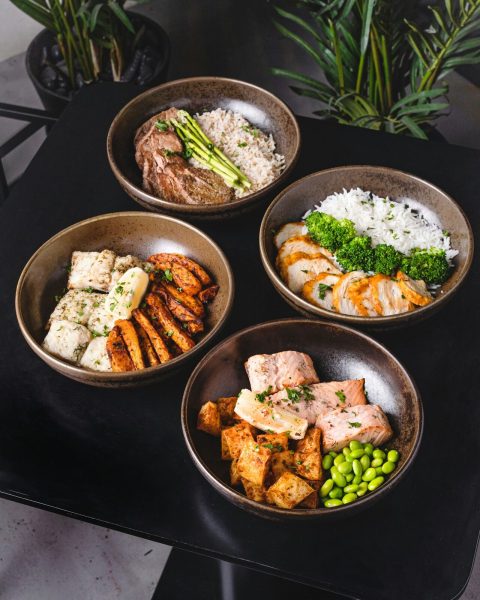
When the summer sun beats down relentlessly, many of us instinctively reach for a cold drink, blast the air conditioning, or dive into a pool. These are perfectly natural responses to feeling overheated. But Traditional Chinese Medicine (TCM) offers a deeper, more nuanced perspective on what summer heat does to our bodies and how we can find lasting, internal relief. In TCM, summer isn’t just a season—it’s a powerful energy that can both invigorate and deplete us. Understanding how to navigate this “Summer Heat” pathogen is key to staying vibrant, energized, and healthy all season long, rather than feeling drained, irritable, or sick.
- Understanding "Summer Heat" (暑热 Shǔ Rè) in TCM Theory
- How Do You Know It's Summer Heat Exhaustion? Key TCM Signs & Symptoms
- The Cooling Kitchen: Foods and Drinks That Dispel Summer Heat
- Beyond the Diet: Lifestyle Adjustments to Protect Your Qi
- The TCM Herbalist's Toolkit: Key Herbs for Clearing Summer Heat
- Acupressure Points to Cool Down in Minutes
Understanding “Summer Heat” (暑热 Shǔ Rè) in TCM Theory
In TCM, external environmental factors are considered “pathogens” that can invade the body and disrupt its internal balance. While this might sound ominous, think of it more like understanding the weather to dress appropriately. Summer Heat is one of the six primary external pathogenic factors, and it has very specific characteristics. It is considered a “Yang” pathogen, meaning it is expansive, hot, and ascending. Its primary nature is heat, but it often combines with dampness (湿热 shī rè), creating that sticky, oppressive feeling where the heat feels heavy and hard to escape.
When Summer Heat invades, it tends to attack the body’s defensive Qi (Wei Qi) and the Lung system first, but its effects are systemic. It can rapidly deplete our Yin fluids and Qi, leading to fatigue, excessive sweating, thirst, and irritability. This is fundamentally different from the common cold or flu. It’s not about a virus; it’s about an environmental energy overwhelming the body’s capacity to regulate itself. Recognizing the signs of a Summer Heat invasion is the first step to cooling down from the inside out.
“Summer Heat scatters the Qi and damages the fluids. The wise person nurtures their Yang in spring and summer, but guards against the excessive heat that can consume it.”
How Do You Know It’s Summer Heat Exhaustion? Key TCM Signs & Symptoms
Summer Heat exhaustion from a TCM lens presents with a distinct cluster of symptoms that differ from simple overheating or dehydration. The hallmark is the combination of heat signs with signs of Qi and fluid deficiency. You might feel hot to the touch, with a flushed face, but also feel profoundly tired and weak. The sweating is often profuse but doesn’t bring relief—it might even leave you feeling more drained. Thirst is intense, and you may crave cold drinks, but drinking them can sometimes upset the stomach.
Other common signs include a feeling of oppression in the chest, nausea, loss of appetite, a heavy sensation in the head and limbs (especially if dampness is involved), and dark, scanty urine. Mentally and emotionally, it can manifest as irritability, restlessness, or a feeling of being mentally “foggy.” Your tongue, a key diagnostic tool in TCM, may appear red with a yellow, greasy coating. If you’re experiencing several of these symptoms during a heatwave, you’re likely dealing with a classic Summer Heat pattern.
The Cooling Kitchen: Foods and Drinks That Dispel Summer Heat
Your kitchen is your first and most powerful pharmacy in TCM. During summer, the goal is to eat foods that are energetically cooling, hydrating, and that help clear heat and generate fluids. This doesn’t mean you need to eat ice cream all day—quite the opposite. Many naturally cooling foods are simple, whole foods. Think of watermelon, cucumber, mung beans, bitter melon, celery, lettuce, and pears. These foods have a high water content and a cooling nature that directly counteracts the pathogenic heat.
A classic TCM summer beverage is a simple mung bean soup or tea. Mung beans are renowned for their ability to clear heat and detoxify. To make it, simply simmer a handful of mung beans in water for about 30-40 minutes until soft. You can drink the liquid (the “tea”) or eat the beans. Another fantastic option is chrysanthemum tea (菊花茶), which is mildly cooling and excellent for clearing heat from the head and eyes—perfect for when you feel overheated and irritable. A simple infusion of fresh mint leaves is also wonderfully cooling and can help relieve that feeling of chest oppression.
- Cooling Fruits: Watermelon, pear, apple, grapefruit, kiwi.
- Cooling Vegetables: Cucumber, celery, bitter melon, lettuce, lotus root.
- Cooling Legumes & Grains: Mung beans, barley (Job’s tears), buckwheat.
- Cooling Drinks: Chrysanthemum tea, mint tea, coconut water, barley water.
Beyond the Diet: Lifestyle Adjustments to Protect Your Qi
What you eat is crucial, but how you live during the summer months is equally important. TCM advises moderation in all things, and this is especially true for summer activities. While it’s wonderful to be active, overexertion during the hottest parts of the day (typically 11 am to 3 pm) can severely deplete your Qi and Yin. If you exercise, do it in the cooler morning or evening. Swimming is an excellent summer activity as it combines gentle exercise with a cooling environment.
Managing your environment is also key. While air conditioning provides immediate relief, constant exposure to very cold, dry air can create a different problem—it can contract the pores and trap heat inside, leading to what TCM calls “cold exterior, heat interior.” The ideal is to use AC moderately, set to a comfortable but not frigid temperature (around 24-26°C or 75-78°F is a good range), and to allow yourself to sweat naturally in a shaded, breezy outdoor space for a portion of the day. This allows the body’s natural cooling mechanism to function properly.
Sleep is another area to adjust. In summer, the days are longer, and Yang energy is at its peak. TCM suggests going to bed slightly later and waking up earlier to align with the season’s rhythm. A short nap (20-30 minutes) during the hottest part of the day can be incredibly restorative, helping to replenish the energy depleted by the heat. Avoid napping for too long, as it can make you feel sluggish.

The TCM Herbalist’s Toolkit: Key Herbs for Clearing Summer Heat
When dietary and lifestyle changes aren’t enough, TCM turns to its vast herbal pharmacopeia. There are several herbs specifically renowned for their ability to clear Summer Heat. Xi Gua (Watermelon) isn’t just a fruit; the white rind (Xi Gua Pi) is a powerful herb for clearing heat and promoting urination. Lu Dou (Mung Bean), as mentioned, is a staple. Jin Yin Hua (Honeysuckle Flower) and Lian Qiao (Forsythia Fruit) are often paired together in classic formulas to clear heat and toxins, especially when there’s a sore throat or fever.
One of the most famous and time-tested formulas for Summer Heat with dampness is Qing Luo Yin (Clear the Network Vessels Decoction). It contains herbs like Xian Ye (lotus leaf) and Jin Yin Hua (honeysuckle). For a more severe case with high fever and extreme thirst, Bai Hu Tang (White Tiger Decoction) might be considered. However, a crucial word of caution: self-prescribing herbal formulas is not recommended. These are potent medicines that should be selected by a qualified TCM practitioner based on your specific constitution and symptoms. Think of this section as an introduction to the possibilities, not a DIY guide.
| Herb/Formula | Primary Action | Best For | Common Form |
|---|---|---|---|
| Xi Gua (Watermelon Rind) | Clears heat, promotes fluids & urination | Mild thirst, scanty dark urine | Decoction (tea) |
| Lu Dou (Mung Bean) | Clears heat, detoxifies | General summer heat, prevention | Soup or tea |
| Jin Yin Hua (Honeysuckle) | Clears heat, resolves toxins | Heat with sore throat, early fever | Tea or in formula |
| Qing Luo Yin (Formula) | Clears summer heat from the upper body | Headache, dizziness, heaviness in the head | Powder or decoction |
| Bai Hu Tang (Formula) | Drains intense heat, generates fluids | High fever, profuse sweating, intense thirst | Decoction (practitioner use) |
Acupressure Points to Cool Down in Minutes
When you feel the heat rising, you can use your own hands for quick relief by stimulating key acupressure points. These points help to clear heat, calm the mind, and restore the smooth flow of Qi.
- LI-4 (Hegu): Located in the web between your thumb and index finger. This is a master point for clearing heat from the head and face, relieving headaches, and boosting the immune system. Apply firm pressure for 1-2 minutes on each hand.
- PC-6 (Neiguan): On your inner forearm, about three finger-widths from your wrist crease. This point is famous for calming the mind, relieving nausea (common with summer heat and dampness), and easing chest oppression. Press gently for 1-2 minutes.
- GV-14 (Dazhui): Located at the base of the neck, in the depression below the large 7th cervical vertebra (the bony bump when you tilt your head forward). This is a major point for clearing heat from the entire body. You can apply pressure or, for a stronger effect, place a cool, damp cloth on this point.
- SP-6 (Sanyinjiao): On the inner leg, four finger-widths above the ankle bone. This point nourishes Yin and fluids, helping to counteract the dryness caused by excessive heat and sweating. It’s also deeply calming. Press gently for 1-2 minutes on each leg.
Common Questions
Can I just drink iced water all day to cool down in summer?
While it feels wonderful in the moment, TCM generally advises against consuming large quantities of ice-cold fluids, especially if you have a weaker digestive system (a “weak Spleen Qi”). Extremely cold temperatures can contract the stomach and spleen, impairing their ability to transform and transport fluids. This can actually lead to more internal dampness, making you feel heavier and more sluggish. Room temperature or cool (not icy) drinks are preferred. Sip fluids consistently throughout the day rather than gulping large amounts at once.
Is Summer Heat exhaustion the same as heatstroke?
They are points on a continuum, but not the same. Heatstroke is a severe, life-threatening medical emergency characterized by a core body temperature above 104°F (40°C), confusion, loss of consciousness, and organ failure. It requires immediate medical intervention. TCM’s concept of “Summer Heat exhaustion” (暑热伤气 shǔ rè shāng qì) refers to a pattern of imbalance that includes symptoms like fatigue, excessive sweating, thirst, and irritability. It’s a state of being overwhelmed by the heat that, if not addressed, can potentially progress toward more dangerous conditions. Always seek emergency medical care for signs of true heatstroke.
Can children and the elderly benefit from these TCM principles?
Absolutely, and in fact, they are the populations that need to be most vigilant. In TCM, children are considered to have “pure Yang” constitutions—they are full of heat and can overheat quickly. The elderly, on the other hand, often have declining Yin and Qi, making them more susceptible to depletion from summer heat. The dietary and lifestyle principles apply to all ages, but portion sizes for children should be smaller, and the elderly should be particularly careful to avoid overexertion and to stay hydrated with nourishing fluids like barley water or light soups. Herbal remedies should only be given to these groups under the direct guidance of a qualified practitioner.
The bottom line: Summer heat exhaustion in TCM is a pattern of imbalance caused by external heat depleting your internal Qi and fluids. Cooling down from the inside out means embracing a seasonally appropriate diet of cooling foods, moderating your activity levels, using simple herbal teas, and applying acupressure for immediate relief. It’s a holistic approach that honors your body’s connection to the natural world, helping you not just survive the summer, but thrive in it with vibrant energy.
This article shares traditional wellness perspectives and personal experience for general interest. It is not professional advice. Please use your own judgment and consult a qualified professional for specific concerns.