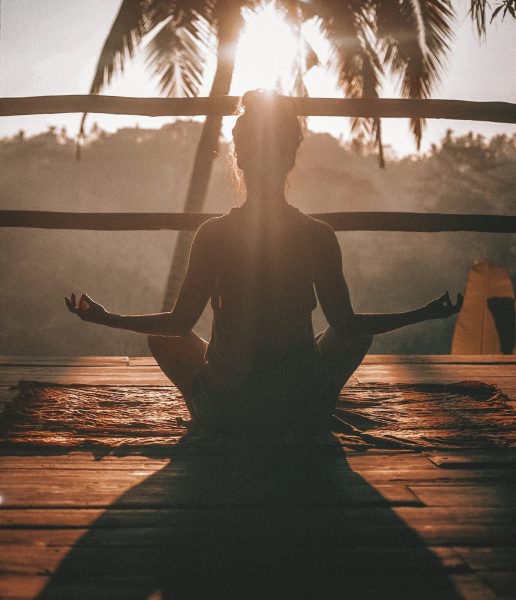
The air itself feels thick in mid-August, doesn’t it? The kind of heat that radiates up from the sidewalk and makes the world shimmer at the edges. In Traditional Chinese Medicine (TCM), we call this the peak of Yang energy—the vibrant, expansive, hot force of summer at its absolute zenith. While it’s a time of growth and outward energy, it can also leave us feeling frazzled, irritable, and mentally scattered, like a pot of water left to boil over. This is where the ancient, quiet practice of summer meditation comes in, specifically the art of using water visualization to cool the mind from the inside out. It’s not about fighting the heat, but about cultivating an inner oasis.
- Why "Cooling" Meditation Matters in the Heat of Summer
- The Core Concept: Understanding Yin and Yang in Your Body
- Preparing Your Space and Mind for a Cooling Session
- The Water Visualization: A Step-by-Step Guided Practice
- Complementary Practices: Foods and Herbs for Internal Cooling
- Integrating the Cool: A Sample Summer Evening Routine
Why “Cooling” Meditation Matters in the Heat of Summer
In TCM, the Heart is considered the “Emperor” of the body, and it’s intrinsically linked to the Fire element. Summer is the season of Fire. When the external heat is strong, our internal Fire can flare out of balance, leading to what we call “Heart Fire” or “excess Heat in the Upper Burner.” You know the signs: a restless mind that won’t shut off, irritability, difficulty falling asleep even when you’re exhausted, a flushed face, or even mouth ulcers. It’s not just in your head; it’s a physiological state of overheating.
My grandmother had a simple way of explaining it. On sweltering afternoons in Guangzhou, she’d say, “Your mind is like a kettle on the stove. If you keep the fire high, the water boils away and the kettle screams. Your job is to be the one who turns down the flame, or better yet, adds cool water.” That’s the essence of this practice. We’re not suppressing summer’s joyous energy; we’re using meditation to add a cooling, nourishing Yin element to balance the dominant Yang heat. This creates internal harmony, allowing us to enjoy the long days and social energy of the season without burning out.
The Core Concept: Understanding Yin and Yang in Your Body
Before we dive into the visualization, let’s grasp one key idea: Yin and Yang. Think of them as two fundamental, opposite yet complementary forces. Yang is like the sun: active, hot, bright, expanding. Yin is like the moon: passive, cool, dark, contracting. Your body needs a dynamic balance of both. Summer is the most Yang time of year, so our meditation practice intentionally cultivates Yin qualities—coolness, stillness, nourishment—to maintain equilibrium.
Water is the ultimate Yin element. It is deep, quiet, flowing, and profoundly cooling. When we visualize water during meditation, we are directly introducing Yin energy into our system. This is a form of “internal alchemy”—using the mind to guide the body’s energy (Qi) to restore balance. It’s a skill, and like any skill, it gets more powerful with practice. The goal isn’t to feel physically wet, but to evoke the sensory and energetic feeling of coolness, depth, and fluidity within your mind and body.
“In the height of summer, seek the deepest well. The coolness is not outside you; it is the Yin you cultivate within.”
Preparing Your Space and Mind for a Cooling Session
Setting the stage enhances the practice. You don’t need a special room, just a few mindful adjustments. Aim for the coolest part of your day—early morning before 8 AM or evening after 7 PM. Find a quiet spot where you won’t be disturbed for 15-20 minutes.
- Temperature: If possible, lower the AC a degree or two, or practice in a shaded, breezy area. The goal is to remove oppressive external heat so your mind can focus inward.
- Soundscape: Silence is golden, but if your mind is particularly agitated, use a gentle, external sound to anchor you. A recording of flowing water, a small tabletop fountain, or even a app with rain sounds can be perfect. My grandfather would sit by the fishpond in their courtyard—the sound of the water was his mantra.
- Scent: Engage another sense. A diffuser with 2-3 drops of peppermint, spearmint, or eucalyptus essential oil can provide an immediate sensory cue for coolness. Avoid heavy, warming scents like cinnamon or clove.
- Hydration: Have a glass of room temperature or cool (not ice-cold) water nearby. Sip a little before you begin to signal to your body that you are in a state of replenishment.
- Posture: Sit comfortably on a cushion or chair with your spine straight but not rigid. Rest your hands on your knees, palms facing down—a grounding gesture that helps draw energy downward.
The Water Visualization: A Step-by-Step Guided Practice
This is the core of the practice. Follow these steps slowly, spending 2-3 minutes on each phase. Don’t rush; the journey is the point.
Phase 1: Grounding and Awareness (3 Minutes)
Close your eyes. Take three deep, slow breaths. On each exhale, consciously release tension from your shoulders, jaw, and belly. Now, bring your awareness to the soles of your feet. Imagine roots growing down from your feet, through the floor, deep into the cool, stable earth. Feel the supportive stability. This grounds you before you engage with the fluid element of water.
Phase 2: The Cooling Stream (5 Minutes)
Shift your focus to your lower abdomen, about three finger-widths below your navel. This is your Lower Dantian (丹田), your body’s primary energy center and reservoir. In your mind’s eye, begin to visualize a small, clear, cool spring bubbling up from this point. See the water as crystal clear, perhaps with a faint blue or silver glow. Feel its coolness. With each inhale, imagine this spring being fed by cool, earth energy from your roots. With each exhale, see the spring gently expand, its cool water beginning to pool in your lower abdomen. This is your inner reservoir.
Phase 3: The Flowing River (7 Minutes)
Now, guide this pool of cool water to flow. Imagine it as a gentle, meandering river moving upward from your abdomen. Feel it flowing up the center of your torso (along the path of your spine, called the Ren Mai or Conception Vessel in TCM). As this cool river flows, it washes over your internal organs. Let it flow over your heart, soothing any agitation and turning down the “Heart Fire.” Feel it cool your throat, releasing any tightness from holding in words or emotions. Let it continue upward, bathing the base of your brain and flowing over the top of your head (the Baihui point), a major exit point for excess heat. Visualize any irritability, frustration, or mental chatter dissolving into the cool water and flowing harmlessly away.
Chat with Me, our AI wellness guide — get personalized TCM advice instantly.
Phase 4: The Still Lake (5 Minutes)
Finally, let the flowing water settle and become a vast, still, deep lake. Imagine your entire body as a container for this lake. The water is perfectly calm, deep, and cool. There are no waves, only profound stillness. Rest in this feeling of deep, cooling calm. If thoughts arise, see them as leaves falling onto the surface of the lake. Don’t engage with them; simply watch them float gently across and sink into the deep water. This is the state of Shen (Spirit) at rest—cool, clear, and luminous.
Phase 5: Return (2 Minutes)
Gently bring your awareness back to your breath. Feel the coolness you’ve cultivated remaining within you. Wiggle your fingers and toes. When you’re ready, slowly open your eyes. Don’t rush to stand up. Sit for a moment, carrying this inner coolness with you into your day.
Complementary Practices: Foods and Herbs for Internal Cooling
Meditation is a powerful mental tool, but we can support it with physical actions. In summer, we “eat to cool.” This doesn’t mean eating ice cream (which can shock the system and create dampness). It means choosing foods with an inherently cooling nature in TCM.
| Cooling Food/Drink | TCM Properties | How to Use It Today |
|---|---|---|
| Watermelon (西瓜) | Sweet, Cold. Clears summer heat, generates fluids. The white rind (瓜皮) is especially good for mild edema. | Eat 1-2 cups of fresh watermelon on hot afternoons. Blend rind into a smoothie or make a quick rind tea by boiling 1 cup of chopped rind in 2 cups of water for 10 mins. |
| Mung Bean (绿豆) | Sweet, Cool. A summer staple in China. Detoxifies heat, cools the blood. | Make Mung Bean Soup: Simmer ½ cup mung beans in 4 cups water for 45 mins until soft. Add a few pieces of rock sugar (冰糖) to taste. Drink warm or at room temp. |
| Chrysanthemum Tea (菊花茶) | Sweet, Bitter, Cool. Specifically clears Liver and Heart heat, brightens eyes. | Steep 5-8 dried chrysanthemum flowers in hot water for 5 minutes. Add goji berries (枸杞) for extra nourishment. Sip 1-2 cups in the afternoon. |
| Cucumber (黄瓜) | Sweet, Cool. Generates fluids, relieves thirst, reduces mild swelling. | Eat raw, add to salads, or infuse water by adding sliced cucumber and mint to a pitcher of water for 1 hour in the fridge. |
| Lotus Root (莲藕) | Sweet, Cool. Nourishes Yin, clears heat, benefits the stomach. | Peel, slice, and stir-fry with a little vinegar, or add chunks to a light chicken or vegetable broth. It has a wonderful, satisfying crunch. |
Integrating the Cool: A Sample Summer Evening Routine
Consistency is what turns a technique into a true cooling habit. Here’s how you might weave this practice into a typical summer evening:
- 6:30 PM: Prepare a light dinner featuring cooling foods. A simple salad with cucumber, tofu, and a sesame dressing, or a bowl of lotus root and corn soup.
- 7:30 PM: After cleaning up, prepare your meditation space. Dim the lights, turn on your fountain or water sounds, and diffuse peppermint oil.
- 7:45 PM: Sit for your 20-minute Water Visualization meditation. Use the guided steps above.
- 8:10 PM: After meditating, sip a cup of room-temperature chrysanthemum tea. Avoid screens and bright lights. Read a physical book, listen to calm music, or take a lukewarm (not cold) shower.
- 9:30 PM: Go to bed. The combination of cooling foods, meditation, and a calm pre-sleep routine signals to your body that the hot, active part of the day is over, promoting deeper, more restorative sleep.
Common Questions
How often should I practice this summer meditation?
For best results during the peak summer months (June, July, August in the Northern Hemisphere), aim for 3-5 times per week. Consistency is more important than duration. Even a 10-minute practice every other day will build a powerful cooling reservoir in your system. Think of it as watering a plant—a little and often is better than a flood once a month.
I can’t visualize water clearly. Does that mean it won’t work?
Absolutely not. The power lies in the intention and the sensation, not in creating a Hollywood movie in your mind. If you can’t “see” water, focus on the feeling of coolness. Imagine the sensation of cool water on your hands, or the feeling of a cool breeze on your skin. You can also use a mantra: silently repeat the words “cool,” “calm,” “flow,” or “deep” to guide your focus. The body responds to the mental suggestion of coolness, regardless of visual clarity.
Can I do this meditation in winter if I feel overheated from stress or a heated room?
Yes, with a slight adjustment. The core practice of using water to cool internal “fire” (which can be caused by stress, inflammation, or a heated environment anytime of year) is always valid. In winter, however, you wouldn’t want to cultivate excessive cold. Modify the visualization by imagining warm water (like a pleasant bath) or focusing on the nourishing, fluid quality of water rather than its extreme cooling property. The goal shifts from “cooling summer heat” to “restoring fluid balance and calming agitation.”
The bottom line: Summer’s fierce Yang energy can scorch the mind, leaving you irritable and restless. By practicing this TCM-inspired water visualization meditation, you actively cultivate your body’s innate Yin—its cool, calm, and nourishing essence. Paired with cooling foods like mung beans and cucumber, this practice isn’t about escaping the heat, but about building an unshakable inner oasis of tranquility that allows you to thrive in the season’s vibrant energy.
This article is for educational purposes and reflects traditional wellness perspectives. It is not a substitute for professional medical advice, diagnosis, or treatment.