There is a specific sound that defines summer for me: the relentless, high-pitched drone of the cicadas. In traditional Chinese medicine, we view summer as a season of maximum Yang—a time of expansion, heat, noise, and outward energy. It is vibrant, yes, but it can also be overwhelming. If you look at the Chinese character for “busy” (忙, máng), it is composed of the character for “heart” (心, xīn) and the character for “death” or “loss” (亡, wáng). To be constantly busy is to lose your heart, to lose your connection to the self. This summer, instead of chasing the endless social events and productivity hacks that modern life demands, I propose a radical shift: The Summer of Less. We are going to practice summer slow living. We are going to strip away the excess, cool the internal fire, and find the deep, still peace that exists beneath the noise of the season.
1. The Taoist Art of “Wu Wei” (And Why You Need to Do Less in the Heat)
In the West, we often view summer as a time for “making hay while the sun shines”—a time for peak productivity, vacations packed with itineraries, and maximizing daylight hours. However, in Taoist philosophy, there is a concept called Wu Wei. It is often translated as “non-action,” but a better definition is “effortless action” or “going with the flow.” It is the art of aligning yourself with the natural current of the universe rather than swimming against it.
Think of a cork floating on a river. If you push the cork under the water, it takes effort, and eventually, you get tired, and the cork pops back up violently. Wu Wei is letting the cork float naturally. In the summer, the environment is hot and aggressive. If you push yourself to be hyper-active, you deplete your Yin fluids (the cooling, moistening aspect of your body). This leads to irritability, insomnia, and that “burnt out” feeling by August.
“Nature does not hurry, yet everything is accomplished.”
Lao Tzu
I remember asking my grandmother once why she napped every single day during the summer, even when she wasn’t tired. She looked at me, puzzled, and said, “The sun is at the top of the sky; the energy is too high to work. We rest so the heart doesn’t boil.” She wasn’t lazy; she was practicing Wu Wei. She was respecting the power of the season.
Actionable Step: Identify one “non-essential” task on your to-do list for this week. Delete it. Just don’t do it. See how the world doesn’t end. That is the first step to summer slow living.
2. The “Eat Bitter, Clear Heat” Diet Shift
Most people associate summer with sweet fruits and barbecue. While watermelon is excellent (it is nature’s electrolyte drink), an over-reliance on sugar and heavy meats generates internal heat and dampness. In Traditional Chinese Medicine (TCM), the bitter flavor is associated with the Heart and Fire element. Eating bitter foods helps to clear excess heat and drain dampness from the body.
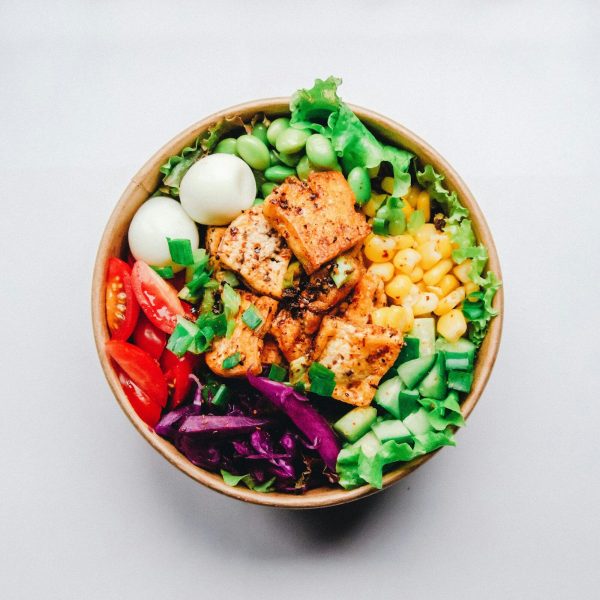
A “Summer of Less” applies to your plate, too. We are simplifying the ingredients to focus on cooling, bitter, and hydrating foods. You don’t need complex recipes; you need nature’s air conditioning.
Specific Foods to Incorporate This Week:
- Bitter Melon (Ku Gua): The king of summer vegetables. It clears heat and toxins. Slice it thin, salt it to remove bitterness, and stir-fry with eggs or fermented black beans.
- Mung Beans (Lu Dou): This is a staple in my house every summer. Boil 1 cup of mung beans with 8 cups of water and a handful of seaweed (kelp) for 40 minutes until soft. Drink the soup warm or chilled. It clears heat and calms the spirit.
- Lotus Leaf (He Ye): If you can find dried lotus leaves at an Asian market, brew them as tea. They are famous for clearing summer heat and lifting “foggy” energy.
- Loofah (Si Gua): A watery, cooling gourd. It moves energy and clears heat. It’s mild in flavor and cooks in minutes.
My grandmother used to make a soup with bitter melon, tomatoes, and pork ribs. The tomatoes provided a bit of sweetness to balance the bitterness. It was the only thing I wanted to eat when the temperature hit 95°F in the humid Shanghai summers.
3. Digital Minimalism: Unplugging to Recharge Your Shen
Summer slow living isn’t just about moving slower; it’s about consuming less. In TCM, the Heart houses the Shen (Spirit). The Shen is easily disturbed by overstimulation. Think of your mind like a glass of muddy water. When you scroll through social media, check emails constantly, and listen to news podcasts while jogging, you are stirring that glass. The mud never settles. Summer slow living requires letting the glass sit still so the water clears.
I recently did a “Tech Sunset” experiment. For two weeks, I turned off my phone and all screens at 7:30 PM—the actual time of sunset. The first three days were agony. I felt phantom vibrations in my pocket. I didn’t know what to do with my hands. But by day four, something shifted. I started noticing the fireflies. I started reading paper books. My sleep improved drastically because my eyes weren’t being blasted with blue light.
The 2-Hour Evening Detox Routine:
- 7:30 PM: Phone goes on airplane mode and into a drawer.
- 7:30 – 8:00 PM: Light stretching or a walk outside without headphones.
- 8:00 – 9:00 PM: Analog activity (reading, cooking, conversation, puzzles).
- 9:00 – 9:30 PM: Acupressure massage (see Section 5) and preparation for sleep.
4. Nourishing the Yin: Hydration Beyond Water
Water is essential, but in TCM, simply chugging ice water can actually impair your spleen‘s ability to transform fluids. To truly practice summer slow living, we need to hydrate in a way that nourishes our Yin—the deep, cooling, moisturizing energy of the body.
 chrysanthemum tea“/>
Avoid sugary sports drinks that promise electrolytes but deliver inflammation. Instead, turn to traditional cooling teas. These aren’t just refreshing; they are functional medicine that targets summer-specific complaints like irritability and skin breakouts.
Three Cooling Teas to Brew This Summer:
The “Clear Vision” Chrysanthemum Tea
Combine 10g of dried white chrysanthemum flowers (Ju Hua), 5g of Goji berries (Gou Qi Zi), and 5g of dried Jasmine flowers in a large glass teapot. Pour boiling water over them and let steep for 10 minutes. This tea clears heat from the eyes and liver. It is perfect if you’ve been staring at screens all day and your eyes feel dry or red.
The “Sweet Summer” Roselle (Hibiscus) Tea
Roselle flowers (part of the hibiscus family) are incredibly sour and cooling. They generate fluids and quench thirst better than almost any other herb. Steep a handful of dried roselle flowers with rock sugar to taste. It turns a beautiful, deep crimson color and tastes like a tart cranberry juice. It helps lower blood pressure and cools the blood.
The “Three Beans” Soup
This is a classic Cantonese summer dessert soup. Take equal parts (about 30g each) of mung beans, red beans (Chi Xiao Dou), and black beans. Simmer them with water and a stick of dried tangerine peel until soft. Add rock sugar at the end. This soup is not just a drink; it is a meal. It clears dampness and strengthens the spleen, which can easily be weakened by the humidity of summer.
5. The “Five-Point” Cooling Acupressure Sequence
When you feel overwhelmed, anxious, or overheated this summer, you don’t need to book a spa day. You have a pharmacy in your own body. Acupressure is a powerful way to move stuck energy and release heat. I recommend doing this sequence in the evening, with the lights dimmed and a drop of peppermint or lavender essential oil on your fingertips.
This sequence targets the Heart and Pericardium meridians to cool the mind and the Large Intestine meridian to release excess heat from the body.
The 10-Minute Summer Cool-Down Routine:
- Point 1: Heart 7 (Shenmen) – “Spirit Gate”: Located on the wrist crease, on the pinky side of the tendon. This calms anxiety and insomnia. Press firmly with your thumb for 60 seconds.
- Point 2: Pericardium 6 (Neiguan) – “Inner Gate”: Located three finger-widths above the wrist crease, between the tendons. This opens the chest, relieves nausea, and calms the heart. Use a circular massage for 60 seconds.
- Point 3: Large Intestine 11 (Quchi) – “Pool at the Crook”: When you bend your elbow, this point is at the end of the crease, on the outer side. This is a major point for clearing heat and cooling the blood. Pinch and hold for 90 seconds.
- Point 4: Gallbladder 20 (Fengchi) – “Wind Pool”: At the base of the skull, in the hollows on either side of the neck muscles. This releases tension headaches and “wind” (a TCM term for external pathogens). Press upward toward the base of the skull for 60 seconds.
- Point 5: Kidney 1 (Yongquan) – “Gushing Spring”: On the sole of the foot, in the depression just below the ball of the foot, between the second and third toes. This point anchors energy downward, pulling heat out of the head and bringing a sense of grounding.
Common Questions
Is “Summer Slow Living” Just About Being Lazy?
Absolutely not. In fact, being “lazy” in a chaotic way can be more exhausting than working. Summer slow living is about intentional reduction. It’s the difference between collapsing on the couch because you’re burnt out (depletion) and choosing to rest proactively to preserve your energy (nourishment). It’s about quality of presence over quantity of tasks. You are actively choosing to protect your peace.
I Have Kids and a Full-Time Job. How Can I Possibly Do This?
Start with the “Tech Sunset.” It costs no money and takes no extra time; it just reclaims the time you’re currently wasting on screens. Also, simplify your meals. A “Summer of Less” in the kitchen means eating cold noodles (liang mian) with sesame paste and cucumber slices for dinner instead of slaving over a hot stove. Involve the family—make the mung bean soup together. You don’t have to overhaul your life overnight. Just subtract one thing at a time.
Does This Mean I Should Stop Exercising?
No, but you should change how you exercise. Summer is not the time for high-intensity interval training (HIIT) at 2 PM or running marathons under the blazing sun. That is a recipe for heatstroke and Yin depletion. Switch to “cooling” movement. Go for a swim—the water element balances the fire of summer. Practice Tai Chi or Yin Yoga in the early morning (before 8 AM) or evening. If you must run, do it at dawn. Respect the heat; don’t fight it.
The bottom line: The Summer of Less is a rebellion against the modern cult of productivity and the ancient enemy of excess heat. By embracing Wu Wei, eating bitter and cooling foods, unplugging from technology, hydrating with traditional teas, and using acupressure to balance your internal thermostat, you are not just surviving the summer—you are thriving in it. You are proving that you can find depth, peace, and vitality by doing less, not more. Let the cicadas be loud. You be still.
This article is for educational purposes and reflects traditional wellness perspectives. It is not a substitute for professional medical advice, diagnosis, or treatment.