There’s a particular quality to summer air in the late afternoon, somewhere around 4 p.m. The sun is still high, but its fierce intent has softened. The world hums with insect song. For those of us who grew up in a Chinese household, this was the hour of xiū xi (休息) — rest. Not sleep, necessarily, but a deliberate pause. My grandmother would settle into her bamboo chair on the porch, a pot of cooled chrysanthemum tea on the table, and simply… be. She called it “waiting for the evening breeze.” It wasn’t laziness; it was wisdom. It was the summer art of wu wei, and it’s a practice our over-scheduled, always-on world desperately needs to relearn. This season, let’s explore how to embrace the profound simplicity of doing nothing, not as a failure of productivity, but as a deep, nourishing, and joyful alignment with the energy of summer.
What is Wu Wei, Really? (It’s Not What You Think)
Before we dive into our summer guide, let’s clear up the biggest misconception. Wu wei (无为) is often translated as “non-action” or “effortless action,” which can sound like advocating for passivity or laziness. This couldn’t be further from the truth. Think of it less as “doing nothing” and more as “non-forcing.” It’s the difference between trying to push a river upstream and simply floating with its current. The river is still moving powerfully, but you are in harmony with its flow, not fighting against it.
In Traditional Chinese Medicine (TCM) and Daoist philosophy, summer is the season of maximum yang energy. It’s expansive, fiery, and outward. Our natural tendency is to match that energy—to do more, be more social, and pack our schedules. But this is like adding fuel to an already roaring fire. The wisdom of wu wei in summer is to recognize when to harness that energy and when to let it be. It’s knowing when to act with the sun’s peak force and when to seek the cool shade. It’s about acting in accordance with nature’s rhythm, not against it. As the ancient text, the Dao De Jing, suggests, the greatest skill looks like no skill at all, because the person is so perfectly aligned with the task.
The Summer Burnout: Why You Need Wu Wei Now More Than Ever
Our modern lives are in constant, subtle conflict with the seasons. We use artificial light to extend our day, air conditioning to ignore the heat, and caffeine to override our body’s signals for rest. In summer, this creates a specific kind of energetic mismatch. In TCM, summer is ruled by the Fire element and governs the Heart system (which includes the mind and spirit). When we overdo it—late nights, over-stimulation, endless socializing—we don’t just get physically tired; we get Heart-Fire. This manifests as anxiety, insomnia, a feeling of being scattered or “burned out,” irritability, and even palpitations.
I remember one particularly ambitious July. I’d signed up for a 5 a.m. running club, a weekend pottery class, and said “yes” to every social invitation. By the first week of August, I wasn’t just tired; I was wired and tired. My sleep was shallow, my mind raced, and a persistent heat seemed to live behind my sternum. My aunt, visiting from Suzhou, took one look at me, handed me a bowl of cooling mung bean soup, and said, “You are fighting the summer. Stop rowing. Let the boat drift.” It was the best health advice I’d received all year. That’s the practical, urgent need for wu wei—it’s the antidote to our culture of perpetual motion, especially when nature itself is telling us to soften our edges.
Your Wu Wei Summer Toolkit: Concrete Practices for Simple Joy
Embracing wu wei isn’t about staring at a wall for hours (though that’s allowed!). It’s about weaving small, intentional acts of non-forcing into your day. Here’s how to start.
1. Master the Art of the Summer Pause
Schedule 20-30 minutes of deliberate, unscheduled time each day, ideally between 11 a.m. and 1 p.m. (the peak of Heart/Fire energy) or in the late afternoon lull. This is not for scrolling or planning. It’s for xiū xi.
- Find your porch, balcony, or a shady tree. No phone. Bring only a glass of water with a slice of cucumber or a few goji berries.
- Practice “soft gaze.” Let your eyes rest on the middle distance—the leaves moving, the clouds drifting. Don’t focus; just receive.
- Listen to the soundscape. What are the three most distant sounds you can hear? What is the closest? This pulls your mind out of its internal chatter and into the present sensory world.
2. Align Your Eating with the Element of Ease
Summer eating in the wu wei style is about simplicity, cooling properties, and eating when you’re truly hungry, not by the clock. Heavy, greasy, or overly spicy foods generate internal heat and require a lot of digestive energy (forcing your body to work hard). Think of it as culinary non-resistance.
| Instead of This (Forcing/Heating) | Try This (Effortless/Cooling) | Why It Works (TCM Principle) |
|---|---|---|
| A big, heavy breakfast at 7 a.m. | A small handful of soaked almonds (10-12) or a few slices of watermelon upon waking. A larger, simple meal later when hungry. | Conserves Qi for morning activities; watermelon clears summer heat. |
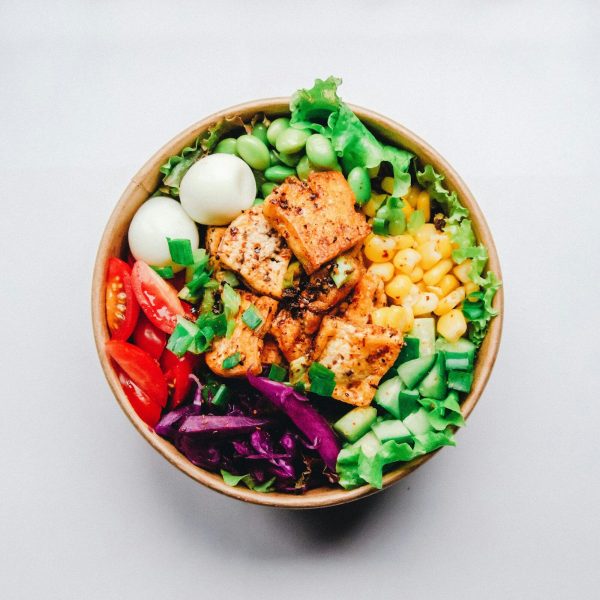
| A large, hot lunch at noon. | A cool grain salad: 1/2 cup cooked quinoa or millet, tossed with diced cucumber, mint, and a drizzle of sesame oil. | Millet is neutral to cool and supports the Spleen; mint releases exterior heat. |
| A rich, spicy dinner. | A light soup: Simmer 1 cup of mung beans with a few slices of winter melon (dong gua) for 20 minutes. Season with a pinch of salt. | Mung beans are the premier summer detoxifier in TCM; winter melon is powerfully cooling and draining. |
| Iced coffee or sugary soda. | Cooled chrysanthemum tea (ju hua) or barley tea (mai ya). Steep 5-6 flowers or 1 tbsp roasted barley in hot water, then cool. | Chrysanthemum clears Liver-Fire and brightens eyes; barley tea aids digestion and is cooling. |
3. Move Like Water, Not Like Fire
High-intensity workouts in the midday sun are the opposite of wu wei. They deplete your Yin (cooling, moistening fluids) and can lead to heat exhaustion. Instead, choose movement that mirrors the season: fluid, gentle, and often done at dawn or dusk.
- Practice 10 minutes of “Cloud Hands” from Tai Chi. Stand with feet shoulder-width apart. Shift your weight slowly to one side as you raise both arms as if holding a large ball, then shift to the other side as you lower them. Move with your breath. The goal is fluidity, not form.
- Take a “Wu Wei Walk.” Walk for 15-20 minutes with no destination and no pace. Let your curiosity lead you. Stop to look at a flower. Sit on a bench if you feel like it. The purpose is the wandering, not the workout.
- Swim or wade. Water is the ultimate yin, cooling element. Even 10 minutes of gentle swimming or simply sitting with your feet in a cool stream or foot bath can draw excess heat down and out of your body.

The Wu Wei Home: Creating a Sanctuary of Non-Doing
Your environment either supports your attempts at ease or constantly nudges you toward doing. A wu wei summer home is a sanctuary of simplicity and sensory calm.
Declutter one surface. Choose a single table, countertop, or shelf. Clear it of everything except one beautiful, simple object—a smooth stone, a single flower in a vase, a candle. This creates a visual “pause point” for your eyes and mind.
Embrace the “Evening Breeze” ritual. As my grandmother did, find the coolest spot in your home as evening approaches. Open windows to create cross-ventilation. Turn off the air conditioning for at least an hour and let the natural air circulate. Light a mosquito-repelling incense coil (a classic Chinese household item) with a scent like citrus or lemongrass. Sit and simply feel the temperature drop.
Curate your media diet. Unfollow social media accounts that trigger “FOMO” (Fear Of Missing Out) or a sense of urgency. Replace one hour of weekly TV or podcast consumption with listening to ambient sounds: rain, forest, ocean waves, or even the silence of your own neighborhood at dusk.
“Nature does not hurry, yet everything is accomplished.” — Lao Tzu
Common Questions
Isn’t this just being lazy? I have real responsibilities.
This is the most common and important question. Wu wei is not an abandonment of responsibility. It is the most efficient way to fulfill them. It’s the difference between a tense, forced effort that leads to burnout and a relaxed, focused effort that flows. Think of it as “strategic non-doing.” You still do the laundry, answer the important email, and cook dinner. But you do it without the internal struggle, the resentment, or the mental exhaustion of fighting against the task. You might even find you get things done faster and with better results because you’re not wasting energy on internal resistance. Start with just 10 minutes a day of scheduled, intentional non-doing. The world will not fall apart; your sanity may just return.
I feel guilty when I’m not being productive. How do I overcome that?
This guilt is a product of a culture that equates worth with constant output. Reframe this time as productive rest—a necessary maintenance period for your most important asset: you. In TCM, summer is the time to nourish the Heart and build your reserves of Qi and Yin for the coming winter. Doing nothing is, in fact, doing something profound: you are cultivating the inner stillness and resilience that will carry you through busier seasons. Start small. Give yourself permission for just one afternoon a week to have no agenda. Notice how the guilt lessens as you begin to feel the benefits of renewed energy and clarity.
Can I practice wu wei if I live in a busy city apartment?
Absolutely. Wu wei is an internal state, not an external location. Your sanctuary can be a single chair in a quiet corner, a balcony with a pot of mint, or even your bathroom during a 10-minute “salt soak” (add 1 cup of Epsom salts and 3-5 drops of lavender or peppermint essential oil to a cool bath). The key is creating a consistent, small ritual that signals to your nervous system: it is time to stop forcing. Close the door, put on noise-canceling headphones with nature sounds, or simply sit with your hands resting on your lower abdomen (the Dantian), feeling your breath. The city continues outside, but for that brief period, you are the still point at the center of its storm.
The bottom line: Wu wei in summer is the gentle, radical act of aligning your personal rhythm with nature’s expansive, fiery energy—not by matching its intensity, but by honoring its need for balance. It’s finding the power in the pause, the productivity in rest, and the profound joy in simple, unscheduled being. This season, give yourself the gift of the afternoon breeze.
This article is for educational purposes and reflects traditional wellness perspectives. It is not a substitute for professional medical advice, diagnosis, or treatment.