There is a particular kind of magic to the summer solstice. The light lingers until almost ten in the evening, the air hums with the drone of cicadas, and the world feels expansive, generous, and full of energy. It is tempting to match this external energy with our own internal pace—filling the calendar with barbecues, weekend trips, and late-night gatherings. But as my grandmother, a woman who grew her own herbs in our backyard garden, would often remind me while we sat fanning ourselves on the porch, “The hottest fire burns fastest.” In Traditional Chinese Medicine (TCM), summer is governed by the Fire element. It is a time of maximum yang energy, outward expression, and joy. Yet, the profound wisdom embedded in this philosophy is that the peak of yang contains the seed of yin. The longest day is not a call for the most activity, but an invitation for the most deliberate pauses. This is the essence of summer slow living: aligning with the season’s peak energy by strategically cultivating moments of stillness and coolness within it.
- The Fire Element: Why Summer is for the Heart (and Mindful Pauses)
- The Practical Art of the Summer Siesta and Early Evening Wind-Down
- Eat to Cool Down: Summer Foods and the 70% Rule
- Movement for the Season: Gentle, Early, and Under the Canopy
- Creating Your Cool Oasis: Home Environment and Sensory Cues
- Embracing "Wu Wei": The Philosophy of Effortless Action in Summer
The Fire Element: Why Summer is for the Heart (and Mindful Pauses)
In the Five Element framework of TCM, summer corresponds to Fire, which in turn governs the Heart and Small Intestine organs. The Heart, in this system, is not just a pump for blood; it is considered the “Emperor” of the body, the seat of our consciousness, our spirit (known as the Shen), and our joy. When the Heart is balanced, we feel connected, articulate, and peacefully joyful. When it is overwhelmed—by too much heat, activity, or emotional stimulation—we can experience anxiety, insomnia, restlessness, and a scattered mind.
Think of your Heart energy like a campfire. A well-tended campfire on a summer night is wonderful—it provides warmth, light, and a focal point for connection. But if you keep piling on wood without ever letting it settle, it becomes a roaring, out-of-control blaze that consumes everything and leaves only ash. Summer’s heat, both literal and metaphorical, is the extra wood. Our job is to tend the fire, not let it rage. This means consciously adding “cooling” and “settling” practices to our days. It’s counterintuitive: to fully enjoy the vibrant yang energy of summer, you must actively cultivate yin. Yin is the coolness, the quiet, the inward, the receptive. It’s the shade under the tree, the slow sip of cool water, the early evening rest.
“In the height of summer, seek the shade. In the peak of activity, find the pause. This is how you preserve the spirit.”
This isn’t about missing out on fun. It’s about enhancing it. By weaving in deliberate pauses, you allow your nervous system to reset, your mind to clear, and your Heart’s fire to remain a source of warmth and joy, not a source of burnout. You become more present for the actual moments of summer—the taste of a ripe peach, the sound of laughter, the feeling of grass under your feet—because you’re not running on a depleted, overheated system.
The Practical Art of the Summer Siesta and Early Evening Wind-Down
The single most powerful summer slow living practice, endorsed by generations of cultures in hot climates, is the midday rest. TCM aligns with this beautifully. The period between 11 a.m. and 1 p.m. is when the Heart meridian is most active. Taking even 20-30 minutes of quiet time during this window is like giving your heart a mini-vacation. It doesn’t have to be a full sleep. It can be:
- Lying down in a cool, dark room with your feet slightly elevated.
- Sitting in a comfortable chair with your eyes closed, focusing on slow, deep breaths.
- Doing a gentle, 10-minute guided meditation focused on cooling imagery (imagine a cool mountain stream flowing through your body).
The key is to remove stimulation: no phone, no TV, no planning. Just be. I remember my grandmother would always insist we come inside after lunch, even as children eager to play. She’d draw the curtains, hand us a cool, damp cloth for our wrists and neck, and tell us to “let the heat pass through you.” At the time, it felt like an interruption. Now, I see it as a profound act of preservation.
Similarly, the long daylight hours can trick us into staying active until 10 p.m. TCM advises starting your wind-down routine as the sun begins to set. This means shifting from “doing” to “being” mode. Aim to have your last substantial meal at least 3 hours before bed. In the hour before sleep, transition to calming activities: a short walk in the cooling evening air, gentle stretching, reading a physical book (not a screen), or sipping a room-temperature or slightly cool herbal tea.
Eat to Cool Down: Summer Foods and the 70% Rule
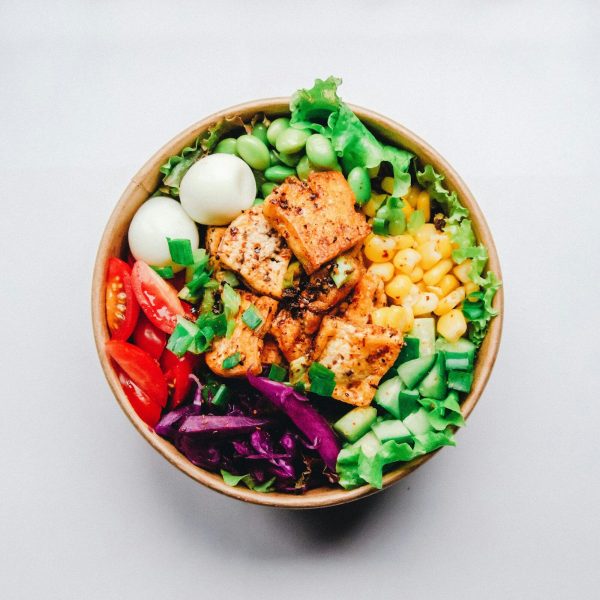
What you eat is one of the most direct ways to influence your internal temperature and energy. Summer eating in TCM isn’t about loading up on ice cream and iced drinks, which can shock the digestive system (your Spleen and Stomach, which prefer warmth). Instead, it’s about choosing foods that are energetically cooling and hydrating. The goal is to clear heat without creating internal dampness or stagnation.
A helpful framework is the “70% Rule”: aim to fill only 70% of your stomach capacity at each meal. Summer heat naturally can suppress appetite, and eating to fullness in hot weather can lead to sluggishness and discomfort. Leaving that 30% space allows your digestive fire (your Spleen Qi) to process food efficiently without being overtaxed.
| Energetically Cooling Foods for Summer | Best Ways to Prepare Them |
|---|---|
| Cucumber | Sliced raw in salads, infused in water. |
| Watermelon (especially the white rind) | Eaten fresh, or blended into a drink (add a pinch of salt for electrolytes). |
| Mung Beans | Made into a simple, sweet soup (lü dou tang) — a classic TCM summer detoxifier. |
| Bitter Melon | Stir-fried with a little garlic, or juiced (mix with apple juice to temper the bitterness). |
| Leafy Greens (lettuce, bok choy, spinach) | Lightly steamed or eaten raw. |
| Pear | Eaten fresh, or poached with a few goji berries. |
| Chrysanthemum Flowers | Brewed as a tea (ju hua cha), often with a pinch of goji berries. Perfect for clearing heat from the head and eyes. |
Herbs like mint (bo he) and fresh cilantro are also excellent for adding a cooling touch to dishes and drinks. A simple summer beverage: brew a strong pot of chrysanthemum tea, let it cool, add a tablespoon of honey and a few slices of cucumber. Keep it in the fridge for a refreshing, heat-clearing drink all day.

Movement for the Season: Gentle, Early, and Under the Canopy
Summer is not the season for high-intensity, sweat-drenched workouts at noon. That approach adds more fire to an already fiery system. Instead, align your movement with the cooler parts of the day and choose exercises that cultivate grace, not grit.
The ideal time for summer exercise is early morning, before 10 a.m. The air is fresher, the sun is gentle, and you can absorb the morning’s peaceful yang energy without the aggressive heat of midday. Think of it as charging your battery with clean, cool energy.
Ideal Summer Movement Practices:
- Tai Chi or Qigong in the Park: These are the epitome of summer slow living movement. The slow, flowing, mindful motions cultivate qi (vital energy) without depleting it. The focus on breath and balance is inherently cooling and centering.
- Swimming: The ultimate Fire element exercise. Water literally cools and soothes. A gentle swim in a lake, ocean, or pool is a full-body way to balance summer’s heat.
- Evening Walks: As the sun sets, a 30-minute walk can be a beautiful transition into the night. Walk slowly, breathe deeply, and consciously notice the cooling air.
- Gentle Yoga (Yin or Restorative): Avoid hot yoga or power vinyasa. Seek out classes or online sessions focused on holding poses for longer periods, allowing the body to open and the nervous system to calm.
The rule of thumb: if you’re gasping for breath, drenched in sweat, and feel wired afterward, it was too much for a summer afternoon. You should finish feeling refreshed, calm, and gently energized, not depleted.
Creating Your Cool Oasis: Home Environment and Sensory Cues
Your environment sends powerful signals to your nervous system. A cluttered, hot, brightly lit room will keep your mind and body in a state of agitation. Transforming your living space into a cool, calm oasis is a foundational summer slow living practice.
Start with temperature and airflow. During the day, keep blinds or curtains closed on sun-facing windows to block radiant heat. In the evening, open windows on opposite sides of your home to create a cross-breeze. If you use air conditioning, set it to a comfortable but not frigid temperature (around 75-78°F / 24-26°C) and avoid sitting directly in the cold draft. The goal is coolness, not a shock to the system.
Engage your other senses:
- Sight: Declutter surfaces. Use cool colors in your decor—blues, greens, whites. Even adding a few blue throw pillows or a white linen tablecloth can shift the feel.
- Smell: Use cooling essential oils in a diffuser. Peppermint, eucalyptus, and lavender are excellent. A simple blend: 3 drops lavender, 2 drops peppermint in 100ml of water.
- Sound: Replace background TV or frantic music with calming sounds: recordings of nature (rain, streams, birdsong), classical music, or ambient instrumental tracks.
- Touch: Switch to natural, breathable fabrics like cotton and linen for bedding and clothing. Keep a spray bottle with water and a drop of rose hydrosol in the fridge for a refreshing facial mist.
Embracing “Wu Wei”: The Philosophy of Effortless Action in Summer
This brings us to the deepest, and perhaps most challenging, principle of summer slow living: the Daoist concept of Wu Wei. Often translated as “non-action” or “effortless action,” it doesn’t mean being lazy or passive. It means acting in harmony with the natural flow of things, without forcing or striving. It’s the opposite of the “hustle culture” that pervades modern life.
In summer, Wu Wei looks like:
- Letting your schedule be flexible, allowing for spontaneous pauses when you feel the heat or fatigue rise.
- Saying “no” to an invitation if you know you need rest, without guilt.
- Allowing projects to have a slower pace, trusting that efficiency comes from a calm mind, not a frantic one.
- Observing a sunset without feeling the need to photograph and post it, simply experiencing it.
It is the art of going with the current of the season, not swimming against it. My grandmother embodied this. Her garden wasn’t a frantic race for the biggest tomatoes. She tended it with a quiet consistency, knowing when to water and when to let the sun do its work. She taught me that the most productive action is often patient, attentive inaction. This summer, practice noticing the moments when you’re forcing—the clenched jaw, the hurried pace, the mental list-making—and consciously choose to soften. Take a breath. Sip your chrysanthemum tea. Let the long day unfold at its own pace, and trust that you can, too.
Common Questions
Isn’t it counterproductive to rest more during the longest, most energetic days of the year?
It seems counterintuitive, but it’s actually the key to sustainable energy. Think of it like a car engine on a hot day: you wouldn’t rev it at full speed for hours without stopping to let it cool down. You’d risk overheating and breakdown. Summer slow living is your preventative maintenance. By incorporating strategic pauses—like a midday rest—you prevent energetic burnout, improve your focus, and actually allow you to be more present and joyful during the active parts of your day. You’re not resting instead of living; you’re resting so you can live more fully.
I live in a city and can’t get to nature easily. How can I practice summer slow living?
The principles are about internal pace and environment, not location. Focus on what you can control. Create a cool, calm oasis in your apartment with the sensory tips above (lighting, scent, sound). Take your “nature walk” on a tree-lined city street early in the morning. Visit a botanical garden or a quiet park for your lunch break. Brew cooling teas and eat seasonally from your local farmer’s market. The essence is slowing down within your context, not escaping it.
What’s one simple thing I can start doing today?
Start with the 70% Rule at your next meal. Serve yourself a little less than you normally would, eat slowly and mindfully, and stop when you feel pleasantly satisfied but not full. Notice how much lighter and more energized you feel afterward. This single practice reduces the internal heat and sluggishness that comes from overtaxed digestion in hot weather, and it’s an immediate, tangible step toward summer slow living.
The bottom line: Summer slow living, guided by TCM wisdom, is the art of balancing the season’s abundant Fire energy with conscious, cooling pauses. By embracing the midday rest, eating to 70% fullness, moving gently in the cool hours, and cultivating Wu Wei, you transform the longest days from a race of exhaustion into a season of sustainable joy, deep rest, and genuine connection to the vibrant life around you.
This article is for educational purposes and reflects traditional wellness perspectives. It is not a substitute for professional medical advice, diagnosis, or treatment.