The longest days of the year arrive with a particular kind of magic. The light lingers past 9 p.m., the air hums with the drone of cicadas, and the world seems to slow its frantic pace, even as the heat presses down. It’s a season ripe with simple, profound pleasures—the first bite of a sun-warmed strawberry, the shock of cool grass under bare feet, the weight of a sleeping cat in a patch of afternoon sun. Yet, in our modern rush, we often miss these gifts. We crank up the air conditioning and race from one climate-controlled box to the next, determined to conquer the heat rather than surrender to its rhythm. This summer, I invite you to try a different path: to embrace the season not as an obstacle to productivity, but as a teacher of presence. Here are five slow living rituals to help you savor the longest days.
- 1. The 20-Minute "Nothing" Break: Embracing the Art of Xia
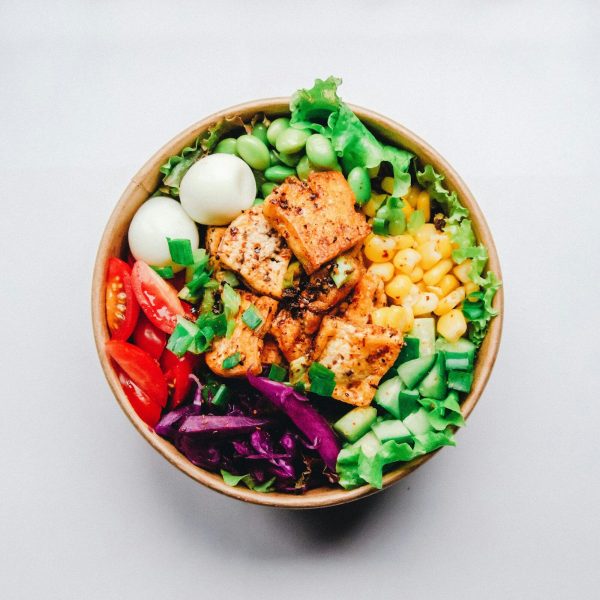
- 2. Eat with the Sun: A Summer Table of Cooling & Nourishing Foods
- 3. The Twilight Walk: Connecting to the Day's Gentle Closure
- 4. The Nightly Cool-Down: A 10-Minute Foot Soak & Gratitude Practice
- 5. The Unplugged Hour: Reclaiming Your Attention from the Digital Sun
1. The 20-Minute “Nothing” Break: Embracing the Art of Xia
In Traditional Chinese Medicine (TCM), we have a concept called “xia” (夏)—the summer season itself, but also a state of being. It’s not just about the external heat; it’s about the vibrant, expansive, and outward energy of this time. Think of the sun at its zenith, the longest day, the most active growth in nature. Our bodies are meant to mirror this. We rise earlier, are more active, and our energy naturally flows outward. The mistake we make is trying to fight this natural surge with constant doing. We push harder at work, plan more social engagements, and fill every weekend. This leads to burnout, irritability, and what TCM calls “Heart Heat”—anxiety, insomnia, and restlessness.
The antidote is to consciously build in moments of “xia”—not laziness, but receptive stillness. It’s the summer version of doing nothing, which is actually doing the most important thing: letting your system cool and recalibrate. My grandmother, who lived to be 96 and never seemed flustered by a heatwave, had a daily ritual. Every afternoon, between 1 and 3 p.m. (the hottest part of the day, which TCM associates with the Heart and Small Intestine meridians), she would find a shady spot, often on her porch with a worn bamboo mat, and simply sit. She didn’t read, knit, or talk. She’d sip a cup of luo han guo tea (monk fruit, a natural sweetener that clears heat) and watch the world go by—ants marching, leaves rustling, clouds drifting. She called it “watching the sky grow.” It was her sacred 20-minute nothing.
Your Ritual Today: Block off 20 minutes between 1 p.m. and 3 p.m. this week. Find a shady spot—your porch, a park bench, even a chair by an open window. Leave your phone inside. Prepare a simple cooling drink: steep 1-2 dried chrysanthemum flowers (ju hua) and 5 goji berries (gou qi zi) in a mug of hot water for 5 minutes, then let it cool to room temperature. This classic TCM tea clears summer heat and nourishes the eyes. Sit. Sip. Watch. Don’t force your mind to be empty; just let it wander like the clouds. This isn’t productivity. This is maintenance for your most vital organ, the Heart, which in TCM governs your spirit, your Shen.
2. Eat with the Sun: A Summer Table of Cooling & Nourishing Foods
Summer eating shouldn’t be about restriction or chasing the latest superfood. It’s about alignment. Nature provides exactly what we need to stay balanced during the heat. The problem is we often make it complicated. We eat heavy, rich meals that our digestive system struggles with in the heat, or we overdo raw, cold foods like iced smoothies and salads, which can damage our “Spleen Qi” (our digestive fire) according to TCM, leading to bloating, fatigue, and even more heat.
The key is to find the sweet spot: foods that are cooling in nature but warm in preparation. This is a core TCM principle—balancing the energetic temperature of food with how we cook it. For example, watermelon (xi gua) is wonderfully cooling and hydrating, but eating it ice-cold straight from the fridge can shock your system. Better to let it sit at room temperature or pair it with a few fresh mint leaves (also cooling) to aid digestion. Similarly, a light stir-fry with cooling vegetables like cucumber, celery, or summer squash, quickly cooked in a little neutral oil with ginger (to support digestion), is far better for you than a giant raw kale salad that will sit in your stomach like a brick.
Here is a simple guide to building your summer plate:
| Category | Cooling Summer Stars | How to Prepare Them |
|---|---|---|
| Fruits | Watermelon, Pear, Plum, Lychee (in moderation), Apple | Eat at room temperature. Add to salads or make a light compote. |
| Vegetables | Cucumber, Bitter Melon, Mung Bean Sprouts, Celery, Lettuce, Zucchini, Tomatoes | Lightly sauté, steam, or add to soups. Cucumber can be sliced and soaked in rice vinegar for 10 mins for a quick pickle. |
| Proteins | Fish (especially freshwater), Tofu, Duck | Steam fish with ginger and scallion. Make a light miso soup with silken tofu. |
| Grains | Barley (Job’s Tears), Buckwheat, Rice | Cook barley into a simple porridge (zhou) with a few red dates for a cooling, digestive meal. |
| Herbs & Teas | Chrysanthemum, Mint, Green Tea, Luo Han Guo, Mung Bean | Brew as teas. Make a classic “Three-Bean Soup” with mung beans, adzuki beans, and barley. |
Your Ritual Today: This week, make one meal that honors the sun. A simple dinner could be: steamed fish fillet (like tilapia or cod) with 2-3 slices of ginger and a splash of soy sauce, served with a side of quickly blanched bitter melon (it’s an acquired taste, but it’s one of the most powerful heat-clearing foods) and a bowl of white rice. As you eat, notice the flavors and how your body feels afterward—light, satisfied, and cool.

3. The Twilight Walk: Connecting to the Day’s Gentle Closure
When the searing heat of the afternoon finally breaks and the sky turns a soft periwinkle, a unique window of opportunity opens. This is the time for the twilight walk. In many cultures, this is the preferred time for a leisurely stroll—the Spanish paseo, the Italian passeggiata. It’s a social, gentle, and deeply grounding ritual. The energy of the day is winding down, and the energy of the night, the Yin, is beginning to rise. Walking at this time helps our body transition smoothly between these two states, calming the nervous system and preparing us for restful sleep.
This isn’t power walking for exercise. It’s walking for presence. Leave the headphones at home. The goal is to engage your senses. Notice the changing colors of the sky. Feel the temperature drop on your skin. Listen to the evening birdsong begin to replace the daytime chorus. Smell the night-blooming jasmine or the scent of freshly watered lawns. My father used to take me on these walks after dinner when I was a child. He’d point out the first stars appearing, the shape of the moon, the sound of crickets starting their nightly symphony. He’d say, “We are walking the day to bed.” It taught me that endings are not abrupt, but gentle transitions.
“In summer, the days are long, but the twilight walks are where we find the true measure of time—not in hours, but in the softening of light and the quieting of the mind.”
Your Ritual Today: Three times this week, put on comfortable shoes and walk for 15-20 minutes starting about 30 minutes before sunset. Walk a familiar, safe route around your neighborhood. Practice “soft gaze”—don’t stare intently at things, but let your vision relax and take in the wider scene. If you walk with a partner, make a pact: the first 10 minutes are silent observation. After that, you can talk, but about what you noticed, not about work or worries. Notice how your sleep feels on these nights.
4. The Nightly Cool-Down: A 10-Minute Foot Soak & Gratitude Practice
Summer nights can be the hardest. The lingering heat and humidity can make it difficult to fall asleep, leading to tossing, turning, and that frustrating feeling of being “wired but tired.” We often try to combat this with more air conditioning, which can dry out our sinuses and create a harsh contrast with the outdoor environment. A gentler, more effective approach is to use the principles of TCM to guide excess heat out of the body and calm the mind.
One of the most powerful and simple tools is the cooling foot soak. In TCM, the feet are a map of the entire body, with key meridians and acupuncture points. Soaking them in cool (not cold) water for 10 minutes before bed acts like a release valve. Heat naturally rises, so by cooling the extremities, you encourage the excess heat in your head and torso to descend and disperse. This is far more balanced than blasting cold air on your face.
Your Ritual Tonight: About an hour before bed, fill a basin with cool tap water. Add 1 tablespoon of peppermint essential oil or a handful of fresh mint leaves from your garden. Soak your feet for 10 minutes. While you soak, practice a simple gratitude list. Don’t just think “family, health.” Be specific. Think: “The way the ice cream melted quickly on my tongue today.” “The sound of my neighbor’s laughter through the open window.” “The feeling of the cool tile on my bare feet right now.” This combination of physical cooling and mental focusing is a potent recipe for sleep.
- Advanced Option: For a deeper effect, follow the cool soak with a gentle self-massage. Use a little sesame oil and massage the point Kidney 1 (Yongquan)—the depression in the center of the sole of your foot, just behind the ball. This point is famous for grounding excess energy and calming anxiety.
5. The Unplugged Hour: Reclaiming Your Attention from the Digital Sun
The most glaring, artificial sun we live under is the glow of our screens. We are bombarded by blue light, endless notifications, and a curated highlight reel that fuels comparison and anxiety. This is a form of “digital heat” that is just as taxing on our spirit as the summer sun is on our body. The long, slow days of summer are the perfect time to build a firewall against this.
The ritual is simple: one unplugged hour, every day, at the same time. Consistency is what makes it a ritual, not just a one-off detox. The hour should be a time that feels like a gift, not a punishment. For many, this is the first hour after waking or the last hour before bed. The morning hour sets a calm, intentional tone for the day. The evening hour protects your sleep. Choose what feels right for you.
During this hour, what do you do? You do the things that screens have stolen from us: read a physical book, write in a journal with a pen, cook a meal without looking at a recipe video, have an uninterrupted conversation with a loved one, tend to your plants, or simply sit in your garden and do a “nothing” break (see Ritual #1). The key is to engage your hands and your senses in the physical world. You are not just avoiding screens; you are actively choosing a different, richer form of nourishment.
Your Ritual Today: Choose your hour. Morning (e.g., 7-8 a.m.) or Evening (e.g., 8-9 p.m.). Set a physical alarm clock if you need to. Inform anyone who might need you. Put your phone in a drawer or another room. For that hour, live in the tangible world. After a week, notice the difference in your mental clarity and your sense of time. Does the day feel less rushed? Do you feel more connected to your own thoughts?
Common Questions
Q: I work a 9-to-5 job. How can I realistically do the 20-minute “nothing” break?
A: Reframe it as a “reset.” It doesn’t have to be at 1 p.m. sharp. The principle is to take a true break from mental stimulation during the hottest part of the workday. Step away from your desk. Go to a quiet conference room, a bench outside, or even sit in your parked car. Put your phone on airplane mode. Close your eyes and focus on your breathing for 5 minutes, then just sit quietly for the remaining 15. The key is disconnecting from inputs. Even 10 minutes of this can lower cortisol and help you approach the afternoon with a cooler head.
Q: Bitter melon sounds terrible. Are there other, more palatable heat-clearing foods?
A: Absolutely! Bitter melon is a powerhouse, but it’s not for everyone. A great alternative is lotus root (ou). You can find it in Asian grocery stores. Slice it thinly and stir-fry it with a bit of vinegar and ginger—it has a wonderful, crisp texture and is excellent for clearing heat and nourishing fluids. Another easy option is mung bean soup (lu dou tang). Simply simmer 1 cup of dried mung beans with 6 cups of water for 45-60 minutes until soft. You can eat it as a sweet soup with a little rock sugar or as a savory broth. It’s a classic summer cooler.
Q: My neighborhood doesn’t feel safe for a twilight walk. What can I do instead?
A> The core of the ritual is the transition from day to evening energy. You can replicate this indoors. Sit by a window as the light changes. Practice the same sensory awareness: watch the sky, listen to the evening sounds. You could also do a gentle, 10-minute stretching routine on your mat, focusing on slow, flowing movements that mimic the winding down of the day. The goal is to consciously mark the shift from the “doing” energy of the day to the “being” energy of the night.
The bottom line: Summer slow living isn’t about adding more to your to-do list; it’s about subtracting the noise and tuning into the season’s own rhythm. By embracing the art of doing nothing, eating with the sun, walking at twilight, cooling your body with intention, and unplugging from digital glare, you align yourself with the profound, quiet wisdom of the longest days. You don’t fight the summer; you flow with it, and in doing so, you discover a deeper, more sustainable kind of energy and joy.
This article is for educational purposes and reflects traditional wellness perspectives. It is not a substitute for professional medical advice, diagnosis, or treatment.