There is a specific moment in the height of summer, just as the sky begins to lighten but before the sun crests the horizon, when the world holds its breath. The air is cool, carrying the scent of damp earth and night-blooming jasmine. The oppressive heat of the day is still just a promise, not a reality. In Traditional Chinese Medicine (TCM), this fleeting window—known as the hour of the Tiger (3-5 AM) transitioning into the hour of the Rabbit (5-7 AM)—is more than just a beautiful time of day. It’s a powerful, natural prescription for cooling your body, calming your mind, and setting a tone of resilience for the sweltering hours ahead. Forget the frantic, heat-chasing workouts of midday. The summer dawn walk is an ancient practice of aligning with nature’s rhythm to stay cool, calm, and collected.
The TCM Logic: Why Dawn is Your Summer Secret Weapon
From a Western perspective, walking in the morning to avoid heat makes simple, practical sense. But in TCM, the reasoning is richer and more profound. Summer is ruled by the Fire element and is associated with the Heart organ system. While Fire brings joy and expansion, too much external Heat (the weather) can easily invade our internal system, leading to irritability, restlessness, insomnia, and a feeling of being “burned out.” This is what we call Summer-Heat—a specific pathogenic factor in TCM that can dampen your energy and agitate your spirit.
The dawn walk counters this in two key ways. First, you are harnessing the Yang Qi of the rising sun. Yang Qi is the warm, activating, upward-moving energy of nature. In the morning, this energy is fresh, gentle, and nourishing—like a soft kindling of a fire, not the raging inferno of noon. By walking as the sun rises, you gently stimulate your own body’s Yang Qi, supporting your metabolism and energy for the day without overloading your system with excess heat. You’re essentially giving your body’s internal engine a warm-up before the big climb.
Second, you are imbibing the cool, Yin energy of the pre-dawn. Yin is the quiet, receptive, cooling counterpart to Yang. The night and early morning are Yin times. The ground has radiated away the day’s heat, and the air is saturated with this cooling, moistening quality. Walking in this Yin-infused air helps to balance the inevitable Yang onslaught of the summer day. It’s like soaking a clay pot in cool water before placing it near a fire—it helps the pot resist cracking from the sudden heat. Your body becomes that pot, more resilient to the day’s temperatures.
“To counter the Fire of summer, one must gather the Yin of the dawn. The early air is medicine that the sun later evaporates.”
My grandmother used to rise before 5 AM in the summer, not for exercise, but to tend her small garden and walk to the morning market. She called it “chī liáng fēng”—literally “eating the cool breeze.” She believed you were literally consuming cooling energy, storing it in your body to be used like a savings account against the day’s heat. Her neighbors who slept until the heat woke them always seemed more frazzled by August. She moved through summer with a serene, sweat-free grace. The practice isn’t about hardship; it’s about strategic, gentle self-preservation.
The Anatomy of an Ideal Summer Dawn Walk
This isn’t a power walk or a hike to nowhere. It’s a moving meditation with a specific TCM blueprint. Here’s how to structure it for maximum cooling benefit.
- Timing is Everything: Aim to be outside, walking, between 5:00 AM and 6:30 AM. This captures the full transition from the Yin Tiger hour to the Yang Rabbit hour. The air is coolest, dew is still on the grass, and the sun’s rays are at their most gentle angle. If you can see the sunrise, you’ve timed it perfectly.
- Duration & Pace: A 20-40 minute walk is ideal. This is long enough to circulate Qi and blood, and to absorb the ambient Yin, but not so long that you deplete yourself before the day begins. Your pace should be slow and steady—about 50-60% of your normal walking speed. You should be able to breathe comfortably through your nose, not pant through your mouth.
- Breath is the Bridge: Consciously sync your breath with your steps. Try inhaling for a count of 4 steps, exhaling for a count of 6 steps. The extended exhale is particularly calming to the nervous system (activating the parasympathetic, or “rest and digest” response) and helps release heat. Breathe in the cool morning air as if you are drinking it.
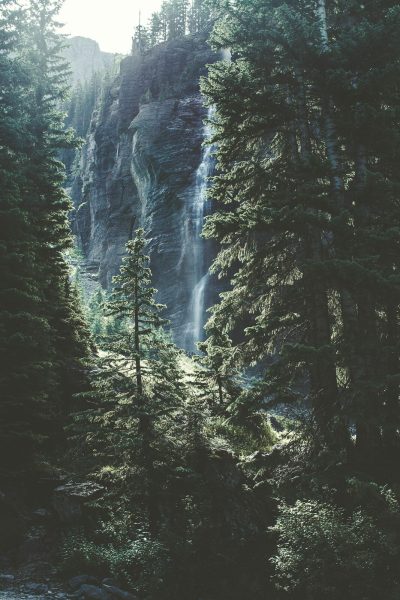
- Route & Environment: Choose a path with natural elements—a park with trees, a path by water, or even a quiet, tree-lined street. Trees provide shade (literal coolness) and are believed to emit a calming, grounding energy. Water (a pond, stream, or even morning dew) amplifies the Yin, cooling effect. Avoid asphalt and concrete, which hold and radiate heat.
- Mindful Engagement: Leave your phone at home or on airplane mode in your pocket. This is not the time for podcasts or calls. Instead, practice sensory engagement: feel the temperature of the air on your skin, listen to the birds (the Liver and Wood element are associated with the morning), smell the grass and flowers. This mindful presence prevents the mind from racing ahead into the day’s worries, which can generate internal Heat.
What to Wear, Eat, and Drink Before You Step Out
Preparation is part of the practice. What you do in the 15 minutes before your walk sets the stage for its success.
Attire: Wear light, loose-fitting clothing in natural fibers like cotton or linen. Colors should be light and cooling: think whites, light blues, soft greens, or lavenders. In TCM color therapy, these hues correspond to Metal (white, associated with the Lung and skin, which regulates body temperature) and Water (blue/black, associated with the Kidney and cooling fluids). Dark colors absorb heat. Tight clothing constricts the flow of Qi.
Hydration: Drink a small cup of room temperature water 10-15 minutes before you leave. Not ice-cold. Ice water can constrict the Stomach and Spleen (the digestive system), creating dampness and actually hindering your body’s ability to regulate temperature efficiently. You can add a slice of cucumber or a few goji berries to the water for an extra cooling, nourishing touch.
Food: It’s best to walk on a mostly empty stomach. If you need a little something, have a small, cooling snack 30 minutes prior. Good options include:
- 3-4 slices of fresh watermelon (nature’s perfect summer coolant)
- A small handful of fresh berries (blueberries, raspberries)
- 10-12 raw almonds (soaked overnight for easier digestion)
- A few slices of pear
Avoid heavy, greasy, or spicy foods, as well as cold smoothies or iced coffee. These create internal Damp-Heat, the very thing you’re trying to avoid.

The Deeper Dive: Understanding “Summer-Heat” Pathogen
To truly appreciate the dawn walk, let’s unpack one key TCM concept: Summer-Heat (Shǔ 暑). This isn’t just “feeling hot.” It’s a specific pathogenic factor with distinct signs and a clever strategy for combating it.
Think of Summer-Heat as a wave of intense, external heat that tries to invade your body. It has two main characteristics: it is Yang (hot, rising, expansive) and it has a strong tendency to generate Dampness (because intense heat evaporates fluids, leaving behind a sticky, turbid residue). This is why humid, muggy days feel so much more oppressive and draining than dry heat—the combination of Heat and Dampness is particularly taxing on the body.
Signs of Summer-Heat invading include:
- High fever, intense thirst, and profuse sweating
- A heavy sensation in the head and body, as if you’re wearing a wet blanket
- Nausea, loss of appetite, and loose stools (Dampness affecting the Spleen/Stomach)
- Dark, scanty urine
- Irritability and mental fog
- In severe cases, heatstroke
The dawn walk is a preventative strategy. By absorbing cool Yin energy and gently stimulating Yang Qi in the morning, you build up your body’s reserves and resilience. You’re essentially fortifying your defensive Qi (Wei Qi) so that when the external Summer-Heat attacks later in the day, your body has the resources to repel it, or at least mitigate its effects. It’s like applying sunscreen before you go to the beach, not after you’re already burned.
After Your Walk: Sealing in the Cool
The practice doesn’t end when you get home. The 30 minutes after your walk are crucial for integrating the benefits.
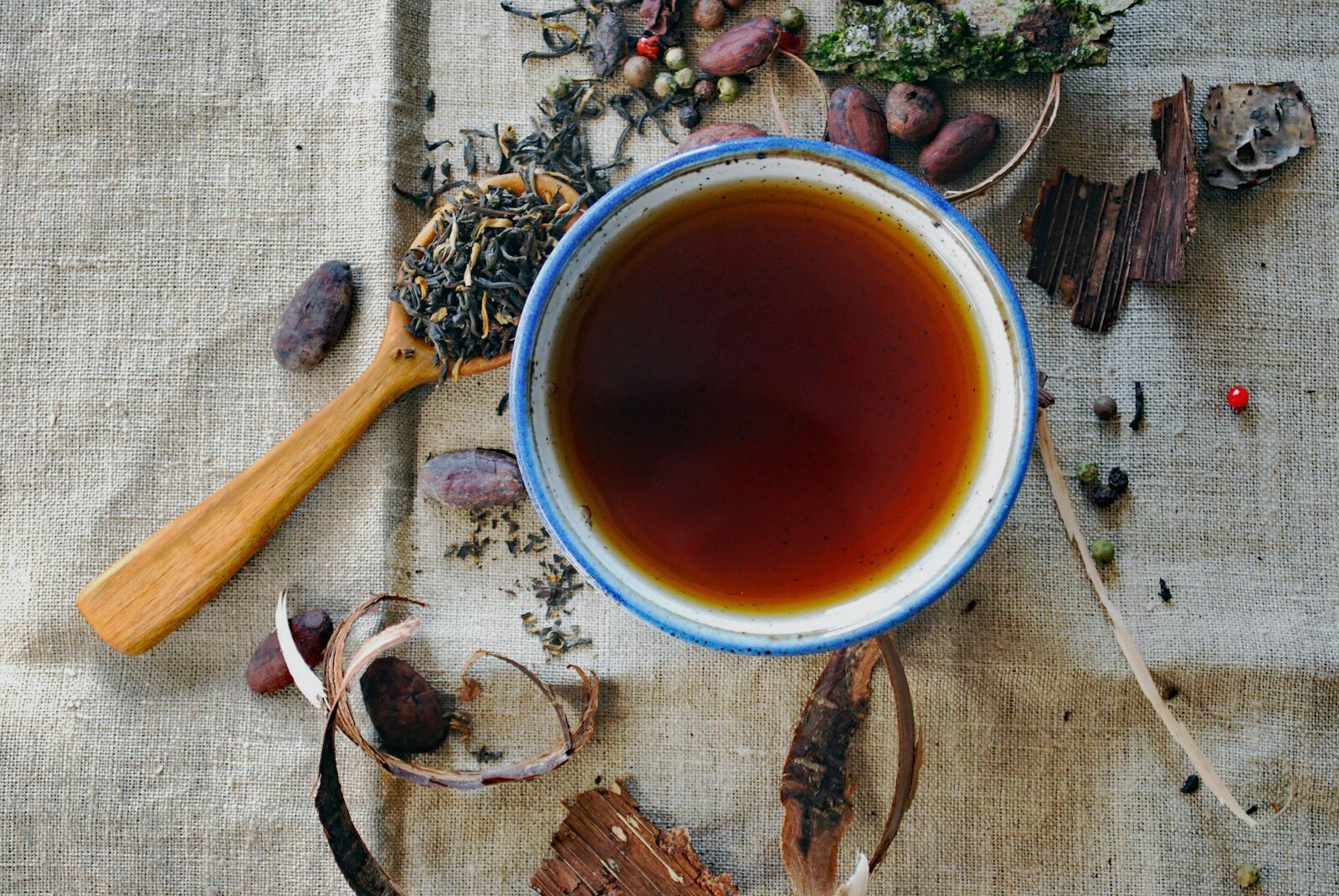
- Hydrate Intelligently: Wait 15-20 minutes after returning, then drink a glass of cool (not iced) herbal tea. My favorite is Chrysanthemum Tea (Jú Huā Chá). Simply steep 6-8 dried chrysanthemum flowers in hot water for 5 minutes, then let it cool to room temperature. Chrysanthemum is a premier TCM herb for clearing Heat, especially from the head and eyes, and calming the Liver. It’s like an internal breeze.
- Nourish with Cooling Foods: Have a light, cooling breakfast. Think congee (rice porridge) with mung beans, which are famous in TCM for clearing Summer-Heat and detoxification. Or a simple bowl of oatmeal with sliced pear and a drizzle of honey. Mung bean congee is easy: soak 1/4 cup of mung beans and 1/2 cup of rice overnight. In the morning, add to 4 cups of water, bring to a boil, then simmer for 45 minutes until soft.
- Gentle Cool-Down: If you feel warm, do not blast the air conditioning. Instead, gently pat your skin with a cool, damp cloth, focusing on your wrists, neck, and forehead—areas where blood vessels are close to the surface. This mimics the body’s natural cooling mechanism and is far less of a shock to your system.
A Week of Dawn Walks: Seasonal Variations
While the core practice remains, you can tailor your walk to the specific phase of summer, as TCM divides the seasons into six-week segments.
| Summer Phase (Approx. Dates) | TCM Focus | Dawn Walk Variation | Post-Walk Tea |
|---|---|---|---|
| Early Summer (Late May – Early July) | Fire & Heart; Building Yang | Walk slightly earlier (5:00 AM). Focus on joyful, expansive breathing. Route can include blooming flowers. | Rose & Goji Berry Tea (6 roses, 10 goji berries). Nourishes Heart Yin. |
| Mid-Summer/Longest Day (July) | Peak Fire; Risk of Summer-Heat | Emphasize shady, water-adjacent paths. Slow your pace even further. Practice “heart-cooling” visualization (imagine a cool, blue light in your chest). | Chrysanthemum & Mint Tea (8 chrysanthemums, 3 mint leaves). Strongly clears Heat. |
| Late Summer (August – Mid-Sept) | Damp-Heat; Spleen Support | Walk after dew has risen but before sun is strong. Focus on steady, grounding steps. Avoid very damp, marshy areas to prevent external Dampness. | Barley Tea (Mài Yá Chá): Toast 1/4 cup barley, simmer in 4 cups water for 20 min. Drains Dampness. |
Common Questions
Is it okay to walk at dusk instead of dawn for the same effect?
Dusk (5-7 PM, the hour of the Rooster) is a Yin time, so it does have cooling properties. However, the energy is contracting and descending, preparing for rest. The dawn walk specifically harnesses the rising, gentle Yang Qi to energize your day, while also absorbing the residual Yin coolness. A dusk walk is excellent for winding down, but it doesn’t provide the same preventative, day-fortifying benefit against the coming heat. Think of dawn as charging your battery, and dusk as safely powering it down.
What if I’m not a morning person? Can I just do it on weekends?
Absolutely. Consistency is ideal, but even one or two dawn walks per week during the summer months will provide significant benefits. It’s about creating a rhythm. You might find that after a few weeks of weekend dawn walks, your body begins to crave that cool, quiet time and it becomes easier to wake up early on other days. Listen to your body’s cues.
I have allergies. Won’t the early morning pollen be bad?
This is a valid concern. Pollen counts can indeed be high in the early morning. In this case, modify your environment: walk in a paved, urban area with fewer flowering plants, or even in a large, uncrowded indoor space like a shopping mall before it opens (a common practice in many communities). You can also focus on the breathwork and mindful engagement indoors by an open window to still get some of the Yin air benefit. The principle of gathering cool energy at dawn remains valuable; adapt the location to your needs.
The bottom line: The summer dawn walk is a profound yet simple TCM practice of strategic alignment. By stepping into the cool, Yin-rich air of early morning and gently greeting the rising sun, you directly counteract the pathogenic Summer-Heat, nourish your Heart and spirit, and build a reservoir of calm and cool that lasts throughout the day. It’s a gift of resilience you give yourself before the world wakes up.
This article is for educational purposes and reflects traditional wellness perspectives. It is not a substitute for professional medical advice, diagnosis, or treatment.