As the summer sun climbs high and the days stretch long, our bodies naturally begin to shift. We might feel a dip in energy right after lunch, a wave of drowsiness that seems to arrive like clockwork. In our fast-paced world, the instinct is often to fight this with another cup of coffee. But what if that afternoon lull isn’t a sign of weakness, but a profound invitation from your body? Traditional Chinese Medicine (TCM) has understood this for centuries, viewing the summer season and its rhythms as a unique opportunity to restore balance. The secret isn’t to resist the natural flow of your energy, but to harmonize with it, and a well-timed afternoon nap is one of the most powerful, yet simple, tools to do just that.
Understanding the Summer Heat in TCM: The Season of the Heart
In the TCM framework, summer is not just a time of warm weather; it is the season dominated by the Fire element. This element is intrinsically linked to the Heart, the organ system considered the “Emperor” of all organs. The Heart’s primary role is to house the Shen—our spirit, consciousness, and emotional well-being. It governs our ability to think clearly, sleep soundly at night, and feel a sense of joy and connection.
When summer’s heat is excessive, either from the external environment or from our own internal “yang” energy rising to its peak, it can easily disturb the Heart. Imagine a gentle, steady campfire (your internal Heart fire) suddenly being blasted with a heatwave. The flames can become erratic and flare up. This “Heart Fire” flaring is what we experience as restlessness, anxiety, insomnia, irritability, and that feeling of being mentally scattered or “wired but tired.” Our Shen becomes unsettled.
This is the core reason why sleep patterns often suffer in summer. The very organ meant to ensure deep, restorative sleep is the one most vulnerable to seasonal disruption. Therefore, the goal of summer wellness in TCM isn’t just to “cool down,” but to specifically nourish and calm the Heart. And this is where the ancient wisdom of the midday nap comes into play, not as a luxury, but as a targeted therapeutic practice.
The Science of the “Siesta”: Aligning with Your Body’s Natural Clock
While TCM speaks of energy meridians and organ clocks, modern science provides a complementary explanation for the post-lunch dip. Our bodies operate on a circadian rhythm, a 24-hour internal clock that regulates sleep-wake cycles. This rhythm naturally includes a period of decreased alertness in the early afternoon, often between 1 p.m. and 3 p.m. This is a biological signal, not a personal failure.
This dip is thought to be a relic of a biphasic sleep pattern, common in many cultures and even in young children. It’s a natural pause designed for rest and recovery. Fighting it with caffeine or sugar only masks the signal and can lead to a deeper energy crash later, as well as interfering with your nighttime sleep cycle.
From a TCM perspective, this biological dip perfectly aligns with the peak time of the Heart meridian. The 24-hour clock is divided into two-hour windows where each major organ system is at its most active and, consequently, most receptive to care. The Heart’s window is from 11 a.m. to 1 p.m. The period immediately following, from 1 p.m. to 3 p.m., is the time of the Small Intestine, its partner organ. Resting during this transition allows the Heart’s energy to settle and the process of “separating the pure from the impure”—both in digestion and in thought—to proceed smoothly.
The TCM “Heart Time” Nap: More Than Just Sleep
A TCM-inspired afternoon nap is not about logging a full sleep cycle. It’s a short, intentional period of rest designed to calm the Shen and replenish Heart Yin (the cooling, nourishing counterpart to the active Yang energy). Think of it as a “system reset” for your mind and spirit.
The practice has specific guidelines that differ from a weekend sleep-in:
- Duration is Key: The ideal nap lasts between 20 to 30 minutes. This length allows you to enter the first, lightest stage of sleep without descending into deeper stages (slow-wave sleep). Waking from deeper sleep often leads to “sleep inertia”—that groggy, disoriented feeling that defeats the purpose.
- Timing is Everything: Aim to nap between 1 p.m. and 3 p.m., during the Small Intestine time. Napping later in the afternoon can interfere with your ability to fall asleep at your regular bedtime.
- Quality Over Quantity: The goal is not necessarily to fall fully asleep. Simply lying down in a quiet, dark space and allowing your mind to drift without stimulation can be profoundly restorative. This state of quiet wakefulness still calms the Shen.
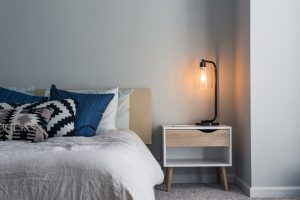
- Set the Stage: Create a mini-ritual. Lie down on a couch or bed. Loosen any tight clothing. You might place a cool, damp cloth over your eyes or forehead to help draw heat down from the head, a classic TCM technique for calming Heart Fire. Use an eye mask to block light, which signals to your brain that it’s time for rest.
Why “After Lunch”? The Digestion-Energy Connection
The timing of the nap in relation to your meal is not arbitrary. In TCM, the Spleen and Stomach are responsible for transforming food into Qi (vital energy) and Blood. This process requires a significant amount of energy. After eating a meal, your body directs a considerable portion of its Qi to the digestive center.
If you immediately engage in strenuous mental or physical activity after lunch, you are pulling that digestive energy away to serve your brain and muscles. This can lead to inefficient digestion, bloating, and fatigue—the very “food coma” many people experience.
Taking a brief rest 20-30 minutes after eating allows your Qi to focus fully on digestion. You’re not asking your body to run two demanding programs at once. This supports the creation of clean, abundant Qi for the rest of the day, rather than creating stagnation and fatigue. It’s a simple act of respecting your body’s metabolic processes.
Creating Your Summer Sleep Sanctuary: Practical Tips for Better Rest
Embracing the TCM approach to summer sleep extends beyond the afternoon nap. It’s about creating an environment and routine that supports your Heart energy all season long. Here are actionable steps you can take:
1. Cool the Environment, Not Just the Body: Keep your bedroom cool, dark, and quiet. Use blackout curtains and consider a fan for gentle air circulation. In TCM, excessive air conditioning can create “Cold” pathogens that block energy flow, so aim for a comfortable coolness (around 68-72°F or 20-22°C) rather than an arctic chill.
2. Embrace Cooling Foods and Drinks: Diet is medicine. Incorporate foods that clear heat and nourish Yin. Think mung bean soup, watermelon, cucumber, celery, and bitter greens like dandelion or arugula. Sip on chrysanthemum tea or mint tea throughout the day. Avoid excessive spicy, greasy, and fried foods, as well as too much red meat and alcohol, which all generate internal heat.
3. Adjust Your Exercise: Shift intense workouts to the cooler hours of early morning or late evening. The midday and afternoon are for gentle, flowing activities like Tai Chi, Qigong, a slow walk in nature, or yin yoga. These practices cultivate Qi without overtaxing the Heart.
4. Mind Your Emotions: The Heart is vulnerable to agitation, anxiety, and over-excitement. Summer social calendars can be full. It’s vital to schedule downtime. Practice calming breathwork, meditation, or simply sit quietly with a cup of tea. Protecting your emotional peace is as important as protecting your skin from the sun.
“In summer, one should retire late and rise early, and not resent the sun. Let the mind be free of anger, and let the outward expression be one of pleasure.”
— Huang Di Nei Jing (The Yellow Emperor’s Classic of Internal Medicine), a foundational text of TCM.
Common Questions
I can’t fall asleep during a 20-minute nap. Does it still help?
Absolutely. The primary goal of the TCM nap is to calm the Shen (spirit) and allow your nervous system to shift from a sympathetic (“fight or flight”) state to a parasympathetic (“rest and digest”) state. Simply lying down in a quiet, dark room, closing your eyes, and focusing on slow, deep breathing achieves this. You are giving your Heart a much-needed break from stimulation. The act of resting, even without sleep, is profoundly beneficial for cooling Heart Fire and replenishing your reserves for the afternoon.
I feel groggy and worse after a nap. What am I doing wrong?
This is a common issue that usually points to one of two things: napping too long or napping too late. Waking from deep sleep causes that disoriented feeling. Set a firm alarm for 20-30 minutes. Also, ensure you’re napping within the 1 p.m. to 3 p.m. window. Napping after 3 p.m. can significantly disrupt your nighttime sleep drive. Finally, try the cool cloth over your forehead technique—it helps draw energy downward and can prevent the heavy-headed feeling.
Is it okay to nap if I have insomnia at night?
This requires careful consideration. For some with chronic insomnia, daytime napping can reduce the “sleep pressure” needed to fall asleep at night. However, for many, a short, well-timed nap can actually reduce the anxiety and fatigue that exacerbate nighttime insomnia. The key is strict adherence to the 20-30 minute duration and early afternoon timing. If you are struggling with significant insomnia, it’s best to consult with a TCM practitioner or healthcare provider who can give you personalized guidance, as they may recommend avoiding naps initially while retraining your sleep cycle.
The bottom line: The summer afternoon lull is a wisdom signal from your body, not a sign of laziness. Traditional Chinese Medicine teaches us to honor this natural rhythm by taking a short, mindful nap after lunch. This simple practice calms the Heart, clears mental fog, supports digestion, and builds resilience against the season’s heat. By syncing with the ancient clock of your body, you transform a moment of fatigue into a powerful tool for vitality and balance.
This article is for educational purposes and reflects traditional wellness perspectives. It is not a substitute for professional medical advice, diagnosis, or treatment.