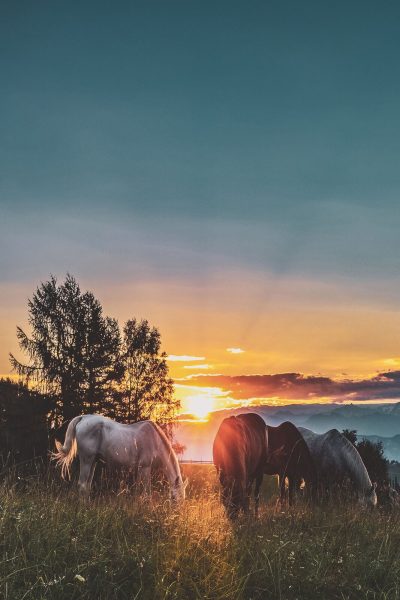
When the long, golden days of summer stretch out before us, our bodies and spirits feel the shift. The world outside is vibrant, full of life, and buzzing with energy. Yet, as the sun lingers late into the evening and the heat wraps around us like a warm blanket, something curious happens to our sleep. You might find yourself wide awake at 10 p.m., restless and agitated, or waking up with the first hint of dawn, feeling strangely unrested. It’s easy to blame the heat, the longer daylight hours, or the occasional late-night barbecue. But according to Traditional Chinese Medicine (TCM), this seasonal sleep disruption isn’t a modern inconvenience—it’s a profound signal from your body, echoing an ancient rhythm that we’ve largely forgotten. TCM doesn’t just offer tips for better sleep in summer; it offers a completely different way of understanding why we need it, and a beautiful, practical roadmap for finding rest even in the heart of the heat.
- The Ancient Rhythm: How Summer Alters Your Body's Clock in TCM
- The TCM Case for "Less" Sleep: Quality Over Quantity in the Heat
- Cooling the Heart Fire: Your TCM Toolkit for Restful Summer Nights
- The Cooling Pantry: TCM-Inspired Foods for Summer Sleep
- Movement and Mindfulness: Aligning Your Day with the Season
- Creating Your Summer Sleep Sanctuary: Environment and Ritual
The Ancient Rhythm: How Summer Alters Your Body’s Clock in TCM
In the West, we often talk about our “internal clock” or circadian rhythm, primarily influenced by light and melatonin. TCM has understood this concept for millennia, but it frames it within a much grander, more interconnected cosmic dance. The foundation of this understanding is the Five Element Theory (Wu Xing), which sees the universe as a series of dynamic, cyclical relationships. Summer is the season of the Fire element. It’s a time of maximum Yang energy—the bright, active, expanding force that governs growth, warmth, and outward expression.
This isn’t just a poetic metaphor; it has direct physiological consequences. During summer, your body’s Yang energy naturally rises and circulates more vigorously toward the surface of your body (your skin) to help you stay cool and regulate your temperature through perspiration. This is why you might feel warmer, sweat more easily, and have a stronger pulse. The problem is, when energy is so concentrated on the exterior, the interior—your core organs—can become relatively “cooler” and more “Yin.” Your Qi (vital energy) is literally working overtime to manage the external heat, which can leave your internal reserves feeling a bit depleted.
Furthermore, TCM connects summer not only to the Fire element but also to the Heart organ system. The Heart is considered the “Emperor” of all organs, the seat of our consciousness (Shen) and spirit. It governs our sleep-wake cycle through the balance of Yang (activity) during the day and Yin (rest) at night. The Heart’s “partner” organ is the Small Intestine, which is responsible for “separating the pure from the impure”—both in digestion and in our thoughts and emotions.
When summer’s intense Fire energy overstimulates the Heart, it’s like a palace with too many lights on and the Emperor is too excited to sleep. This can manifest as anxiety, restlessness, palpitations, vivid dreams, and an inability to “shut off” your mind at night. The Small Intestine, overwhelmed by the influx of “impure” thoughts and stimuli from our busy summer social lives, can’t clear the mental clutter. So, the TCM perspective isn’t that you need to force sleep; it’s that you need to help your body and mind gracefully navigate this seasonal surge of energy, cooling the Heart and calming the Shen.
The TCM Case for “Less” Sleep: Quality Over Quantity in the Heat
Here’s where the TCM advice might surprise you. While modern wellness often prescribes a rigid 7-8 hours year-round, classical TCM texts, most notably the Huangdi Neijing (The Yellow Emperor’s Classic of Internal Medicine), offer a radically different prescription for summer:
“In the three months of summer, … one should retire late at night and rise early. One should not dislike the sun. Let the mind have no anger…”
“Retire late and rise early.” This simple instruction is the cornerstone of summer sleep TCM. It’s not about sleep deprivation; it’s about alignment. By going to bed a bit later (around 10:30-11 p.m., when the Yin energy begins to build) and waking with the sun (around 5:30-6:30 a.m.), you are consciously attuning your personal rhythm to the rhythm of the season. You are embracing the longer day, soaking in the early morning Yang energy, and allowing the Yin of night to deepen fully.
The goal is not to chase hours, but to cultivate depth. An hour of deep, uninterrupted sleep where the Shen is peacefully housed in the Heart is worth two hours of fitful, dream-disturbed tossing. This is why a 30-minute nap, or “closing the eyes” (wu), is also a powerful TCM summer tool. A short rest during the hottest part of the day (typically between 1-3 p.m., when the Heart meridian is most active) can prevent the Heart Fire from flaring out of control in the evening. Think of it as a strategic “cooling break” for your entire system.
Cooling the Heart Fire: Your TCM Toolkit for Restful Summer Nights
So, how do we practically cool this inner fire and invite deep rest? TCM offers a holistic toolkit that goes far beyond blackout curtains and white noise machines. It’s about creating an internal environment where sleep can naturally arise.
1. Dietary Wisdom: Eating to Cool from the Inside Out
Food is your first and most powerful medicine. In summer, your diet should shift to include more cooling, hydrating, and slightly bitter foods. Bitter flavor, in TCM, has a natural affinity for the Heart and can clear heat and drain excess fire.
- Bitter Greens: Dandelion greens, arugula, bitter melon (a classic!), endive, and radicchio. Sauté them lightly with garlic or add them to salads.
- Cooling Fruits: Watermelon (the ultimate summer fruit in TCM—nourishes fluids and clears heat), cucumber, pear, and citrus fruits like lemon and lime.
- Hydrating Vegetables: Mung beans (cook them into a simple, sweet soup or porridge), celery, lettuce, and summer squash.
- Light Proteins: Fish, tofu, and small amounts of chicken are easier to digest in the heat than heavy red meats, which can generate more internal warmth.
- Aromatic Herbs: Mint, chrysanthemum (make a tea!), and basil have a cooling, uplifting quality that can clear the head and soothe the spirit.
A simple evening ritual could be a cup of warm (not hot) chrysanthemum or mint tea. The warmth helps you digest, while the herbs work to cool the Heart Fire from within.
2. Acupressure: Your Personal Sleep Button
You don’t need to be an acupuncturist to use the power of the meridian system. Gently massaging specific points can work wonders to calm the mind and cool the heart.
Heart 7 (Shenmen): This is the “Spirit Gate” point. It’s located on the wrist crease, in the small depression just inside the tendon of the flexor carpi ulnaris muscle (on the pinky side). Using your thumb, apply gentle, steady pressure for 2-3 minutes while taking deep, slow breaths. This is a premier point for anxiety, insomnia, and calming the Shen.
Pericardium 6 (Neiguan): Famous for nausea, this point also calms the Heart and regulates the rhythm. It’s three finger-widths up from the wrist crease, between the two tendons on the inner forearm. Massage in a circular motion.
Kidney 1 (Yongquan): The “Gushing Spring” point on the sole of the foot, in the depression just above the pad when you curl your toes. This is a powerful grounding point that draws excess heat and energy downward, away from the head and heart. Rub it vigorously before bed.
3. The Cooling Power of Foot Baths
This might sound counterintuitive for summer, but a warm foot bath before bed is a cornerstone of TCM sleep hygiene. The warmth initially relaxes the muscles and dilates blood vessels in the feet, but the real magic happens as it draws blood flow and energy (Yang) downward, away from an overstimulated head. Add a handful of Epsom salts (magnesium helps relax muscles) and a few drops of cooling essential oils like peppermint or lavender. Soak for 15-20 minutes. You’ll feel the heat literally drain from your upper body.
The Cooling Pantry: TCM-Inspired Foods for Summer Sleep
| Food | TCM Thermal Nature | Key Benefit for Sleep | Simple Summer Use |
|---|---|---|---|
| Watermelon | Cold | Strongly clears Summer-Heat, generates fluids, calms the Heart. | Eat fresh, or blend the white rind into a cooling juice. |
| Cucumber | Cool | Clears heat, relieves thirst, promotes body fluids. | Add to water with mint, or eat as a snack with a pinch of salt. |
| Mung Bean | Cool | Clears heat and toxins, especially from the Heart and Small Intestine. | Simmer into a simple sweet soup with a little rock sugar. |
| Chrysanthemum Flower | Cool | Clears Liver and Heart heat, brightens the eyes, calms the spirit. | Steep 5-6 flowers in hot water for a calming, golden tea. |
| Lily Bulb (Bai He) | Cool | Nourishes Lung and Heart Yin, moistens dryness, calms the spirit. | Add to congee or soups; often paired with pear. |
| Bitter Melon | Cold | Powerfully clears summer heat, drains Heart fire. | Stir-fry with garlic and fermented black beans. |
| Lotus Seed | Neutral | Calms the spirit, nourishes the Heart, benefits the Spleen. | Add to soups, congee, or desserts. |
This table is your quick reference. Notice the emphasis on “cool” and “cold” thermal natures. In the peak of summer, incorporating these foods is like giving your internal air conditioner a helping hand.

Movement and Mindfulness: Aligning Your Day with the Season
How you move and rest during the day has a direct impact on your sleep at night. The summer advice is clear: slow down, especially at midday.
Morning: Embrace the cooler morning hours for gentle movement. A walk in nature, light gardening, or a gentle Tai Chi or Qigong practice is ideal. These arts are designed to cultivate and circulate Qi without depleting it. They harmonize the body’s rhythms with the rhythms of nature. The goal is to feel refreshed and energized, not exhausted.
Midday (The Critical Rest): This is non-negotiable for summer wellness. Between 1-3 p.m., the sun is at its peak and the Heart meridian is most active. This is the time for your strategic nap or quiet rest. Even 20-30 minutes of lying down with your eyes closed, perhaps with a cool cloth on your forehead, can prevent the afternoon slump and stop Heart Fire from building to an unmanageable level by evening. It’s not laziness; it’s intelligent, preventive medicine.
Chat with Me, our AI wellness guide — get personalized TCM advice instantly.
Evening: As the sun begins to set, your activities should wind down accordingly. Avoid vigorous exercise, intense work, or heated discussions after 7 p.m. These all stoke the very Yang and Fire you are trying to quiet. Instead, opt for a leisurely walk, light reading, gentle stretching, or connecting with loved ones in a calm way.
Emotional Hygiene: The Heart is easily disturbed by strong emotions, especially joy that becomes overexcitement, or frustration and anger. In summer, be mindful of your emotional landscape. Practice gratitude journaling in the evening to soothe the Heart. If you feel agitated, place a hand over your Heart center (sternum) and breathe deeply, imagining cool, blue light filling the space. This simple mindfulness practice can be profoundly effective.
Creating Your Summer Sleep Sanctuary: Environment and Ritual
Your external environment should support your internal cooling process.
The Bedroom: Keep it as cool as possible. Use fans to circulate air rather than blasting arctic air conditioning, which can create an unnatural chill that might contract the pores and trap heat inside (a TCM concept called “Cold lodging in the exterior”). If you use AC, set it to a comfortable, not cold, temperature and ensure the airflow isn’t directly on you.
Bedding: Switch to lightweight, natural fabrics like cotton, linen, or bamboo. These breathe and wick moisture away. Consider a silk pillowcase—it stays cool to the touch and is gentle on the skin and hair.
The 90-Minute Wind-Down: Your evening ritual should be a sacred, screen-free period. Here’s a sample TCM-inspired wind-down:
- 8:30 PM: Finish any light, easily digestible dinner. Sip a small cup of chrysanthemum or mint tea.
- 9:00 PM: Power down all screens. Dim the lights in your home.
- 9:15 PM: Take your warm foot bath with Epsom salts and peppermint oil.
- 9:45 PM: While in bed, perform your acupressure routine—Heart 7 and Kidney 1.
- 10:00 PM: Practice a simple breathing meditation. Inhale for a count of 4, hold for 4, exhale for 6. The longer exhale activates the parasympathetic nervous system.
- 10:15 PM: Lights out. Allow yourself to drift into the deep, cooling Yin of the night.
Common Questions
1. I feel tired all summer, but I can’t nap. What can I do?
Don’t force a sleep nap. Instead, practice “quiet rest.” Lie down in a cool, dark room for 20-30 minutes. You don’t have to fall asleep. The act of horizontal rest, with your eyes closed and your mind disengaged from tasks, is still incredibly restorative for the Heart system. It allows your Yang energy to settle inward. You can listen to calming music, a guided meditation, or simply focus on your breath. The goal is stillness, not necessarily sleep.
2. Is it really okay to sleep less in summer? I’m worried I won’t get enough rest.
This is a common and valid concern. The key is to listen to your body. The TCM recommendation to “retire late and rise early” is a general guideline for a healthy person in a temperate climate. If you are ill, recovering, pregnant, or feel genuinely exhausted, you absolutely should sleep when your body tells you to. The principle isn’t about deprivation; it’s about flexibility and attunement. If you go to bed a little later and wake naturally with the sun feeling refreshed, that’s your body telling you it’s aligned. If you feel draggy and tired, it’s a sign you need more rest or that your internal cooling mechanisms need more support (check your diet and stress levels). Quality is always more important than a rigid number of hours.
3. What if I have to use air conditioning? Does that conflict with TCM?
Modern life requires modern solutions, and TCM is practical. The goal is to avoid extremes. Blasting very cold air can create a “wind-cold” invasion, which in TCM can cause stiff necks, headaches, and even trap heat inside the body, making you feel paradoxically hotter later. The solution is to use AC mindfully. Set the thermostat to a comfortable, moderate temperature (e.g., 75-78°F or 24-26°C). Use a fan to keep air circulating. Avoid sitting or sleeping directly in the path of the cold air. The idea is to take the dangerous edge off the heat, not to create an artificial winter. Your body still needs to experience the seasonal warmth to some degree to stay in sync.
The bottom line: Traditional Chinese Medicine views summer sleep not as a problem to be fixed, but as a seasonal rhythm to be embraced. By understanding that the heat naturally stirs our inner Fire and taxes our Heart system, we can respond intelligently. We can cool our bodies with bitter and hydrating foods, calm our minds with acupressure and mindful rest, and align our schedules with the sun’s arc. The goal shifts from forcing a specific number of hours to cultivating deep, peaceful, and restorative rest that honors the vibrant, expansive energy of the season. In doing so, we don’t just survive the summer heat; we learn to thrive within it, emerging more balanced, resilient, and deeply connected to the natural world around us.
This article is for educational purposes and reflects traditional wellness perspectives. It is not a substitute for professional medical advice, diagnosis, or treatment.