There is a particular kind of exhaustion that only summer brings. It’s not the cozy, sleepy tiredness of winter. It’s a buzzing, over-stimulated fatigue that comes from too much sun, too many barbecues, too many late nights, and the constant, frantic feeling that you must squeeze every last drop of joy out of the long, bright days. We run from the lake to the farmer’s market to the patio dinner, and by August, we feel strangely hollowed out. In Traditional Chinese Medicine (TCM), summer is the season of maximum Yang energy—think of it as nature’s peak hour of activity, light, and expansion. The antidote to this isn’t to hide indoors, but to meet this expansive energy with intentional, gentle rituals that create pockets of cool, quiet Yin within your day. This is the essence of summer slow living rituals: not doing less, but moving with more awareness so the season nourishes you instead of leaving you depleted.
- 1. The Dawn Ritual: A 10-Minute Window of Cool Light
- 2. The Midday Pause: The "Yin Within Yang" Practice
- 3. The Hydration Ritual: Beyond Plain Water
- 4. The Evening Unwinding: A Cooling Foot Soak
- 5. The "One Plate" Meal: Nourishment Without the Burden
- 6. The Twilight Walk: Syncing with the Cooling Air
- 7. The Digital Sunset: Creating a Cool, Dark Cave
1. The Dawn Ritual: A 10-Minute Window of Cool Light
The most precious commodity in summer isn’t sunlight—it’s cool, gentle light. The hour before the sun fully claims the sky is a sacred time, filled with a soft, blue-white light and air that holds the memory of the night’s coolness. My grandmother, who grew up in a village in Guangdong, called this time “chén guāng” (晨光), or “morning light.” It wasn’t for productivity. It was for quiet observation. “The plants are still sleeping,” she’d say. “You should be as calm as they are.”
Your Actionable Ritual: Set your alarm for just 10 minutes earlier than your usual summer wake-up time. Do not reach for your phone. Instead, go to your window, step onto your balcony, or if you can, sit on your front step. Your only task is to observe. Watch the exact color of the sky change. Feel the temperature on your skin. Listen to the first bird calls. This 10-minute window of chén guāng sets a tone of quiet observation for the entire day ahead, anchoring you before the heat and noise begin.
2. The Midday Pause: The “Yin Within Yang” Practice
This is the cornerstone concept for understanding summer wellness. In TCM, everything contains its opposite. Within the hottest, most active Yang time of day (11 a.m. to 1 p.m.), there exists a sliver of Yin. This is the principle of “Yin within Yang.” It’s why a shady tree in a sun-baked field feels so profoundly restorative. Your body, like nature, has this built-in cooling system. Summer’s slow living is about learning to access it.
Your Actionable Ritual: Commit to a true midday pause, lasting just 15-20 minutes, ideally between 11:30 a.m. and 1:30 p.m. This is non-negotiable. It is not for scrolling, emailing, or even chatting. Find the coolest, darkest spot in your home—a basement, a north-facing room, even a closet with the door cracked. Lie down on the floor (a yoga mat or blanket is perfect). Place a cool, damp cloth over your eyes. Breathe deeply into your belly. If you fall asleep, wonderful. If not, just rest in the stillness. This practice directly nourishes your Yin energy, counteracting the day’s peak heat from the inside out.
3. The Hydration Ritual: Beyond Plain Water
Chugging liters of ice water is a surprisingly modern and, from a TCM perspective, somewhat blunt approach to summer hydration. While hydration is critical, the goal is to nourish fluids and cool the body’s internal temperature without shocking the digestive system (what we call the Spleen and Stomach). Cold, plain water can dampen digestive fire, leading to bloating and fatigue—the opposite of what we want. The traditional approach is to sip room-temperature or slightly cool drinks infused with ingredients that both quench thirst and gently support the body’s fluid metabolism.
Your Actionable Ritual: Prepare one of these three traditional infusions each morning. Keep it in a glass pitcher or jar on your counter (not the fridge) and sip from it throughout the day.
- The Cooling Classic: Boil 1 liter of water. Steep 10-15 dried chrysanthemum flowers (available at any Asian grocery store) and 1-2 pieces of rock sugar (optional, for a touch of sweetness) for 10 minutes. Strain and let cool. Chrysanthemum is prized for clearing “summer heat” from the head and eyes.
- The Digestive Ally: To 1 liter of room-temperature water, add the juice of 1 lemon, a pinch (1/8 tsp) of high-quality sea salt, and 1-2 tablespoons of raw honey. This creates a natural electrolyte drink that is gentle on the stomach.
- The Herb Garden Blend: Steep a large handful of fresh mint leaves and a few slices of cucumber in 1 liter of cool water overnight. Mint is a powerful Qi-moving herb that helps release trapped heat from the body’s surface.
 chrysanthemum tea with dried flowers, placed on a wooden table in gentle morning light, embodying summer slow living rituals.”/>
4. The Evening Unwinding: A Cooling Foot Soak
In Chinese medicine, the feet are a map of the entire body, with over 60 acupuncture points. They are also one of the primary channels through which the body releases heat. On a hot day, heat rises, often getting stuck in the head and chest, causing irritability, headaches, and restless sleep. A simple foot soak in the evening acts like a release valve, drawing that excess heat downward and out through the soles of your feet.
Your Actionable Ritual: One hour before bed, prepare a basin of comfortably warm water (not cold—cold constricts the pores and traps heat). To the water, add:
- 2-3 tablespoons of Epsom salts (magnesium relaxes muscles).
- 5-10 drops of peppermint or lavender essential oil. Peppermint is especially cooling in summer.
- For a deeper traditional approach, add a strong brew of fresh ginger slices (a 2-inch piece, sliced) and mugwort (ài cǎo, 艾草). Mugwort is a warming herb paradoxically used to clear damp-heat; it’s a cornerstone of summer foot baths in many Asian households.
5. The “One Plate” Meal: Nourishment Without the Burden
Summer digestion is naturally weaker because blood flow is diverted to the skin for cooling, and our bodies are busy managing internal temperature. Large, complex meals create what TCM calls “dampness”—a heavy, sluggish, bloated feeling. The slow living solution is beautifully simple: the “One Plate” meal.
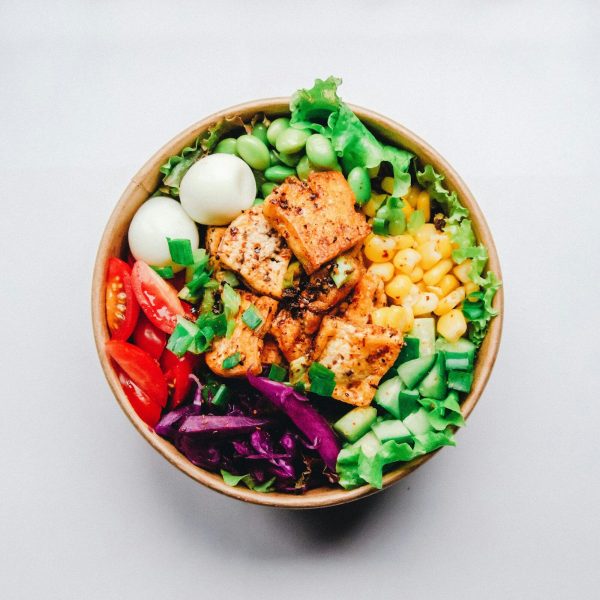
Your Actionable Ritual: For at least one meal a day (lunch is ideal), use a single, 10-inch plate. Fill it according to this rule of thumb: ½ plate non-starchy vegetables (cucumber, bitter melon, leafy greens, tomatoes), ¼ plate clean protein (grilled fish, tofu, chicken), and ¼ plate easily digestible carb (sweet potato, quinoa, rice). The key is the vegetables—they should be the star. Prioritize bitter and cooling vegetables, which are nature’s summer medicine. My family’s summer staple was a simple stir-fry of bitter melon with scrambled eggs and a splash of soy sauce. The bitterness is an acquired taste, but it’s incredibly effective at draining summer heat and dampness.
Sample “One Plate” Summer Meals
| Meal | Vegetables (½ Plate) | Protein (¼ Plate) | Carb (¼ Plate) |
|---|---|---|---|
| Lunch | Shredded cucumber & carrot salad with rice vinegar | Canned wild salmon | Leftover brown rice |
| Dinner | Sautéed zucchini and cherry tomatoes with basil | Grilled chicken thigh | Small baked sweet potato |
| Quick Meal | Steamed broccoli & sliced radishes | Fried or soft-boiled eggs (2) | Soba noodles (buckwheat, cooling) |
6. The Twilight Walk: Syncing with the Cooling Air
As the sun sets, the Yang energy of the day begins to recede, and the Yin energy of the evening rises. This transition, known as “mù sè” (暮色) or “twilight,” is a powerful time to reset your nervous system. A walk at this hour isn’t about exercise or steps; it’s about conscious transition. It’s a walking meditation that helps you shed the day’s accumulated heat and mental chatter.
Your Actionable Ritual: After your “One Plate” dinner, wait 20-30 minutes, then go for a 15-minute walk. The rules are simple:
- Leave your phone at home. Or, at the very least, put it on airplane mode in your pocket.
- Walk slowly. Match your pace to your breath.
- Engage your senses. Feel the air temperature change on your skin. Notice the long shadows. Listen to the evening sounds—crickets, distant lawnmowers shutting off, children being called inside.
- Practice “soft gaze.” Instead of focusing intensely on any one thing, let your eyes relax and take in the whole scene peripherally.
7. The Digital Sunset: Creating a Cool, Dark Cave
Summer’s long evenings are a gift, but they often lead to extended screen time—binge-watching, social media scrolling—under the guise of “relaxing.” This is a trap. The blue light from screens suppresses melatonin and keeps your mind in a stimulated, Yang state long after your body is begging for Yin coolness and rest. Your final ritual is to declare a Digital Sunset.
Your Actionable Ritual: Choose a time—9 p.m., 10 p.m., whatever is realistic for you—and commit to turning off all screens (TV, laptop, tablet, phone) at that exact time. Then, transform your bedroom into a cool, dark cave:
- Cool: If you have AC, set it to 67-69°F (19-21°C). If not, use a fan pointed at an open window to create cross-ventilation. Place a bowl of ice in front of the fan for a DIY air conditioner.
- Dark: Use blackout curtains or a sleep mask. Even the slightest light can disrupt sleep cycles.
- Quiet: If you need sound, use a white noise machine or a fan, not a podcast or music with lyrics.
Common Questions
1. Isn’t this just being lazy? I feel like I should be more active in summer.
This is the most common misconception. Slow living isn’t laziness; it’s intelligent energy management. Think of your body like a smartphone battery. In summer, the screen (your metabolism) is on high brightness, background apps (cooling processes) are constantly running, and you’re using GPS (digestion) more often. If you don’t consciously plug into a charger (Yin practices), you’ll hit 20% by 3 p.m. These rituals are your charger. They ensure you have the sustainable energy to enjoy the season’s activities fully, rather than crashing from them.
2. I work a 9-5 job. How can I possibly fit in a midday pause?
Adaptability is key. Your 15-minute midday pause doesn’t have to be a nap in a dark room (though if you can, try it!). It can be: 1) Eating lunch away from your desk, outside if possible, in silence. 2) Finding a quiet stairwell, putting in noise-canceling headphones with a guided 10-minute body scan meditation, and closing your eyes. 3) Simply closing your office door, putting your head on your desk, and focusing on 20 slow, deep breaths. The goal is to consciously interrupt the day’s Yang momentum, not to achieve a perfect state of rest. Even 5 minutes of true mental stillness counts.
3. Are these rituals based on superstition or real science?
They are based on observational wisdom refined over millennia, which modern science is increasingly validating. For example: the midday pause aligns with the well-documented post-lunch dip in circadian alertness (the “afternoon slump”), which is a natural drop in core body temperature. A foot soak’s cooling effect is explained by vasodilation (widening of blood vessels) in the feet, which helps dissipate core heat. The principles of “Yin within Yang” map onto the concept of circadian rhythms and the body’s thermoregulatory system. This isn’t superstition; it’s a holistic framework for living in harmony with biological and environmental cycles.
The bottom line: Summer slow living rituals are not about adding more to your to-do list. They are about weaving small, intentional acts of cooling, quieting, and nourishing into the existing fabric of your long summer days. By greeting the dawn, honoring the midday pause, hydrating wisely, cooling your feet, eating simply, walking at twilight, and declaring a digital sunset, you create a rhythm that allows you to enjoy the vibrant Yang energy of the season without being burned out by it. You become like the shady tree in the sun-baked field—rooted, cool, and profoundly alive.
This article is for educational purposes and reflects traditional wellness perspectives. It is not a substitute for professional medical advice, diagnosis, or treatment.