There is a specific kind of quiet that only exists in the height of summer. It’s not the silence of winter, which feels heavy and dormant. This is a living, breathing quiet—the hum of cicadas in the afternoon heat, the slow drift of a cloud, the way the air itself seems to thicken and slow down. My grandmother used to call this season’s energy Yang within Yang: the peak of brightness and activity, which paradoxically contains the seed of turning inward. In our modern rush, we often miss this signal entirely. We fill our summers with back-to-back plans, fighting against the very rhythm nature is trying to establish. What if, instead, we embraced summer’s invitation to slow down? Not by doing nothing, but by doing things with a different quality—one of presence, simplicity, and deep enjoyment. This is the heart of summer slow living: finding profound joy not in the extraordinary, but in the deeply ordinary moments the season offers freely, if we only have the patience to receive them.
1. The Midday Pause: Embracing the “Xiu Xi” Principle
In Traditional Chinese Medicine (TCM), the period between 11 a.m. and 1 p.m. is governed by the Heart meridian, a time when our yang energy is at its absolute peak. The ancient practice wasn’t to power through with another coffee, but to honor this with a xiu xi—a deliberate rest or quiet interlude. This isn’t a full nap (though it can be), but a conscious downshift. My grandfather, even during his busiest years running a small shop, would pull a canvas chair into the shaded courtyard after lunch. He wouldn’t sleep. He’d simply sit, sipping a cup of ju hua cha (chrysanthemum tea), watching the shadows lengthen. “The day must breathe out,” he’d say, “so we can breathe in the afternoon.”
Modern science aligns with this wisdom. Our circadian rhythm naturally dips in the early afternoon, a phenomenon sometimes called the “post-lunch dip.” Fighting it with caffeine or sugar only leads to a later crash. Embracing it, however, can reset your entire day.
How to Practice Today:
- Timing: Set a 20-minute window between 12:30 p.m. and 2:00 p.m.
- Activity: No screens, no work. Sit in a comfortable chair, preferably near an open window or in a shady spot.
- Drink: Brew a simple cooling tea. Steep 5-6 dried chrysanthemum flowers and 3 goji berries in hot (not boiling, around 180°F/82°C) water for 5 minutes. The slightly sweet, floral taste is calming and helps clear “summer heat” from a TCM perspective.
- Mindset: Don’t try to “achieve” relaxation. Just observe. Notice the quality of the light, the temperature of the air against your skin, the sounds. You are not resting from your day; you are resting within it.
2. Eat with the Sun: The One-Pantry, One-Pot Summer Meal
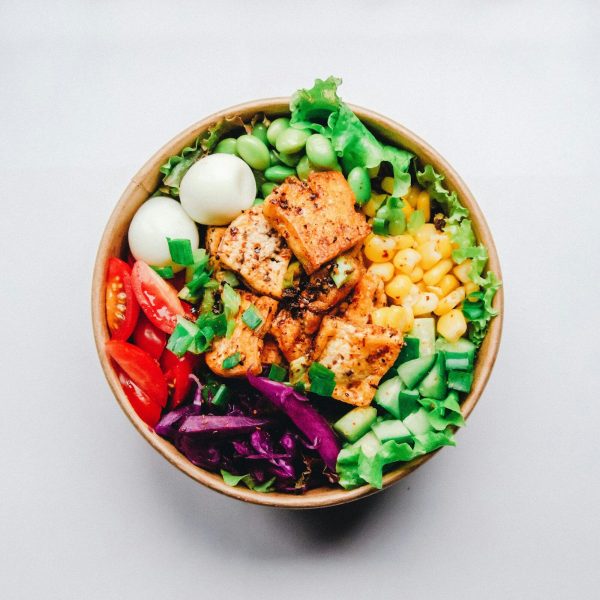
Summer cooking should feel effortless. The goal isn’t a complex recipe that heats up the kitchen for hours. It’s about creating simple, nourishing meals that align with the body’s need for lighter, cooler foods—without the modern trap of endless cold salads that can, in TCM terms, weaken our digestive “fire” (the Spleen Qi). The secret is the one-pot summer meal.
This concept is a staple in many Asian households during the hot months. You combine a grain, a vegetable, and a protein in one pot with a flavorful broth. It’s light, hydrating, and requires minimal cleanup. The key is using fresh, seasonal produce and a broth that carries the flavor.
A Sample One-Pot Summer Supper:
| Component | Ingredient (1-2 servings) | Summer Benefit |
|---|---|---|
| Base & Broth | 1 cup short-grain rice, rinsed. 2 cups low-sodium vegetable or light chicken broth. | Easy to digest, provides steady energy without heaviness. |
| Summer Vegetable | 1 small zucchini or 1 cup fresh green beans, chopped. 1 cup baby spinach. | High water content for hydration. Spinach adds cooling iron (in TCM, it’s a cooling food). |
| Protein | 1-2 small chicken thighs (skin-on for flavor, optional) or 1 cup cubed firm tofu. | Thighs stay moist; tofu is light and cooling. |
| Flavor & Qi | 3 slices fresh ginger, 2 sliced scallions, 1 tsp sesame oil, 1 tsp soy sauce or tamari (added after cooking). | Ginger warms the digestive center, preventing the “cold” meal from dampening digestion. Sesame oil nourishes yin. |
Method: Place rice, broth, ginger, and protein (if using raw chicken or tofu) in a pot. Bring to a boil, then simmer covered for 15 minutes. Add the green beans or zucchini, cover again, and cook for another 5-7 minutes until vegetables are tender-crisp and rice is cooked. Stir in spinach until wilted. Serve in a bowl, drizzled with sesame oil, soy sauce, and topped with fresh scallions.
This meal embodies summer slow living: it’s fast to prepare but encourages you to sit down and savor it. The warmth of the ginger in the cool broth is a perfect metaphor for balanced summer living—honoring the heat outside while protecting the gentle fire within.
3. Cultivate a “Small Nature” Ritual
You don’t need a national park to connect with nature. Summer’s abundance is often right outside your door, in a pot, or on a walk around the block. The practice here is to create a micro-ritual around observing a single, natural thing. This trains the mind in mindfulness and roots you in the season’s pace.
I started this with a single pot of mint on my fire escape. Every morning, before I even made my tea, I would go out, touch the soil, and count how many new leaves had unfurled overnight. It took 30 seconds, but it became an anchor. It told my brain: This is what time feels like right now. Not email time. Not deadline time. Mint-growing time.
Choose Your “Small Nature”:
- The Herb Pot Observer: Plant or buy one pot of basil, mint, or rosemary. Make it your job to notice its daily changes. Does it need water? Is a bee visiting the flowers?
- The Sky Watcher: At the same time each day (try just after waking or after dinner), step outside and look up. Note the color, the cloud shapes, the direction of the wind. Keep a one-line log in a notebook.
- The Flower Arranger: Buy one bunch of seasonal flowers (sunflowers, dahlias, zinnias) each week. Don’t arrange them perfectly. Simply place them in a vase and observe how they open, change, and eventually fade. This is a lesson in impermanence and beauty in every stage.
4. Unplug with a “Slow Hour” Before Bed
Summer evenings are long and golden, yet we often fill them with the blue light of screens, which tricks our pineal gland into thinking it’s still daytime, disrupting the natural dip in melatonin needed for sleep. The slow living solution is to reclaim the last hour before sleep as a digital twilight zone.
This isn’t about willpower; it’s about creating an environment that makes slowness inevitable. My family’s version was simple: after 9 p.m., the overhead lights went off, and only a few warm, low lamps were on. No television. This was the time for quiet activities—mending clothes, reading paper books, writing letters, or simply sitting on the porch with a fan blowing.
Build Your Slow Hour:
- Set the Scene: At a fixed time (e.g., 9:00 p.m.), put your phone on “Do Not Disturb” and place it in another room. Turn off the TV and main overhead lights. Use lamps with warm-toned bulbs.
- Choose a Tactile Activity: The key is to engage your hands and senses in something physical.
- Summer Reading: Keep a specific, easy-to-read book on your nightstand for this hour only. Short stories or poetry collections are perfect.
- Cooling Foot Soak: Fill a basin with cool (not cold) water and a few drops of peppermint essential oil. Soak your feet for 15 minutes while you sit in a comfortable chair. This draws heat down from the head, a classic TCM strategy for cooling the body and calming the mind.
- Gentle Stretching: A simple 10-minute routine of neck rolls, seated spinal twists, and reaching your arms overhead can release the day’s physical tension.
- End with a Signal: A final sip of room-temperature water, a single deep breath, and a quiet “goodnight” to your space marks the transition to sleep.

5. Practice the Art of “Doing Nothing” Well
This is the most counterintuitive and, perhaps, most challenging form of summer slow living. In a productivity-obsessed culture, “doing nothing” feels like a failure. But in many Eastern philosophies, and certainly in the quiet wisdom of my own upbringing, there is a profound difference between laziness and restful awareness. Laziness is a dull, avoidant state. Restful awareness is a conscious, receptive stillness. It’s the art of being present without an agenda.
“To do nothing at all is the most difficult thing in the world, the most difficult and the most intellectual.” — Oscar Wilde
The Chinese concept of wu wei (无为) is often translated as “non-action” or “effortless action.” It doesn’t mean passivity. It means acting in perfect, spontaneous harmony with the flow of life, without forcing or striving. Summer, with its inherent slowness, is the perfect season to practice a simple form of this: scheduled non-doing.
How to Schedule Non-Doing:
- Block Time: Literally put a 30-minute block in your calendar once a week. Label it “Summer Pause” or “Porch Time.”
- Choose a Passive Vantage Point: Sit in a chair, on a bench, or on a blanket. You are not going to read, scroll, or talk. You are simply going to be a witness.
- Engage Your Senses Selectively: Pick one sense to focus on for 5 minutes. First, just listen. Don’t label sounds (bird, car), just notice the texture of the soundscape. Then, just feel—the breeze, the sun’s warmth, the chair beneath you. Then, just see—the play of light and shadow.
- Observe Your Mind: Your mind will race. It will list chores, replay conversations, generate worries. This is not a failure. This is the practice. Gently notice the thought, and return your attention to your chosen sense. You are training your mind to rest in the present moment, not in its constant projections.
This practice is a gift of time you give back to yourself. It is the ultimate expression of believing that your being, not just your doing, has value. After a few sessions, you’ll find this quality of presence starts to bleed into other moments—while washing dishes, waiting for water to boil, or walking to your car. You start to live in the summer, not just through it.
Common Questions
Isn’t slow living just for people with a lot of free time?
Not at all. Summer slow living is about the quality of attention, not the quantity of time. It’s about transforming mundane moments—a 20-minute lunch break, a 10-minute walk from the car—into opportunities for presence. The one-pot meal takes the same amount of time as ordering delivery. The slow hour replaces screen time that often leaves us feeling drained. It’s a reallocation, not an addition.
How do I convince my family or partner to join in?
Start with your own practice and let the results speak. When you’re calmer at dinner because you took your midday pause, or you sleep better after your slow hour, they’ll notice. Invite, don’t prescribe. Say, “I’m making this simple one-pot chicken and rice tonight, want to try it?” or “I’m going to sit on the porch for 15 minutes before bed, feel free to join me.” Frame it as an experiment or a shared experience, not a rule.
What if I live in a city with no real access to nature?
Nature is everywhere. The “small nature” ritual is designed for this. A potted herb on a windowsill, watching the weather change from your apartment window, visiting a city park and sitting under one specific tree for 20 minutes. The point is focused, singular attention on a living, changing thing. The city itself offers a rhythm—the early morning quiet, the late-night lull—that you can tune into. The practice is about shifting your perception, not changing your location.
The bottom line: Summer’s slow pace isn’t a limitation to overcome; it’s a natural rhythm to align with. By embracing the midday pause, eating simply, cultivating small rituals of nature, creating digital twilight, and practicing the art of restful awareness, you transform the ordinary moments of summer into a profound practice of joy and presence. You don’t need a vacation to slow down. You need only to decide, today, to meet the season where it is—in the quiet hum of the afternoon, in the steam of a simple meal, in the green of a single leaf.
This article is for educational purposes and reflects traditional wellness perspectives. It is not a substitute for professional medical advice, diagnosis, or treatment.