There is a particular quality to summer air, a heaviness that settles in the afternoon and seems to slow everything down. The sun climbs high, the cicadas begin their droning chorus, and the world feels both full of life and strangely languid. In our modern, productivity-obsessed culture, this natural slowdown can feel like a challenge. We want to fight it, to fill the long days with barbecues, beach trips, and back-to-back schedules, treating the season as a problem to be optimized. But what if the wisest thing to do in summer is, in fact, nothing? Not lazy, apathetic nothing, but a conscious, graceful practice of non-forcing—an ancient Chinese concept known as wu wei. This summer, let’s explore how this principle of “effortless action” can become your most nourishing and sustainable practice for mindful living.
What Exactly is Wu Wei? (It’s Not What You Think)
At first glance, wu wei (无为) can be misleading. The characters translate literally to “without action” or “non-doing,” which might conjure images of idleness or passivity. But in Daoist philosophy, from which it originates, it means something far more profound. Wu wei is the art of acting in harmony with the natural flow of things, without excessive effort, resistance, or ego-driven struggle. It is the opposite of forcing. Think of a skilled sailor who adjusts their sails to harness the wind, rather than rowing furiously against it. The sailor is certainly acting, but their action is aligned with a greater force, making it feel effortless and effective.
In the context of wu wei summer living, it invites us to align our rhythms with the season’s inherent energy. Summer, in Traditional Chinese Medicine (TCM), is the season of maximum yang—energy, expansion, heat, and outward activity. It’s associated with the heart and the emotion of joy. Trying to maintain the frantic pace of spring or the structured productivity of autumn goes against this current. Wu wei suggests we can find greater joy and vitality by letting the season guide us: rising with the sun, enjoying midday rest, savoring cool, hydrating foods, and embracing spontaneous joy rather than scheduled fun.
“Nature does not hurry, yet everything is accomplished.” — Lao Tzu
The Summer Body’s Wisdom: Listening to Your Qi
Your body already understands wu wei. It’s the intelligence that makes you crave watermelon on a scorching day, or feel sleepy after a heavy lunch in the heat. This is your body’s qi (vital energy) communicating with you. In summer, the heat can easily scatter our qi, leaving us feeling drained, irritable, or restless—symptoms TCM describes as “summerheat” invasion. The wu wei response isn’t to power through with caffeine and willpower, but to listen and adapt.
Notice how you feel after a bustling weekend festival versus a quiet morning spent reading in the shade. Which one leaves you feeling replenished? The practice begins with simple awareness: tracking your energy levels, mood, and digestion in relation to your activities and the weather. You might discover that a 20-minute nap after lunch (a common practice in many Asian cultures during summer) does more for your afternoon focus than another cup of coffee. You might find that a gentle, early morning walk is more energizing than a high-intensity noon run. Wu wei summer is about making these micro-adjustments based on your body’s innate wisdom, not a rigid schedule.
Practical Wu Wei: A Summer Day Reimagined
Let’s translate this philosophy into your daily routine. A wu wei summer day isn’t empty; it’s intentionally spacious. It’s about creating room for the unexpected and allowing your energy to guide your actions.
- Morning (The Yang Rise): Wake with or shortly after the sun. Drink a glass of room-temperature water. Instead of immediately checking your phone, step outside for five minutes. Feel the air, listen to the birds. Let your body wake up naturally.
- Midday (Peak Yang & Heat): This is the time for the wu wei pause. Eat a light, cooling lunch—perhaps a cucumber salad or chilled noodles. Then, allow for rest. This could be a 15-30 minute nap, or simply sitting quietly with a book. Avoid demanding tasks or intense exercise.
- Afternoon (Gradual Yin): As the heat wanes, you might feel a second wind of gentle activity. This is perfect for a slow walk, watering plants, or a creative hobby. The key is to follow your curiosity, not a to-do list.
- Evening (Yin Embrace): Enjoy dinner with loved ones, savoring each bite. As darkness falls, allow your energy to contract. Dim the lights, disconnect from screens, and perhaps enjoy a cool foot bath or some gentle stretching. Let the day wind down organically.
Nourishment Without Force: Eating the Wu Wei Way
Our relationship with food is one of the easiest places to practice wu wei. In summer, the digestive system, governed by the Spleen and Stomach in TCM, is actually more vulnerable due to the external heat. Forcing down heavy, rich, or overly spicy foods creates internal conflict—what we might call “fighting our digestion.” The wu wei approach is to eat in alignment with the season’s offerings and your body’s signals.
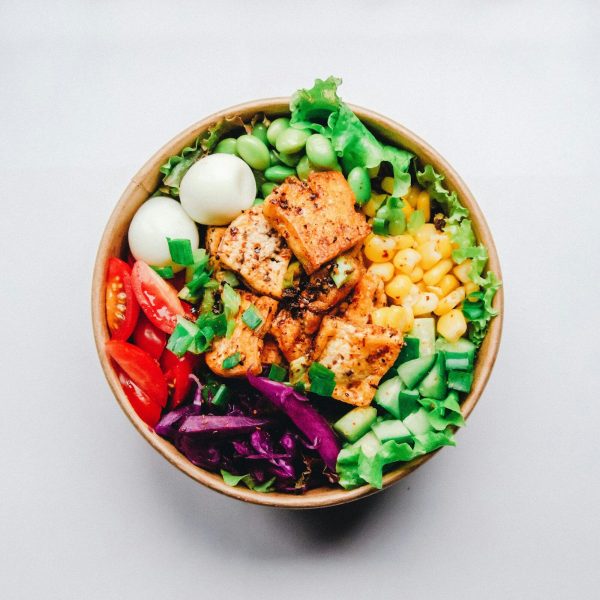
This means favoring foods that are naturally cooling, hydrating, and easy to digest. It means eating when you’re hungry, stopping when you’re 80% full, and not eating out of boredom or stress. It’s the difference between mindlessly devouring a bag of chips while scrolling on the couch (a forced, distracted act) and consciously preparing and savoring a bowl of fresh berries with a drizzle of honey (an aligned, nourishing one). The following table offers a simple guide to aligning your plate with the season.
| Category | Wu Wei Summer Choices (Cooling & Light) | Forcing Against the Flow (Heavy & Heating) |
|---|---|---|
| Proteins | Tofu, tempeh, fish, chicken, mung beans, lentils | Heavy red meats, fried foods, excessive dairy |
| Vegetables | Cucumber, bitter melon, celery, lettuce, zucchini, watercress | Heavily spiced curries, roasted root vegetables (in excess) |
| Fruits | Watermelon, pear, apple, citrus, berries, lychee | Overly tropical, very sweet dried fruits |
| Grains | Barley, millet, wheat, rice | Heavy, dense breads and pastries |
| Flavors | Sour (lemon, plum), slightly bitter, mild sweet | Excessively salty, greasy, or fiery spicy |
| Beverages | Cool or room-temp water, chrysanthemum tea, mint tea, barley water | Ice-cold drinks (shock the system), excessive alcohol, sugary sodas |
The Art of the Pause: Creating Space in a Packed Schedule
Perhaps the most radical act of wu wei in modern life is consciously building in pauses. Our culture glorifies the “hustle,” but summer reminds us that growth also happens in fallow periods. A farmer doesn’t yell at a seed to sprout faster; they provide the right conditions and wait. Your projects, relationships, and personal growth need similar fallow periods.
This looks like: not filling every weekend with social obligations. It’s leaving a Saturday completely unscheduled to see what emerges—maybe a spontaneous picnic, maybe an afternoon lost in a novel, maybe an unexpected phone call with an old friend. It’s taking a true lunch break away from your desk, even if it’s just 15 minutes. It’s the courage to say, “I don’t have plans yet, and that’s okay.” This space is where creativity, intuition, and genuine rest reside. It is the fertile emptiness from which inspired action—true wu wei—can arise.

Common Questions
Isn’t wu wei just being lazy and unproductive?
This is the most common misconception. Laziness is a state of apathy and avoidance, often rooted in resistance or fear. Wu wei is the opposite: it’s a state of attentive, responsive action. A lazy person might ignore a crying child; a parent practicing wu wei would respond to the child’s needs intuitively and effectively, without overreacting or underreacting. It’s about choosing the right action for the moment, which sometimes means doing nothing at all, and other times means acting swiftly and decisively. The productivity of wu wei is sustainable and joyful, not forced and draining.
How can I practice wu wei when I have a full-time job and responsibilities?
Wu wei is not about abandoning responsibility; it’s about changing your relationship to it. Start small. Practice single-tasking: when you write an email, just write the email. Don’t let your mind race to the next three tasks. Take your full lunch break and truly disconnect. When you feel overwhelmed, take three deep breaths before responding to a stressful situation. At home, try “productive pausing”—if you’re stuck on a problem, step away for five minutes to wash dishes or gaze out the window. Often, the solution arises effortlessly when you stop forcing it. It’s about infusing your existing life with moments of alignment and non-resistance.
Does this mean I shouldn’t plan anything for the summer?
Not at all. Planning can be an act of wu wei if it’s done with flexibility. The key is to create a gentle framework, not a rigid schedule. Plan a vacation, but leave room for spontaneous exploration once you arrive. Schedule a family barbecue, but don’t stress if the timeline shifts. The planning itself should feel light, not burdensome. If your plans start to feel like a source of anxiety rather than anticipation, it’s a sign you may be forcing against the flow. The goal is to have a direction, but to remain responsive to the present moment—which is where life actually happens.
The bottom line: Embracing wu wei summer is a powerful antidote to the burnout of constant striving. It’s a return to a more natural, intuitive, and sustainable way of living—one that honors the season’s rhythms and your body’s wisdom. By practicing non-forcing in your daily routines, nourishment, and pace, you don’t become less effective; you become more aligned, resilient, and genuinely joyful. This summer, give yourself permission to flow.
This article is for educational purposes and reflects traditional wellness perspectives. It is not a substitute for professional medical advice, diagnosis, or treatment.