The cicadas are singing their loud, endless song, the pavement shimmers with heat, and the air feels thick enough to swim through. It’s summer in its full, unapologetic glory. For many of us, this season is a paradox: a time we associate with freedom and long days, yet one that can leave us feeling strangely drained, irritable, and overwhelmed. The modern world tells us to be more productive, to “make the most of the daylight,” but ancient wisdom, particularly from Traditional Chinese Medicine (TCM), whispers a different, more sustainable truth: now is the time to slow down, to rest, and to align with the season’s fiery energy rather than fight it.
The Summer Paradox: Why We Feel Drained in the Heat
There’s a reason you might feel less motivated to tackle your to-do list when the thermometer climbs. It’s not laziness; it’s biology. In TCM, summer is ruled by the Fire element, which governs the Heart and Small Intestine. The Heart is considered the “Emperor” of the body, the seat of our consciousness, joy, and spirit (the Shen). When Fire energy is abundant and balanced, we feel joyful, connected, and full of life. But when it’s excessive—which is easy in our over-stimulated, always-on culture—it can lead to restlessness, anxiety, insomnia, and that specific summer irritability known as “summer heat.”
Our bodies are working harder than we realize. The cardiovascular system is under constant strain to cool us down, diverting blood to the skin and away from our core organs. We sweat more, losing vital fluids and electrolytes, which in TCM is seen as a direct drain on our Yin—the cooling, nourishing, and moistening aspect of our physiology. This internal “dehydration” on an energetic level is why you can drink gallons of water and still feel parched, tired, and fuzzy-headed. The Western drive to push through—to exercise at midday, to power through work emails while the sun blazes—is fundamentally at odds with what our bodies are asking for: a gentle, intentional slowdown.
The Chinese Medicine View: Nourishing Yin and Calming the Shen
Think of your body’s energy like a bank account. In winter, we naturally conserve and save. Spring is a time of planning and gentle investment. Summer, however, is a time of high expenditure. The Fire element’s energy is yang—it’s active, expansive, and outward. If we don’t consciously make deposits of rest, cooling foods, and calm, we’ll find ourselves energetically overdrawn by late August, vulnerable to burnout, colds in the fall, and chronic fatigue.
The goal isn’t to extinguish the Fire, but to tend to it wisely. This means actively nourishing our Yin reserves. Yin is the night to yang’s day, the calm to its excitement, the deep well of moisture and coolness that prevents our inner Fire from becoming a wildfire. Simultaneously, we must calm the Shen—our spirit, which can become scattered and agitated with too much heat and stimulation. A calm Shen means a clear mind, restful sleep, and a sense of inner peace, even when the world outside is buzzing.
“In summer, one should let the mind be free, the Qi be loose, and the beauty be enjoyed. One should not be angry, for this would injure the Qi.”
This ancient text from the Huangdi Neijing (The Yellow Emperor’s Classic of Internal Medicine) is essentially a prescription for joy and ease. It’s not about inaction, but about a state of being—allowing, not forcing; enjoying, not striving. It’s the philosophical core of summer rest.
Your Summer Rest Toolkit: Practical Steps to Slow Down
Slowing down doesn’t mean doing nothing. It means doing things with intention, presence, and a focus on restoration. Here’s how to weave the principles of summer rest and Chinese medicine into your daily life.
1. Adjust Your Daily Rhythm (The Art of the Midday Break)
In TCM, the day has its own energy cycle. The period from 11 a.m. to 3 p.m. is the peak of Fire energy, corresponding to the Heart and Small Intestine meridians. This is not the time for intense meetings, heavy meals, or strenuous workouts. It’s the perfect time for a gentle pause.
- Embrace the Siesta Mindset: Even a 15-minute rest after lunch, where you close your eyes, can be transformative. If you can’t nap, simply sit quietly, perhaps with your feet up, and let your mind wander without a screen.
- Shift Your Exercise: Move your primary physical activity to the cooler hours of early morning or evening. Swap a high-intensity midday run for a gentle evening walk, a swim at dusk, or some slow, restorative yoga or Tai Chi.
- Lighten Your Workload: If possible, schedule your most creative or demanding tasks for the morning. Use the afternoon for administrative tasks, reading, or collaborative, less mentally taxing work.
2. Eat to Cool and Nourish: The Summer Kitchen
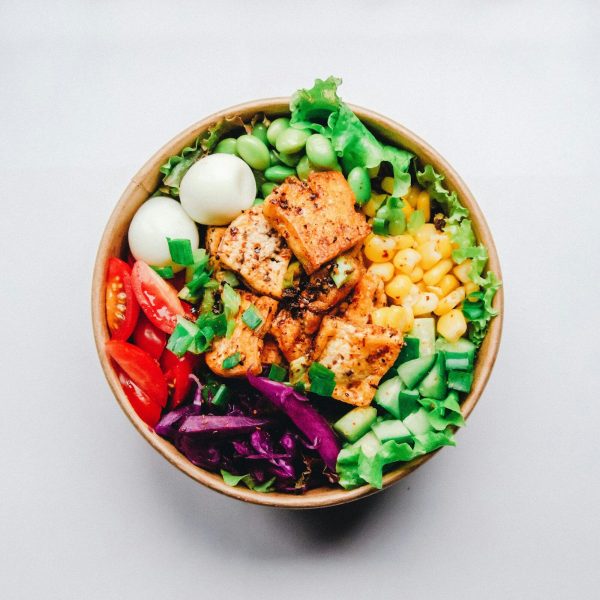
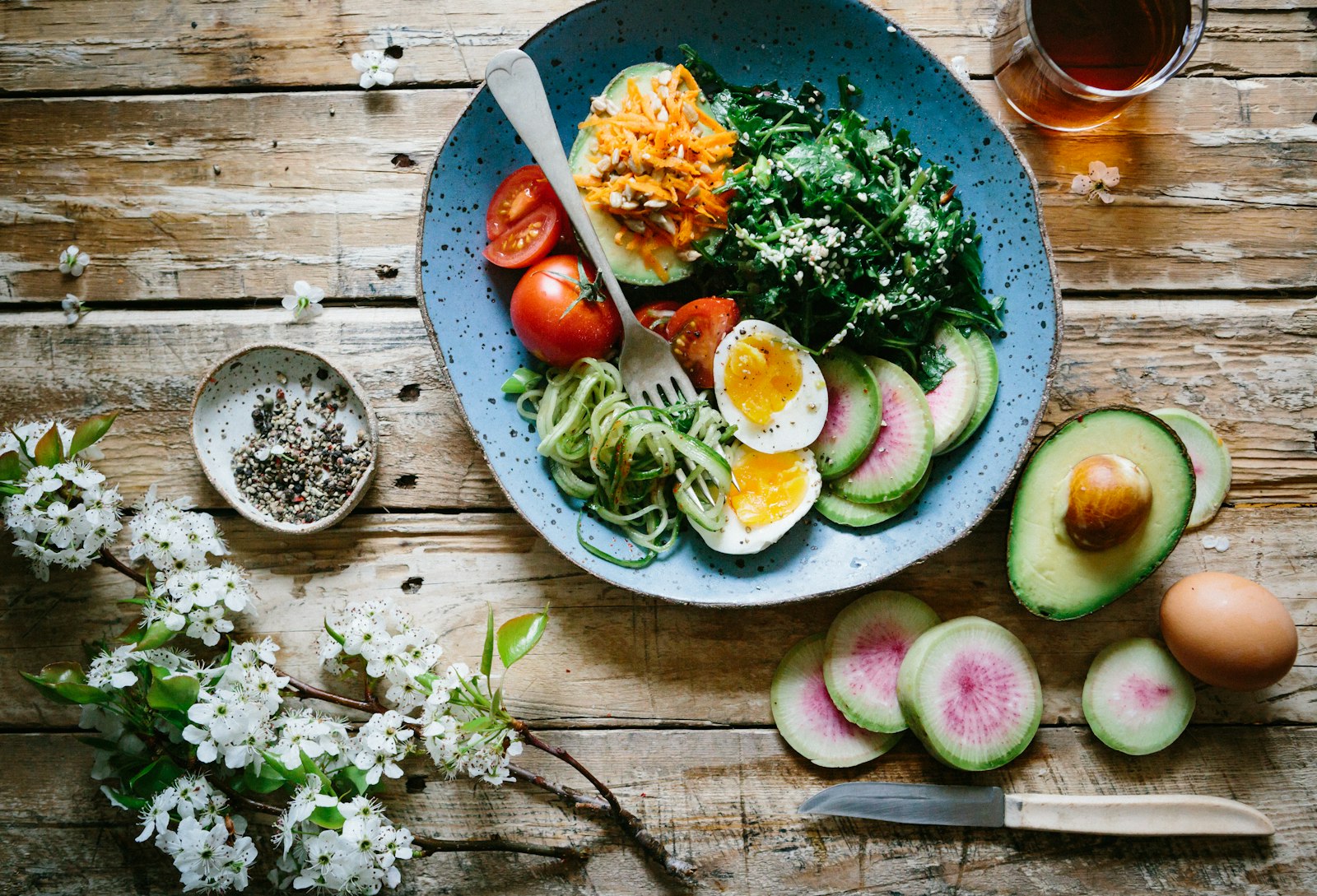
Your plate is one of your most powerful tools for managing summer heat. The goal is to clear heat, generate fluids, and support digestion, which can be weakened by cold drinks and heavy foods.
| TCM Principle | Western Equivalent | Foods to Emphasize | Foods to Minimize |
|---|---|---|---|
| Clear Heat & Summer Dampness | Cooling, hydrating, anti-inflammatory | Cucumber, watermelon (in moderation), bitter melon, mung beans, celery, lettuce, pear, green tea | Spicy curries, fried foods, excessive red meat, alcohol, greasy takeout |
| Nourish Yin & Generate Fluids | Hydrating, mineral-rich, moistening | Watermelon rind (the white part!), peach, plum, tomato, spinach, seaweed, chia seeds, pear, honey | Excessive caffeine, salty chips, dry crackers, overly spicy or sour foods |
| Support the Spleen & Digestion | Ease digestive burden, avoid gut irritants | Congee (rice porridge), cooked vegetables, soups, room-temperature water, ginger tea (even in summer!) | Iced drinks, raw salads (in excess), ice cream, excess sugar |
A Simple Summer Drink: Instead of sugary iced teas, try a cooling herbal infusion. Steep a handful of fresh mint leaves and a few slices of cucumber in a pitcher of room-temperature water. For a more traditional approach, make a light luò huā tea by brewing a small amount of chrysanthemum and goji berries in hot water, letting it cool, and sipping throughout the day.

The Mindful Summer Home: Creating a Cool Refuge
Your environment profoundly impacts your internal state. A cluttered, overheated, noisy space keeps the nervous system on high alert, adding to the “Fire.” Creating a cool, calm sanctuary is an act of self-care.
- Embrace Natural Ventilation: In the cooler morning and evening, open windows to create a cross-breeze. During the day, use blackout curtains or blinds on sun-facing windows to keep the heat out. This is more sustainable and gentler on your body than constant air conditioning.
- Incorporate Cooling Colors and Textures: Swap out heavy throws and dark cushions for lightweight linens and cottons in whites, blues, greens, and soft grays. These colors and materials feel psychologically and physically cooler.
- Declutter for Mental Clarity: A tidy space leads to a calmer mind. Spend 15 minutes each evening clearing surfaces. This simple act reduces visual noise and helps your Shen settle.
- Use Scent Mindfully: Avoid heavy, heady incense or perfumes. Opt for light, cooling scents like peppermint, eucalyptus, or lemongrass in a diffuser (use sparingly) or simply place fresh mint or lemon balm in a vase.
Movement That Doesn’t Melt You: Gentle Exercise for Summer
The Fire element loves to move, but it prefers joyful, social movement over punishing solo workouts. The key is to move in ways that circulate Qi without generating excessive internal heat or draining Yin.
- Walking in Nature: A walk in a park or near water in the early morning or evening is ideal. The green of the trees nourishes the Liver (which helps regulate Qi flow) and the gentle movement soothes the Heart.
- Swimming: The ultimate summer exercise in TCM. Water is the element of winter and is profoundly cooling and Yin-nourishing. It’s a full-body workout that feels like play.
- Tai Chi or Qigong: These slow, flowing practices are designed to cultivate and circulate Qi without exertion. They calm the mind, improve balance, and are perfect for a hot day. Find a beginner’s video online and try 10 minutes in your garden.
- Gentle Yoga: Focus on restorative or yin yoga, holding poses for longer periods to release tension and encourage deep, cooling breaths. Avoid hot yoga or intense vinyasa flows during the peak of summer.
Common Questions
Isn’t drinking ice water the best way to cool down?
It might feel good in the moment, but from a TCM perspective, it can actually be counterproductive. Icy cold drinks shock the digestive system, which TCM calls the Spleen and Stomach. This system prefers warmth to function optimally. When you shock it with ice, it has to work much harder to warm the fluids to body temperature, which consumes energy (Qi) and can lead to dampness, bloating, and fatigue. A better approach is to sip room-temperature water or warm teas throughout the day. You can still add cooling ingredients like mint or cucumber, but keep the base liquid at a neutral temperature.
I feel so tired and unmotivated in summer. Is that normal?
Absolutely, and it’s your body’s wisdom talking. As explained, summer is a time of high energy expenditure. The fatigue you feel is a signal that your Yin reserves are being depleted and your Qi is being used up in the effort to cool down. In our culture, we often label this as “laziness,” but it’s more accurately a need for recuperation. Listen to it. This is the core of summer rest: allowing yourself to be less productive, to read instead of run, to take that midday pause. Fighting this fatigue with caffeine and willpower only leads to deeper burnout down the line.
How can I practice summer rest if I have a busy job and family?
It’s about micro-adjustments, not a complete lifestyle overhaul. Start with one or two things. Could you eat lunch away from your desk for 15 minutes? Could you shift your family’s weekend hike to the early morning? Could you introduce a “cooling hour” in the evening where screens are off and everyone reads or does a quiet activity? Could you make a big batch of cooling cucumber-mint water to have on hand all week? The philosophy is about intention. Even small, conscious acts of slowing down, repeated daily, can have a profound effect on your well-being throughout the season.
The bottom line: Embracing summer rest isn’t about deprivation; it’s about a wiser, more sustainable kind of joy. By aligning with the principles of Chinese medicine—nourishing your Yin, calming your Shen, eating cooling foods, and adjusting your rhythm—you can move through the hottest months with more energy, clarity, and genuine ease. It’s a quiet rebellion against the cult of productivity, and a beautiful gift to your body and spirit.
This article is for educational purposes and reflects traditional wellness perspectives. It is not a substitute for professional medical advice, diagnosis, or treatment.