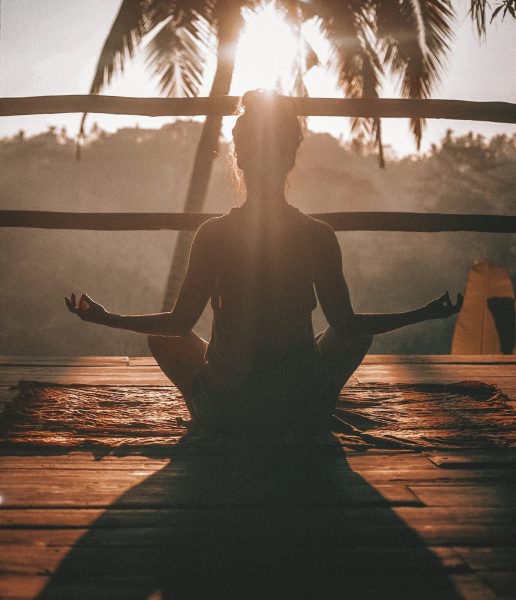
Summer brings a unique kind of restlessness. The days are long and bright, the air is thick with heat, and our minds often mirror the buzzing energy of the season. We feel pulled to do more, stay out later, and soak up every ounce of sun. But this constant outward energy can leave us feeling scattered, overheated internally, and mentally fried. The ancient practice of walking meditation offers a beautiful counterbalance, especially in the summer months. It’s not about adding another task to your day, but about transforming a simple, everyday activity—walking—into a cooling, grounding ritual for your mind. Imagine turning a midday walk to clear your head into a practice that actually cools your system, step by step.
Why Summer is the Perfect Season for a Walking Meditation
In Traditional Chinese Medicine (TCM), summer is the season of the Fire element. It’s associated with the heart, joy, and expansion. But like a campfire that’s been stoked too high, this expansive energy can become overwhelming, leading to anxiety, insomnia, and a feeling of being “wired but tired.” The antidote isn’t to fight the season’s energy, but to harmonize with it. Walking meditation does this perfectly. The gentle, rhythmic movement of walking helps to circulate Qi (your vital life force) without creating more internal heat. The focus on your steps and breath brings your awareness down from your buzzing head and into your feet, grounding that scattered Fire energy.
Think of your mind like a snow globe that’s been shaken vigorously. The frantic thoughts are the swirling snow. A walking meditation is like setting that snow globe down on a stable table. The movement is gentle, the focus is steady, and slowly, gently, the “snow” begins to settle. In summer, we need this settling more than ever. The heat outside can easily become agitation inside. By practicing mindful walking, you create a pocket of cool, centered awareness within the season’s warmth.
“The mind is like a summer sky—vast and open, but prone to sudden storms. A walking meditation is your practice of being the steady horizon, not the swirling clouds.”
The Essential Practice: A Step-by-Step Guide
This isn’t a power walk or a stroll to the store. It’s a deliberate practice. You can do this in your backyard, a quiet park, or even a long, shady hallway in your home. The goal is 10-20 minutes. Set a timer so you’re not clock-watching.
- 1. Find Your Path: Choose a relatively straight path of about 20-30 feet. You’ll walk back and forth along this path. This simple, contained route helps keep your mind focused.
- 2. Stand and Arrive: Before you take a single step, just stand at one end of your path. Feel your feet on the ground. Notice the points of contact—heels, balls of your feet, toes. Take three deep breaths, letting your shoulders drop away from your ears. Arrive in your body.
- 3. Begin with Intention: Silently set an intention. It could be, “I walk to cool my mind,” or “I walk to connect with this moment.” This frames your practice.
- 4. The Pace of Awareness: Start walking at about one-third of your normal pace. This will feel unusually slow, and that’s the point. You’re not walking to get somewhere; you’re walking to be somewhere.
- 5. The Anatomy of a Mindful Step: Break down the movement. As you lift your right foot, notice the sensation of weight shifting to your left. Feel the movement of your thigh, knee, and ankle as you place the heel down, then the ball, then the toes. Then, shift your weight onto the right foot as you lift the left. It’s a continuous, flowing cycle.
- 6. Anchor in Sensation: Your mind will wander. When it does, gently bring it back to the physical sensation of walking. Feel the pressure of the ground, the air on your skin, the subtle movement of your clothes. The body is your anchor in the now.
- 7. Breathe in Rhythm: You don’t need to control your breath, but you can notice its natural rhythm. Perhaps you inhale for three steps and exhale for three steps. Let the breath and steps find their own dance.
- 8. The Turn: When you reach the end of your path, stop. Take a full breath. Then, turn around with the same mindful awareness. Notice how your body pivots, the shift in perspective. Begin walking back.
- 9. Closing the Circle: When your timer goes off, come to a natural stop. Stand still again for a few breaths. Notice how you feel compared to when you started. Don’t rush off. Carry that sense of mindful presence with you into your next activity.
Cooling the Fire Element: The TCM Perspective
Let’s go deeper into that Fire element. In TCM, the Heart is considered the “Emperor” of all organs, and it houses the Shen—our spirit or mind. When the Heart Fire is balanced, we feel joyful, connected, and mentally clear. When it’s excessive, we experience anxiety, racing thoughts, insomnia, and even mouth ulcers or a flushed face. Summer heat directly aggravates this.
The walking meditation practice we just outlined is a powerful form of moving mindfulness that directly nourishes Yin (the cool, calming, receptive energy) to balance the Yang (the hot, active energy) of summer. Here’s how it works: The slow, deliberate movement is Yin in nature. The focused attention on the soles of your feet is particularly grounding, as the Kidney meridian—one of the primary sources of Yin energy—begins at the sole of the foot (the Yongquan or “Bubbling Spring” point). By bringing your awareness there, you are symbolically and energetically drawing cooling energy up from the earth. This is a direct counterbalance to the rising, expansive heat of the season.

Making it Your Own: Adaptations for Real Life
The beauty of this practice is its flexibility. You don’t need a silent retreat to do it. Here’s how to adapt it to your summer reality.
The Early Bird or Night Owl: Avoid the peak heat (10 am – 4 pm). The best times are early morning when the air is cool and dewy, or evening as the heat begins to dissipate. An evening walk can be especially powerful for calming the mind before sleep.
The Urban Oasis: No park? No problem. Walk the perimeter of a quiet parking lot after hours. Pace back and forth on your apartment balcony. Walk slowly through your home, focusing on the sensation of your feet on the cool floor. The practice is about your internal state, not the external scenery.
The Barefoot Connection: If you have access to safe grass, sand, or cool earth, try it barefoot. This practice, called “earthing,” has been shown to reduce inflammation and calm the nervous system. The direct contact is a powerful way to ground excess Fire energy. Start with just 5 minutes on a clean lawn.
The Sensory Walk: If focusing solely on footsteps is too challenging, add a sensory anchor. For the first 5 minutes, focus only on the feeling of the air on your skin. For the next 5, focus only on the sounds you hear. This gives the “monkey mind” a specific job to do.
Integrating with Summer Nourishment
A walking meditation is most powerful when it’s part of a larger rhythm of summer self-care. What you do before and after can enhance the cooling benefits.
Pre-Walk Hydration: Don’t walk thirsty. 20 minutes before, drink a glass of room-temperature or slightly cool (not ice-cold) water. For an extra TCM boost, add 3-4 slices of cucumber and a sprig of fresh mint to your water. Cucumber clears heat, and mint is known to release the exterior, helping your body vent excess warmth.
Post-Walk Tea Ritual: After your walk, prepare a simple cooling tea. My grandmother would make a big pitcher of Chrysanthemum Tea (Ju Hua) on hot days. It’s mildly sweet, fragrant, and a classic TCM herb for clearing heat, especially from the head and eyes—perfect for counteracting screen strain and summer headaches. Steep 8-10 dried flowers in hot water for 5 minutes. You can add a small rock sugar cube if you like. Sip it slowly, savoring the quiet you just created.
Cooling Foods to Pair: After your practice, snack on foods that are energetically cooling in nature. A small handful of watermelon cubes, a crisp pear, or a few slices of jicama with a squeeze of lime. These align perfectly with the intention of your walk.
| Walking Meditation Style | Best For | Summer Adaptation | Time of Day |
|---|---|---|---|
| Classic Silent Path | Deep focus, grounding | Walk in the shade of trees or a covered porch | Early Morning (7-9 am) |
| Sensory Awareness Walk | An overactive mind | Focus on cool breezes, the sound of sprinklers | Late Afternoon (5-7 pm) |
| Barefoot Earthing Walk | High anxiety, restlessness | Walk on cool, damp grass in the morning dew | Early Morning |
| Gratitude Walk | Shifting from negativity | Notice the vibrant colors of summer flowers | Anytime (avoid peak heat) |
| Mantra Walk | Emotional overwhelm | Sync a cooling mantra with your steps | Evening (8-9 pm) |
Common Questions
How is walking meditation different from just taking a mindful walk?
It’s a difference of degree and intention. A mindful walk means you’re generally paying attention to your surroundings. A walking meditation is a formal practice with a specific anchor (the sensations of the steps) and a clear intention (to cultivate presence and calm). You’re using the walk as a vehicle for meditation, not just as pleasant exercise. The ultra-slow pace and the structured path are what shift it from a walk to a meditation.
I feel silly walking so slowly. How do I get over that?
This is very common! The feeling of silliness is your ego resisting the slower pace of being. Start by practicing in a private space—your backyard, a secluded corner of a park, or even in your home. Remind yourself that this practice is for you alone; it’s not a performance. The awkwardness usually fades within the first 2-3 sessions as you begin to feel the profound calming effects. The goal isn’t to look a certain way; it’s to feel a certain way—grounded and clear.
Can this help with summer insomnia?
Absolutely. Summer insomnia often stems from Heart Fire and excess Yang energy that hasn’t settled down by bedtime. An evening walking meditation (try 8-9 pm) is a fantastic tool for this. The gentle movement helps to circulate and dissipate that restless energy without over-stimulating you. Follow it with your chrysanthemum tea, and avoid screens for the next hour. You’re essentially creating a “cool down” ritual for your nervous system, signaling to your body-mind that the day’s heat is over and it’s time to rest.
The bottom line: Summer’s vibrant energy is a gift, but it requires conscious balancing. A walking meditation is a simple, profound way to integrate mindfulness into your movement, transforming a routine activity into a cooling ritual for your mind and body. By focusing on the sole of your foot meeting the earth, you draw grounding, Yin energy upward to harmonize with the season’s heat. You don’t need any special equipment—just 10 minutes, a few feet of path, and a willingness to slow down. Try it this week, and discover how a few slow steps can bring a wave of cool, centered calm to your busiest summer days.
This article is for educational purposes and reflects traditional wellness perspectives. It is not a substitute for professional medical advice, diagnosis, or treatment.