There’s a specific kind of anger that arrives with the summer heat. It’s not the cold, sharp anger of betrayal or the slow-burn resentment of winter. It’s a hot, prickly irritability that flares up when the car air conditioning takes too long to kick in, when someone breathes too loudly, or when the afternoon sun hits your desk just right. You snap at your partner, lose patience with your kids, or feel a simmering frustration with the world that has no clear source. If this sounds familiar, you’re not imagining it, and you’re certainly not alone. In Traditional Chinese Medicine (TCM), this isn’t just “being in a bad mood.” It’s a clear signal from your body about an internal imbalance, directly tied to the season of summer.
The Fire Element: Understanding Your Body’s Summer Thermostat
To understand summer anger, we need to talk about the Five Elements, a foundational concept in TCM that maps natural cycles onto our bodies. Summer is the season of the Fire Element. Fire is associated with warmth, joy, connection, and the heart. When balanced, it gives us enthusiasm, laughter, and the ability to connect deeply with others. Think of it as the beautiful, controlled flame of a campfire—warm, inviting, and the center of the party.
But here’s the crucial part: Fire, by its nature, also has a shadow side. When the external heat of summer overwhelms your system, or when your internal “cooling” mechanisms (what TCM calls Yin) are already a bit depleted, that balanced campfire can flare into a wildfire. The Heart, the organ of the Fire Element, becomes “disturbed.” This doesn’t mean a medical heart attack. It means the Heart’s spirit, the Shen, loses its calm, settled quality. When the Shen is agitated, it shows up as anxiety, insomnia, restlessness, and—you guessed it—irritability and anger.
This is the core of summer anger TCM theory. The anger isn’t random. It’s excess heat rising, unmooring the Heart’s spirit. My grandmother had a wonderfully simple way of putting it. On sweltering days, she’d point to her chest and say, “The fire here is too big today. The guest (anger) is trying to take over the host.” Her solution was never to “just calm down.” It was to cool the guest room—to gently reduce the excess heat so the guest (the emotion) would behave, and the host (the Heart’s spirit) could regain control.
The Liver Connection: Why Heat Makes Everything More Explosive
Here’s where the plot thickens, and why your summer irritability can feel so explosive. While the Heart is the emperor of the Fire Element, another organ gets dragged into the drama: the Liver.
In TCM, the Liver is the “General” responsible for the smooth flow of Qi (energy) and blood throughout the body. It’s also the seat of the emotion of anger in its purest form. The Liver prefers to move freely, like a tree swaying in the breeze. Heat, however, is inherently rising and agitating. Imagine putting that same tree in a blast furnace. It doesn’t sway; it becomes brittle, dry, and prone to snapping.
When summer heat accumulates in your body, it directly agitates the Liver. This “Liver Fire” or “Liver Heat” doesn’t just sit there—it flares upward. In TCM, we say it “ascends to the head and eyes.” This is why heat-related anger often manifests as:
- A sudden, red-faced outburst.
- Feeling of heat rising to your face or head.
- Red, irritated eyes, or even a headache that feels like a throbbing pressure.
- A bitter taste in your mouth upon waking.
- Waking between 1-3 AM (the Liver’s peak time) feeling wired and angry for no reason.
This is the double whammy of summer: the Fire Element’s Heart becomes disturbed, and the Liver’s anger mechanism is supercharged by heat. It’s a perfect storm for snapping at the person who cut you off in traffic or feeling a disproportionate rage over a minor inconvenience.
Cooling the Fire: Your 5-Point Action Plan for Summer Calm
So, what do we do? We don’t fight the fire with more fire (no “powering through” or harsh self-criticism). We gently, consistently apply cooling, soothing measures. Think of yourself as a gardener tending to a plant on a scorching day. You wouldn’t yell at the plant to stop wilting; you’d give it shade and water. Here is your actionable plan.
1. Hydrate with Purpose (Not Just Water)
Plain water is good, but in TCM, we want to add cooling and moistening properties to directly counteract heat and dryness. Your new summer drink isn’t a sugary iced tea; it’s a therapeutic infusion.
- Chrysanthemum Tea (Ju Hua): This is the number one cooling herb for the Liver and eyes. It clears heat, calms irritation, and is especially good if you have red eyes or a headache. Steep 8-10 dried flowers in a cup of hot water for 5 minutes. Drink 2-3 cups a day, especially between 1-3 PM if you hit an afternoon slump.
- Watermelon Rind Tea: Don’t throw away the white part of the watermelon rind! It’s a powerful diuretic that clears summer heat and dampness. Chop about 1 cup of the white rind, simmer in 4 cups of water for 20 minutes, strain, and sip cool throughout the day.
- Mung Bean Soup (Lü Dou Tang): This is a classic summer detoxifier in Chinese households. Simmer 1/2 cup of mung beans in 6 cups of water for 45 minutes until soft. Add a small rock sugar or a few slices of tangerine peel for flavor. Drink the soup warm or cool. It clears heat from the Heart and Liver, and helps with irritability and mouth sores.
2. Eat the Colors of Cooling
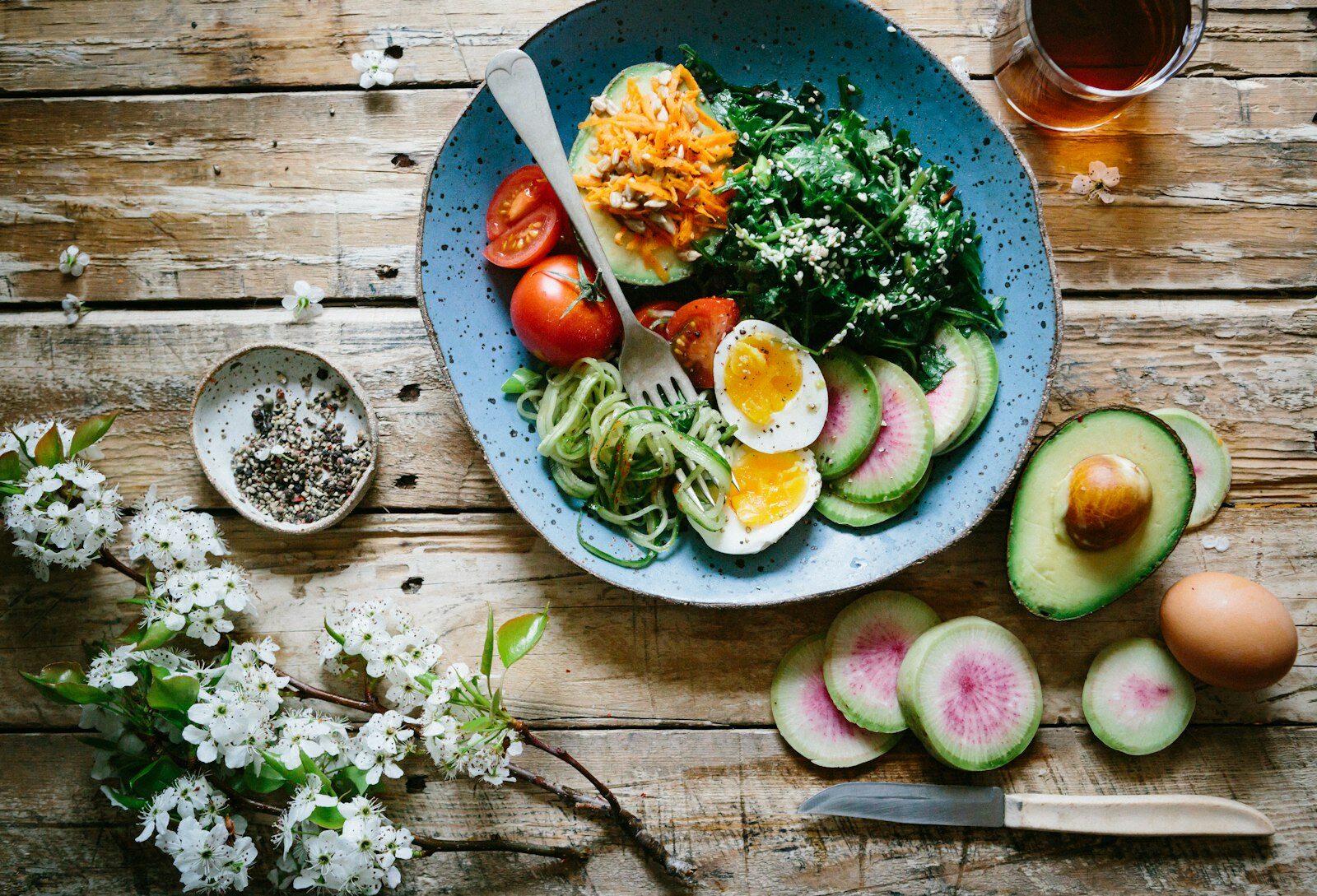
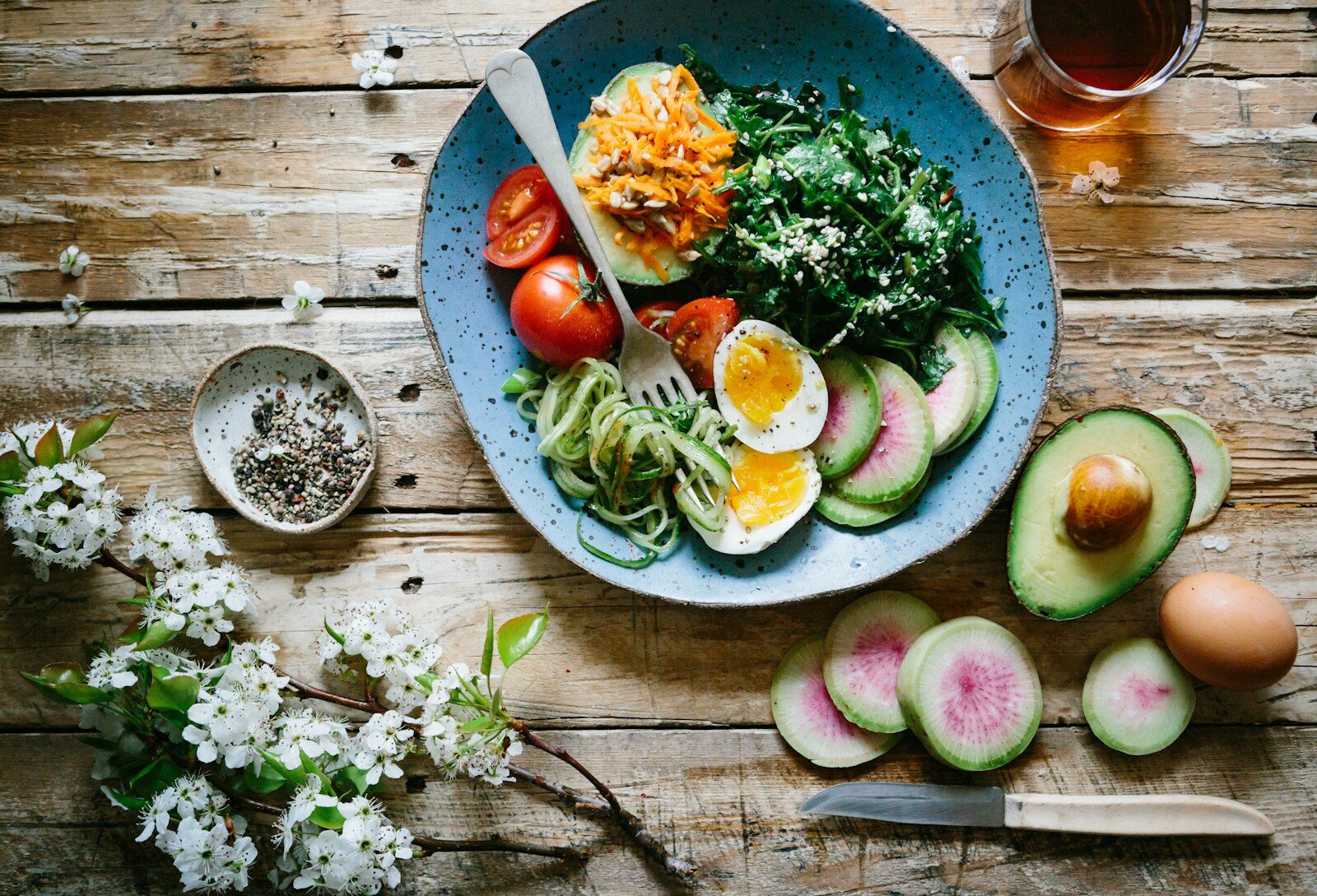
Your plate is a pharmacy. In summer, focus on foods that are bitter and sweet (the bland, nourishing sweet, not sugar). Bitter foods, like the cooling shade of a tree, directly drain excess heat and fire.
- Bitter Melon (Ku Gua): The ultimate summer vegetable. Slice it thin, salt it to reduce bitterness, then stir-fry with garlic and a little black bean sauce. It’s a powerhouse for clearing Liver and Heart fire.
- Celery & Cucumber: Both are cooling and help calm the Liver. A simple celery, cucumber, and mint salad with a rice vinegar dressing is perfect.
- Lotus Root: Cooling, nourishing, and good for calming the spirit. You can find it pre-sliced in Asian markets. Simmer it in soups with pork ribs and goji berries.
- Cilantro & Mint: Use these herbs liberally as garnishes. They have a light, dispersing quality that helps vent heat from the surface of the body.
Avoid: Excessive spicy, greasy, and fried foods. They are like adding gasoline to your internal fire. Also, limit coffee and alcohol, which are both extremely heating.
3. Master the “Cooling Acupressure” Trick
When you feel anger or heat rising, you have an immediate off-switch on your own body. It’s the acupressure point Gallbladder 20 (Feng Chi), or “Wind Pool.”
Location: At the base of your skull, in the two large hollows on either side of your neck, where your neck muscles attach to the skull. Tilt your head back slightly and feel for the depression.
Action: Place your thumbs on these points and apply firm, steady pressure for 1-2 minutes as you breathe deeply. You can also use your fingertips to gently massage in small circles. This point clears heat from the head, calms the Liver, relieves headaches, and helps settle a disturbed Shen. It’s my go-to in traffic or before a difficult conversation.
4. Adjust Your Movement: Yin Over Yang
Summer is not the time for high-intensity interval training at noon. That’s like stoking a bonfire in the middle of a heatwave. Instead, shift your exercise to the cooler parts of the day—before 10 AM or after 6 PM. And when you move, favor Yin activities that build coolness and moisture:
- Evening Yin Yoga or Stretching: Hold poses for 3-5 minutes to target connective tissue and encourage deep cooling.
- Gentle Swimming: The ultimate cooling exercise. The water literally absorbs heat from your body.
- Walking in Nature (near water): A stroll by a lake, river, or ocean in the early evening is profoundly cooling for the spirit.
- Avoid: Noon runs, hot yoga, or any exercise that leaves you drenched in sweat and panting. Excessive sweating in summer depletes your Yin fluids, making you more susceptible to heat and anger.
5. Embrace the “Heart-Nourishing” Nap
This might be the most important and counterintuitive tip. In summer, the days are long, and we often try to pack in more activity. TCM wisdom says to do the opposite. The Heart, as the Fire organ, is most active between 11 AM and 1 PM. This is its peak time. After that, from 1 PM to 3 PM, it’s the Small Intestine’s time to sort and absorb. This is why you often feel a slump in the early afternoon.
The prescription? A 15-30 minute “Heart-nourishing” rest between 1-3 PM. This is not a long, deep sleep. It’s a quiet, horizontal rest. Lie down, close your eyes, and simply be. You don’t have to sleep. This practice allows the Heart’s energy to settle, prevents the afternoon heat from agitating your spirit, and is one of the best ways to prevent evening irritability. My grandmother called it “giving the guest a moment of quiet.”
The Cooling Diet: A Sample Day
To make this concrete, here’s what a cooling day might look like. Notice the balance of flavors and temperatures.
| Time of Day | Action | TCM Purpose |
|---|---|---|
| 7:00 AM | Warm water with lemon. Gentle stretching. | Hydrate, stimulate Qi flow without heat. |
| 8:00 AM | Breakfast: Congee (rice porridge) with cooling cucumber and mint. | Nourishes Spleen Qi gently, adds cooling herbs. |
| 10:00 AM | Chrysanthemum tea (first cup). Short walk in shade. | Clears rising Liver heat, prevents eye strain. |
| 12:30 PM | Lunch: Bitter melon and egg stir-fry with celery, over brown rice. | Bitter + sweet balance clears Heart/Liver fire. |
| 1:30 PM | 20-minute quiet rest, lying down. | Nourish Heart Yin, prevent afternoon agitation. |
| 3:00 PM | Second cup of chrysanthemum tea or mung bean soup. | Counteract afternoon heat peak. |
| 6:30 PM | Dinner: Miso soup with tofu, seaweed, and scallions. Light salad. | Salty (miso) softens hardness; seaweed is very cooling. |
| 8:00 PM | Evening walk near water. No screens. | Cool the eyes and spirit, connect with Water element. |
| 10:00 PM | Foot soak in cool (not cold) water with 5 drops of lavender oil. | Draws heat down from the head, calms Shen for sleep. |
The Wisdom of Slowing Down in Summer
“In summer, the wise ones rise with the sun, go to bed late, and make sure they have a period of rest in the middle of the day. They do not let anger take hold, for this injures the Heart and disturbs the spirit.”
This adaptation from the Huangdi Neijing (The Yellow Emperor’s Classic of Internal Medicine), a 2,000-year-old text, tells us something profound. Our modern impulse is to “make the most” of long summer days by filling them with activity. The ancient wisdom says the opposite: true productivity and health in summer come from strategic rest and emotional moderation.
Summer anger is a messenger. It’s telling you that the external environment is winning the battle over your internal climate. It’s a sign that your body’s cooling system (Yin) needs support, and your Heart’s spirit is unsettled. By responding with cooling drinks, bitter foods, gentle movement, and a sacred afternoon rest, you’re not just managing a mood. You are practicing deep, seasonal self-care. You are aligning yourself with the rhythm of nature, which is the ultimate goal of all wellness in the Chinese tradition.
So, the next time you feel that familiar heat rising in your cheeks, don’t just blame the weather. See it as an invitation. An invitation to brew some chrysanthemum tea, to press those points at the base of your skull, and to give yourself the gift of a quiet moment. Cool the guest room, and let the host—the calm, joyful spirit of your Heart—reclaim its home.
Common Questions
Is summer anger the same as seasonal affective disorder (SAD)?
No, they are generally considered different. Summer SAD is a recognized subtype of seasonal affective disorder, characterized by depression, loss of appetite, and insomnia, often linked to excessive light and heat. The “summer anger” we discuss in TCM is more specifically tied to the pattern of Excess Heat agitating the Liver and Heart. While there can be overlap in symptoms (like agitation and sleep issues), the TCM approach focuses on clearing heat and nourishing Yin as the primary solution, whereas Western treatments for SAD might involve light therapy management, medication, or different behavioral approaches.
Can I still drink iced coffee or cold beer in summer?
TCM would advise significant moderation. Iced drinks, especially consumed regularly, can impair your Spleen’s function (the digestive system), which is responsible for transforming fluids and nourishment into usable energy. When the Spleen is weakened by cold, it can’t produce enough Yin fluids to cool the body, creating a vicious cycle: you feel hot, crave cold drinks, which further weakens your cooling system. An occasional treat is one thing, but relying on iced beverages as your primary hydration will likely exacerbate heat and irritability over time. Opt for room temperature or slightly cool drinks instead.
How long does it take for these cooling practices to work?
Some effects can be immediate. Pressing Gallbladder 20 can relieve a headache or a moment of intense irritation within minutes. Drinking a cup of chrysanthemum tea can provide a noticeable sense of cooling relief within 30 minutes. However, for a sustained shift in your baseline irritability and heat levels, consistency is key. Implementing the dietary changes and daily rest for 1-2 weeks will typically begin to re-balance your internal climate. Think of it as gradually turning down a thermostat—it doesn’t happen instantly, but with steady effort, you’ll feel a real difference.
The bottom line: Summer anger is a real, physiological response rooted in TCM’s understanding of heat overwhelming your body’s cooling systems and agitating your Liver and Heart. You can effectively manage it by consciously cooling your internal environment: drink chrysanthemum or mung bean tea, eat bitter foods like bitter melon, use acupressure on points like Gallbladder 20, and protect your energy with a short afternoon rest. By aligning your habits with the season, you transform irritability into an opportunity for deeper balance.
This article is for educational purposes and reflects traditional wellness perspectives. It is not a substitute for professional medical advice, diagnosis, or treatment.