Summer evenings have a peculiar magic. The sun hangs low, painting everything in amber and gold, and the air holds onto the day’s warmth like a comforting blanket. It’s a time for backyard barbecues, late-night ice cream runs, and catching fireflies. But if you’ve ever found yourself tossing and turning on a sticky July night, your mind racing despite your body’s exhaustion, you’re not alone. There’s a quiet wisdom in Traditional Chinese Medicine (TCM) that suggests our modern summer habits are working against our bodies’ natural rhythms. My grandmother, a woman who never read a wellness book in her life but could sense a change in the wind, had a simple rule: when the sun goes down, you start your own slow sunset. She called it “收心” (shōu xīn) — collecting your heart and mind. Today, I want to share a modern framework for this ancient idea: The 90-Minute Rule. It’s not about adding more to your to-do list, but about giving your nervous system the gentle landing it craves, especially in the vibrant, expansive energy of summer.
Why Summer Evenings Feel Different (And Why Your Usual Routine Fails)
In TCM, summer is the season of maximum Yang energy. Think of it like the noonday sun — bright, hot, active, and expanding outward. This is wonderful for growth, socializing, and being outdoors. But it comes with a catch. The body’s corresponding organ system for summer is the Heart, which houses the Shen, or our spirit and mind. An excess of Yang, especially heat, can agitate the Heart, leading to a restless Shen. This is why summer can bring on not just physical heat, but mental heat: anxiety, insomnia, vivid dreams, and that “wired but tired” feeling. Your usual winter wind-down routine — perhaps a warm bath and a heavy book — might feel completely out of sync. You’re trying to cool down a system that’s already overheated from the inside out.
The modern problem compounds this. We extend the “day” artificially with bright screens, air conditioning that confuses our internal thermostat, and social schedules that peak in summer. We’re literally fighting the season’s natural pull. The 90-Minute Rule is a buffer zone. It’s the practical application of shōu xīn. By starting a conscious cooldown 90 minutes before your target sleep time, you’re giving your Yang energy a gentle slope to descend on, rather than expecting it to fall off a cliff. You’re signaling to your Heart system: “The day’s expansion is done. It’s time to gather inward.”
The Core Components of a 90-Minute Summer Reset
This isn’t about a rigid, minute-by-minute schedule. It’s about incorporating three key phases into that 90-minute window: Environmental Shift, Dietary Cool-Down, and Mental Stillness. Each one tells a different part of your nervous system that it’s safe to power down.
Phase 1: Environmental Shift (First 30 Minutes)
This is your signal to the outside world and your own senses. Around 8:30 PM if you aim for a 10 PM bedtime, begin changing your physical space.
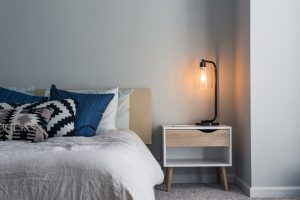
- Lighting: Switch off overhead lights. Use lamps with warm-toned bulbs (look for 2700K on the box). If you have them, light a single candle. My grandmother used a simple clay oil lamp in the evenings; the single, flickering flame was a powerful visual cue that the day was done.
- Temperature: If using AC, set it to a comfortable 75°F (24°C) and avoid pointing it directly at you. Better yet, as evening falls and outdoor temps drop below indoor temps, open windows on opposite sides of your home for cross-ventilation. The moving air is more aligned with your body’s needs than static, chilled air.
- Sound: Turn off the TV and news. Replace it with very quiet, ambient sound — not a podcast or audiobook, but something without language: the sound of rain, crickets, or a simple playlist of piano or guzheng (Chinese zither) music.
Phase 2: Dietary Cool-Down (The Next 40 Minutes)
What you consume in this window is critical. The goal is to gently clear residual heat without creating dampness or taxing digestion.
What to Include:
- A Cooling Herb Tea: Steep 1 tablespoon of dried chrysanthemum flowers (菊花) and 5-6 goji berries in hot (not boiling) water for 5 minutes. Strain and sip slowly. Chrysanthemum is famous for clearing Liver and Heart heat, brightening the eyes, and calming the spirit. It’s like giving your internal system a gentle breeze.
- A Light, Room-Temperature Snack (if hungry): Avoid cold, raw foods like salads right before bed, as they can shock the digestive system. Instead, opt for a small bowl of mung bean soup (绿豆汤). Mung beans are a premier summer food in TCM, renowned for clearing heat and detoxification. Cook a batch ahead: simmer 1/2 cup mung beans in 4 cups water for 30 minutes until soft. You can add a few pieces of dried tangerine peel (陈皮) for flavor and to aid digestion. Eat it room temperature.
- A Hydrating “Mocktail”: For a refreshing option, muddle 5-6 fresh mint leaves in a glass, add the juice of half a lime, a teaspoon of honey, and top with sparkling water. Mint is cooling and moves Liver Qi, while lime is sour and astringent, helping to retain fluids and Yin.
What to Strictly Avoid:
- Alcohol: It may feel relaxing, but alcohol is a vasodilator and creates internal heat (damp-heat in TCM terms), directly agitating the Heart and disrupting sleep architecture.
- Heavy, Greasy, or Spicy Foods: The late-night burger or spicy tacos are a recipe for restless sleep. They create heat and burden the Spleen and Stomach when they should be resting.
- Caffeine and Large Amounts of Sugar: This should be obvious, but even dark chocolate or a sugary dessert can provide a stimulatory hit that undermines your cooldown.
“In summer, we feast on the light and energy of the long days. But to digest that feast — not just of food, but of experience and sun — we must learn to feast on the coolness and quiet of the night.”
The Critical Final 20 Minutes: Quieting the Shen
This is the most important and most neglected phase. You’ve adjusted your environment and diet. Now you adjust your mind. The final 20 minutes before bed should be a technology-free sanctuary for your Shen (spirit). The goal is not to “do” anything productive, but to engage in a single, gently absorbing, non-screen activity.
Choose ONE of these activities:
- Acupressure Self-Massage: Gently massage the point Heart 7 (神门, Shenmen). It’s located on the inner wrist crease, on the pinky side, in the little hollow between the tendons. Use the thumb of your other hand to apply gentle, circular pressure for 2-3 minutes per wrist. This point literally translates to “Spirit Gate” and is the primary point for calming anxiety, insomnia, and palpitations. It’s like finding the “quiet down” button for your nervous system.
- Legs-Up-the-Wall Pose (Viparita Karani): Sit sideways next to a wall, then swing your legs up as you lie back. Your sitting bones should be as close to the wall as is comfortable. Rest here for 10-15 minutes. This gentle inversion calms the nervous system, drains tired legs, and promotes circulation without effort. It’s a passive, deeply restorative posture.
- Paper Journaling: Not on a phone or laptop. Use a simple notebook. Do a “brain dump”: write down anything lingering from the day — worries, to-dos, unresolved thoughts. The act of transferring them from your mind to paper is a powerful symbolic gesture of setting them down for the night.

Sample 90-Minute Summer Evening Schedules
The beauty of this rule is its flexibility. It’s a container, not a cage. Here’s how it might look for different lifestyles:
| Timeline | The Early Bird (Bed by 9:30 PM) | The Night Owl (Bed by 11:30 PM) | The Parent (Kids in Bed by 8:30 PM) |
|---|---|---|---|
| T-90 min (8:00 PM / 10:00 PM / 7:00 PM) | Environmental Shift: Dim lights, start chrysanthemum tea, turn off TV. | Environmental Shift: Same as left. This is your signal to start wrapping up evening activities. | Environmental Shift: After kids are down, do a quick 5-min tidy, then dim all lights. Make your tea. |
| T-60 min (8:30 PM / 10:30 PM / 7:30 PM) | Dietary Cool-Down: Sip tea. If hungry, a small piece of pear or a few slices of cucumber. | Dietary Cool-Down: Sip tea or mint-lime drink. Avoid raiding the pantry for chips. | Dietary Cool-Down: Sip your tea mindfully. This is your first moment of true quiet. |
| T-20 min (9:10 PM / 11:10 PM / 8:10 PM) | Shen Quieting: 10 min of legs-up-the-wall, then wash face, brush teeth. | Shen Quieting: 10 min of journaling or acupressure on Heart 7. | Shen Quieting: 10 min of gentle stretching or sitting in silence to decompress. |
Common Questions
What if I get home late from a summer event?
This is reality. The rule adapts. If you get home at 11 PM for a 12 AM bedtime, do a condensed 45-minute version: Environmental Shift (5 min): Immediately change into pajamas, dim lights, splash cool water on your face and wrists. Dietary Cool-Down (10 min): Skip food, but drink a small cup of cool (not ice) peppermint tea or room temperature water with a slice of cucumber. Shen Quieting (30 min): Go straight to your bed and do a 10-minute body scan meditation, focusing on relaxing each body part from toes to head. The key is to avoid the trap of “decompressing” with your phone for an hour, which resets your brain to alert mode.
Is this routine only for summer?
The principle of a buffer zone is year-round, but the ingredients change with the seasons. In winter, you’d replace chrysanthemum tea with a warming ginger-date tea, and your environment might include a heavier blanket and warmer socks. The summer version is specifically designed to counteract the season’s heat and expansive energy. Think of it as seasonal programming for your body’s operating system.
Can I just use blue-light blocking glasses and keep working?
They’re a helpful tool, but they miss the point. Blue light is only one signal. The 90-Minute Rule addresses the full spectrum of stimulation: mental work keeps your Heart Fire blazing, the content you consume affects your Shen, and physical tension from sitting doesn’t magically disappear. The rule is about a holistic cessation of output — not just changing the color of the light from your screen. It’s the difference between turning down the volume on a loud party and actually leaving the party to go somewhere quiet.
The bottom line: Summer’s vibrant Yang energy is a gift, but it requires a conscious counterbalance. By implementing a structured 90-minute cooldown — shifting your environment, consuming cooling foods and herbs, and dedicating time to quiet your mind — you honor the natural cycle of expansion and contraction. You transform your evening from a passive slide into exhaustion into an active, nourishing ritual that restores your Heart, calms your Shen, and sets the stage for deep, restorative sleep. It’s how you feast on the summer without getting burned by it.
This article is for educational purposes and reflects traditional wellness perspectives. It is not a substitute for professional medical advice, diagnosis, or treatment.