As the long days of summer settle in and the sun blazes overhead, many of us instinctively reach for an iced drink or seek the comfort of air conditioning. While these external measures provide fleeting relief, Traditional Chinese Medicine (TCM) offers a different, deeper perspective. It teaches that true balance and comfort during the hottest months come not just from cooling the skin, but from understanding and harmonizing the body’s internal climate. The concept of TCM summer heat isn’t just about the weather outside; it’s a specific pattern of internal imbalance that can leave you feeling drained, irritable, and unwell. Let’s explore how this ancient wisdom can be your most practical guide to thriving, not just surviving, this summer.
Understanding “Summer Heat” in TCM
In TCM, summer is associated with the Fire element and the Heart organ system. It’s a time of maximum Yang energy—expansive, active, and hot. While this is a natural part of the cycle, an excess of this external heat can easily invade the body, leading to a pattern known as “Summer Heat” or Shu Re (暑热). Think of it like a garden: a little sun helps things grow, but a relentless, scorching heatwave will wilt even the hardiest plants.
Summer Heat is considered a “pernicious influence” in TCM. It’s a pathogenic factor that typically enters through the pores and the mouth. Its nature is to be intensely hot and drying, but it also has a unique damp quality because it often rises from the earth in humid environments. This combination of heat and dampness is the classic signature of summer-related discomfort. It can disrupt the flow of Qi (vital energy) and fluids, leading to the familiar symptoms we often dismiss as just “the summer blahs.”
“In summer, one should let the mind be free, let the Qi be unrestrained, and let one’s energy be depleted… This is the way to nourish life.” — Huangdi Neijing (The Yellow Emperor’s Classic of Internal Medicine)
Signs Your Body is Struggling with the Heat
How do you know if you’re experiencing more than just a hot day? TCM looks at specific signs and symptoms that indicate the Summer Heat pattern has taken hold. It’s important to listen to these signals from your body, as they are clues to internal imbalance.
Common signs of Summer Heat affecting the body include:
- Physical Discomfort: A persistent feeling of heat that doesn’t go away in the shade, excessive sweating that doesn’t cool you down, a heavy sensation in the head and body (like you’re moving through syrup), dizziness, and nausea.
- Digestive Upset: Loss of appetite, a feeling of fullness or bloating, loose stools, or a sticky sensation in the mouth. This is the “damp” part of the pattern interfering with your Spleen and Stomach.
- Emotional & Mental Signs: Irritability, restlessness, insomnia, and a “foggy” or confused feeling. In TCM, the Heart is the seat of the mind (Shen), and Fire/Summer Heat can easily disturb the Heart, leading to mental agitation.
- Thirst & Urine: Intense thirst with a desire for cold drinks, and urine that is dark and scanty. This shows the body’s fluids are being scorched by the heat.
It’s not just about feeling hot. If you find yourself snapping at loved ones for no reason, unable to focus on work, or feeling utterly exhausted despite sleeping, your body might be sending you a clear message about the internal climate.
The Cooling Pantry: Foods to Balance Summer Heat
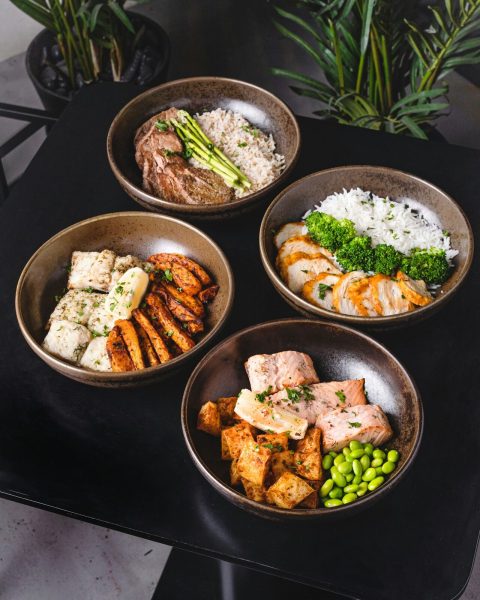
The most powerful tool we have to combat Summer Heat is our diet. TCM categorizes foods by their thermal nature (hot, warm, neutral, cool, cold) and their effect on the body. In summer, we should naturally gravitate toward foods that are cooling in nature, promote fluid production, and help drain dampness. This is not about a raw food diet, which can shock the digestive system, but about making intelligent, seasonal choices.
Here is a practical guide to building your summer cooling pantry:
| Food Category | Cooling Foods | TCM Benefit |
|---|---|---|
| Fruits | Watermelon, Cantaloupe, Pears, Apples, Strawberries, Citrus | Generate fluids, clear heat, quench thirst. |
| Vegetables | Cucumber, Bitter Melon, Celery, Lettuce, Zucchini, Mung Bean Sprouts | Clear heat, drain dampness, promote urination. |
| Proteins | Tofu, Mung Beans, Clams, Crab | Cooling nature, support fluids without generating internal heat. |
| Grains | Barley, Millet, Wheat | Clear heat, support the Spleen, gentle on digestion. |
| Herbs & Teas | Chrysanthemum, Mint, Green Tea, Peppermint, Lemon Balm | Disperse surface heat, calm the mind (Shen), soothe the Liver. |
| Condiments | Vinegar, Lemon Juice | Sour taste helps generate fluids and astringe (hold in) sweat. |
A classic TCM remedy for a scorched summer day is a simple Mung Bean Soup. Mung beans are famous in Chinese culture for their ability to “clear heat and detoxify.” Simmering a handful of mung beans in water until soft, and drinking the cooling broth, is a time-honored way to bring down internal temperature.
 chrysanthemum tea on a wooden table.”/>
Simple Daily Practices to Beat the Heat
Beyond diet, your daily habits play a crucial role in managing your internal environment. Think of it as creating a personal micro-climate of balance. These practices are simple, but when done consistently, they are profoundly effective.
1. Hydrate Mindfully: Sip room temperature or slightly cool water throughout the day, rather than gulping down ice-cold drinks. Add slices of cucumber, lemon, or mint for extra cooling power. Avoid caffeine and alcohol, which are diuretic and can deplete your fluids further.
2. Adjust Your Schedule: The hottest part of the day (11 am – 3 pm) is when the Yang energy is at its peak. If possible, schedule strenuous activities for the cooler morning or evening hours. Embrace the concept of a short rest or nap after lunch, which is common in many Asian cultures, to conserve energy during the heat.
3. Gentle Movement Over Intensity: Vigorous exercise in extreme heat can easily lead to fluid depletion and Qi exhaustion. Opt for gentler forms of movement like Tai Chi, Qi Gong, swimming, or a walk in a shady park in the early morning. The goal is to circulate Qi without generating excessive internal heat.
4. Cool Your Emotions: Summer Heat agitates the Heart and can lead to emotional “heat” like anger and frustration. Practice cooling your mind with meditation, deep breathing exercises, or simply sitting quietly with a cup of chrysanthemum tea. Listening to calming music can also soothe the Shen.
Acupressure for Instant Relief
Your body has built-in cooling stations. Stimulating certain acupuncture points can help clear heat, calm the mind, and restore balance. You can do this easily with acupressure—using your finger to apply firm, gentle pressure.
Key Cooling Points:
- Large Intestine 11 (LI 11) – Qu Chi: Located at the outer end of the elbow crease when the arm is bent. This is a master point for clearing heat from the entire body. Press firmly for 1-2 minutes on each arm.
- Heart 7 (HT 7) – Shen Men: On the wrist crease, in line with the little finger. This point calms the mind, reduces irritability, and helps with insomnia caused by summer heat. Massage gently for 1-2 minutes.
- Governing Vessel 20 (GV 20) – Bai Hui: At the very top of the head, in line with the tips of the ears. This is the meeting point of all Yang meridians. Gently tapping or massaging this point can lift a “heavy head” and clear mental fog.
Foods and Habits to Avoid in the Heat
Just as important as what to embrace is what to avoid. Certain foods and habits can fan the flames of Summer Heat or create more dampness, making you feel worse.
Avoid These “Heating” Foods:
- Spicy Foods: Chili peppers, garlic, ginger (in excess), and hot spices. While they make you sweat (which can cool you), they add more heat to an already overheated system.
- Greasy, Fried Foods: These are incredibly taxing on the digestive system and create dampness and phlegm, compounding the “damp-heat” pattern.
- Excessive Red Meat: Especially lamb and beef, which are considered warming in TCM.
- Alcohol: It is hot in nature and dehydrating—a double whammy in summer.
Avoid These Cooling Pitfalls:
- Over-reliance on Iced Drinks: While tempting, extreme cold constricts the digestive system (what TCM calls the Spleen Yang). This can lead to poor digestion, bloating, and paradoxically, more internal dampness. A chilled drink is fine; an icy one is not.
- Excessive Air Conditioning: Constantly living in a super-cooled environment prevents your body from acclimatizing and can trap heat inside. Use it judiciously, and try to spend some time outdoors in the cooler parts of the day.
- Cold Showers After Sweating: When your pores are wide open from heat, a sudden blast of cold can shock the system and trap the heat inside. A lukewarm or cool shower is better.
Common Questions
Can I still exercise in the summer heat according to TCM?
Absolutely, but with modifications. The key is to listen to your body and avoid depleting your Yin fluids and Qi. Shift your workouts to the early morning or evening. Choose cooling activities like swimming or walking in nature. If you prefer yoga, opt for a restorative or yin practice instead of a vigorous vinyasa flow. Always hydrate well before, during, and after, and stop immediately if you feel dizzy, nauseous, or overly fatigued.
I love iced coffee. Is that really so bad in summer?
TCM would gently suggest moderation. Coffee is warming and stimulating, and the ice is a shock to the Spleen and Stomach. A daily habit of iced coffee can contribute to a pattern of “Spleen Qi deficiency with dampness,” leading to fatigue, bloating, and brain fog over time. If you love it, try having it less frequently, or switch to a room-temperature brew. A better alternative for a summer energy boost might be green tea, which is cooling and contains L-theanine for calm focus.
My bedroom is so hot I can’t sleep. Any TCM tips for that?
Creating a cool sleeping environment is crucial for Heart health and Shen (mind) stability. Besides using a fan or AC wisely, try these TCM-inspired tips: 1) Take a cool (not cold) foot bath before bed to draw heat down from your head. 2) Sip a small cup of cooling chrysanthemum tea a few hours before sleep. 3) Place a sachet of dried mint or lavender near your pillow. 4) Practice a simple breathing meditation, focusing on cool air entering and warm air leaving, to calm your mind and body.
The bottom line: Navigating summer with TCM wisdom is about shifting from a reactive, external approach (cranking the AC, chugging ice water) to a proactive, internal one. By choosing cooling foods, adapting your daily habits, and using simple techniques like acupressure, you can work with the season’s energy rather than fighting it. The goal is not to eliminate heat, but to find a dynamic balance, allowing your body to stay resilient, hydrated, and calm from the inside out.
This article is for educational purposes and reflects traditional wellness perspectives. It is not a substitute for professional medical advice, diagnosis, or treatment.