I tried everything for my insomnia — melatonin, CBD, white noise machines, sleep apps, prescription medication. Nothing worked long-term. Then my grandmother sent me a bag of dried lotus seeds from China. I thought it was a sweet but useless gesture. Three months later, I’m sleeping through the night for the first time since my twenties. This is the story of how a $4 bag of ancient Chinese seeds did what a pharmacy full of supplements couldn’t.
The 2 AM Club No One Wants to Join
If you’ve ever stared at a ceiling at 2 AM, watching the shadows move across the wall while your partner sleeps soundly beside you — breathing that slow, steady rhythm that somehow makes your own wakefulness feel even more punishing — you know exactly what I mean by the 2 AM Club. I was a founding member. Ten years running.
I’m a 38-year-old freelance translator based in Vancouver. My work is cerebral, deadline-driven, and largely solitary. I mention this because I think the isolation and the mental load contributed to what became chronic insomnia — though at the time, I would have told you I was “just a night owl.” Denial is a powerful thing when you’re exhausted.
It started in my late twenties. A few nights of lying awake became a pattern, became a lifestyle, became my identity. I was “the person who doesn’t sleep.” Friends would joke about it. I’d laugh along while privately calculating how many hours I’d get if I fell asleep right now — a ritual I performed nightly, as if math could solve what my nervous system couldn’t.
Over the course of a decade, I spent an embarrassing amount of money and time trying to fix it. Here’s an incomplete list:
- Melatonin — Started at 3mg, eventually hit 10mg. It helped me fall asleep initially, but I’d wake up at 3 AM with a racing heart and bizarre, vivid dreams. The morning grogginess was its own kind of hell.
- CBD oil — Tried three different brands over six months. Expensive, and the only effect I noticed was lighter wallet syndrome.
- White noise machines — Ocean sounds, rain, brown noise, pink noise. My partner loved them. I lay awake listening to a very expensive fan.
- Sleep apps — Sleep Cycle, Calm, Headspace. The tracking apps just gave me more data to be anxious about. The meditation apps put me to sleep exactly twice.
- Prescription medication — Zopiclone worked, but I hated the metallic taste and the foggy mornings. My doctor warned me about dependency. I used it sparingly, which meant most nights I was still on my own.
- Magnesium glycinate — Mildly helpful. Maybe a 10% improvement. Not enough to change anything meaningful.
- Weighted blanket — Felt like being gently smothered by a very expensive quilt. I lasted four nights.
I was running out of options and running out of patience. That’s when my grandmother intervened — from 8,000 kilometers away.

The Package from Chengdu
My grandmother is 84 years old and lives in Chengdu, Sichuan province. She’s never used email, doesn’t own a smartphone, and communicates with me through my aunt, who acts as a very patient interpreter. Every few months, she sends a care package — usually containing dried mushrooms, some weirdly specific tea, and handwritten notes I can barely read because her calligraphy is better than my Chinese reading comprehension.
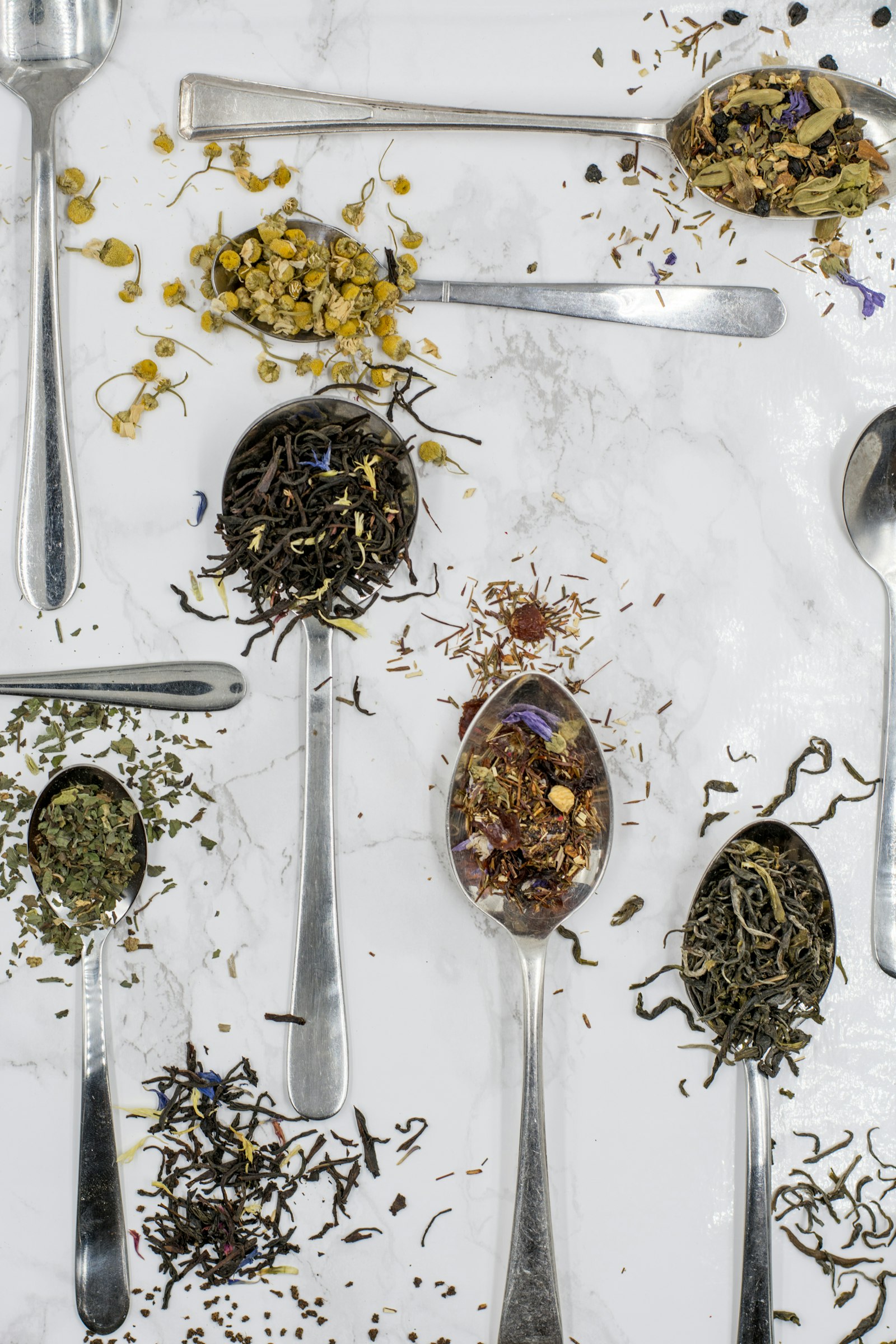
In March 2025, the package arrived with the usual suspects plus a brown paper bag of dried lotus seeds — 莲子 (lián zǐ) — along with a note my aunt translated as: “Make soup before bed. Sleep like a baby. Your grandfather and I drank this for forty years.”
I’d heard of lotus seeds before. Vaguely. They show up in Chinese desserts — that sweet, slightly starchy soup you get at the end of a banquet meal. I’d eaten them without thinking much about them. The idea that they could fix my decade-long insomnia struck me as somewhere between adorable and delusional.
But my grandmother has this quality — shared by many women of her generation — where she states things with such calm certainty that doubt feels rude. She didn’t say lotus seeds might help. She said they would. And she’d been right about the ginger tea for cold hands, the mung bean soup for summer heat, and the foot soaking for circulation. Her track record was uncomfortably good.
So I decided to take her seriously. I’d try lotus seed soup every night for 30 days and track the results with the same obsessive precision I’d bring to a translation deadline. If it didn’t work, I’d have a funny story. If it did — well, I didn’t dare hope that far ahead.
What Are Lotus Seeds, Exactly?
Before I get into the experiment, let me explain what I was actually eating — because most Westerners, even those familiar with Asian cuisine, don’t know much about lotus seeds beyond “that thing in the dessert soup.”
Lotus seeds come from the lotus flower (Nelumbo nucifera), an aquatic plant native to Asia that grows in ponds, lakes, and slow-moving rivers. The same plant that produces those iconic pink flowers you see in every Chinese watercolor painting also yields edible seeds, roots (lotus root), and leaves. In Chinese culture, the lotus symbolizes purity, resilience, and spiritual awakening — it grows through muddy water and blooms clean. It’s a powerful metaphor. It’s also, apparently, a powerful sleep aid.
The seeds themselves are small, round, and cream-colored when dried. They have a mild, slightly nutty flavor — think of a cross between a chestnut and a slightly undercooked bean. Not unpleasant, not exciting. They’re sold dried (with or without the bitter green embryo inside), and you’ll find them in any Asian grocery store for around $3-5 per bag. A single bag lasts me about two weeks.
In Traditional Chinese Medicine (TCM), lotus seeds have been used for over 1,000 years. They’re classified as sweet in flavor and neutral in temperature, entering the Spleen, Kidney, and Heart meridians. What this means in practical terms: TCM considers them nourishing, calming, and specifically supportive of what practitioners call “Heart Shen” — essentially, the mind’s ability to settle and rest. If your mind races at night, TCM would say your Heart Shen is disturbed. Lotus seeds are one of the primary foods used to calm it.
For a deeper dive into the traditional and scientific basis, I wrote a separate article on lotus seed benefits for sleep in Chinese medicine that covers the herbal theory in more detail.
The Science: Why Lotus Seeds Might Actually Work
I’m not the kind of person who accepts “it’s traditional” as proof. I needed to understand why a seed might help me sleep. Here’s what I found.
Rich in Key Minerals
Lotus seeds are notably high in magnesium — roughly 200mg per 100g of dried seeds. Magnesium is well-established as a mineral that supports sleep quality. A 2012 study published in the Journal of Research in Medical Sciences found that magnesium supplementation significantly improved sleep quality, sleep time, and melatonin levels in elderly subjects with insomnia. This is the same mineral people pay $20-30 per bottle to supplement in capsule form. I was getting it from soup.
They also contain potassium (about 500mg per 100g), which helps regulate muscle relaxation and nerve signaling — both of which affect your ability to physically unwind at night.
Contains Alkaloids with Calming Properties
This is where it gets interesting. The green embryo inside the lotus seed — called the Plumule, or 莲子心 (lián zǐ xīn) — contains bisbenzylisoquinoline alkaloids, specifically liensinine, isoliensinine, and neferine. These compounds have demonstrated sedative and anxiolytic (anti-anxiety) effects in animal studies. A 2017 study in the Journal of Ethnopharmacology found that neferine significantly reduced sleep latency (the time it takes to fall asleep) and increased total sleep duration in mice.
Now, animal studies don’t automatically translate to human results. But the mechanism is plausible: these alkaloids appear to modulate GABAergic neurotransmission — the same pathway targeted by prescription sleep medications like benzodiazepines, just much more gently. Think of it as the difference between a whisper and a shout.
Important note: the embryo is bitter. Traditionally, it’s removed for sweet soup recipes but kept in teas specifically for its calming properties. More on this in the recipe section.
Complex Carbohydrates for Sustained Energy Release
Lotus seeds are about 65% carbohydrates, predominantly complex starches. Unlike the sugar spike you get from cookies or candy, these slow-digesting carbs provide a steady release of glucose that helps maintain stable blood sugar through the night. Blood sugar crashes are a common — and underappreciated — cause of middle-of-the-night waking. By eating a small bowl of lotus seed soup two hours before bed, I was essentially providing my body with fuel to get through the night without a cortisol spike.
The Recipe: Lotus Seed Sweet Soup (莲子糖水)
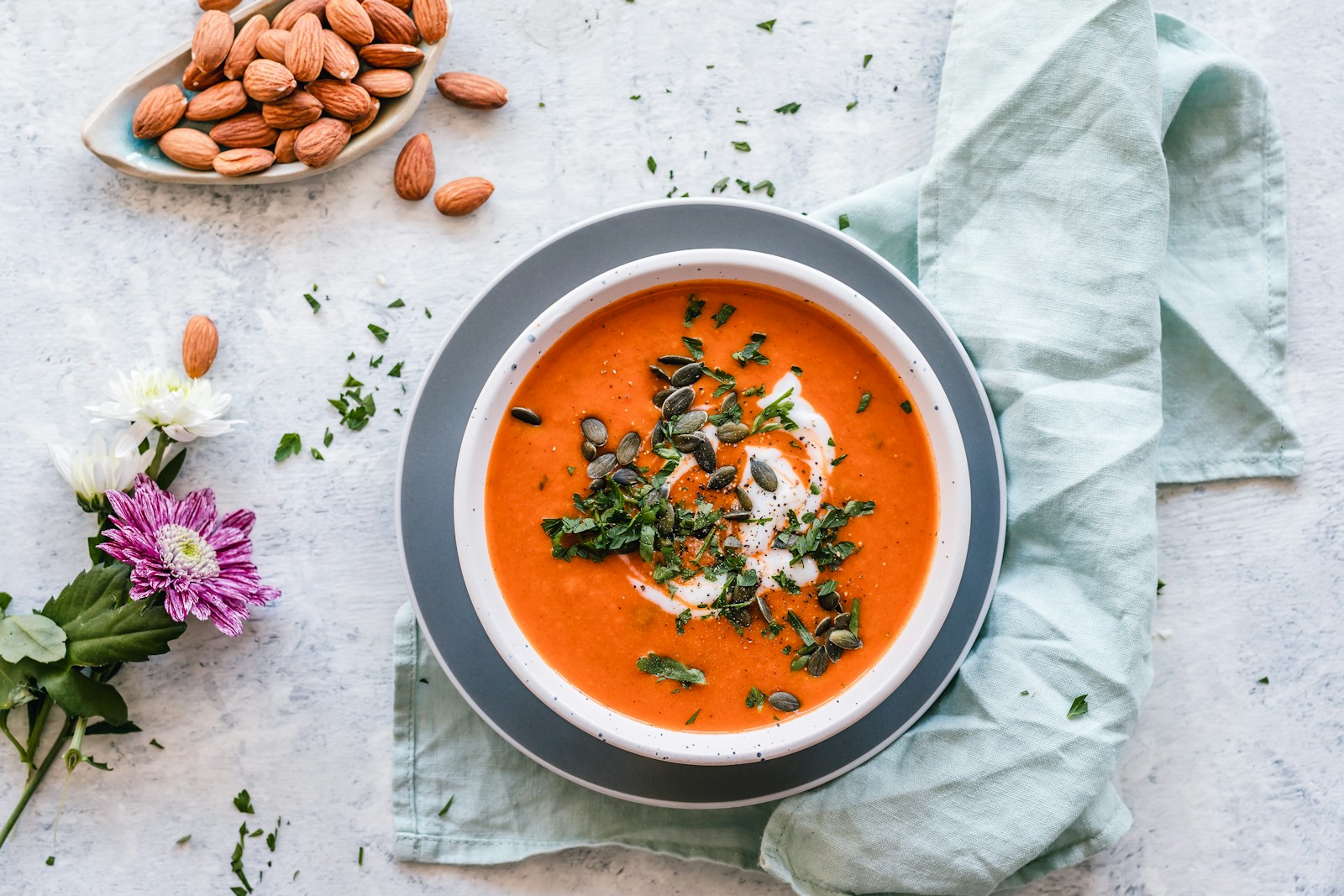
My grandmother’s recipe is simple. Almost embarrassingly simple. Here’s exactly what I made every night for 30 days:
Ingredients (Serves 1)
- Dried lotus seeds: 30g (about a small handful, roughly 20-25 seeds)
- Water: 500ml (about 2 cups)
- Rock sugar (冰糖, bīng táng): 10-15g (about 1 tablespoon — you can substitute honey or regular sugar, but rock sugar is traditional and has a milder sweetness)
- Optional additions: 5-6 dried red dates (红枣, hóng zǎo), a small handful of goji berries (枸杞, gǒu qǐ), or a few slices of dried longan (桂圆, guì yuán). All three are traditional sleep-supporting additions in TCM.
Instructions
- Soak the lotus seeds. Place the dried seeds in a bowl and cover with room-temperature water. Soak for at least 4 hours, or overnight. This is critical — dried lotus seeds are rock-hard and won’t cook properly without soaking. I’d put them in water before leaving my desk for the day, and they’d be ready by evening.
- Remove the embryos (optional). If your lotus seeds still have the green embryo inside (the thin green sprout in the center), you can remove it to reduce bitterness. Use a toothpick or small knife to pry it out. However — and this is important — if you want the full calming effect, leave some or all of the embryos in. The bitter compounds are the ones with the strongest sedative properties. I removed half of them, which gave me a mild bitterness without making the soup unpleasant.
- Boil. Add the soaked lotus seeds and water to a small pot. Bring to a boil over high heat, then reduce to a low simmer. If using red dates or dried longan, add them now.
- Simmer for 40-50 minutes. The seeds should be soft enough to press easily with a spoon — creamy on the inside, slightly firm on the outside. Stir occasionally to prevent sticking. Add more water if needed.
- Add the rock sugar. Stir until dissolved. Add goji berries in the last 5 minutes — they don’t need long and overcooking makes them mushy.
- Serve warm. Drink the soup and eat the seeds. The whole bowl, including the liquid, takes about 10 minutes to consume.
When to Drink It
I drank my lotus seed soup about 1.5 to 2 hours before bed. This timing felt right — close enough that the calming effect was present when I lay down, but far enough that I wasn’t going to bed with a full stomach. The soup is light (roughly 150-180 calories), so it never felt heavy.
My Honest Notes on Taste
The soup tastes like… mild, sweet, slightly starchy water with soft, creamy seeds. It’s not going to win any culinary awards. The red dates add a subtle fruity sweetness, and the goji berries give a tiny pop of tartness. If you’ve had Chinese dessert soup before, it tastes exactly like that. If you haven’t, imagine a very gentle, sweet porridge broth. It’s comforting in the way that warm milk is comforting — not because it’s delicious, but because it feels like something a caring person made for you.
I’ll be honest: by week three, I looked forward to it. Not for the taste, but for the ritual. The 15 minutes of preparation — soaking, simmering, ladling — became a signal to my brain that the day was ending. It was the beginning of my wind-down, and that consistency mattered as much as the soup itself.
If you want to combine this with another calming ritual, I’ve found that pairing the soup with a warm foot soak — which I wrote about in my Chinese foot soak benefits guide — creates an incredibly effective two-step wind-down routine.
My 30-Day Sleep Tracking Results
I tracked everything using a combination of a sleep tracking app (Sleep Cycle) and a handwritten journal where I noted subjective factors: how I felt upon waking, whether I remembered waking during the night, and my energy levels the following day. Here’s what happened.
Days 1-7: Skepticism and a Surprising Calm
The first three nights, I noticed no difference in my ability to fall asleep. I still lay awake for 30-45 minutes, mind churning. But I did notice something I hadn’t expected: the process of making the soup was calming in itself. Standing at the stove, watching the seeds soften, smelling the faint sweetness — it was meditative. My partner commented that I seemed “less wired” in the evenings.
On night four, I fell asleep in under 20 minutes. This was unusual. I noted it with cautious optimism and a heavy dose of “probably coincidence.” By night seven, I’d had three nights where I fell asleep faster than my baseline. Not a revolution, but a pattern worth watching.
Week 1 verdict: Possible slight improvement in sleep onset. No change in middle-of-the-night waking. The ritual itself felt meaningful.
Days 8-14: The First Full Night
On day nine, something happened that hadn’t happened in months: I slept through the night. Six and a half hours of unbroken sleep. I woke up at 6:15 AM and genuinely didn’t know where I was for a moment — not from disorientation, but because I hadn’t woken up naturally, without an alarm or a 3 AM panic, in so long that the sensation was unfamiliar.
It happened again on day twelve. And day fourteen. By the end of week two, I’d slept through the night four out of seven nights. My baseline before the experiment was zero to one night per week. The change was stark enough that my partner asked, unprompted, “What are you doing differently?”
I also noticed my dreams changing. Less anxious, less fragmented. More like actual stories instead of stress montages. This tracks with what I’d read about improved sleep architecture — when you spend more time in deep sleep and less in the anxious, surface-level stages, dream quality improves.
Week 2 verdict: Significant improvement in sleep continuity. Falling asleep faster. First sustained period of sleeping through the night in months.
Days 15-21: Building Momentum
Week three was when the results became hard to attribute to coincidence. I slept through the night six out of seven nights. My average total sleep time went from 5.2 hours (pre-experiment baseline) to 6.8 hours. My sleep efficiency — the percentage of time in bed actually spent sleeping — jumped from 72% to 89%.
The most telling change was in my mornings. I started waking up before my alarm, feeling genuinely rested. Not “I can function” rested, but “I actually want to do things” rested. My productivity during the day improved noticeably. I was finishing translations faster, making fewer errors, and — this is embarrassing to admit — I started cooking dinner instead of ordering takeout because I had the energy to care about what I ate.
I also experimented with the green embryo during this week. I left all the embryos in for three nights and removed them for two. The nights with the embryos were slightly more effective — I fell asleep faster and felt more deeply asleep — but the bitterness was noticeable. If you can tolerate it, keep them in. If not, removing them still works; it’s just slightly less potent.
Week 3 verdict: Consistent, measurable improvement. Sleep quality and duration both improved significantly. Starting to feel like a different person.
Days 22-30: The New Normal
The final week confirmed what I’d been hoping: this wasn’t a fluke. I slept through the night every single night from day 22 to day 30. My average sleep time stabilized at 7.1 hours. My sleep efficiency held at 91%. I stopped taking melatonin entirely on day 20 and didn’t miss it.
One night — day 26 — I deliberately skipped the soup to see what would happen. I still fell asleep in about 25 minutes and slept through the night. This was important: it suggested the soup had helped reset my sleep patterns, not just provided a nightly sedative effect. The ritual and the nutrients had done something cumulative.
Week 4 verdict: Sustained, stable improvement. Sleep patterns fundamentally changed. The experiment worked far beyond what I expected.
Before and After: The Numbers
Here’s the data, pulled from my sleep tracking app and journal:
| Metric | Pre-Experiment Baseline | Day 30 | Change |
|---|---|---|---|
| Average sleep duration | 5.2 hours | 7.1 hours | +37% |
| Sleep efficiency | 72% | 91% | +26% |
| Time to fall asleep | 38 minutes | 12 minutes | -68% |
| Nights sleeping through | 0-1 per week | 6-7 per week | Significant increase |
| Morning energy (1-10 scale) | 3.5 | 7.5 | +114% |
| Daytime anxiety (1-10 scale) | 6 | 3 | -50% |
Are these numbers scientifically rigorous? No. I’m a sample size of one with no control group, and I can’t fully isolate the lotus seed soup from other factors — I was more intentional about my bedtime routine, I spent less time on screens before bed, and I had a sense of agency over my sleep that I hadn’t felt in years. But the magnitude and consistency of the change convinced me something real happened.

Why I Think This Worked (Beyond the Chemistry)
I want to be honest about something: I don’t think the lotus seeds alone fixed my insomnia. I think they were the keystone of a system. Here’s what I mean.
The soup required preparation — 15 minutes of soaking, 40 minutes of simmering. That meant I had to start my wind-down routine earlier. I couldn’t work until midnight and then expect to fall asleep at 12:15. The soup forced me to begin transitioning out of “work mode” by 9 PM. That structure, in itself, was probably worth half the benefit.
The ritual also created a psychological anchor. Every night, the same process, the same bowl, the same warm sweetness. My brain started associating the taste and smell of lotus seed soup with “you are safe, the day is over, it’s time to rest.” Pavlovian conditioning is real, and I essentially Pavlov’d myself into sleepiness.
And yes — the magnesium, the alkaloids, the complex carbohydrates — they did their quiet work underneath all of that. They gave my nervous system the raw materials it needed to downshift. But the ritual gave it permission.
Frequently Asked Questions
How quickly do lotus seeds help with insomnia?
Based on my experience, you may notice subtle improvements within the first week — slightly faster sleep onset, maybe one or two nights of better continuity. The meaningful, sustained changes typically appeared in weeks two and three. I’d recommend committing to at least 21 consecutive nights before evaluating whether it’s working for you. This isn’t a sleeping pill; it’s a gradual, cumulative intervention that builds over time.
Can I eat lotus seeds instead of making soup?
You can, but I’d recommend the soup for two reasons. First, the warm liquid itself promotes relaxation and helps with hydration, which supports sleep quality. Second, the cooking process breaks down the starches and makes the nutrients more bioavailable — you’ll absorb more magnesium and other minerals from cooked lotus seeds than from eating them raw or dry. That said, roasted lotus seeds make a decent snack, and lotus seed paste in pastries is an option, though the added sugar may offset some benefits.
Are there any side effects of eating lotus seeds every night?
Lotus seeds are a food, not a drug, and they’ve been eaten daily in Asian cultures for centuries without notable concerns. The most common issue is mild bloating or gas if you’re not used to high-fiber foods — this typically resolves within a few days. People with very slow digestion (TCM would call this “Spleen Qi deficiency with dampness”) should start with smaller portions. If you’re on blood-thinning medications, check with your doctor, as lotus seeds contain compounds that may have mild anticoagulant properties. For the vast majority of people, nightly lotus seed soup is extremely safe.
Should I keep or remove the green embryo inside the lotus seed?
It depends on your goal and your tolerance for bitterness. The green embryo (莲子心, lián zǐ xīn) contains the strongest concentration of calming alkaloids — particularly neferine and liensinine. If your primary goal is sleep support, keeping the embryos in will give you a more potent effect. However, they’re genuinely bitter. A compromise that worked well for me: remove about half the embryos and leave the rest. You get some of the extra calming benefit without the soup tasting medicinal. The embryos can also be dried and brewed separately as a tea if you prefer.
Can lotus seed soup replace prescription sleep medication?
For mild to moderate insomnia, it’s possible — I was able to stop using melatonin and reduce my reliance on zopiclone during the experiment. However, I want to be very clear: do not stop any prescribed medication without talking to your doctor first. Lotus seed soup is a food-based, gentle intervention. It works with your body’s natural processes rather than overriding them. For severe insomnia, clinical sleep disorders, or conditions with an underlying medical cause, it should be a complement to professional treatment, not a replacement. Think of it as one tool in a larger toolkit — a very gentle, very inexpensive, very delicious tool.
A Note About My Results
I want to be transparent: I’m a sample size of one. My experience isn’t a clinical trial, and I can’t guarantee you’ll see the same results. I also can’t fully separate the lotus seed soup from other changes I made during the experiment — I was more intentional about my bedtime routine, I spent less time on screens in the evening, and I had a renewed sense of hope and agency over my sleep for the first time in years. Those psychological factors are real and significant.
But here’s what I know for certain: I went from averaging 5.2 hours of fragmented sleep to 7.1 hours of consolidated sleep. I went from dreading bedtime to looking forward to my nightly ritual. I went from relying on melatonin and occasional prescription medication to falling asleep naturally in under 15 minutes. Whatever the mechanism — biochemical, psychological, or some combination — the results were real, sustained, and transformative.
If you’re struggling with insomnia and you’ve tried the Western toolkit without lasting results, I genuinely believe this is worth 30 days of your time. It costs almost nothing, it takes less than an hour of mostly hands-off cooking, and the worst thing that happens is you end up eating a mildly sweet, mildly boring bowl of soup every night.
Your grandmother — or someone’s grandmother — would be proud.
Disclaimer
This article is for informational and entertainment purposes only and does not constitute medical advice. The author is not a healthcare professional. Individual results may vary. If you have chronic insomnia, a diagnosed sleep disorder, or any medical condition, please consult a qualified healthcare provider before trying lotus seed soup or making changes to your treatment plan. Do not discontinue any prescribed medication without medical supervision. Some links in this article may be affiliate links.
About the Author
Emily Zhou is a freelance translator and health writer based in Vancouver, Canada. After a decade of chronic insomnia, she began exploring traditional Chinese wellness practices passed down through her family. She writes about the intersection of Eastern food therapy and modern sleep science, documenting her experiments with the same rigor she brings to literary translation. When she’s not working or sleeping (finally), she’s probably on the phone with her aunt, asking for her grandmother’s next recipe.
Related Articles:
- Lotus Seeds for Sleep: What Chinese Medicine Says and What Science Confirms
- The Complete Guide to Chinese Foot Soak Benefits: Herbs, Techniques, and Science