There’s a particular quality to the air in late February or early March, depending on where you live. It’s not just warmer; it’s lighter. The birdsong changes pitch. The soil smells different. If you pay close attention, you might notice a subtle, almost electric hum beneath your feet and in your own chest. This isn’t just poetic fancy—it’s the palpable shift of spring qi awakening. In Traditional Chinese Medicine (TCM), spring is the season of the Liver and Gallbladder, the Wood element, and the powerful, upward surge of energy that has been quietly gestating all winter. After months of inward, Yin-dominant rest, your body’s qi begins to stir, stretch, and rise, much like the first green shoots pushing through the frozen ground. Learning to read and support this internal spring can set the tone for your vitality for the entire year ahead.
The Wood Element: Your Body’s Inner Spring
To understand spring qi awakening, we must first understand the Wood element. In the Five Element theory—a foundational framework in TCM—each season corresponds to an element, a pair of organs, and a set of physical and emotional qualities. Spring belongs to Wood. Think of a young tree: it is flexible yet strong, resilient, and constantly growing. Its energy is characterized by upward and outward movement, a quality of assertive expansion. The organs associated with Wood are the Liver (Yin organ) and the Gallbladder (Yang organ).
The Liver is the “General” or “Strategist” of the body. Its primary job is to ensure the smooth, even flow of qi and blood throughout every system. When it functions well, we feel flexible, both physically and emotionally. Our plans flow, our digestion is smooth, and our tendons are supple. The Gallbladder, its partner, governs decision-making and courage. In spring, the Liver’s energy is at its peak. If this energy is balanced, we feel motivated, creative, and full of plans. If it’s stagnant (a very common imbalance), we can feel irritable, frustrated, or stuck. If it’s in excess, it can “overact” on other organs, leading to headaches, eye problems, or digestive upset.
“The Liver is the root of endurance and the source of planning.”
— Huangdi Neijing (Yellow Emperor’s Classic of Internal Medicine)
This ancient text, compiled over 2,000 years ago, perfectly captures the Liver’s role in spring. It’s the engine of our ambition and strategy for the year. My grandmother, a farmer’s wife in rural Zhejiang, never spoke of “Wood element,” but she lived by it. She’d say, “In spring, you must move like the sap—don’t let it get stuck.” She’d spend the first warm days doing gentle stretches in the yard and eating foods that were green and slightly bitter, like dandelion greens from the garden, to “clear the Liver heat” from winter.
Signs Your Qi is Awakening (or Stuck)
Your body is constantly communicating its state. As spring arrives, you may notice specific signs that your qi is in a state of flux. These can be positive signs of healthy awakening or red flags of imbalance. Paying attention is the first step in mindful, seasonal living.
Signs of Healthy, Balanced Spring Qi Awakening:
- Increased physical energy and motivation—a natural desire to start projects and be more active.
- Improved flexibility—in your body, especially the tendons and ligaments, and in your thinking.
- Clear eyes and good vision—the eyes are the sensory organ of the Liver.
- Smooth digestion—bile flow (governed by the Gallbladder) is efficient.
- A sense of calm assertiveness—able to make decisions and express needs without anger.
Signs of Stagnant or Excess Spring Qi (Common Imbalances):
- Irritability, frustration, or sudden anger—the emotion of the Liver is anger. Stagnation turns it into simmering resentment.
- Tension headaches, especially at the temples or behind the eyes—the Gallbladder meridian runs along the sides of the head.
- Tight shoulders, neck, and jaw—the Liver governs the tendons. Stagnation creates stiffness.
- Eye issues—dry, red, or itchy eyes; floaters; blurred vision.
- Digestive upset—bloating, alternating constipation and diarrhea, or nausea (Wood overacting on Earth/Spleen/Stomach).
- Allergies and sinus flare-ups—as the immune system (Wei Qi) adjusts to the new season’s energy.
- Difficulty making decisions or feeling “stuck”—a weak Gallbladder.
During my studies in Chengdu, my teacher, Dr. Li, would see a predictable surge in patients every March with these exact complaints. “The qi is like a river thawing,” he’d explain. “If the ice (winter stagnation) doesn’t break up smoothly, you get flooding (excess) or backed-up pools (stagnation). We don’t stop the river; we help it flow.”
Nourishing the Wood: Foods for Spring Flow
Food is one of the most direct ways to influence your body’s qi. In spring, the dietary principle is to support the Liver’s smooth flow and gently cleanse the system of winter’s heaviness. This means favoring foods that are:
- Green—the color of the Wood element.
- Slightly bitter or sour—bitter clears heat; sour astringes and nourishes Liver Yin.
- Light and fresh—moving away from the heavy, warming, salty foods of winter.
- Raw or lightly cooked—to preserve their upward, sprouting energy.
Here is a practical guide to building your spring plate. Don’t just “eat greens”—be specific and intentional.
| Food Category | Specific Examples & Preparation | TCM Action & Why It Helps in Spring |
|---|---|---|
| Leafy Greens | Dandelion greens (Taraxacum officinale): Sauté with garlic and a splash of rice vinegar. Spinach (Spinacia oleracea): Add to soups in the last 2 minutes. Watercress (Nasturtium officinale): Eat raw in salads or blend into green juice. | Clear Liver Heat, Move Qi. Their bitterness helps release pent-up heat and frustration. Dandelion is a classic Liver cleanser. |
| Sprouts & Shoots | Bean sprouts (mung bean or soy): Lightly stir-fry with ginger. Bamboo shoots (Phyllostachys edulis): Simmer in broths. Asparagus (Asparagus officinalis): Steam for 3-4 minutes. | Embody Upward Energy. These are literally plants in their phase of sprouting—they carry the very essence of spring’s rising qi. |
| Sour Foods | Lemon: Warm water with lemon upon waking. Goji berries (Lycium barbarum): A small handful (10-15g) daily. Plums & pickles (in moderation): A few slices with meals. | Nourish Liver Yin & Blood. Sour flavor astringes, helping to hold and conserve the Liver’s Yin fluids, preventing excess heat. |
| Herbs & Aromatics | Fresh mint (Mentha haplocalyx): Steep as tea or garnish salads. Chrysanthemum flowers (Chrysanthemum morifolium): Make a light tea. Rose buds (Rosa rugosa): Brew a fragrant tea. | Spread Liver Qi, Soothe Eyes. These light, aromatic herbs help move stagnant qi gently upward and outward. Chrysanthemum is famous for clearing Liver-heat affecting the eyes. |
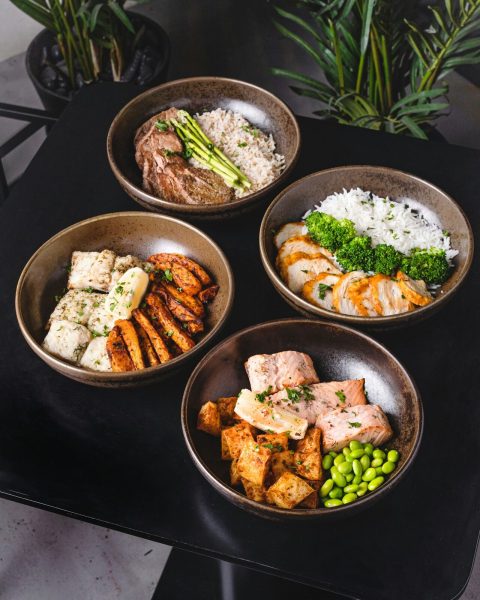
A Simple Spring Meal Idea: A bowl of brown rice topped with steamed asparagus, sautéed dandelion greens, a few slices of baked salmon (rich in omega-3s for inflammation), and a sprinkle of goji berries. Sip on a cup of mint-chrysanthemum tea. This meal is light, green, slightly bitter and sour, and packed with qi-moving nutrients.
 herbal tea with mint and chrysanthemum flowers on a wooden table”/>
Movement for the Liver: Gentle Stretches to Break the Ice
The Liver governs the tendons and sinews. After a winter of relative stillness, your tendons may be tight and your qi sluggish. The goal of spring movement is not to run a marathon, but to gently stretch and circulate, mimicking the slow, persistent growth of a vine. Think “flow,” not “force.”
The “Liver & Gallbladder Meridian” Morning Stretch (5 Minutes):
This simple sequence targets the primary pathways of the Wood element. Do it slowly, breathing deeply into each stretch.
- 1. Side Body Stretch (Gallbladder Meridian): Stand with feet hip-width apart. Inhale, raise your right arm overhead. Exhale, lean gently to the left, creating a long stretch from your right hip to your fingertips. Hold for 3-5 breaths. Repeat on the other side. This stretches the Gallbladder channel along the side of the body.
- 2. Seated Spinal Twist (Liver Qi Flow): Sit on the floor with legs extended. Bend your right knee, placing the foot outside your left thigh. Place your left elbow on the outside of your right knee. Inhale to lengthen your spine; exhale to twist gently to the right. Look over your right shoulder. Hold for 5 breaths. Repeat on the other side. Twists are phenomenal for “wringing out” stagnant Liver qi.
- 3. Butterfly Pose (Groin & Inner Thigh – Liver Channel): Sit with soles of feet together, knees out to the sides. Hold your feet and gently flutter your knees up and down like butterfly wings for 1 minute. Then, gently press your knees toward the floor with your elbows. The inner thigh is a major pathway for the Liver meridian.
- 4. “Shaking the Tree” (Qigong Release): Stand and gently bounce on your heels, shaking your whole body loosely for 1-2 minutes. Let your arms, shoulders, and jaw go slack. This is a classic qigong practice to release tension and stagnant qi, preparing the body for spring’s movement.
Consistency is key. Five minutes every morning is far more effective than an hour once a week. The goal is to tell your body, “The thaw has begun.”
Emotional Gardening: Tending to Frustration
In TCM, the emotion of the Liver is anger. This isn’t necessarily explosive rage; it’s the entire spectrum—frustration, resentment, irritability, impatience. In spring, as the Liver’s energy rises, these emotions can bubble to the surface more readily. This is not a “bad” thing. It’s a signal. It’s your psyche’s spring cleaning.
The key is not to suppress these feelings (which causes more stagnation) or to vent them destructively (which depletes qi). The balanced expression of the Wood element is assertiveness—the ability to plan, decide, and act with clarity and kindness. Here’s how to tend your emotional garden:
- Practice the “Pause”: When you feel frustration rising, take three slow, deep breaths before responding. This engages the parasympathetic nervous system and creates space between stimulus and reaction.
- Journal with Direction: Instead of venting aimlessly, use a prompt. Ask: “What is this frustration trying to tell me? What needs to change or be expressed?” Write for 10 minutes without stopping.
- Use Sour & Green: As mentioned, sipping on lemon water or a sour plum can have a physically astringent, calming effect on Liver qi. The color green, seen in nature or your food, is visually soothing to the Wood element.
- Connect with the “Eye of the Storm”: The balanced state of Wood is the calm, centered eye of a hurricane—full of power but still. Spend 5 minutes daily sitting quietly, focusing on the sensation of your breath in your lower abdomen (the Dantian). This builds the “root” that allows for stable growth.
Common Questions About Spring Qi Awakening
Q: I feel more tired in spring, not more energetic. Is that normal?
A: Absolutely, and it’s a common experience. This is often a sign of Liver qi stagnation combined with underlying Spleen qi deficiency (the Earth element). The Spleen, which governs energy and digestion, can be weakened by the heavy, rich foods of winter. As the Liver’s energy tries to rise in spring, a weak Spleen can’t support it, leading to fatigue, heaviness, and brain fog. The solution isn’t to push harder, but to nourish the Spleen while gently moving the Liver. Focus on easily digestible foods like congee (rice porridge), sweet potatoes, and squash. Avoid cold, raw foods and excessive dairy. Gentle movement, like the stretches above, is crucial—think of it as oiling the hinges rather than forcing the door open.
Q: My spring allergies are terrible. Can TCM help?
A: TCM views seasonal allergies (allergic rhinitis) as a complex interaction between external Wind (a pathogenic factor in TCM) and an underlying internal imbalance, often involving the Lung, Spleen, and Kidney systems. In spring, the rising Liver qi can further disrupt the Lung’s ability to descend and disperse protective Wei Qi (defensive energy). While a licensed practitioner can offer a precise diagnosis, some general supportive strategies include: 1) Incorporate local, raw honey (1 tsp daily) and stinging nettle leaf (Urtica dioica) tea, which some research suggests may help modulate histamine response. 2) Perform daily nasal irrigation with a saline solution to physically clear allergens. 3) Eat foods that support the Lung and Spleen, like pears, white wood ear fungus, and rice. 4) Protect yourself from Wind—wear a scarf, especially over the back of your neck (the “Wind Gate” in TCM).
Q: Are there any herbs I should avoid in spring?
A: Yes, be mindful of excessively warming, drying, or heavy herbs that were appropriate for winter but can create imbalance in spring. These include large amounts of cinnamon bark (Rou Gui), dried ginger (Gan Jiang), lamb, and tonifying roots like astragalus (Huang Qi) if you are already showing signs of Liver heat or stagnation (red face, irritability, headaches). The spring palate should shift toward lighter, more moving, and slightly cooling herbs. However, this is highly individual. If you are on a prescribed herbal formula, consult your practitioner before making seasonal changes. A 2017 review in the Journal of Ethnopharmacology notes that the seasonal adjustment of formulas is a hallmark of sophisticated TCM practice, emphasizing the need for personalized guidance.
The bottom line: Spring qi awakening is a powerful, natural process of renewal. By understanding the Wood element, listening to your body’s signals, eating green and light foods, moving with gentle intention, and tending to your emotional landscape, you can align with this seasonal energy. The goal isn’t to force a transformation, but to support the smooth, upward flow of your own vitality—much like helping a river thaw cleanly so it can nourish the valley all summer long.
About the Author
Yu Xi Zhang grew up in a Chinese household where traditional wellness practices were part of daily life. With over 15 years of study under licensed TCM practitioners in Beijing and Chengdu, and a certification in TCM nutrition from the Beijing University of Chinese Medicine, she bridges Eastern wisdom with Western wellness in practical, actionable ways. Her writing draws from classical texts like the Huangdi Neijing and modern research to help readers live healthier, more balanced lives.
This article is for educational purposes and reflects traditional wellness perspectives. It is not a substitute for professional medical advice, diagnosis, or treatment.