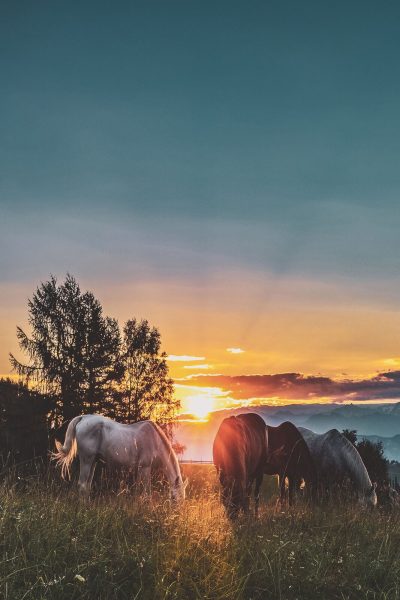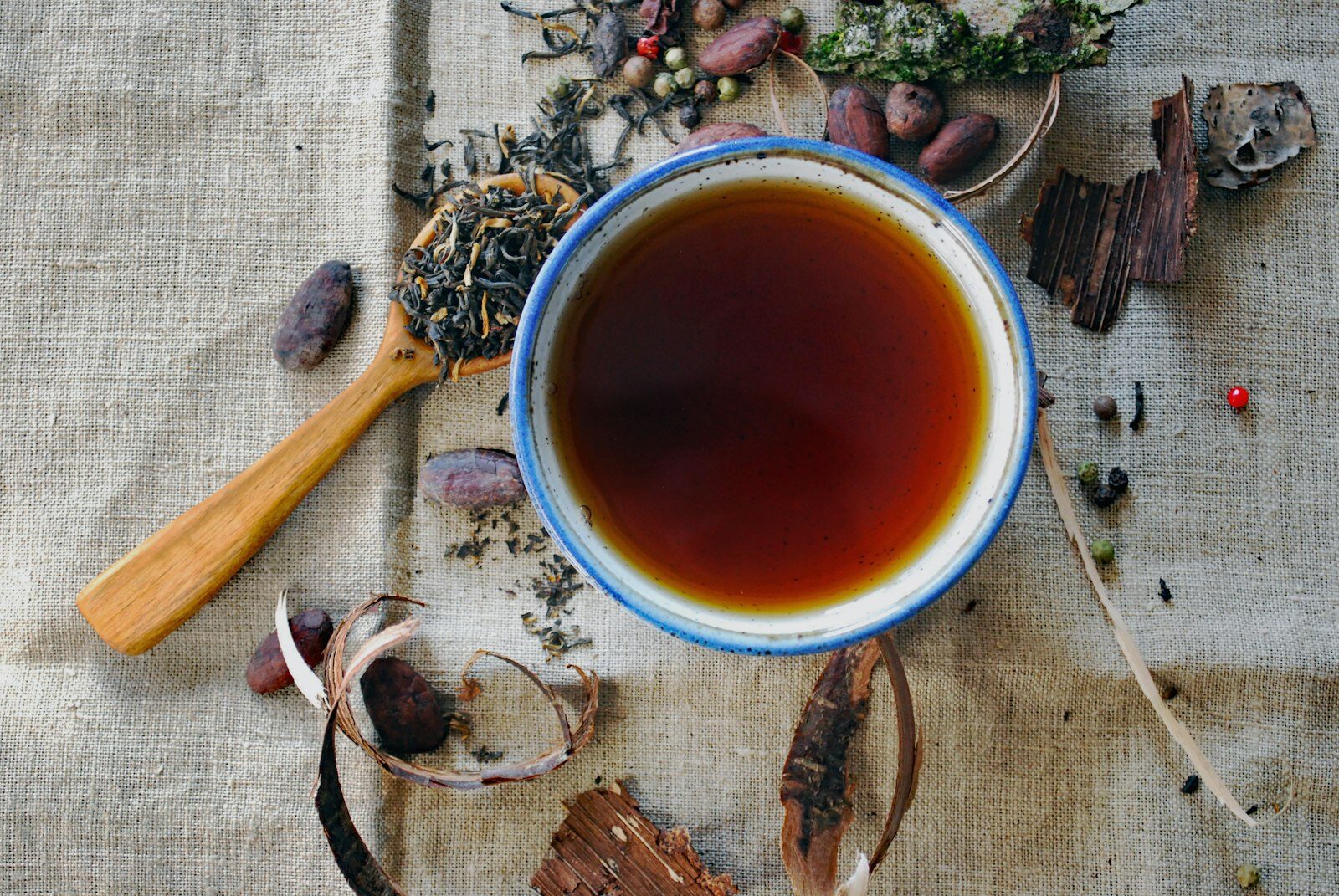
There’s a particular quality to a summer afternoon—the way the air thickens around 3 p.m., the way the cicadas start their relentless chorus, the way even the breeze seems to slow down. In my childhood home, this was the hour my grandmother would declare, “The heart needs a rest.” While my friends were told to go outside and play, I was often nudged onto the cool tile floor of our living room for a 20-minute nap, or handed a cup of chrysanthemum tea to sip while doing absolutely nothing. This wasn’t laziness; it was wisdom. Aligning with the summer’s gentle rhythm, especially when the sun is at its peak, isn’t about a rigid schedule. It’s about learning to ebb and flow with the energy of the season, much like the yin and yang symbol itself—a dance of activity and rest, expansion and nourishment. Today, we’ll explore how to craft a daily rhythm that honors the long, bright days without burning out, drawing from traditional Chinese perspectives and simple, actionable practices you can start today.
Understanding Summer’s Energy: The Fire Element and Your Heart
In Traditional Chinese Medicine (TCM), each season corresponds to an element and a major organ system. Summer is the season of Fire, and its associated organ is the Heart (and its partner, the Small Intestine). The Heart, in this framework, is not just a pump; it’s considered the “Emperor” of the body, housing the Shen—our spirit, consciousness, and mental clarity. When summer’s fire energy is balanced, we feel joyful, connected, and socially vibrant. When it’s excessive—which is easy during long, hot days—we can experience restlessness, anxiety, insomnia, and irritability. Think of it like a campfire: perfect for gathering around on a cool night, but overwhelming if it’s blazing at noon in your living room.
This is why the classic text, the Huangdi Neijing (The Yellow Emperor’s Classic of Internal Medicine), advises that in summer we should “go to bed late and rise early” (to enjoy the cooler dawn and dusk), and crucially, to “not let yourself be angered.” It recommends nourishing the heart by “making the heart happy.” This is the core of summer wellness: managing the fire to prevent burnout. Your daily rhythm should therefore include pockets of cooling, calming activities that soothe the Heart and mind, especially during the 11 a.m. to 3 p.m. window when the sun’s energy (and your internal “fire”) is strongest.
The Summer Daily Rhythm: A Practical Blueprint
Forget the “9-to-5” mentality for a moment. A summer-aligned day is more like a wave, with peaks of gentle activity in the morning and evening, and a deep, nourishing trough in the middle. Here’s a sample rhythm, inspired by traditional practices and adapted for modern life:
| Time of Day | Energy Phase | Suggested Activities & Focus |
|---|---|---|
| 5:00 – 7:00 AM | Wood (Gallbladder & Liver time) | Rise with the sun. Gentle movement (stretching, a short walk). Drink warm water. Set a calm intention for the day. |
| 7:00 – 11:00 AM | Earth (Stomach & Spleen time) | Main work period. Eat your largest, most nourishing breakfast/brunch. Tackle creative or focused tasks. |
| 11:00 AM – 3:00 PM | Fire (Heart & Small Intestine peak) | The crucial wind-down. Eat a light lunch. Avoid heavy exercise or stressful decisions. Rest, read, or take a 20-30 minute nap. |
| 3:00 – 7:00 PM | Metal (Lung & Large Intestine time) | Second activity window. Social connection, gentle exercise like swimming or evening gardening. Eat a light, early dinner. |
| 7:00 – 9:00 PM | Water (Kidney & Bladder time) | Wind down. Cooling foot soak, light reading, quiet conversation. Avoid screens. |
| 9:00 PM – 11:00 PM | Fire (Pericardium & Triple Burner) | Prepare for sleep. Gentle breathing or meditation. Lights out by 10:30 PM for optimal Heart nourishment. |
This isn’t a rigid schedule to stress over. It’s a template to give your day a gentle, supportive shape. The most important takeaway is the protection of the midday “trough.” That 11 a.m. to 3 p.m. window is sacred. If you can’t nap, even 10 minutes of sitting quietly with your eyes closed, sipping a cool herbal tea, can make a world of difference.
Morning Rituals: Greeting the Day with Gentle Fire
Summer mornings are a gift. The air is fresh, the light is soft, and the day’s fire hasn’t yet peaked. This is the time for gentle activation, not a caffeine-fueled sprint. My father used to practice a simple 10-minute qigong set called “Eight Pieces of Brocade” (Baduanjin) on our balcony every summer morning as the sun rose. The movements are fluid, stretching all the major meridians, and are designed to cultivate and circulate qi without depleting it. You don’t need to learn the full set. Start with just three of the movements: “Drawing the Bow to Shoot the Hawk” (opens the chest and lungs), “Separating Heaven and Earth” (stretches the spine and regulates the spleen/stomach), and “Swaying the Head and Shaking the Tail” (calms the heart fire).
Follow this with a simple hydration ritual. Skip the ice-cold water straight from the fridge—it can shock your digestive system. Instead, drink a large glass of room temperature water with a squeeze of fresh lemon and a pinch of sea salt. The lemon is gently cooling and supports liver function, while the pinch of salt helps with electrolyte balance as you prepare for the heat. This simple act tells your body, “We are awake, hydrated, and ready to move with the day’s rhythm.”
The Midday Pause: Cooling the Heart Fire
This is the cornerstone of your summer rhythm. Between 11 a.m. and 3 p.m., the Heart’s energy is at its absolute zenith. Pushing through with intense work or exercise is like throwing gasoline on a campfire that’s already roaring. The result? That 4 p.m. crash, irritability, and poor sleep. The antidote is the midday pause. This doesn’t have to be a full nap (though a 20-minute “catnap” is ideal if you can). It can be:
- A “Tea Time” Ritual: Brew a pot of cooling herbal tea. My go-to is a simple blend of chrysanthemum (ju hua) and goji berries (gou qi zi). Use 6-8 dried chrysanthemum flowers and a teaspoon of goji berries per cup, steeped in hot (not boiling) water for 5 minutes. Chrysanthemum directly clears heat from the liver and eyes, while goji nourishes the yin and blood. Sip it slowly, away from your desk.
- A “Digital Sunset”: Turn off all screens—phone, computer, TV—for 30 minutes. The blue light and constant information feed are incredibly taxing on the Heart/Shen. Instead, listen to calming music, look out a window, or do a simple 5-4-3-2-1 grounding exercise (name 5 things you see, 4 things you feel, 3 things you hear, 2 things you smell, 1 thing you taste).
- A Cooling Acupressure Point: Press the point Heart 7 (Shenmen), located on the inner wrist crease, on the little finger side of the tendon. Apply gentle, steady pressure for 1-2 minutes while breathing deeply. This point calms the spirit, relieves anxiety, and helps with insomnia.
This midday pause is your most powerful tool for preventing summer burnout. Guard it fiercely.

Nourishing with the Season: Foods that Cool and Calm
What you eat is a direct conversation with the season. In summer, we shift from the warming, building foods of spring to foods that are cooling, hydrating, and easy to digest. This doesn’t mean a diet of raw salads and smoothies, which can be too cold and damp for the spleen. It’s about balance. Think “cooling” in an energetic sense.
Key Summer Foods to Incorporate:
- Bitter Melon (Ku Gua): The quintessential summer vegetable in Chinese cuisine. It’s intensely bitter, which in TCM means it powerfully clears heat and drains dampness. Stir-fry thin slices with a little garlic and fermented black beans. Start with small amounts if the taste is new.
- Mung Beans (Lü Dou): A classic summer detox food. Cook a simple mung bean soup with a handful of beans, a few dried lily bulbs (bai he), and a rock sugar candy. Eat it slightly warm or at room temperature. It clears heat, quenches thirst, and calms the spirit.
- Watermelon Rind: Don’t throw it away! The white inner rind is a potent diuretic and clears summer heat. Simmer the chopped rind with a bit of lean pork or adzuki beans for a light, healing broth.
- Cucumber, Celery, and Leafy Greens: These are hydrating and slightly cooling. Eat them lightly cooked (steamed or sautéed) rather than ice-cold from the fridge.
- Sour Flavors: Add a squeeze of lemon or lime to your water, or a splash of plum vinegar to your meals. Sour is contracting and helps prevent the excessive sweating that can deplete fluids and yin.
“In summer, treat your kitchen like a pharmacy. The bitter melon is your aspirin for heat, the mung bean is your gentle cleanser, and the sour plum is your preserver of fluids.”
Evening Unwinding: Welcoming the Yin
As the sun begins its descent, the day’s yang (active, hot) energy naturally starts to wane, and yin (cool, receptive) energy rises. Your evening rhythm should mirror this shift. This is the time to transition from “doing” to “being.”
After your light, early dinner (ideally before 7 p.m.), create a cooling foot soak ritual. This is one of my favorite practices. Fill a basin with warm water (not hot) and add a handful of fresh mint leaves or a few drops of peppermint essential oil. Mint has a remarkably cooling and penetrating quality. Soak your feet for 15 minutes while reading or listening to soft music. The feet are considered the “second heart,” and this practice draws excess heat downward and out of the body, calming the mind and preparing you for sleep. For an extra calming boost, massage the Kidney 1 (Yongquan) point on the sole of your foot, in the depression just below the ball of the foot when you curl your toes.
Finally, as you prepare for bed, keep your bedroom cool, dark, and well-ventilated. A fan is better than blasting air conditioning, which can create artificial “cold” that constricts the pores and traps heat inside. If you use AC, set it no lower than 75°F (24°C) and consider a timer to turn it off after you fall asleep. The goal is to support your body’s natural nighttime cooling process, not replace it.
Common Questions
I work a traditional 9-5 job. How can I possibly implement a midday pause?
This is the most common challenge, and it requires creativity. You may not be able to nap, but you can protect your lunch break. Use 20 of those 60 minutes to eat mindfully, away from your desk. Then, spend the remaining 40 minutes on a “digital sunset.” Go for a slow walk in a shady park (nature is incredibly cooling), sit quietly in your car with the seat reclined and eyes closed, or simply find a quiet spot to sip your chrysanthemum tea. The key is to physically and mentally remove yourself from the stimulating work environment. Even this mini-break can significantly lower your afternoon stress and improve your evening sleep.
I crave iced coffee and cold treats in summer. Are they really that bad?
It’s not about absolute rules, but about understanding the trade-off. An occasional iced treat is fine. The problem arises when cold, raw foods become your primary diet. From a TCM perspective, the spleen and stomach prefer warmth to function optimally (imagine a digestive “fire”). Constantly dousing that fire with ice and raw food can lead to bloating, fatigue, and dampness (think sluggishness, foggy mind). The compromise? Enjoy your iced coffee, but have it after a meal, not on an empty stomach. And balance it with warm, cooked foods throughout the rest of the day. For a cooling treat that’s gentler on your system, try frozen grapes or a chilled mung bean soup.
What if I’m not a “morning person” and can’t wake up at 5 AM?
The principle is more important than the exact time. The goal is to rise with the increasing light and do your gentle movement before the heat sets in. If 7 a.m. is your sunrise, that’s your starting point. The quality of the activity matters more: 10 minutes of mindful stretching on your balcony is far more beneficial than 30 minutes of grueling exercise you dread. Listen to your body. In summer, the body naturally wants to be a bit more active in the cooler parts of the day. Find your own “cool window” and use it for gentle activation.
The bottom line: Aligning with summer’s gentle rhythm is an act of self-preservation and joy. It means protecting your midday rest as fiercely as you protect a meeting, eating foods that cool from the inside out, and unwinding as the sun dips. It’s about working with the season’s fiery energy, not against it. By building these simple, specific practices into your day, you move from surviving the heat to thriving in the long, luminous days, keeping your inner campfire glowing steadily without letting it rage out of control.
This article is for educational purposes and reflects traditional wellness perspectives. It is not a substitute for professional medical advice, diagnosis, or treatment.