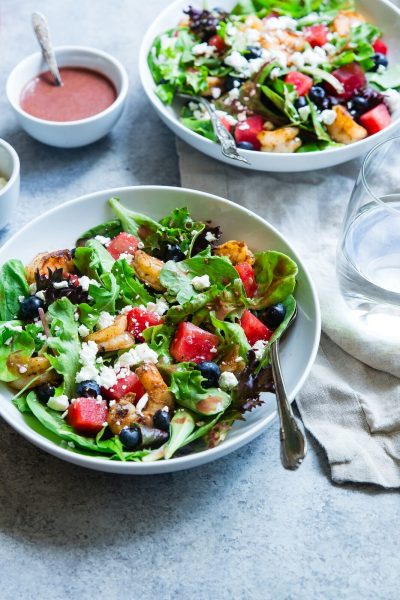
When the summer heat truly settles in—the kind that makes the asphalt shimmer and turns your car into a mobile sauna—our instinct is to reach for the obvious: a tall glass of ice water, a slice of cold watermelon, or a crisp cucumber salad. And while these classics deserve their reputation, the wisdom of Traditional Chinese Medicine (TCM) and global culinary traditions offers a far more interesting and effective toolkit for staying hydrated. True hydration isn’t just about flooding your system with H2O; it’s about supporting your body’s ability to retain and utilize fluids, cooling your internal furnace, and nourishing the subtle moisture that keeps your skin, joints, and energy flowing. My grandmother used to say that in the deepest summer heat, you don’t just need water—you need “water with intelligence,” foods that teach your body how to be cool. Let’s explore that intelligence together.
- The TCM Concept of Yin: Your Body's Built-In Cooling System
- The Melon Family: Your First Line of Defense
- The Sea's Gift: Oceanic Hydrators
- The Unsung Heroes: Starchy Roots & Seeds
- Summer Hydrating Foods at a Glance
- Hydrating Drinks That Aren't Just Water
- Putting It All Together: A Sample Summer Hydration Day
The TCM Concept of Yin: Your Body’s Built-In Cooling System
Before we dive into the grocery list, let’s understand one key idea from TCM that changes how we think about summer foods: Yin. In simple terms, Yin is the cooling, moistening, quieting principle in your body. It’s the opposite of Yang (warming, activating, drying). In summer, the external environment is intensely Yang—it’s hot, bright, and active. This constant heat can scorch and deplete our internal Yin fluids, leading to more than just thirst. Think of it like a car engine: the coolant (Yin) prevents the engine (Yang) from overheating. When Yin is deficient, you might experience night sweats, a dry throat even after drinking, a red face, irritability, or that “burned out” feeling where you’re exhausted but can’t sleep. The goal isn’t to fight summer’s Yang with icy extremes (which can shock the system and damage digestion), but to strategically consume Yin-nourishing, moisture-generating foods. This is the “water with intelligence” approach. It’s about quality, not just quantity.
“In summer, treat the heart. The heart is a fiery organ; it needs the gentle cooling of Yin to stay calm and clear.” — Classical TCM Saying
Now, let’s move beyond the produce aisle standbys and discover the true hydrating champions of summer.
The Melon Family: Your First Line of Defense
Watermelon gets all the glory, but its cousins are often even more potent in TCM theory. These are considered “cooling” foods that clear summer-heat and generate fluids.
- Honeydew Melon (Mì Guā): Sweeter and denser than watermelon, honeydew is prized for its ability to quench thirst without overloading the spleen (your digestive fire in TCM). It’s particularly good for that dry, parched feeling that water alone doesn’t fix. For a classic summer dessert in my family, we’d cube honeydew and toss it with a tiny pinch of salt and a few drops of lime juice—the salt helps your body absorb the fluids more effectively.
- Cantaloupe (Wǎng Wén Guā): This fragrant orange melon isn’t just tasty; it’s a diuretic that helps relieve summer swelling, especially in the legs and ankles, which can puff up in the humidity. Its bright color in TCM connects it to the spleen and stomach, aiding digestion. A simple, elegant snack: scoop out balls and freeze them on a tray. They become nature’s popsicle—hydrating and nourishing without added sugar.
- Bitter Melon (Kǔ Guā): Here’s the counterintuitive one. Despite its bitter taste, bitter melon is a powerful summer detoxifier. Its bitterness clears heat and toxins from the blood, which is why it’s a staple in South and Southeast Asian summer cuisines. Think of it as an internal air conditioner for your liver and gallbladder. My grandmother would make a simple stir-fry with thinly sliced bitter melon, scrambled egg, and a dash of fermented black beans. The bean’s saltiness balances the bitterness, and the dish leaves you feeling cool and light, not drained.
The Sea’s Gift: Oceanic Hydrators
The sea, being the ultimate source of Yin and moisture, offers some of the most potent hydrating foods. These are especially valuable if your summer dryness is accompanied by fatigue or weakness.
- Seaweed & Sea Vegetables (Kelp, Wakame, Nori): Rich in minerals like iodine, magnesium, and potassium, seaweed is a natural electrolyte replenisher. In TCM, it’s said to “soften hardness” and “moisten dryness,” making it excellent for dry skin, brittle hair, and constipation from summer heat. You don’t need to eat sushi daily. Simply soak a 4-inch strip of kombu (kelp) in a pot of water while you cook rice or soup—it infuses the liquid with minerals. Or toss a tablespoon of dried wakame into a miso soup base for a 3-minute side dish.
- Mussels, Clams, and Oysters: These shellfish are deeply nourishing to Yin fluids. They are considered “neutral to cool” in temperature and are particularly good for building Yin without creating dampness (a separate TCM concern). A small bowl of steamed mussels with ginger, scallion, and a splash of rice wine is a perfect summer meal—it replenishes fluids and supports digestion.
A quick note on preparation: Avoid eating these oceanic foods with a lot of raw, cold salads if your digestion is sensitive. The cool nature of the sea food combined with raw, cold vegetables can sometimes dampen your digestive fire. A light steam or a gentle stir-fry with warming ginger makes them more accessible.
 chrysanthemum tea.”/>
The Unsung Heroes: Starchy Roots & Seeds
These humble ingredients are masterclasses in soluble fiber, which forms a soothing gel in your gut that retains water and releases it slowly. This is true, lasting hydration.
- Lotus Root (Lián Ǒu): This crunchy, beautiful root vegetable is a tonic for the lungs and stomach. In summer, it’s used to generate fluids, cool the blood, and stop irritability. Slice it thin and stir-fry with celery and wood ear mushrooms for a cooling, crunchy dish. Or, for a more profound effect, simmer lotus root slices in a pork bone soup for 2 hours until tender—the resulting broth is incredibly soothing and hydrating.
- Chia Seeds: While not a traditional Chinese food, chia seeds are a modern Yin-nourishing powerhouse. They can absorb 10-12 times their weight in water, forming a gel that slowly releases hydration. Soak 1 tablespoon in 3 tablespoons of water or coconut milk for 15 minutes. Add this gel to smoothies, yogurt, or even a glass of lemonade for sustained moisture.
- Job’s Tears (Yì Yǐ Rén): Also known as Coix seed or barley’s cousin, this is a key herb in TCM for clearing summer dampness and heat. It’s a gentle diuretic that helps the body release excess fluid without depleting Yin. Simmer ¼ cup of Job’s tears with 8 cups of water and a few slices of ginger for 1 hour to make a mild, slightly sweet tea. Drink it throughout the day, warm or room temperature.
Summer Hydrating Foods at a Glance
Use this table to quickly identify foods based on their primary action and how to easily include them.
Chat with Me, our AI wellness guide — get personalized TCM advice instantly.
| Food | TCM Property | Key Benefit | Simple 5-Minute Use |
|---|---|---|---|
| Honeydew Melon | Cool, Sweet | Generates fluids, quenches thirst | Cube and eat with a pinch of salt & lime. |
| Bitter Melon | Cold, Bitter | Clears heat & toxins, cools blood | Stir-fry sliced with egg & fermented black beans. |
| Kombu (Kelp) | Cold, Salty | Softens dryness, rich in minerals | Soak a strip in your rice cooker or soup pot. |
| Lotus Root | Cool, Sweet | Nourishes fluids, calms the spirit | Slice thin and add to any stir-fry or salad. |
| Chia Seeds | Neutral, Sweet | Forms hydrating gel, sustained release | Soak 1 tbsp in water for 15 min; add to drinks. |
| Job’s Tears Tea | Cool, Sweet/Slightly Bitter | Drains damp-heat, mild diuretic | Simmer ¼ cup in 8 cups water for 1 hour. |
| Chrysanthemum Tea | Cool, Sweet/Bitter | Clears head & eyes, cools the body | Steep 5-6 flowers in hot water for 3 minutes. |
Hydrating Drinks That Aren’t Just Water
Plain water is essential, but in TCM, fluids are more easily utilized by the body when they have a “carrier”—a food or herb that helps transport the moisture to the right places. These teas and tonics do exactly that.
Chrysanthemum Tea (Jú Huā Chá): This is the quintessential summer cooling tea. It specifically clears heat from the head and eyes, making it perfect for headaches, red eyes, or irritability caused by the sun. It’s mild and slightly sweet. For a stronger effect, brew it with 5-6 dried flowers and a single goji berry (gǒu qǐ) in a cup of just-boiled water for 3 minutes. The goji adds a touch of Yin nourishment.
Barley Tea (Mài Chá): A staple in Korea and Japan in summer, roasted barley tea is cooling and wonderful for digestion. It has a lovely toasted, nutty flavor. You can find it in tea bags at any Asian grocery. Brew a large pitcher, let it cool, and keep it in the fridge. It’s a fantastic, caffeine-free alternative to iced tea that actually helps with fluid balance.
Winter Melon Tea (Dōng Guā Chá): Don’t let the name fool you—this is a summer powerhouse. Winter melon is extremely effective at clearing summer heat and promoting urination to relieve swelling. You can buy pre-made winter melon syrup (dōng guā táng) at Asian markets. Simply mix 1-2 tablespoons into a glass of cold or warm water. It’s sweet, refreshing, and deeply cooling. My mother would make a big batch of the syrup during the hottest weeks, and we’d drink it daily. It felt like drinking liquid shade.
Putting It All Together: A Sample Summer Hydration Day
Theory is great, but practice is everything. Here’s how you might integrate these foods into a single summer day for maximum, gentle hydration.
- Upon Waking: A cup of warm water with a slice of ginger to gently wake up your digestion.
- Breakfast: A small bowl of oatmeal or yogurt topped with a chia seed gel (1 tbsp chia soaked in water overnight) and a few cubes of honeydew melon.
- Mid-Morning: Sip on a thermos of chrysanthemum tea brewed with a goji berry.
- Lunch: A light meal of steamed fish or chicken with a side of stir-fried bitter melon and egg. Include a small bowl of Job’s tears tea or barley tea.
- Afternoon Snack: A small handful of fresh lychees (another cooling summer fruit in moderation) or a few cubes of cantaloupe.
- Dinner: A clear soup made with lotus root, corn, and a few pieces of lean pork. Serve with a simple seaweed salad (wakame with rice vinegar and sesame oil).
- Evening: A cup of warm barley tea or a small glass of winter melon tea (not too close to bedtime if it has a diuretic effect on you).
This approach layers different hydrating foods throughout the day, supporting your body’s Yin from multiple angles without overwhelming it with cold, raw foods.
Common Questions
Can I eat these foods if I have a “cold” stomach or poor digestion?
Absolutely, but with slight modifications. Many of these foods are cooling by nature. If your digestion is sensitive (you feel bloated, sluggish, or have loose stools), always pair them with a warming element. Add a few slices of fresh ginger or a sprinkle of cinnamon when cooking. For example, when making lotus root soup, simmer it with ginger and a couple of red dates (hóng zǎo). For bitter melon, the fermented black beans in the stir-fry provide a warming, fermented quality. This balances the cooling effect while still providing the hydrating benefits.
How much of these foods should I eat daily?
Think in terms of portions and consistency, not overloading at one meal. A good rule of thumb is to include 1-2 servings of these hydrating foods into your daily diet during the hottest months. One serving might be: 1 cup of melon, 1 cup of seaweed salad, 1 bowl of lotus root soup, or 2 cups of the hydrating tea. Listen to your body—if you feel cooler, more comfortable, and your thirst is quenched, you’re in the right range. If you feel chilly or your digestion slows down, reduce the quantity and add more warming spices.
Are there any people who should avoid these foods?
Yes, moderation and awareness are key. If you are pregnant, have a diagnosed thyroid condition (especially concerning iodine from seaweed), or are on blood-thinning medications (some greens like lotus root and seaweed are high in Vitamin K), please consult with your healthcare provider or a registered dietitian before making significant changes. Furthermore, if you are someone who is already very deficient in Yang energy (you feel constantly cold, have no energy, and have pale, puffy features), you should use these cooling foods sparingly and always in a cooked form with warming herbs like ginger, cinnamon, or black pepper.
The bottom line: True summer hydration is a practice of Yin nourishment. By strategically including a variety of cooling, moisture-generating foods like bitter melon, seaweed, lotus root, and chia seeds—alongside cooling teas like chrysanthemum and barley—you support your body’s innate ability to stay cool, moist, and energized. Move beyond the watermelon slice and explore this richer, more effective tradition of “eating your water.”
This article is for educational purposes and reflects traditional wellness perspectives. It is not a substitute for professional medical advice, diagnosis, or treatment.