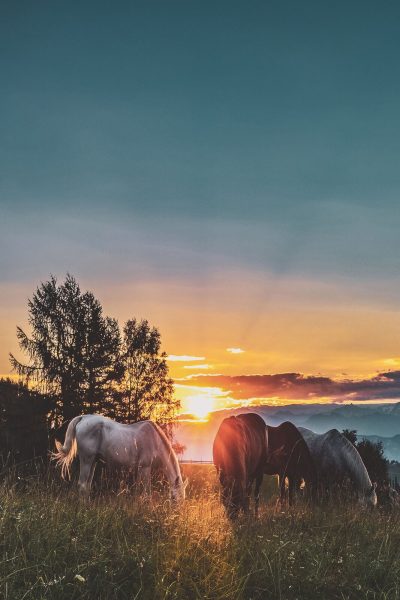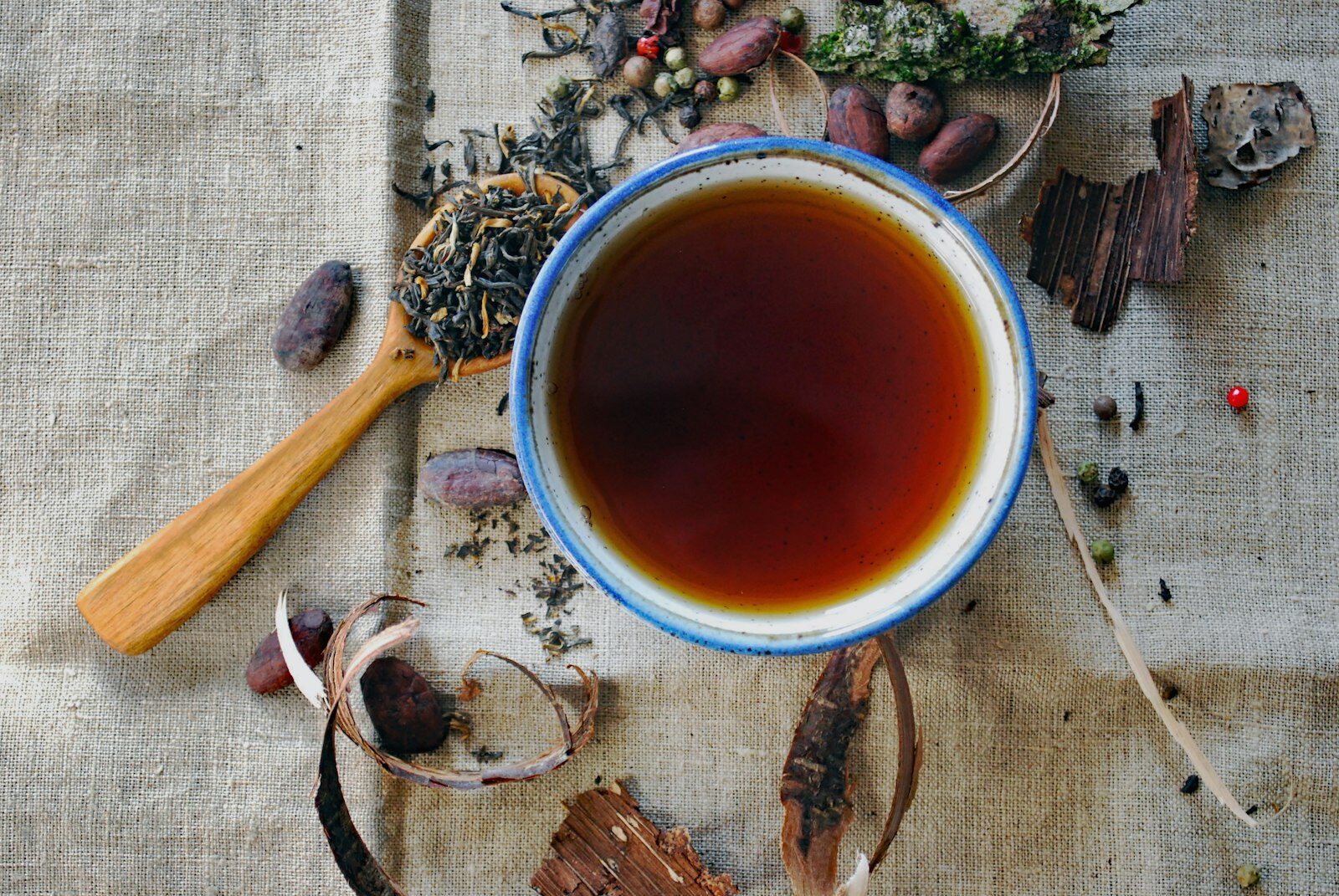
There’s a particular kind of magic that settles over the world after sundown in summer. The day’s fierce heat begins to soften, the cicadas shift their song, and the air holds a warmth that feels like a gentle embrace. In Traditional Chinese Medicine (TCM), this twilight hour is more than just a transition from day to night—it’s a critical window for rebalancing the body’s energy after a long day spent in the “yang” intensity of summer sun and activity. My grandmother, who lived her entire life in a small village in southern China, had a saying: “Shǎng wǔ rè, wǎn shāng liáng.” “The midday burns, the evening cools.” She taught me that the evening wasn’t for collapsing into exhaustion, but for a mindful, gentle cooling ritual to prepare the body for restorative sleep. These weren’t complicated ceremonies; they were simple, repeatable acts woven into the fabric of daily life. This article shares five of those TCM-inspired summer evening rituals, designed to help you transition from the day’s heat to a night of deep, cool rest.
Understanding Summer Heat Through the TCM Lens
Before we dive into the rituals, it helps to understand what we’re trying to balance. In TCM, summer is the season of maximum “yang” energy—expansive, hot, and active. This is generally positive; it’s the energy of growth, joy, and outward expression. However, too much yang, especially when combined with the external heat, can lead to a state of internal “heat” or “fire.” This isn’t just about feeling physically warm. It can manifest as restlessness, irritability, difficulty falling asleep, excessive sweating, a flushed face, or even digestive issues like heartburn.
The goal of evening rituals in summer is to gently encourage the body’s “yin” energy. If yang is the sun, yin is the moon—cool, nourishing, inward, and restorative. You can think of it like the difference between a bustling daytime market (yang) and a quiet, well-stocked pantry (yin). The pantry doesn’t need to be loud; its power is in its quiet abundance. Supporting yin in the evening helps to cool the body’s core temperature, calm the mind, and “store” energy for the next day’s activity. The key is to do this gently and naturally, working with the body’s own rhythms.
1. The 7 PM “Wind-Down” Herbal Foot Soak
This is the cornerstone ritual, and the one my grandmother swore by. It seems counterintuitive—using warm water to cool down—but the logic is beautifully simple. According to TCM, the feet are a network of energy channels (meridians) and acupuncture points. The point Yongquan (Bubbling Spring), located in the depression just below the ball of the foot when you curl your toes, is a major “grounding” point. A warm soak in the evening draws the day’s excess heat and energy (which tends to rise to the head, causing a racing mind) downward and out through the feet. It’s like opening a pressure valve.
The Actionable Ritual:
- Timing: Start between 7 PM and 8 PM, at least 90 minutes before your intended bedtime.
- Temperature: Use comfortably warm water (around 100-104°F or 38-40°C), not scalding hot. You should be able to keep your feet in comfortably for 15 minutes.
- The “Cooling” Additive: Add one of the following to your basin:
- 5-7 drops of peppermint or spearmint essential oil (diluted in a tablespoon of carrier oil like coconut or olive oil first). Mint has a cooling, penetrating quality.
- A strong brew of 2-3 peppermint tea bags steeped in 2 cups of hot water for 10 minutes, then added to your foot bath.
- A handful of fresh chrysanthemum flowers (available at Asian markets) or 2 tablespoons of dried ones, steeped like tea. Chrysanthemum is a classic TCM herb for clearing heat.
- Process: Sit comfortably, soak for 15 minutes. After soaking, dry your feet thoroughly and put on light, breathable socks (cotton or bamboo). The lingering warmth continues the grounding effect.
2. The “Yin-Nourishing” Moonlight Beverage
While a cold ice water or sugary iced tea might seem like the obvious choice to cool down, TCM advises against extreme cold, especially at night. Excessive cold can “shock” the digestive system (the Spleen and Stomach in TCM terms), impairing its function and creating internal dampness, which ironically can make you feel sluggish and hotter. Instead, we aim for room temperature or slightly cool beverages that gently clear heat while nourishing fluids.
The Actionable Ritual:
About an hour after dinner, prepare one of these simple herbal teas. The goal is to sip it slowly while you wind down, not gulp it down. This mindful sipping itself is a calming practice.
| Beverage | TCM Action | Simple Recipe & Notes |
|---|---|---|
| Chrysanthemum & Goji Berry Tea | Clears heat, brightens eyes, nourishes Liver yin. | Steep 8-10 dried chrysanthemum flowers and 1 tbsp goji berries in 2 cups of hot (not boiling) water for 10 minutes. The berries will plump up. Drink the tea and eat the berries. |
| Mung Bean “Soup” | A powerful summer detoxifier in TCM. Clears heat and toxins. | Simmer ¼ cup rinsed whole mung beans in 4 cups of water for 20-30 minutes until soft. Strain, add a touch of raw honey or rock sugar if desired. Drink the liquid warm or at room temperature. (Save the beans for a salad tomorrow!). |
| Cooling Cucumber & Mint “Sun Tea” | Hydrating, cooling, clears summer heat. | Thinly slice half a cucumber and a few sprigs of fresh mint. Add to a large jar with 4 cups of room temperature water. Let sit on the counter for 2-4 hours (or overnight in the fridge). Strain and sip. |
3. Gentle “Cooling” Movement: The Evening Tai Chi Walk
Intense evening exercise is a no-go in TCM summer practice. It generates more internal heat, raises cortisol, and can overstimulate the mind right before bed. Instead, we want gentle, flowing movement that encourages circulation and helps release the day’s tension without adding more “yang” fire.
The Actionable Ritual:
Take a 15-20 minute walk between 8 PM and 9 PM. The key is the quality of movement, not the speed. Focus on these elements:
- Breathe with your steps: Inhale for 3-4 steps, exhale for 3-4 steps. Coordinate your breath with your pace.
- Swing your arms gently: Let them swing naturally from the shoulders, like pendulums. This helps loosen the chest and shoulders where stress often accumulates.
- Walk as if your feet are kissing the ground: Roll through each foot from heel to toe. This mindful foot placement is a form of “grounding” (earthing) that can be calming.
- Optional Tai Chi Element: While standing still for a moment, imagine you are holding a large, light beach ball in front of your chest. Slowly circle your arms as if you’re gently rolling the ball—up, around, and back down. Do this 5-10 times. This simple “cloud hands” movement helps circulate qi without exertion.
If you can’t get outside, do this walk in your home or on a balcony. The point is the mindful, slow movement and breathwork.

4. The “Aromatic Cooling” Pillow & Room Prep
Your sleep environment is crucial. TCM places great emphasis on the quality of your bedroom’s energy (“feng shui” is part of this). In summer, the goal is to create a space that feels serene, cool, and slightly aromatic with calming, cooling scents. This ritual turns your bedroom into a sanctuary.
The Actionable Ritual:
- The “Cooling Mist”: In a small spray bottle, mix 4 oz of distilled water with 10 drops of lavender essential oil and 5 drops of sandalwood or cedarwood essential oil. Lavender calms the nervous system, while sandalwood has a deeply cooling and grounding effect in TCM. Shake well and lightly mist your pillow, top sheet, and the air around your bed 30 minutes before bedtime. The scent should be faint, not overpowering.
- The Lavender Rice Sachet: Take a small cotton handkerchief or piece of muslin. Place 2 tablespoons of uncooked white rice and 10-15 dried lavender buds in the center. Tie it up with a string to make a small sachet. Place this sachet in your pillowcase. The rice absorbs minor moisture and the lavender provides a gentle, cooling scent. Replace the contents every 2-3 weeks.
- The “Unplugged” Hour: From 9 PM onwards, turn off all overhead lights and use only dim, warm-toned lamps. The blue light from screens is particularly disruptive to yin energy. Charge your phone in another room if possible.
“In summer, we celebrate the sun’s peak, but we must also honor the moon’s gentle return. The evening rituals are how we thank the day and welcome the night.”
5. The “Quiet the Mind” Acupressure Sequence
When your mind is racing from the day’s events, your body temperature can feel hotter. This 5-minute acupressure sequence targets key points to calm the spirit (“shen” in TCM), clear heat from the head, and promote a sense of deep tranquility. Do this in bed, just before you turn out the light.
The Actionable Ritual:
Sit comfortably on your bed. Take three deep, slow breaths. Then, gently apply pressure with your fingertips or thumb to each point for 60-90 seconds. Use a firm but comfortable pressure—you should feel a slight ache or sense of release, not pain.
- Point 1: Yintang (Hall of Impression) – Located at the “third eye,” the point midway between the inner ends of your eyebrows. Use your middle finger. This is the master point for calming the mind and clearing mental fog.
- Point 2: Taiyang (Temple) – Located in the depression about one finger-width behind the midpoint between the outer edge of the eyebrow and the outer corner of the eye. Use your index and middle fingers on both temples simultaneously. This point relieves headaches and clears heat from the head.
- Point 3: Anmian (Peaceful Sleep) – Located behind the ear, just at the point where the neck muscles meet the skull. You’ll feel a slight hollow. Use your index and middle fingers. This is a primary insomnia point that calms anxiety and promotes deep sleep.
- Point 4: Shenmen (Spirit Gate) – On the wrist crease, in line with the little finger, in the depression on the inner side of the tendon. Use your thumb. This point nourishes heart yin and calms the spirit, perfect for a racing mind.
Common Questions
Can I still drink iced coffee or iced tea in the afternoon?
TCM advises moderation. A single iced beverage in the afternoon is unlikely to cause major issues, but if you’re already feeling signs of summer heat (restlessness, red face, irritability), it’s best to switch to room temperature drinks. The key is to avoid flooding your system with extreme cold, which can impair digestion. Listen to your body—if a cold drink makes you feel more sluggish or bloated, it’s a sign your Spleen qi is struggling.
Why shouldn’t I exercise vigorously in the evening in summer?
Vigorous exercise is a strong “yang” activity. In the evening, especially in summer, your body is naturally trying to transition into a “yin” state of rest and repair. Intense workouts can create a second wind of energy (raising cortisol and core temperature), making it very difficult to fall asleep. The gentle walking and breathing recommended above helps release tension without stimulating the body’s fight-or-flight system. Save the high-intensity workouts for the cooler morning hours.
What if I don’t have time for all five rituals every night?
Don’t be overwhelmed! Consistency with one ritual is better than sporadically doing all five. I suggest starting with the foot soak (Ritual 1) and the bedroom environment prep (Ritual 4). These two alone create a powerful signal to your body that it’s time to wind down. The herbal beverage (Ritual 2) can be easily incorporated while you’re preparing dinner or relaxing afterward. The walk (Ritual 3) can be as short as 10 minutes around the block. The acupressure (Ritual 5) is a perfect “in-bed” practice. Mix and match based on your schedule, but try to be consistent with at least two or three.
The bottom line: Summer evenings are a sacred time for cooling, grounding, and preparing the body for restorative sleep. By incorporating simple, actionable TCM-inspired rituals—a grounding foot soak, a nourishing herbal tea, gentle mindful movement, an aromatic sleep environment, and calming acupressure—you can effectively balance the day’s intense yang energy, support your body’s yin, and navigate the season with greater ease and comfort. Start with one ritual tonight, and let the quiet wisdom of the evening guide you.
This article is for educational purposes and reflects traditional wellness perspectives. It is not a substitute for professional medical advice, diagnosis, or treatment.