There is a particular kind of frustration reserved for summer nights. You have followed every modern rule of sleep hygiene: the room is dark, the phone is on the nightstand, and you are physically exhausted. Yet, as the humid air settles, your body remains stubbornly warm, your mind restless, and sleep feels like a guest refusing to arrive. While Western medicine often focuses on temperature control via thermostats, traditional Chinese wellness practices offer a more nuanced approach. They view sleep not as a passive state, but as an active process of cooling the body, calming the Shen (spirit), and allowing the Yang energy to retreat so the Yin can regenerate. This summer, instead of just fighting the heat, let’s align with the season using five ancient rules for cooling rest.
Rule 1: The “Heart-Cooling” Diet
In Traditional Chinese Medicine (TCM), summer is the season of the Fire element, which governs the Heart. When the heat is excessive—whether from the weather or our lifestyle—it flares up to the Heart, causing insomnia, vivid dreams, and anxiety. This is often described as “Heart Fire.” To sleep well in summer, we must first cool the Heart through what we eat, particularly at dinner.
The ancient rule here is simple: avoid heavy, greasy, or overly spicy foods in the evening. These generate internal heat and require the digestive system to work overtime, raising your basal body temperature just as you are trying to lower it. Instead, focus on foods that are energetically cooling and hydrating.
“In summer, one should sleep late and rise early. Do not withhold your affection, do not be frugal with your joy, and do not let your anger flare.” — Huangdi Neijing (The Yellow Emperor’s Inner Canon)
Specific foods to incorporate into your evening meal include bitter melon, which is prized for its ability to clear heat; mung beans, often used in soups to detoxify; and leafy greens like cucumber and lettuce. Even the way you drink water matters. While ice water shocks the system, room temperature or slightly cool water infused with mint or cucumber cools the body more effectively by aligning with your internal equilibrium. A light congee made with mung beans and lotus seed is a classic summer evening meal designed to settle the stomach and cool the Heart.
Rule 2: The Pre-Sleep “Wash the Heart” Ritual
In the West, we speak of “switching off,” but in Eastern philosophy, we speak of “washing the heart” (洗心, xǐ xīn). This refers to the practice of cleansing the mind of the day’s worries before bed. Summer days can be frantic, filled with long daylight hours and social energy, which can leave the mind buzzing with residual Yang energy when the sun finally sets.
The ancient rule is to create a “buffer zone” between your active day and your rest. This is not just about avoiding screens (though that is crucial). It is about an active transition. One powerful technique is Zuòwàng (sitting and forgetting), a form of meditation where you consciously “discard” the events of the day. You might visualize writing down your worries on a leaf and watching it float down a stream. Another specific tool is the “foot soaking” method. While it sounds counterintuitive to soak your feet in warm water on a hot night, it is a profound trick. By gently warming the feet, you draw the excess heat and blood away from the head and torso (where the Heart is) down to the extremities, creating a cooling sensation in the core of the body. Add a handful of mugwort (Ai Ye) or lavender to the water for an extra calming effect.
Rule 3: Optimizing the Bedroom Environment
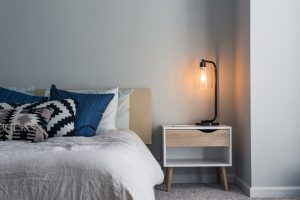
Modern sleep hygiene emphasizes blackout curtains and white noise machines, but the ancients focused on airflow and material composition. The goal is to create a space that breathes with you, rather than a sealed, sterile box. In traditional Chinese architecture, houses were built to allow cross-ventilation, ensuring that stale, hot air could escape and cool breezes could enter.
For your modern bedroom, the rule is about “porosity.” If you use air conditioning, avoid directing the cold air directly onto your body, as this can create a pathogenic factor called “Wind-Cold” that locks your pores and traps heat inside. Instead, cool the room before you enter, then set the AC to a fan mode or a higher temperature (around 25-26°C) to maintain the environment without the direct blast.
Swap your fabrics. Heavy cotton or synthetic sheets trap heat. Traditional choices for summer include bamboo, ramie (a plant fiber used for centuries in Asia), or silk. Silk, in particular, is a “Queen’s fabric” because it wicks moisture away from the body and adjusts to your temperature—it feels cool when you are warm and warm when you are cool. If you suffer from night sweats, placing a bamboo mat under your sheet can provide a naturally cool surface that doesn’t rely on electricity.
Rule 4: Acupressure for Instant Cooling
When the heat is keeping you awake, you don’t need to get out of bed to fix it. You carry the solution in your own body. Acupressure, the practice of pressing specific points to manipulate the flow of Qi (energy), can be used to “vent” heat and sedate the mind. There are two key points for summer sleep hygiene that everyone should know.
The first is Heart 7 (Shenmen). Located on the wrist crease, in the little finger side of the tendon, this point is the “Spirit Gate.” Pressing here calms the Shen and is specific for insomnia caused by anxiety or racing thoughts. Use your thumb to apply gentle, firm pressure in a circular motion for two minutes on each wrist. The second point is Kidney 1 (Yongquan), the “Bubbling Spring.” Located on the sole of the foot, in the depression created when the toes curl, this point is the most grounding point on the body. It acts as an anchor, pulling the excess Fire energy from the head down to the earth. Massaging this point before sleep is incredibly effective for cooling the body from the inside out.
Rule 5: Aligning with the Summer Schedule
One of the most distinct differences between ancient and modern wellness advice is the attitude toward sleep schedules. While we are obsessed with “early to bed, early to rise,” the Huangdi Neijing actually advises a different approach for summer: “Sleep late and rise early.”
This doesn’t mean staying up until midnight. It means adjusting your schedule to the daylight. In summer, the sun sets later and rises earlier. The ancients believed that going to bed too early (e.g., 8 or 9 PM) when the Yang energy is still active outside could lead to restlessness. Instead, wait for the evening breeze to settle the air. A bedtime of 10:30 PM or 11 PM is often more aligned with the summer rhythm. However, the “rising early” part is crucial. Waking with the sun (around 5:30 or 6:00 AM) allows you to absorb the fresh morning Yang energy before the heat becomes oppressive. This midday nap, or Wu Xiu, is also highly recommended—a short 20-minute rest between 11 AM and 1 PM (the Heart time) can recharge your batteries and prevent the evening “crash” that leads to overtired insomnia.
The Science Behind the Tradition
It is easy to dismiss these practices as folklore, but modern science increasingly supports the physiological mechanisms behind them. When we look at the “Heart-Cooling” diet, we see a focus on foods with high water content and low glycemic indices, which prevent insulin spikes that can disrupt sleep. The practice of foot soaking has been shown in studies to induce vasodilation (widening of blood vessels) in the extremities, which actively lowers core body temperature—a key requirement for entering deep sleep.
Furthermore, the acupressure points align with dermatomes and nerve pathways that influence the autonomic nervous system. Stimulating the vagus nerve (which passes near some of these points) triggers the parasympathetic “rest and digest” state. The advice to adjust sleep schedules with the seasons aligns with our understanding of circadian rhythms, which are sensitive to light and temperature cues. The summer sun suppresses melatonin production later into the evening, so a slightly later bedtime works with, rather than against, our biology.
Putting It All Together: A Summer Night Checklist
Transforming your summer sleep doesn’t require a complete life overhaul. It requires consistency and small, mindful adjustments. Here is a summary of how to integrate these ancient rules into a modern evening:
- Dinner: Eat a light, vegetable-heavy meal at least three hours before bed. Avoid alcohol, which may make you sleepy initially but severely disrupts sleep cycles and raises body temperature.
- Hydration: Stop drinking large amounts of water 90 minutes before bed to prevent waking up, but ensure you are well-hydrated with cooling teas (chrysanthemum, mint) during the day.
- Transition: Begin your “buffer zone” one hour before bed. Dim the lights, put away the phone, and perform your foot soak or a cool shower (not ice cold, as this can be too stimulating).
- Environment: Check your bedroom. Is the air circulating? Are your sheets breathable? If using AC, is the airflow indirect?
- Acupressure: Spend 5 minutes massaging Heart 7 and Kidney 1 while breathing deeply.
- Sleep: Allow yourself to drift off naturally, knowing that you have created the perfect internal and external environment for cooling rest.
Common Questions
Is it better to sleep with a fan or air conditioning for summer sleep hygiene?
Both have their place, but they must be used correctly. A fan circulates air but doesn’t lower the temperature; if the room is already hotter than your body, a fan can feel like a convection oven. In this case, AC is better. However, AC creates dryness and artificial “Wind” that can be harsh on the body. The ideal scenario is using the AC to cool the room to a comfortable temperature (around 25°C/77°F) and then turning it off or using a fan to keep the air moving gently. Never sleep with the AC vent blowing directly on your face or neck.
I wake up drenched in sweat every summer night. What can I do?
Night sweats in TCM are often a sign of “Yin Deficiency,” meaning the cooling, moistening aspects of your body are depleted, allowing heat to flare. Besides the cooling diet and environment tips above, consider incorporating black soybeans and goji berries into your diet, which nourish Yin. Sleeping on a bamboo mat can provide immediate relief by wicking away moisture. If the sweating is severe and accompanied by other symptoms, it is always wise to consult a practitioner, as it can sometimes indicate hormonal or thyroid issues.
Does the type of summer pajamas I wear really matter?
Absolutely. Synthetic fabrics like polyester trap heat and moisture against the skin, creating a microclimate of discomfort. Loose-fitting pajamas made of natural fibers like bamboo, linen, or high-quality cotton are essential. The key is “loose”—tight clothing restricts circulation and traps heat. In fact, many traditional wellness practitioners suggest wearing minimal, loose clothing, or even sleeping in the nude if you are comfortable and your sheets are breathable, to allow the skin to “breathe” and regulate temperature naturally.
The bottom line: Summer sleep hygiene is about more than just lowering the thermostat; it’s about creating harmony between your internal environment and the season. By cooling the Heart through diet, calming the mind through ritual, optimizing your sleep space with natural materials, utilizing acupressure to move energy, and aligning your schedule with the longer days, you can transform restless, hot nights into deep, restorative rest. These ancient rules offer a roadmap to not just surviving, but thriving in the summer heat.
This article shares traditional perspectives and personal experience for general interest. It is not professional advice — please use your own judgment and consult a qualified professional when needed.