Summer has a particular kind of energy, doesn’t it? The days stretch long, the light lingers past 9 PM, and there’s a palpable hum of activity everywhere—from backyard barbecues to late-night ice cream runs. But here’s the paradox: in this season of abundance, many of us feel more depleted than ever. We push to make the most of every sunny minute, packing our evenings with social obligations, screen time, or simply the mental load of unfinished to-dos. By August, we’re running on fumes, wondering where the summer went. This is where the gentle art of summer slow living comes in. It’s not about rejecting the season’s vibrancy, but about weaving pockets of intentional calm into its fabric. It’s about reclaiming your evenings as a sanctuary for rest and reflection, so you can savor the summer rather than just survive it. In my family, summer wasn’t a race; it was a rhythm. And the evening was its gentle, cooling cadence.
1. The “Sunset Anchor”: Transitioning from Day to Dusk
In Traditional Chinese Medicine (TCM), summer is ruled by the Fire element, associated with the Heart and the emotion of joy. The peak of Fire is midday, and its decline begins in the late afternoon, around 3-5 PM (the time of the Bladder meridian). This is your body’s natural signal to start winding down from the day’s peak yang energy. The problem? Our modern lives ignore this. We often have our most intense meetings or workouts at 4 PM, then collapse onto the couch, our minds still buzzing. The first ritual is to consciously create a “Sunset Anchor”—a small, consistent practice that tells your nervous system, “The active day is ending. It’s time to soften.”
This isn’t about a complete shutdown. It’s about a deliberate shift in pace. My grandmother would begin this ritual without fail as the shadows lengthened in our courtyard. She’d stop her gardening, rinse her hands, and brew a pot of chrysanthemum tea. The act was simple, but the message was profound: the day’s work is done. Here’s how you can create your own Sunset Anchor:
- The 5:30 PM Digital Sunset: At a consistent time each evening (I suggest 5:30 or 6 PM), put your phone on “Do Not Disturb” and place it in a basket or drawer in another room. The blue light and endless scroll keep your mind in a state of perpetual daytime alertness.
- The Transition Beverage: Brew a specific herbal tea that you only drink during this transition time. Avoid caffeine. Excellent choices are:
- Chrysanthemum & Goji Berry Tea: 8-10 dried chrysanthemum flowers and 1 teaspoon of goji berries steeped in hot water for 5 minutes. In TCM, this clears “heat” from the eyes and calms the mind.
- Cooling Mint & Lemon Balm: A handful of fresh mint and lemon balm leaves muddled lightly, then steeped. Incredibly refreshing and calming for the nervous system.
- A 10-Minute Tidy: Not a deep clean, but a gentle reset of your main living space. Put away the day’s clutter—fold the throw blanket, straighten the cushions, clear the kitchen counter. This external order helps create internal calm.
By anchoring your evening to a consistent, calming practice, you create a psychological and physiological boundary between the yang energy of daytime and the yin energy of night.
2. The “Cooling Kitchen”: Simple, No-Cook Evening Nourishment
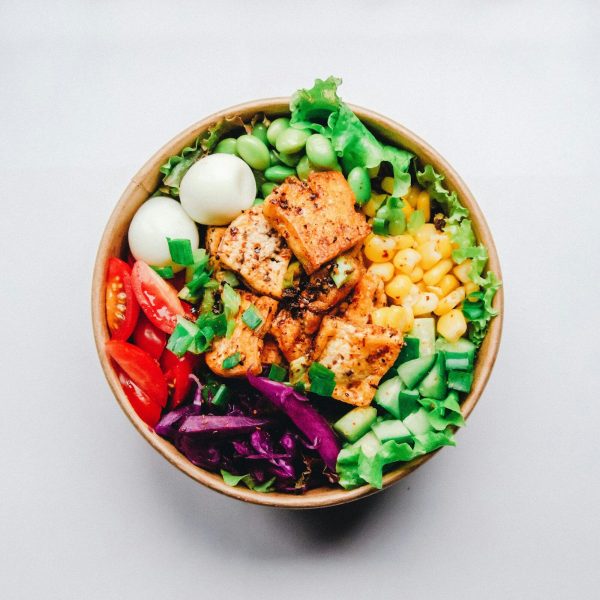
Summer heat, from a TCM perspective, can easily disturb the Heart and create internal “fire,” leading to restlessness, irritability, and poor sleep. The last thing your body needs at 7 PM is a heavy, hot meal or the internal heat generated by stress and cooking. Enter the Cooling Kitchen ritual. The goal is to prepare a simple, nourishing evening meal that requires minimal cooking, focusing on ingredients that are naturally cooling and hydrating. This isn’t about salads alone—it’s about a thoughtful approach that supports your body’s need to release heat.
Think of it as giving your digestive system a break. When you eat a heavy meal, your body has to divert a tremendous amount of energy (qi) to digestion. A lighter, cooler meal allows that energy to be used for repair and calming the spirit. Here is a sample weekly plan to inspire your Cooling Kitchen:
| Day | Concept | Example Meal (Prep Time: 15 min or less) | Key Cooling Ingredient |
|---|---|---|---|
| Monday | Hydrating Noodle Bowl | Soba noodles (buckwheat) chilled in ice water, topped with cucumber ribbons, shredded chicken, and a dipping sauce of soy, rice vinegar, and sesame oil. | Cucumber, Buckwheat |
| Tuesday | Savory Congee | Leftover rice simmered with 4 cups of water for 20 min to make a thin porridge. Stir in chopped bok choy and a handful of shredded ginger. Top with a drizzle of sesame oil. | Bok Choy, Ginger (in small amounts to aid digestion without adding heat) |
| Wednesday | Heirloom Tomato & Peach Salad | Sliced heirloom tomatoes and fresh peaches, torn basil, fresh mozzarella, drizzled with olive oil and a sprinkle of flaky salt. | Tomatoes, Peaches |
| Thursday | Smoothie Bowl | Blend frozen banana, spinach, and almond milk. Top with sliced kiwi, hemp seeds, and a drizzle of tahini. | Kiwi, Spinach |
| Friday | Summer Rolls | Rice paper wrappers filled with cooked shrimp, vermicelli noodles, mint, lettuce, and carrot. Serve with a peanut or hoisin dipping sauce. | Mint, Rice Paper |
The act of preparing these simple meals can itself be meditative. The sound of a knife slicing through a crisp cucumber, the vibrant color of a ripe tomato—these sensory details pull you into the present moment, a core tenet of slow living.
3. The “Evening Air” Ritual: Embracing the Cooling Dusk
As the sun dips below the horizon, the day’s fiery yang energy begins its natural transition into the cool, receptive yin of night. This is a magical, often overlooked window. Instead of heading straight from the dinner table to the couch, step outside. This ritual is about consciously connecting with the cooling qualities of the evening air to draw excess heat from your body and calm your spirit. In Chinese culture, this practice is called “乘凉” (chéng liáng), which literally means “to ride the coolness.” It’s the simple, profound act of seeking out the cool evening breeze.
You don’t need a grand plan. Here are a few ways to practice “riding the coolness”:
- The 20-Minute Porch Sit: Take your cooling tea outside. Sit in a chair or on the steps. Don’t bring your phone. Just observe. Listen to the crickets, watch the fireflies (if you’re lucky!), feel the air temperature drop on your skin.
- Barefoot on the Earth: If you have a safe, clean patch of grass or earth, take off your shoes and stand or walk barefoot for 10 minutes. This practice, known as “earthing,” is believed to help discharge built-up static electricity and inflammation from the body. The cool, damp grass at dusk is particularly potent.
- A Slow, Silent Walk: Walk around your neighborhood at a leisurely pace. The goal isn’t exercise, but observation. Notice which flowers have closed for the night, see the warm glow of lamps in other people’s windows, smell the night-blooming jasmine.
“The breeze at dawn has secrets to tell you. Don’t go back to sleep.” — Rumi
This simple act of being outdoors in the cooling air helps your body regulate its temperature for sleep and signals to your mind that the day’s striving is truly over.

4. The “Cooling Soak & Stroke”: A Mini Self-Care Sanctuary
Before bed, give your body a physical signal that it’s time to rest. A hot bath might be cozy in winter, but in summer, it can be overstimulating. Instead, opt for a cooling foot soak or a gentle self-massage. The feet are considered a crucial point in TCM, where many meridians begin or end. Cooling the feet helps draw energy and heat downward, away from the head (where summer “fire” can cause headaches and restless thoughts) and toward the ground, promoting a sense of rootedness and calm.
The Cooling Foot Soak: Fill a basin with cool (not icy) water. Add:
- A handful of Epsom salts (magnesium helps relax muscles)
- 5-7 drops of peppermint essential oil (creates a pleasant cooling sensation)
- A sprig of fresh rosemary or mint from your garden
The “Stroke Down” Self-Massage: After your soak, dry your feet and use a natural oil (like coconut or sesame). The key is the direction: always stroke downward. In TCM, downward movement is calming and descending, helping to settle energy.
- Use long, firm strokes from your knees down to your ankles, 10 times on each leg.
- Use your thumbs to press in a slow, circular motion on the center of your soles (the Kidney 1 point, “Bubbling Spring”). This is a primary point for calming anxiety and promoting sleep.
5. The “Unplugged Unwind”: Designing Your Screen-Free Hour
This final ritual is the cornerstone of reclaiming your evening. It’s a commitment to protect the last 60-90 minutes before sleep from the intrusion of screens. The blue light from phones, tablets, and TVs suppresses melatonin production, the hormone you need for sleep. But it’s more than just light; it’s the content. News, social media, and even engaging shows keep your mind in a state of reactive alertness, the exact opposite of the parasympathetic “rest and digest” state you need for deep sleep.
Creating an Unplugged Unwind ritual means filling that time with tangible, sensory-rich alternatives. Here’s a menu of options to choose from:
- Physical Media: Read a physical book or magazine (not on a backlit e-reader). Work on a jigsaw puzzle. Knit, sketch, or do a simple craft.
- Connection: Have a real, uninterrupted conversation with a partner or family member. Play a card game or board game. Write a letter or postcard to a friend.
- Gentle Movement: Do 15 minutes of gentle, yin yoga stretches, focusing on hip openers and forward folds. Practice a simple 5-minute qigong routine like “Lifting The Sky.”
- Mindful Preparation: Lay out your clothes for the next day. Pack your lunch. Prepare your coffee/tea supplies. This small act of organization for tomorrow quiets the mind tonight.
- Auditory Calm: Listen to a calming playlist, an audiobook, or a podcast (played on a speaker, not through your phone held in your hand). Try a “sound bath” recording with singing bowls or nature sounds.
The goal is to transition your mind from input to integration, from stimulation to stillness. You’re not depriving yourself; you’re gifting yourself a runway to peaceful sleep.
Common Questions
What if my schedule is chaotic and I can’t do all five rituals every night?
Absolutely do not try to implement all five at once! That would be the opposite of slow living. Start with one ritual that feels most appealing or doable for your life right now. Maybe it’s the Sunset Anchor of making a specific tea. Commit to just that one thing for a week. Once it feels natural, consider adding another. The power is in consistency, not quantity. Even doing one of these rituals 4-5 nights a week will create a profound shift in your summer evenings.
I have young kids. How can I adapt these rituals?
Slow living with kids is beautiful, and it’s about modeling presence. Involve them! The Sunset Anchor can be everyone getting a “special” cup for their herbal tea (caffeine-free for them, of course—try a mild chamomile or rooibos). The Evening Air ritual becomes a family “cool down walk” where you look for the first star. The Cooling Kitchen can be them helping assemble summer rolls. The Unplugged Unwind is a family-wide screen curfew; read a chapter of a book aloud together or play a simple card game. You’re not just reclaiming your evening; you’re teaching them how to reclaim theirs for life.
Isn’t “slow living” just for people with lots of free time?
This is the most common misconception. Slow living isn’t about adding hours to your day; it’s about changing the quality of the hours you have. It’s a shift from being busy to being intentional. These rituals aren’t time-intensive—they’re 10-20 minute practices. The real time “cost” of a frantic evening is the hours of poor sleep and next-day fatigue you buy yourself. Investing 20 minutes in a calming ritual can buy you 7+ hours of restorative rest. It’s the most time-efficient practice you’ll ever adopt.
The bottom line: Summer slow living is an act of gentle rebellion against the pressure to fill every moment with activity. By reclaiming your evenings with these simple, nourishing rituals—the Sunset Anchor, the Cooling Kitchen, the Evening Air, the Cooling Soak, and the Unplugged Unwind—you honor your body’s natural rhythms. You transition from the fiery yang of the day to the cool yin of the night with grace, ending your summer days not depleted, but deeply restored and ready to savor the quiet magic of the long, warm nights.
This article is for educational purposes and reflects traditional wellness perspectives. It is not a substitute for professional medical advice, diagnosis, or treatment.