There is a particular kind of magic to the long days of summer. The sun lingers, the air hums with life, and the world seems to invite us to slow down in a way it doesn’t during the frantic energy of spring or the cozy hibernation of winter. Yet, we often respond to this invitation with more busyness—packing schedules with vacations, events, and a frantic urge to “make the most of it.” In Traditional Chinese Medicine, summer is the season of maximum Yang—outward, bright, active energy. But the wisdom of the season isn’t to burn brighter; it’s to use that abundant energy to cultivate a deeper inner calm. It’s about embracing summer slow living: receiving the long days as a gift of spaciousness, rather than a challenge to fill every minute. My grandmother used to say that the hottest days were for sitting under the plum tree, drinking chilled barley tea, and watching the shadows move. That, she said, was how you stored coolness for the winter ahead.
1. Sync Your Rhythm with the Sun (Not the Clock)
Our modern lives are governed by the clock, but for millennia, humans lived by the sun. Summer offers a perfect opportunity to gently realign. The goal isn’t to become a caveman, but to make small, conscious adjustments that reduce friction with nature’s rhythm. In summer, the Yang energy peaks at noon and begins its decline. This means your body is naturally primed for activity in the morning and early afternoon, and for winding down as evening approaches. Fighting this with late-night screen marathons or sleeping until noon disrupts your internal balance, leading to that drained, summer-sluggish feeling.
Try this for one week: Let the natural light be your first alarm. If you wake with the dawn (around 5:30-6:30 AM in many places), don’t fight it. Get up, drink a glass of room-temperature water with a slice of cucumber or a few mint leaves, and step outside for just five minutes. Feel the cool morning air. This simple act helps set your circadian rhythm and aligns your energy with the season’s ascending Yang. Similarly, aim to be winding down for bed by 10:30 PM. The hours between 11 PM and 1 AM are considered the time when Yin energy begins to reassert itself, and being asleep allows your body to deeply restore—a crucial counterbalance to the day’s heat.
“The sun shines on, but does not hurry. It shines on the flower, the river, the mountain. It does not ask them to be anything other than what they are. Can you let the long days of summer shine on you in the same way?”
2. Master the Art of the “Cooling Pause”
Summer’s heat can feel oppressive, making us crave air conditioning and cold drinks. But in TCM, excessive cold (from iced drinks, blasting AC) can constrict the body’s channels, trapping heat inside and leading to paradoxical symptoms like fatigue, headaches, and digestive upset. The smarter strategy is to introduce “cooling pauses”—brief, intentional moments that lower your internal temperature without shocking the system.
Here are three you can do anywhere:
- The Wrist & Neck Cool-Down: When you feel overheated, run cool (not ice-cold) water over your wrists and the back of your neck for 60 seconds. These are major pulse points where blood flows close to the surface, offering quick relief. It’s far more effective than chugging a liter of ice water.
- The Breath of Cooling: Practice Sitali breath, a yogic pranayama. Sit comfortably, curl your tongue into a tube (or purse your lips if you can’t curl your tongue), and inhale slowly through the tube of your tongue. Feel the cool air. Close your mouth and exhale normally through your nose. Repeat 5-10 times. This literally cools the body from the inside.
- The Foot Soak Reset: In the evening, fill a basin with cool water (around 68-72°F / 20-22°C) and soak your feet for 10-15 minutes. Add a few slices of fresh ginger or a tablespoon of mint leaves. This draws heat downward and out of the body, promoting a sense of calm and better sleep.
3. Eat Like a Local, Cook Like a Southerner
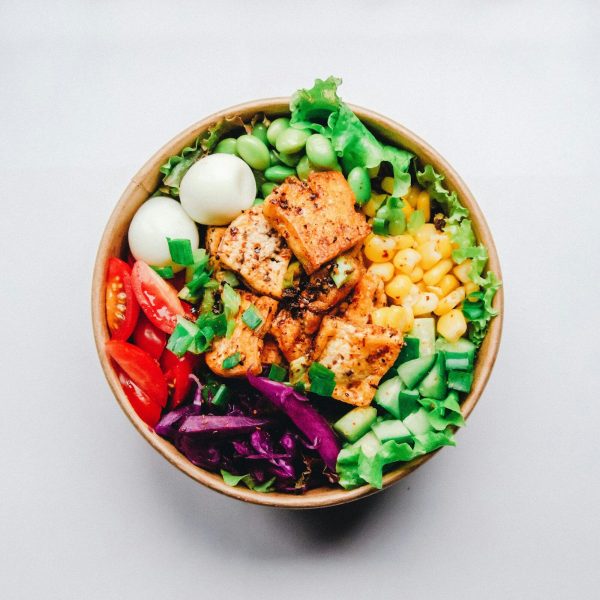
Summer eating isn’t about restrictive “cleanses.” It’s about eating with the season’s abundance and understanding how to use food as a gentle, internal thermostat. My family, originally from southern China where summers are brutally humid, had a pantry of cooling foods. The principle is simple: eat what grows in the heat, as it often has an inherent cooling property to help balance the environment.
Focus on these categories:
| Food Category | Specific Examples & Why | Simple Summer Preparation |
|---|---|---|
| Cooling Fruits | Watermelon, cantaloupe, pear, citrus fruits. High water content, nature’s hydrators. | Eat at room temperature. Make a simple salad with watermelon, cucumber, and fresh mint. |
| Bitter Greens | Dandelion greens, endive, arugula, bitter melon. In TCM, bitter drains heat and dampness. | Sauté dandelion greens with garlic and a splash of rice vinegar. Or add bitter melon to a stir-fry with black bean sauce. |
| Mung Beans | The ultimate summer detoxifier in Chinese cuisine. Clears heat and cools the blood. | Make a simple Mung Bean & Lily Bulb Soup: Simmer 1 cup mung beans, ¼ cup dried lily bulbs (bai he), and 5 cups water for 45 minutes. Sweeten lightly with rock sugar or honey. Serve chilled or at room temperature. |
| Summer Squash | Zucchini, yellow squash. Light, easy to digest, and hydrating. | Grate zucchini, mix with a pinch of salt, let sit 10 minutes, squeeze out water. Pan-fry with egg for a simple pancake (jianbing style). |
| Herbal Teas | Chrysanthemum, barley, mint, lemon balm. Drink them at room temperature or slightly cool. | Brew a pot of Barley Tea: Toast ¼ cup pearl barley in a dry pan until fragrant, then simmer in 4 cups water for 20 minutes. Strain and cool. It’s nutty, caffeine-free, and deeply hydrating. |
The key is to avoid creating more internal heat. This means going easy on very spicy foods (like chili peppers), excessive red meat, and fried foods during the peak of summer. Save those for the transitional seasons.

4. Create a “Twilight Ritual” to Harvest the Day’s Energy
The most beautiful, and often most neglected, part of a summer day is the twilight hour. As the fierce sun softens, a unique, gentle energy emerges. This is the perfect time for a summer slow living ritual that transitions you from the active Yang of day to the receptive Yin of night. It’s a time to harvest, not produce.
Here’s a ritual you can customize:
- 5:30 PM – The Tech Sunset: Consciously put away your work devices. Silence notifications. The day’s “doing” is done.
- 6:00 PM – The Gentle Walk (or Sit): Go for a slow, aimless 20-minute walk. Don’t listen to a podcast. Notice the changing light, the smell of cut grass, the sound of cicadas. If it’s too hot, simply sit on your porch or by an open window with a cool cloth on your forehead.
- 7:00 PM – The Nourishing Simmer: Prepare a simple, one-pot meal. A light vegetable soup, a congee with shredded chicken and ginger, or the mung bean soup from above. The act of slow simmering food is meditative and aligns with the cooling energy.
- 8:30 PM – The Cool-Down Cleanse: Take a lukewarm (not hot) shower or bath. Add a few drops of lavender or chamomile essential oil to the floor of the shower (not directly in the stream) for a calming steam.
- 9:15 PM – The Reflective Pause: With a cup of room-temperature chrysanthemum tea, sit for 5 minutes and mentally note one beautiful thing you saw, one kind thing you did, and one thing you’re grateful for from the day. Write it down if you like.
This ritual isn’t about adding more to your to-do list. It’s about giving structure to the slowing down, making it a conscious and nourishing practice.
5. Cultivate “Wu Wei” in Your Summer Projects
This is the deep concept I want to leave you with: Wu Wei (無為). Often translated as “non-action” or “effortless action,” it’s one of the core principles of Taoist philosophy. It doesn’t mean being lazy. It means acting in alignment with the natural flow of things, without struggle or forcing. Summer, with its abundant energy, is the perfect time to practice this. We often see the long days as a mandate to hustle, to finally finish all our projects. Wu Wei suggests the opposite: use the spaciousness to work with your energy, not against it.
How to apply this? Choose one personal project for the summer—a garden, a creative endeavor, learning a few phrases of a new language, reading a book series. Then, apply the Wu Wei principle:
- Work in the “Cool” Hours: Tend to your project in the early morning or evening twilight, when your energy is naturally more focused and less scattered by heat.
- Embrace the “Pause”: If you hit a wall of frustration or fatigue, stop. Don’t push through. This is the “non-action” part. Go drink some barley tea, stare at the clouds. The solution often arrives when you stop wrestling with the problem.
- Let it Grow Organically: Like a plant, your project may not grow in a straight line. Some days it will flourish, other days it will rest. Trust that progress is happening even when you’re not actively forcing it. The long days give you permission for this organic pace.
My grandfather was a calligrapher. He never forced a brushstroke in the summer. He said the ink dries too fast and the spirit feels tight. Instead, he would prepare his ink, arrange his papers, and sometimes just sit for an hour watching the light move across his desk. Then, when the moment felt right, he would make one perfect stroke. That is Wu Wei—preparation, patience, and perfectly timed action. Your summer can be that single, perfect brushstroke.
Common Questions
Isn’t “summer slow living” just being lazy or unproductive?
Not at all. It’s about being strategically productive and deeply restorative. Lazy is collapsing in front of the TV without intention. Slow living is choosing to sit under a tree with a book because you know your mind needs quiet reflection, not more stimulation. It’s the difference between being passive and being purposefully receptive. In TCM, summer is the time to nourish the Shen (spirit), which requires moments of quiet joy, not constant doing. This intentional rest makes you more effective and creative when you do engage in activity.
How do I practice this if I have a full-time job and kids?
The practice is in the margins. It’s about micro-rituals. You can sync with the sun by eating lunch outside for 10 minutes instead of at your desk. You can create a 5-minute twilight ritual with your kids by blowing bubbles on the porch as the sun sets. You can practice Wu Wei on a weekend by letting the family’s plans unfold without a rigid itinerary. It’s not about overhauling your life, but about sprinkling these mindful, slow moments throughout your existing day. Start with one of the five ideas above—just one—and see how it feels.
I love iced coffee and air conditioning. Are these really that bad?
It’s not about absolute bans, but mindful moderation. The goal is to avoid shocking your system. If you love iced coffee, try this: drink it at a “cool” temperature, not ice-cold, and have it in the morning rather than the afternoon when the heat is peak. For air conditioning, set it to a comfortable 76-78°F (24-26°C) instead of a frigid 68°F (20°C). Use fans to circulate the air. The biggest issue is the extreme temperature swing from 95°F outside to 68°F inside. Your body has to work incredibly hard to adjust, which can deplete your energy. A smaller differential is gentler on your system.
The bottom line: Summer slow living isn’t about doing nothing; it’s about doing things differently. It’s about receiving the gift of the long days as spaciousness, not as a challenge to fill. By syncing with the sun, mastering the cooling pause, eating seasonally, creating a twilight ritual, and cultivating Wu Wei, you transform the season’s abundant Yang energy into deep inner nourishment. You store the coolness, the calm, and the joy to carry you through the rest of the year.
This article is for educational purposes and reflects traditional wellness perspectives. It is not a substitute for professional medical advice, diagnosis, or treatment.