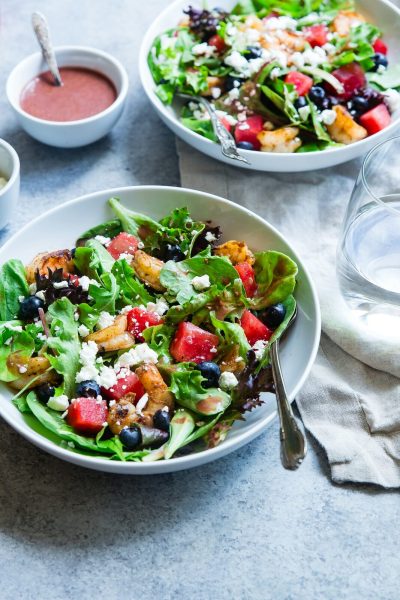
The moment the sun starts blazing, the internet floods with vibrant, frosty smoothie recipes. Kale, spinach, frozen berries, almond milk, a handful of ice—blend, pour, and gulp. It’s become the universal symbol of summer health. But if you’ve ever felt a little… bloated, sluggish, or even more tired after one of these power-packed drinks, you’re not alone. As someone who grew up in a Chinese household, the idea of starting a hot July day with a glass of something straight from the refrigerator was, frankly, baffling. My grandmother would take one look at my green smoothie and shake her head, muttering something about “stomach fire.”
The Smoothie Paradox: Why Cold Blends Can Backfire in Summer
Here’s the counterintuitive truth from Traditional Chinese Medicine (TCM): what feels refreshing in the moment might actually be taxing your digestive system, especially in summer. In TCM, the Spleen and Stomach are responsible for transforming food and fluids into usable energy (Qi). They operate best with warmth. Introducing a large volume of cold, raw, and fibrous material is like asking a campfire to cook a frozen turkey—it has to work overtime just to get back to baseline, draining precious energy you could be using to enjoy the season.
This doesn’t mean fruits and vegetables are bad. It’s about preparation and temperature. The goal isn’t to avoid nutrients, but to consume them in a way that supports, rather than hinders, your body’s natural processes. Think of it as teamwork: you provide the food, and your digestive system provides the fire. You don’t want to drown that fire with a bucket of ice.
The TCM Concept: Understanding “Spleen Qi” and Digestive Fire
Let’s dive deeper into one core idea: Spleen Qi. In Western anatomy, the spleen is part of the immune system. In TCM, it’s the powerhouse of digestion and transformation. Think of your Spleen Qi as the pilot light in your stomach’s furnace. Its job is to “cook” everything you eat and drink, breaking it down into pure Qi (energy) and Xue (blood) to nourish your body, and waste to be eliminated.
When this pilot light is strong, digestion is smooth, energy is steady, and your mind is clear. When it’s weak (a state called “Spleen Qi Xu”), you’ll experience bloating, loose stools, fatigue, brain fog, and a feeling of heaviness. The primary enemies of this digestive fire are cold, raw foods, excessive dampness (think humidity), and overthinking (yes, stress directly weakens the Spleen).
A summer smoothie, especially one packed with raw kale, frozen fruit, and ice, is the triple threat: it’s cold, it’s raw, and it’s often consumed quickly. Your Spleen has to burn through its reserves just to warm it up and break down the tough cellulose, leaving you with less net energy than you started with. The vibrant colors mask an internal energy deficit.
5 Warming Alternatives to Your Summer Smoothie
The solution isn’t to give up on convenient, nutrient-dense summer foods. It’s to shift your approach. Here are five specific, warming alternatives that honor the season while supporting your digestion.
1. The 5-Minute Nourishing Congee (Rice Porridge)
Forget the idea that porridge is only for winter. A light, soupy congee is the ultimate summer breakfast. It’s pre-digested by the long, slow cooking, making it incredibly easy for your Spleen to absorb. It hydrates and nourishes without the cold shock.
- Basic Recipe: Use a 1:8 ratio of white rice to water. Bring to a boil, then simmer on the lowest heat for 45-60 minutes, stirring occasionally, until it becomes a creamy, porridge-like consistency.
- Summer Add-Ins: For a cooling (but not cold) effect, add 5-6 dried goji berries and 3-4 slices of fresh ginger in the last 10 minutes. For more substance, stir in a beaten egg at the end and let it cook for 2 minutes. Season with a pinch of sea salt and a drop of sesame oil.
2. Room Temperature or Warm Herbal Teas
This is the simplest swap. Instead of a cold smoothie, sip on a thermal cup of herbal tea throughout the morning. The key is choosing herbs with a neutral or slightly cool thermal nature, so they clear heat without damaging digestion.
- Chrysanthemum & Goji Tea (Ju Hua Gou Qi Cha): A classic summer blend. Steep 8-10 dried chrysanthemum flowers and a small pinch of goji berries (about 15) in hot water for 5 minutes. Chrysanthemum clears heat and brightens the eyes, while goji nourishes Yin. It’s naturally slightly sweet.
- Barley Tea (Mai Ya Cha): Roasted barley tea is a staple in East Asian summers. It’s caffeine-free, has a toasty, nutty flavor, and is excellent for aiding digestion and gently clearing summer dampness. You can buy it in tea bags or loose grain. Brew it strong and let it cool to room temperature.
3. Lightly Cooked Vegetable & Grain Bowls
Take the ingredients of your smoothie and transform them into a warm, digestible meal. The act of lightly cooking breaks down the plant fibers, making nutrients more available and sparing your Spleen Qi.
- Method: Sauté spinach, kale, or zucchini in a teaspoon of coconut oil or ghee with a clove of minced garlic for 2-3 minutes until just wilted. Serve over a bed of warm quinoa or millet. Top with a sliced avocado (room temperature) and a sprinkle of pumpkin seeds. Drizzle with a sauce of tamari, a dash of rice vinegar, and a whisper of ginger juice.

4. The “Smoothie” Soup (Gazpacho’s Warmer Cousin)
Yes, you can still use your blender! The trick is to use room temperature or slightly warmed ingredients and to choose vegetables that are naturally easier to digest.
- Cucumber-Mint Cooler Soup: Blend 1 peeled cucumber, 1/4 cup of fresh mint leaves, 1/2 cup of room-temperature plain yogurt or kefir, a tablespoon of lemon juice, and a pinch of salt until smooth. Let it sit for 10 minutes. The fermentation in the yogurt provides probiotics, and the cucumber is cooling in a gentle, food-based way. Serve at room temperature.
- Carrot-Ginger Zinger: Steam 2 medium carrots until soft (about 8 minutes). Let them cool slightly. Blend with 1-inch knob of fresh ginger, 1 cup of warm vegetable broth, and a pinch of turmeric. The result is a vibrant, soothing soup that’s warming but not heavy.
5. Simple Seed & Nut Decoctions
This is an ancient, elegant solution. A decoction is simply a tea made by simmering seeds or nuts to extract their nutrients. It’s like a pre-digested, warm “milk” that’s incredibly gentle on the system.
- Almond & Lotus Seed Milk: Soak 1/4 cup of raw almonds and 10 lotus seeds (lian zi) in water for 4 hours. Drain, then simmer in 3 cups of fresh water for 25 minutes. Blend the entire mixture until smooth, then strain through a nut milk bag. Sweeten lightly with a date or a drop of honey. This calms the mind and nourishes Yin.
Summer Eats at a Glance: A TCM-Inspired Guide
To make it easier, here’s a quick comparison of the smoothie approach versus the TCM-warmed approach.
| Aspect | Cold Summer Smoothie | TCM Warming Alternative |
|---|---|---|
| Temperature | Ice-cold / refrigerator cold | Room temperature or gently warmed |
| Digestive Load | High (raw, fibrous) | Low (cooked, pre-digested) |
| Hydration | High in volume, but may be poorly absorbed if Spleen is weak | Deeply hydrating, supports fluid metabolism |
| Energy Effect | Quick spike, potential energy dip later | Steady, sustained energy release |
| Best For | Someone with very strong digestion (rare) on a very hot day after exercise | Most people, especially those who feel bloated, tired, or have loose stools |
“When the weather is hot, the pores open, and the Qi floats to the surface. The interior, especially the Stomach and Spleen, becomes relatively cold and empty.” — From the Huangdi Neijing (Yellow Emperor’s Classic of Medicine), interpreted for modern life.
This ancient text reminds us that summer isn’t just about external heat. It creates an internal imbalance. Our bodies are smart—they send energy (and blood flow) to the skin to cool us down, which means the digestive organs are working with a reduced budget. Adding cold food to an already “cold and empty” interior is like turning on the air conditioning in a house with the windows wide open. It’s inefficient and exhausting.
Common Questions About Summer Smoothie Alternatives
But I love my cold drinks in summer. Can I ever have a smoothie?
Absolutely, with mindful modifications. If you’re going to have one, make it an occasional treat, not a daily staple. Mitigate the damage: use room temperature ingredients instead of frozen, skip the ice, add a warming element like a 1/2 teaspoon of fresh ginger or a pinch of cinnamon to the blend, and sip it slowly rather than gulping it down. Have it after a workout when your body is genuinely heated, not first thing in the morning when your digestive fire is just waking up.
I’m not Chinese. Does this apply to me too?
TCM principles are based on universal human physiology and our relationship with nature, not ethnicity. The concept of digestive strength and the impact of temperature on digestion is observable in anyone. You don’t have to subscribe to the entire philosophy to benefit from the practical wisdom. If you try swapping your morning smoothie for a warm congee or tea for just one week and notice less bloating and more steady energy, that’s your body giving you personalized feedback.
What about fruit? Is all raw fruit bad in summer?
Not at all! The key is moderation and choice. Enjoy summer fruits like watermelon, berries, and peaches at room temperature, and ideally between meals (not as a meal replacement). A small bowl of cherries as a snack is different from a 32-ounce blender full of frozen mixed berries. TCM also categorizes fruits by thermal nature. Watermelon and pear are cooling, making them great for occasional summer treats. Mango and cherry are warmer. Listen to your body—if raw fruit consistently gives you a stomach ache, it’s a sign your Spleen Qi needs support, and warming your food is the first step.
The bottom line: This summer, consider giving your digestion a break. Trading your daily cold smoothie for a warm, nourishing alternative—like a simple congee, a light vegetable soup, or a soothing herbal tea—isn’t about deprivation. It’s a profound act of listening to your body and aligning with the season’s energetic demands. By supporting your Spleen Qi, you’re not just avoiding bloating; you’re building a foundation of steady energy, clear thinking, and genuine vitality that lets you fully enjoy the long, bright days ahead.
This article is for educational purposes and reflects traditional wellness perspectives. It is not a substitute for professional medical advice, diagnosis, or treatment.