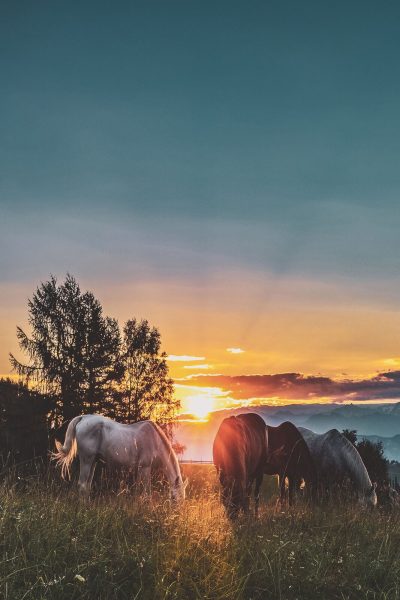
There’s a particular moment in high summer when the sun finally dips below the horizon, and the world seems to take a collective sigh. The relentless heat of the day softens, the cicadas quiet their chorus, and a gentle, almost tangible stillness settles over everything. In Traditional Chinese Medicine (TCM), this isn’t just a poetic observation—it’s a crucial physiological and energetic shift. While Western culture often associates summer with endless activity, barbecues, and late nights, the wisdom of the seasons tells a different story. Your body’s craving to slow down at dusk isn’t laziness; it’s a deep, intelligent request for balance. This is summer’s yin secret, and learning to honor it is one of the most profound acts of self-care you can practice.
The Yin-Yang Dance of Summer
To understand why stillness is so vital in summer, we need to grasp the fundamental dance of Yin and Yang. Think of Yang as the sun: bright, hot, active, and expanding. Yin is the moon: cool, dark, receptive, and contracting. Summer is the peak of Yang energy—it’s the season of maximum outward expression, growth, and heat. Your body’s metabolism is naturally higher, you sweat more, and you feel drawn to socialize and be active. This is all natural and good.
But here’s the catch: Yang cannot exist without Yin. They are two sides of the same coin. Just as a fire needs a hearth to contain it, Yang energy needs Yin energy to anchor and replenish it. If you stay in high-Yang mode from dawn until midnight—constantly on the go, eating spicy grilled foods, and pushing through the long daylight hours—you begin to deplete your cooling, moistening, and calming Yin reserves. This imbalance can show up as irritability, insomnia, night sweats, a dry mouth, or that wired-but-tired feeling where you’re exhausted but can’t switch off.
My grandmother had a saying for this: “Even the hottest day must bow to the cool night.” She meant that respecting the natural cycle of contraction is not a sign of weakness, but of wisdom. The dusk, that transitional period between 5 PM and 8 PM in summer, is nature’s built-in invitation to begin this shift from Yang to Yin. Ignoring it is like ignoring the body’s own clock.
Why Dusk is a Golden Window for Healing
In TCM, the time of day corresponds to different organ systems. The period between 5 PM and 7 PM is the time of the Kidney meridian. Your Kidneys are considered the root of Yin and Yang in the body—the foundation of your deepest energy reserves. They govern your adrenals, bones, and reproductive system, and they store your essential Jing, or life essence.
During the Kidney time, this vital system is most receptive and active. If you’re flooding it with stimulants (like caffeine or intense exercise), mental stress, or heavy food, you’re taxing the very system that’s trying to restore itself. Conversely, if you use this window to nourish Yin—through stillness, gentle movement, and cooling foods—you are directly supporting your body’s ability to recover from the day’s Yang excess and prepare for deep, regenerative sleep.
This is counterintuitive in our productivity-obsessed culture. We often use evenings to “get things done” or to unwind with a glass of wine and a movie. But true unwinding, in the TCM sense, is a conscious downshift. It’s the difference between draining your battery and plugging it in to recharge.
Signs Your Yin is Crying for Help
How do you know if you’ve been neglecting summer’s yin secret? Your body sends clear signals. The table below contrasts the signs of balanced summer energy with common symptoms of Yin deficiency, which is a core pattern in TCM for summer imbalance.
| Sign of Balanced Summer Energy | Sign of Yin Deficiency (Too Much Summer Yang) |
|---|---|
| Feeling warm but not overheated | Afternoon or evening heat flashes, night sweats |
| Good energy with natural dips for rest | Wired but tired; feeling exhausted yet unable to sleep |
| Sleep falls easily and is uninterrupted | Insomnia, especially difficulty falling asleep before 1 AM |
| Calm mind, easygoing mood | Irritability, anxiety, feeling “sped up” |
| Moist skin and lips | Dry skin, lips, eyes, or chronic thirst despite drinking water |
| Stable appetite and digestion | Craving constant snacks, sugar, or iced drinks |
If you recognize several items in the right column, it’s not a failure—it’s a signal. Your body is asking you to embrace the yin secret. The good news is that the remedies are simple, pleasurable, and deeply nourishing.
The Summer Dusk Ritual: A 60-Minute Blueprint
Creating a dusk ritual doesn’t require a complete lifestyle overhaul. It’s about intentionally shifting gears for about 60 minutes. Think of it as creating a “yin buffer zone” between the bright activity of day and the deep rest of night. Here is a simple, actionable sequence you can start today.
5:30 PM – The Work Shutdown: Physically close your laptop or tidy your workspace. Say, out loud if you can, “The workday is complete.” This creates a psychological boundary. Avoid checking email or news after this point.
6:00 PM – The Cooling Movement: Instead of a high-intensity gym session, opt for a 20-30 minute walk in a park or neighborhood, ideally in bare feet on grass if possible (a practice called “earthing” that helps discharge excess heat). Alternatively, do 15 minutes of gentle Qigong or Yin Yoga. The goal is to move energy downward and inward, not to generate more heat.
6:30 PM – The Nourishing Prep: Prepare a light, cooling evening meal. Avoid heavy meats, spicy sauces, and fried foods. Think: steamed fish with ginger, a cucumber and mung bean salad, or a simple congee with shiitake mushrooms and leafy greens.
7:00 PM – The Mindful Nourishment: Eat slowly, in a calm environment. No screens at the table. Chew thoroughly to ease the digestive burden.
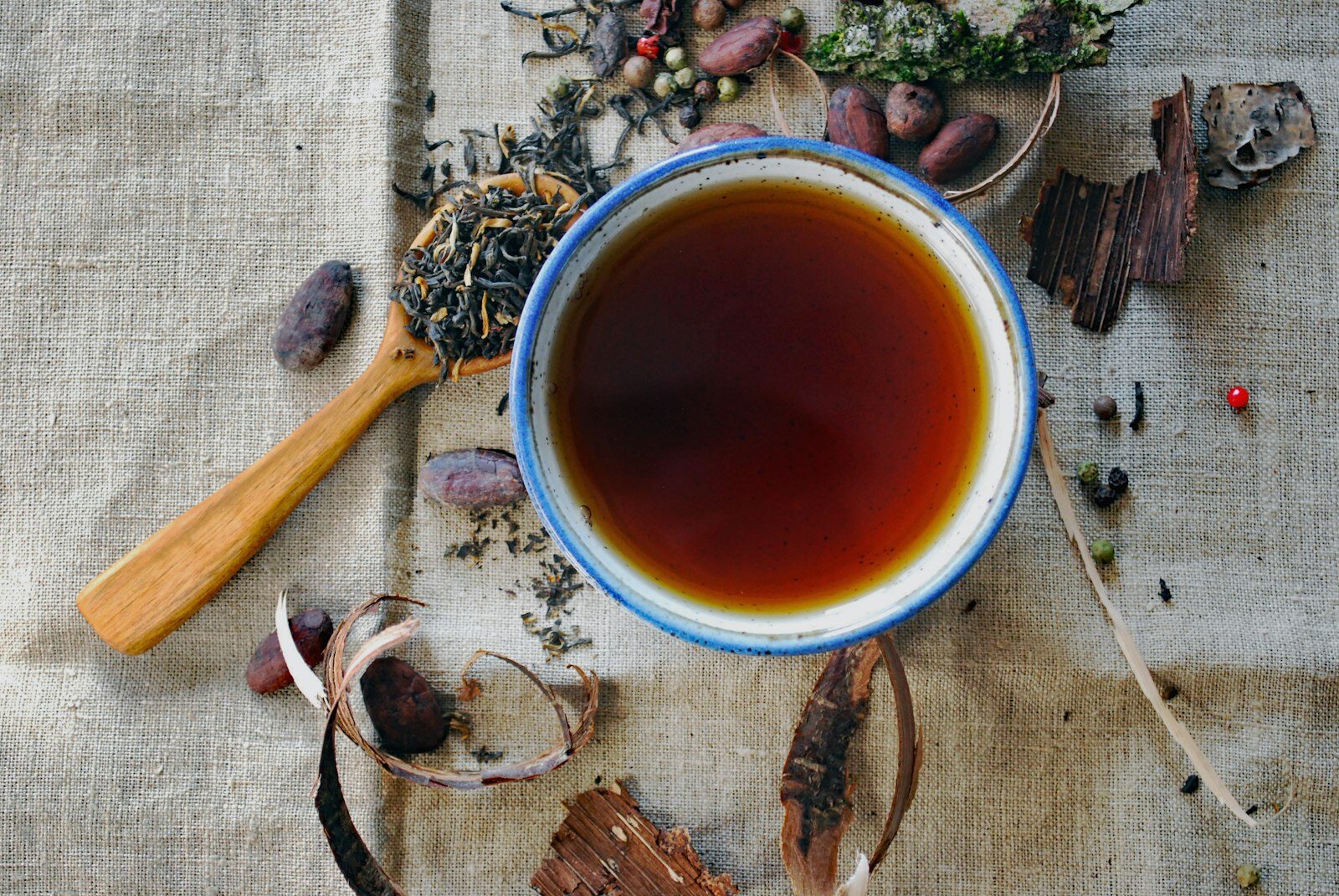
7:30 PM – The Yin Elixir: Brew a cup of cooling herbal tea. My go-to is a simple blend: 2 parts chrysanthemum flowers (Ju Hua), 1 part goji berries (Gou Qi Zi), and 1 part mint (Bo He). Steep 1 tablespoon of the blend in hot water for 5-7 minutes. This tea clears heat, nourishes Yin, and soothes the Liver, which can get agitated from summer stress.
8:00 PM – The Digital Sunset: Put your phone on airplane mode or in another room. Dim the lights in your home. Switch to reading a physical book, listening to calm music, journaling, or having a quiet conversation. This tells your circadian rhythm that night is approaching, supporting natural melatonin production.

Nourishing Yin Through Your Summer Plate
Food is medicine, and in summer, your kitchen is your best pharmacy for cooling and hydrating Yin. The principle is to favor foods that are cooling in nature, hydrating, and slightly bitter or sweet. These flavors have a natural descending and cooling effect on the body.
Here are your top Yin-nourishing summer foods to incorporate daily:
- Mung Beans (Lu Dou): The ultimate summer cooling food in Chinese culture. Cook a simple mung bean soup with a little rock sugar. It clears heat, detoxifies, and promotes fluids.
- Bitter Melon (Ku Gua): Its bitter flavor is nature’s air conditioner. Sauté it with eggs or stuff it with ground pork. It clears summer heat and is excellent for blood sugar balance.
- Watermelon (Xi Gua): The flesh, and especially the white rind, is incredibly cooling and hydrating. Don’t throw the rind away! Juice it or add it to stir-fries.
- Cucumber (Huang Gua): Eaten raw or lightly pickled, it quenches thirst and reduces internal heat.
- Seaweed (Hai Dai): Rich in minerals and deeply Yin-nourishing. Add strips to miso soup or a cold salad.
- Pears (Li): Specifically, a steamed pear with a bit of honey and a few goji berries is a classic TCM prescription for a dry, irritated throat and to nourish Lung Yin.
- Lotus Root (Ou): Sliced and simmered in soups, it’s fantastic for clearing heat and calming the mind.
A simple rule: if it grows in water or has a high water content, it’s likely good for summer Yin. Think melons, cucumbers, celery, and leafy greens like lettuce and bok choy.
The Mind at Dusk: Letting Go of the Day’s Heat
Physical stillness is only half the equation. Mental and emotional stillness are equally important. Summer’s Yang can manifest as a frantic mind, racing thoughts, and a heart that feels overheated with excitement or anxiety. The dusk ritual is your chance to process and release this mental heat.
A powerful practice is the “Three Gratitudes & One Release” journaling exercise. At the end of your dusk ritual, take three minutes to write down: 1. Three specific things you are grateful for from the day (e.g., “the cold water on my face at noon,” “my colleague’s helpful comment,” “the shade of the oak tree on my walk”). 2. One thing you are consciously releasing. Write it down, then close the book. It could be a worry, a frustration, or even the identity of “the busy person.”
This practice anchors the positive and symbolically lets go of the day’s accumulated heat. It turns the abstract idea of “calming down” into a concrete, ritualized action.
“In the summer, the ancients would sit in the shade of a mountain, listen to the cicadas, and drink chrysanthemum tea. They knew that to receive the sun’s gift, one must first cultivate the coolness within.”
Common Questions
Isn’t it better to exercise in the cooler evening? Why not a run at dusk?
It’s a great question. The key is intensity. A gentle walk or bike ride to enjoy the cooling air is wonderful and supports the downward movement of energy. However, a high-intensity run or CrossFit session at dusk, especially in summer, is like throwing kerosene on a fire. It generates a tremendous amount of internal heat (Yang) at the exact time your body is trying to cool down and contract (Yin). This can lead to night sweats, restlessness, and insomnia. Save vigorous exercise for the cooler morning hours (before 10 AM) and use dusk for gentle, restorative movement.
What if I have to work late or have evening commitments? How can I still honor this?
Even a 15-minute micro-ritual is powerful. The moment you finish your commitment, create a deliberate transition. This could be: – A 60-second cooling breath: Inhale slowly through your nose, imagining you are drawing cool, moonlit air into your belly. Exhale slowly through your mouth, imagining you are releasing heat and tension. Do this 5-10 times. – A splash of cool water: Run cool water over your wrists and the back of your neck. In TCM, the wrists are the site of the Nei Guan point, which calms the heart and mind. – A single cup of cooling tea: Brew that chrysanthemum-goji-mint blend and drink it mindfully for 5 minutes before bed.
I crave ice cream and cold drinks all summer. Is that bad?
The craving is your body’s intelligent signal that it needs cooling. The problem is that extreme cold (like ice cream or iced drinks) can shock the digestive system, impairing the Spleen’s function of transforming and transporting fluids. This can paradoxically lead to more dampness and stagnation. The TCM solution is to satisfy the craving with room-temperature or cool (not iced) alternatives. Try frozen banana “nice cream” blended with a splash of coconut milk, a chilled cucumber-mint-infused water, or a bowl of chilled mung bean soup. These cool effectively without causing internal shock.
The bottom line: Summer’s yin secret is the profound wisdom of counterbalance. By consciously embracing stillness, coolness, and gentle nourishment as dusk falls, you don’t diminish your summer vitality—you protect and deepen it. You honor your body’s innate rhythm, prevent burnout, and cultivate the deep reserves of energy and calm that will carry you not just through the season, but into the cooler months ahead. Tonight, try one small act: brew the tea, dim the lights, and let the day exhale.
This article is for educational purposes and reflects traditional wellness perspectives. It is not a substitute for professional medical advice, diagnosis, or treatment.