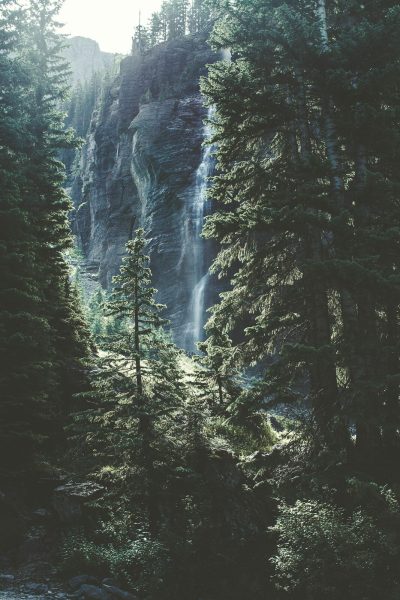
The first time I truly understood winter’s healing power, I was twenty-three and studying TCM nutrition in Beijing. My professor, a quiet woman named Dr. Li, took our small group to Fragrant Hills Park on a January morning when the air was so cold it felt like breathing glass. “In the West,” she said, pulling her scarf down, “you hide from winter. In Chinese medicine, we learn from it.” She had us stand still, close our eyes, and simply breathe. That cold, sharp air felt like it was scrubbing the inside of my lungs clean. It was a revelation. Winter isn’t a season to endure; it’s a season to engage with. This is the practice of winter forest bathing, or Shinrin-yoku as the Japanese call it—a practice deeply aligned with the TCM principle of living in harmony with the seasons. Today, I want to show you how the cold, quiet forest can be your most powerful winter wellness ally.
Why Winter Forest Bathing is Uniquely Powerful
Most people associate forest bathing with lush, green summer days. But the winter forest offers a different, equally potent kind of medicine. In Traditional Chinese Medicine, winter is the season of the Kidney system, which is considered the root of our Yin and Yang energy, our deepest reserves of vitality. The Huangdi Neijing, the foundational text of TCM written over 2,000 years ago, advises us to “retire early and rise late, after the sun has risen, and let the mind be in a state of quiet rest.” Winter is a time for conservation, introspection, and nourishing our core energy. The cold, still forest perfectly facilitates this. The air is less humid, often cleaner, and rich in specific compounds that may benefit our respiratory and immune systems.
Modern science is beginning to understand what traditional cultures have long practiced. A seminal 2010 study published in the International Journal of Immunopathology and Pharmacology found that phytoncides—antimicrobial volatile organic compounds released by trees—can significantly increase the activity of human natural killer (NK) cells, a type of white blood cell crucial for immune defense. While trees release these year-round, the concentration in the cold, dry air of a winter forest can be remarkably high. Furthermore, a 2019 review in the journal Environmental Research analyzed multiple studies and concluded that forest bathing is associated with reduced cortisol levels, lower blood pressure, and improved mood—benefits that are especially valuable during the often stressful, indoor-heavy winter months.
“In winter, the energy of the universe is in a state of storage. Water turns to ice, the earth cracks. Do not disturb your Yang energy. Go to bed early and get up late. You must wait for the sun.”
— Huangdi Neijing (Yellow Emperor’s Classic of Internal Medicine)
The Science of Cold Air and Your Lungs
That sharp, clean feeling I experienced in Beijing isn’t just a sensation; there’s physiology behind it. Breathing cold air can cause a mild, temporary constriction of the airways (bronchoconstriction). For most healthy individuals, this is not harmful and may even serve a beneficial purpose. This slight tightening can help filter air more efficiently and, according to some researchers, may improve oxygen exchange. A 2012 study in the European Respiratory Journal noted that controlled cold air exposure can have an “exercise-like” effect on the respiratory muscles, potentially strengthening them over time.
From a TCM perspective, the Lungs are considered the “tender organ” (Jiao)—they are the most external of the Yin organs and are directly exposed to the environment. They govern Wei Qi (defensive energy), our immune shield. The cold, dry air of winter is a pathogenic factor (Xie Qi) that can challenge the Lungs. However, when we engage with it mindfully—through proper breathing and gradual exposure—we can train our Wei Qi to become more resilient. It’s like tempering steel; a controlled challenge makes it stronger. The key is to breathe through your nose, which warms and humidifies the air, and to layer clothing so you are cool but not shivering. The goal is to feel invigorated, not stressed.
How to Practice Winter Forest Bathing: A Step-by-Step Guide
This is not a hike. The aim is not distance or elevation. It is a slow, sensory immersion. Here is a practical guide to your first winter forest bathing session.
- Choose Your Forest: Any wooded area will do—a city park with mature trees, a nature reserve, or a trail in the woods. Coniferous forests (pine, spruce, fir) are excellent for their phytoncides. Look for a spot with minimal human-made noise.
- Timing is Key: Go in the late morning, after the sun has warmed the air slightly (around 10 AM). Aim for 20-30 minutes to start. You can build up to 60-90 minutes.
- Dress for Comfort, Not Fashion: Wear multiple warm, breathable layers (wool or silk base layers are ideal). A hat, gloves, and warm socks are non-negotiable. Your body should feel comfortably cool, not cold.
- Disconnect to Reconnect: Turn your phone to airplane mode or leave it in the car. This is a digital detox.
- The Art of Slow Walking: Walk at about 1/3 of your normal pace. Stop frequently. Let your senses lead you.
- Engage Your Senses Systematically:
- Sight: Notice the stark beauty—the texture of bark, the patterns of bare branches against the sky, the subtle colors of moss and lichen.
- Sound: Listen to the silence between sounds: the crunch of snow or leaves, the distant call of a bird, the wind in the pines.
- Touch: Feel the rough bark of an oak, the smooth, cold surface of a stone, the soft give of moss.
- Smell: Breathe deeply through your nose. Try to identify scents: damp earth, pine resin, decaying leaves.
- Find a Sit Spot: After 15 minutes of walking, find a place to sit comfortably on a log or bench. Spend 10-15 minutes just breathing and observing. This is where the deep calming effect often occurs.
- Close with Gratitude: Before you leave, take a moment to thank the forest for its quiet gift. This ritual seals the experience.

Warming From Within: TCM Support Before and After
In my family, we never went out into the cold without a little preparation, and we always came back to something warm. This isn’t just about comfort; it’s about supporting your body’s Yang energy. Here are specific, actionable practices.
Before You Go Out: Ignite Your Inner Fire
Drink a cup of fresh ginger and jujube tea. Slice 3-4 thin rounds of fresh ginger root (Zingiber officinale) and add 2-3 dried Chinese red dates (Ziziphus jujuba, pitted). Simmer in 2 cups of water for 10 minutes. This simple decoction gently warms the Wei Qi layer and supports the Spleen and Stomach. My grandmother would make this for us on cold school mornings. Eat a small, warming breakfast like a bowl of congee (Xi Fan) with a pinch of cinnamon and a few goji berries.
After You Return: Deeply Nourish and Restore
The most important step is to warm your core. Take a warm (not hot) shower or bath. Follow with a deeply nourishing soup. The classic is a simple bone broth simmered with a few slices of astragalus root (Huang Qi, Astragalus membranaceus) for immune support and a handful of black beans for Kidney nourishment. Sip it slowly. Another excellent option is a black sesame and walnut soup, which is traditionally used to nourish Kidney Yin and Essence (Jing). To make it: blend 1/4 cup black sesame seeds, 1/4 cup walnuts, and 4 cups of water until smooth, then simmer with a small piece of rock sugar for 20 minutes.
Comparing Forest Bathing Across Seasons
Each season offers a different flavor of forest bathing. Understanding the differences can help you tailor your practice to your needs.
| Season | Primary TCM Focus | Sensory Experience | Ideal Practice | Post-Practice Nourishment |
|---|---|---|---|---|
| Winter | Nourish Kidney Yin/Yang, conserve energy, support Wei Qi. | Sharp, clean air; stark visuals; profound silence; earthy, piney scents. | Short, slow, introspective walks. Focus on breath and stillness. Sit-spot meditation. | Warming ginger/jujube tea before. Restorative bone broth or black sesame soup after. |
| Spring | Move Liver Qi, encourage upward energy, release stagnation. | Soft, moist air; vibrant greens; birdsong; floral and green scents. | More dynamic walking. Gentle stretching under trees. Focus on fluidity and new growth. | Light, cleansing teas like chrysanthemum (Ju Hua) or mint (Bo He). |
| Summer | Nourish Heart Yin, cool excess heat, foster joy. | Warm, humid air; full canopy shade; buzzing insects; rich, green scents. | Early morning or dusk practice. Leisurely walking. Focus on cooling and relaxation. | Cooling mung bean (Lü Dou) soup or chrysanthemum tea. |
| Autumn | Nourish Lung Yin, moisten dryness, support letting go. | Crisp, dry air; colorful falling leaves; rustling sounds; earthy, decomposing scents. | Moderate-paced walking. Deep, rhythmic breathing. Focus on gratitude and release. | Moistening pear and honey syrup or tremella (Yin Er) soup. |
Recommended Gear for Comfort and Warmth
Having the right gear makes the practice accessible and enjoyable. You don’t need expensive equipment, just thoughtful choices.
- Base Layer: Merino wool or silk long underwear. These natural fibers wick moisture and regulate temperature beautifully.
- Insulating Layer: A fleece or down vest/jacket. A vest allows arm mobility for touching trees.
- Outer Shell: A windproof and water-resistant jacket to block the chill.
- Footwear: Waterproof, insulated hiking boots with good traction. Pair with thick wool socks.
- Accessories: A warm beanie, touchscreen-compatible gloves, and a neck gaiter or scarf.
- Optional Comforts: A small, lightweight sit pad (foam or inflatable) for sitting on cold logs or the ground. A thermos to carry your warming tea.
Common Questions
Is it safe to exercise in very cold air?
For most healthy individuals, yes. The key is gradual exposure and breathing through your nose. If you have a condition like asthma or Raynaud’s phenomenon, consult your doctor first. The practice of winter forest bathing is gentle—it’s slow walking, not vigorous exercise. The goal is to feel refreshed, not to push your limits. Always listen to your body; if you start shivering intensely, it’s time to head inside.
Can I do this in a city park, or does it need to be a deep forest?
A city park with mature trees is perfectly fine. The core principles—slow movement, sensory engagement, and mindful breathing—work anywhere there is nature. A 2016 study in the journal Landscape and Urban Planning found that even short visits to urban green spaces significantly reduced cortisol levels. Find the quietest, most tree-filled corner of your local park and make it your sanctuary.
What if I feel too cold and can’t relax?
This is a common concern. First, dress in more layers than you think you need—you can always remove one. Second, shorten your practice. Even 10 minutes of focused, mindful breathing in a cold forest is beneficial. Third, focus on your breath. Slow, deep inhalations through the nose can help generate internal warmth. If discomfort persists, honor your body’s signal and return to warmth. The practice should be a gentle challenge, not an ordeal.
The bottom line: Winter forest bathing is a powerful, accessible practice that aligns with ancient TCM wisdom and modern science. By embracing the cold, quiet forest, you can support your respiratory health, boost your immune resilience, and cultivate a deep sense of calm. It requires no special skill, only a willingness to slow down, bundle up, and let the stark beauty of winter work its quiet magic on you.
About the Author
Yu Xi Zhang grew up in a Chinese household where traditional wellness practices were part of daily life. With over 15 years of study under licensed TCM practitioners in Beijing and Chengdu, and a certification in TCM nutrition from the Beijing University of Chinese Medicine, she bridges Eastern wisdom with Western wellness in practical, actionable ways. Her writing draws from classical texts like the Huangdi Neijing and modern research to help readers live healthier, more balanced lives.
This article is for educational purposes and reflects traditional wellness perspectives. It is not a substitute for professional medical advice, diagnosis, or treatment.