As the days stretch long and the sun beats down, our modern instincts scream at us to do more. We plan barbecues, schedule beach trips, sign up for summer camps, and fill every waking moment with activity. We treat summer as a season of high energy, a time to capitalize on the light and warmth. Yet, if you’ve ever felt a strange, bone-deep exhaustion on a sweltering July afternoon—a lethargy that makes even the thought of a simple errand feel monumental—you’re not alone. This isn’t laziness; it’s a biological whisper, an ancient signal from your body that is perfectly understood in the philosophy of Traditional Chinese Medicine (TCM). In TCM, the height of summer is not a time for frantic doing, but for the profound practice of wu wei, or effortless action. It’s the art of doing nothing, and it might be the most productive thing you do all season.
- What is Wu Wei? The Philosophy of Effortless Action
- The TCM Connection: Summer as the Season of Fire and the Heart
- Signs Your Heart Qi Needs a Summer Reset
- Practical Wu Wei: How to Embrace Effortless Action This Summer
- The Summer Wu Wei Lifestyle: A Sample Day
- Nourishing the Heart: Summer Foods & Herbs in TCM
What is Wu Wei? The Philosophy of Effortless Action
Let’s demystify wu wei right away. It does not mean literal inactivity or sloth. The Chinese characters (无为) translate more accurately to “non-doing” or “non-forcing.” Imagine a skilled sailor who, instead of rowing furiously against the current, adjusts their sails to harness the wind, gliding effortlessly toward their destination. That is wu wei. It is the practice of aligning yourself with the natural flow of energy, of acting in harmony with the circumstances rather than struggling against them. It’s about responding, not reacting; about allowing, not forcing.
In a culture that glorifies the “hustle,” this can sound counterintuitive, even irresponsible. But wu wei is not passivity. It is intelligent, observant action. It requires immense awareness to know when to act and when to simply be. The sage Laozi, in the Tao Te Ching, describes the ideal leader as one who practices wu wei, and the people say, “We did it ourselves.” The power lies in creating the conditions for things to unfold naturally, without strain. When applied to summer, this philosophy offers a radical prescription for well-being: in the season of maximum Yang energy, the wisest path is one of gentle conservation and receptive stillness.
The TCM Connection: Summer as the Season of Fire and the Heart
To understand why wu wei is so crucial in summer, we need to look at the TCM framework of the Five Elements. Each season corresponds to an element, an organ system, and a specific kind of energy (Qi). Summer is the season of the Fire element. Fire is associated with maximum expansion, warmth, joy, and sociability. Its corresponding organ is the Heart, which in TCM is considered the “Emperor” of all organs, housing our Shen—our spirit, consciousness, and emotional intelligence.
During summer, the Heart’s energy is at its peak. This is wonderful for feelings of connection and exuberance. However, it also makes the Heart vulnerable. Too much heat, overstimulation, or excessive activity can “disturb the Shen.” This manifests as anxiety, restlessness, insomnia, irritability, and even heart palpitations. Have you ever noticed it’s harder to sleep on a hot summer night, your mind buzzing with plans or worries? That’s your Heart Qi, and by extension your Shen, being agitated by the excessive Yang (heat) energy of the season.
This is where wu wei becomes a form of medicine. By consciously slowing down, creating space for quiet, and avoiding the “heat” of over-exertion, we protect our Heart Qi. We cool the internal fire, soothe our spirit, and allow our energy to circulate smoothly. It’s not about fighting summer’s energy, but about riding its wave with grace.
Signs Your Heart Qi Needs a Summer Reset
Your body is constantly communicating. In the context of summer and the Fire element, it will send clear signals when you’ve strayed from the path of wu wei and into the territory of “doing too much.” Learning to recognize these signs is the first step toward realignment. Think of them as gentle nudges from your inner physician.
You might need to embrace more wu wei in your summer if you are experiencing:
- Physical Heat Signs: Excessive sweating (especially night sweats), feeling constantly thirsty, a red face, or dark, concentrated urine.
- Mental & Emotional Agitation: A feeling of being “wired but tired,” anxiety that seems to have no clear cause, irritability over small things, or a racing mind.
- Sleep Disruptions: Difficulty falling asleep because your mind won’t turn off, waking frequently during the night, or vivid, disturbing dreams.
- Cardiovascular Flutters: Heart palpitations or a feeling of your heart beating irregularly, especially when stressed or overheated.
- Speech & Connection Issues: Talking excessively or feeling a compulsive need to fill silence, or conversely, feeling socially withdrawn and joyless.
If several of these resonate, it’s not a sign of failure. It’s a sign that your body is asking for a different approach. It’s asking you to honor the season by practicing the art of doing nothing.
Practical Wu Wei: How to Embrace Effortless Action This Summer
Understanding the theory is one thing; living it is another. Integrating wu wei into your summer doesn’t require a retreat to a mountain monastery (though that sounds lovely). It’s about weaving small, conscious acts of non-forcing into your daily life. Here’s how to begin.
Rethink Your Schedule: The most radical act of wu wei is to create empty space. Look at your calendar. Where can you carve out “white space”? Instead of back-to-back activities, schedule a “do nothing” block. This might look like sitting on your porch with a glass of cool mint tea, watching the clouds, or listening to the cicadas without reaching for your phone. The goal is to have time with no agenda, where your mind can wander freely.
Align with the Sun’s Rhythm: Traditional wellness systems universally advise rising with the sun and resting during the peak heat. In summer, this means embracing the early morning for gentle activity—a walk, some stretching, or tending to a garden. From about 11 a.m. to 3 p.m., when the sun is highest, practice the ultimate wu wei: find shade, stay cool, and rest. This is the time for a short nap (xiu xi), reading a book, or simply being still. As the sun begins to set, you can become more active again.

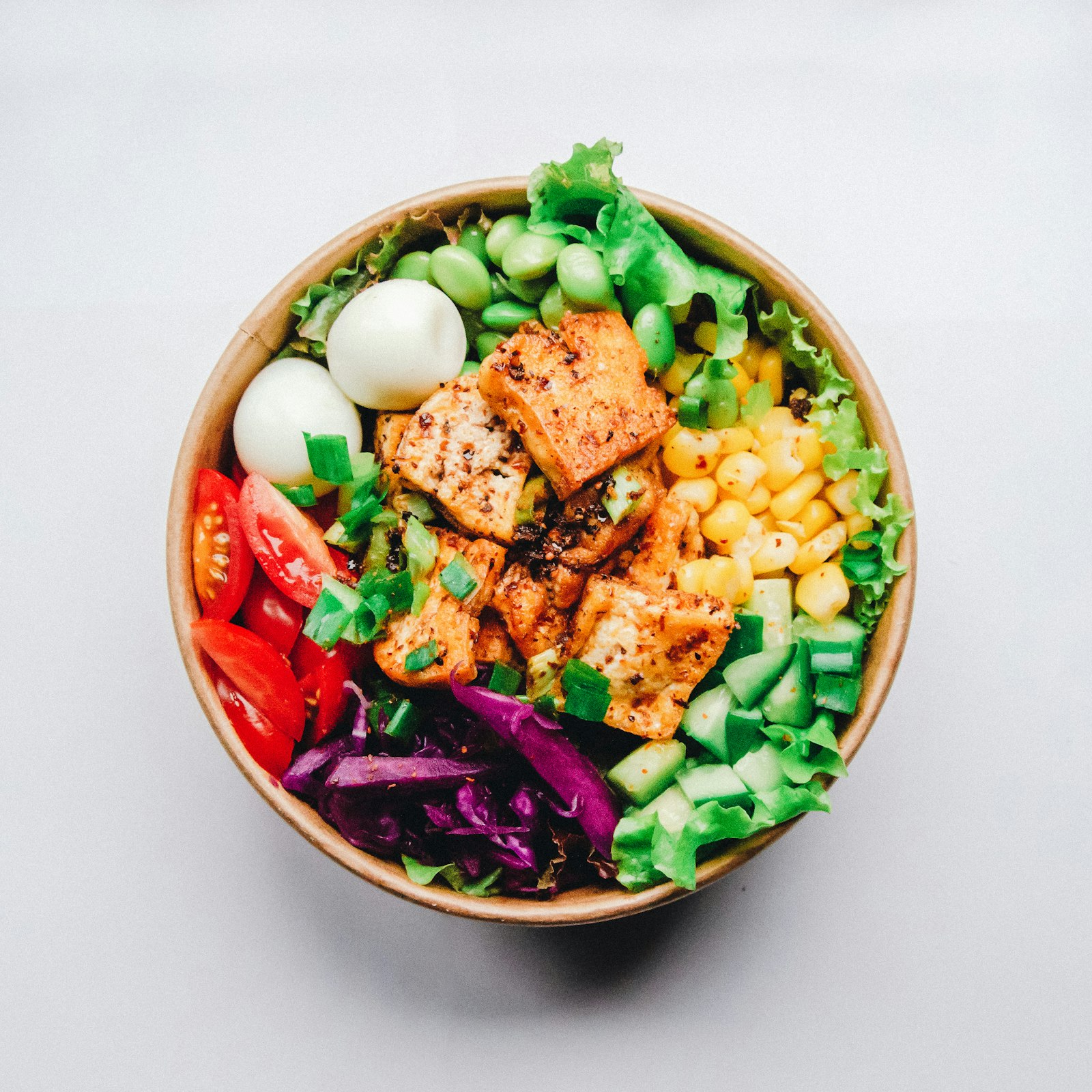
Embrace Cool, Bitter, and Light Foods: In TCM, food is medicine. To counter summer’s internal heat, your diet should shift. Favor foods that are cooling, hydrating, and slightly bitter. Think of watermelon, cucumber, mung beans, bitter melon, celery, and lettuce. Lightly steamed or raw preparations are best. Reduce heavy, greasy, fried, or overly spicy foods, which add more heat and burden your digestive system. Sip on chrysanthemum tea or mint tea throughout the day—they have a natural cooling effect on the body and mind.
Move with Gentleness: High-intensity workouts in the summer heat are a direct contradiction to wu wei. They generate excessive internal heat and can deplete your Qi. Instead, opt for movement that is fluid and mindful. Swimming is the quintessential summer exercise in TCM—it’s cooling, gentle on the joints, and rhythmic. Tai Chi and Qi Gong are also perfect, as they are designed to cultivate and circulate Qi without strain. Even a slow walk in nature, focusing on your breath and the sensations around you, is a powerful practice.
The Summer Wu Wei Lifestyle: A Sample Day
Let’s translate these principles into a tangible rhythm. A day lived with wu wei in summer isn’t about doing nothing at all, but about a different quality of doing—one that is responsive, gentle, and attuned.
| Time of Day | Activity | Wu Wei Principle |
|---|---|---|
| Early Morning (6-8 AM) | Wake with the sun. Drink a glass of room-temperature water. Take a 20-minute walk in the cool morning air, perhaps in a park. Practice a few minutes of standing meditation or gentle stretching. | Aligning with natural rhythms; gentle initiation of the day’s Yang energy. |
| Morning (8-11 AM) | Eat a light, nourishing breakfast (e.g., congee with cucumber). Tackle focused work or creative projects while your mind is clear and cool. Take breaks to simply look out the window. | Using peak mental clarity without force; incorporating micro-rests. |
| Midday (11 AM-3 PM) | Eat a lunch centered on cooling vegetables and lean protein. Take a 20-minute nap or practice deep breathing/meditation. Read a book in a cool, shaded spot. Avoid strenuous activity. | Embracing rest during peak heat; protecting Heart Qi from overexertion. |
| Afternoon (3-6 PM) | Engage in light social activity—sip cool tea with a friend. Do gentle tasks like gardening (with a hat!) or light household chores. Prepare a simple, cooling dinner. | Allowing energy to flow socially and practically without urgency. |
| Evening (6 PM-Onward) | Eat dinner early and lightly. Take a leisurely walk as the temperature cools. Practice calming activities: journaling, listening to soft music, gentle stretching or Yin yoga. Avoid screens and stimulating conversations before bed. | Winding down Yang energy; preparing the body and mind for restorative Yin sleep. |
Nourishing the Heart: Summer Foods & Herbs in TCM
In TCM, the Heart is nourished by the bitter flavor. While “bitter” might not sound appealing, it’s a crucial taste for cooling the system and clearing heat. This doesn’t mean you need to eat unpleasantly bitter foods; it’s about incorporating the subtle, cleansing bitterness found in many summer vegetables and teas.
Think of the slight bitterness in a dark, leafy green like dandelion or arugula, or in a cup of green tea. Specific foods and herbs that are celebrated in TCM for supporting the Heart and clearing summer heat include:
- Mung Beans: A classic TCM food for clearing heat and detoxification. Make a simple mung bean soup or porridge.
- Watermelon: Not just a snack, but a cooling, hydrating medicine. The white rind is especially valued for its cooling properties.
- Lotus Seed & Lily Bulb: Often used in soups and teas, these are prized for calming the Shen and promoting peaceful sleep.
- Chrysanthemum Tea (Ju Hua Cha): A beautiful, fragrant tea that clears heat, especially from the head and eyes, and calms the spirit.
- Jujube (Red Dates) & Goji Berries: While slightly sweet, these are used in moderation to nourish Blood and Yin, providing a foundation of calm energy.
“The wise nourish life by following the seasons. In summer, one nourishes the Heart by embracing the expansive, joyful energy, while protecting it through coolness, rest, and the art of non-forcing.”
— A TCM Proverb
Common Questions
Isn’t doing nothing just being lazy?
This is the most common misconception. Laziness is often a state of inertia, avoidance, or depletion without intention. Wu wei, on the other hand, is a conscious, mindful choice. It’s the difference between collapsing on the couch because you’re too drained to move and choosing to sit quietly in a garden to observe nature and let your mind settle. The former is a symptom of imbalance; the latter is a practice of restoration. It is the art of strategic non-action to preserve energy and align with a greater flow.
How can I practice wu wei if I have a busy job and family?
Wu wei is not about your external circumstances, but your internal state. You can practice it in the midst of a busy life. It might look like: taking three deep breaths before answering an email, choosing to listen fully without planning your response, allowing your child to struggle with a puzzle for a moment before offering help (so they can find their own solution), or eating your lunch away from your desk, focusing solely on the taste and texture of your food. It’s about bringing a quality of mindful presence and non-forcing to the actions you’re already doing.
I feel guilty when I’m not being productive. How do I get over that?
This guilt is a product of a culture that equates worth with constant output. TCM offers a powerful reframe: true productivity includes cycles of rest and renewal. A field left fallow becomes more fertile. A musician rests between notes to create melody. Your rest is not the absence of productivity; it is the foundation of it. Start small. Schedule just 15 minutes of “doing nothing” and observe how it affects the quality of your energy afterward. Remind yourself that you are not a machine; you are a part of nature, and nature has seasons of growth and seasons of quiet consolidation.
The bottom line: In the blazing heart of summer, Traditional Chinese Medicine invites us to counterintuitively slow down. By embracing wu wei—the art of effortless action—we protect our vital Heart Qi, soothe our spirit, and align ourselves with the season’s true rhythm. It’s a practice of creating space, trusting natural timing, and finding profound strength in gentle, receptive stillness. This summer, give yourself permission to do nothing, and discover how much more whole and energized you can feel.
This article shares traditional perspectives and personal experience for general interest. It is not professional advice — please use your own judgment and consult a qualified professional when needed.