When the summer sun beats down and the air feels thick enough to swim through, most of us reach for the air conditioner remote or a tall glass of iced water. But in Traditional Chinese Medicine (TCM), the approach to cooling down in summer is far more nuanced—and, I’d argue, far more effective in the long run. TCM views summer as the season of maximum Yang energy, a time when heat naturally rises in the body. If we don’t manage that heat wisely, it can lead to fatigue, irritability, digestive issues, skin breakouts, and that general feeling of being “off.” The good news? Chinese wellness traditions have been dealing with exactly this problem for thousands of years, and the solutions are surprisingly simple, delicious, and easy to fold into your daily life.
- 1. Eat Cooling Foods (But Not Ice-Cold Ones)
- 2. Sip Herbal Teas Instead of Iced Drinks
- 3. Protect Your Body's Cooling Gateways
- 4. Use Acupressure to Release Built-Up Heat
- 5. Adjust Your Sleep and Activity to Follow the Sun
- 6. Clear "Summer Heat" with Bitter and Light Flavors
- 7. Manage Your Emotions (Yes, Really)
1. Eat Cooling Foods (But Not Ice-Cold Ones)
This might be the most counterintuitive piece of advice for anyone used to Western summer habits. In TCM, the temperature of a food is not just about how it feels when you bite into it—it’s about the thermal effect it has on your body after digestion. A bowl of ice cream might feel cold in your mouth, but your body actually has to generate extra heat to process the sugar and fat, which can make you feel even hotter and more sluggish later.
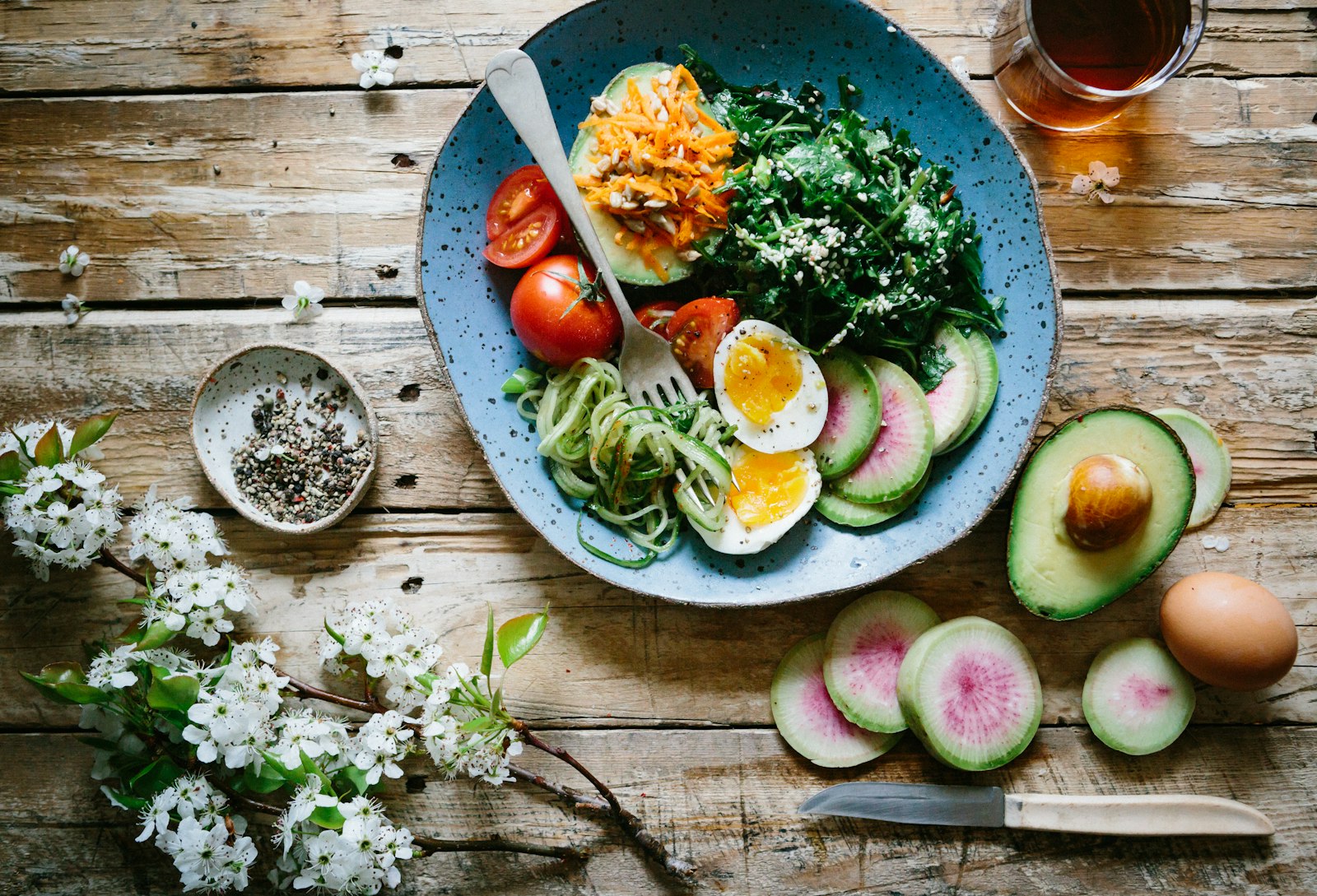
Instead, TCM recommends reaching for foods with an inherently “cool” or “cold” energetic nature. These are foods that, according to centuries of clinical observation, help clear heat and generate fluids in the body. You’re probably already eating many of them in summer without knowing it—watermelon, cucumber, mung beans, bitter melon, lotus root, and green tea are all classic examples.
One of my favorite summer rituals is a simple mung bean soup. In Chinese households, this is practically a staple from June through August. Mung beans are considered one of the best heat-clearing foods in the entire TCM pantry. You simmer a cup of mung beans in water until they’re soft, add a small piece of rock sugar if you like, and drink it warm or at room temperature. It’s mildly sweet, earthy, and incredibly refreshing. Many Chinese families also add dried tangerine peel (chen pi) to aid digestion.
Here’s a quick reference for some common cooling foods you can start adding to your meals right away:
| Food | TCM Nature | Best Way to Enjoy |
|---|---|---|
| Watermelon | Cold | Fresh slices or juice (avoid if digestion is weak) |
| Cucumber | Cool | Raw in salads, lightly pickled |
| Mung beans | Cool | Soup, congee, or sprouted |
| Green tea | Cool | Brewed warm, not iced |
| Bitter melon | Cold | Stir-fried with garlic, or juiced |
| Lotus root | Cool | Sliced and stir-fried, or in soups |
| Pear | Cool | Fresh, or poached with rock sugar |
| Chrysanthemum tea | Cold | Brewed as tea, often with goji berries |
A word of caution: if you tend to have a sensitive stomach, loose stools, or feel cold easily even in summer, don’t go overboard with the coldest foods. TCM always tailors advice to the individual. In that case, milder cooling foods like cucumber, pear, and green tea are better bets than bitter melon or raw watermelon in large amounts.
2. Sip Herbal Teas Instead of Iced Drinks
I know—nothing sounds better than an iced latte or a freezing-cold soda on a blazing afternoon. But here’s the thing: in TCM, extreme cold contracts. When you pour ice-cold liquid into your system, your body has to work overtime to warm it back up to body temperature for digestion. That extra work generates—you guessed it—more internal heat. It’s a short-term fix that creates a longer-term problem.
“Drink warm in summer, and you will sweat less. The body cools itself from the inside out when the digestive fire is supported, not shocked.”
— Common TCM saying
The Chinese approach is to drink beverages that are warm or room temperature and that have natural cooling properties built into their ingredients. This way, you’re cooling from the inside, gently and sustainably.
Here are three herbal teas I rotate through all summer long:
- Chrysanthemum tea (菊花茶): This is probably the most popular summer cooling tea in China. Brew dried chrysanthemum flowers with hot water, add a few goji berries if you like, and sip it warm. It clears heat from the head and eyes—perfect if you get headaches or eye strain in summer. It also tastes lightly floral and sweet without any sugar.
- Honeysuckle tea (金银花茶): Honeysuckle is strongly cooling and is traditionally used to clear “summer heat” specifically. It’s slightly more medicinal in flavor than chrysanthemum, so some people blend it with chrysanthemum or add a touch of honey.
- Barley tea (大麦茶): Roasted barley tea is caffeine-free, nutty, and incredibly refreshing at room temperature. It’s a staple in Korean and Japanese summers as well, and in TCM it’s valued for clearing heat and supporting digestion. You can brew a big batch, let it cool, and keep it in the fridge for a day or two.
The key insight here is that your body actually cools itself more efficiently when you drink something warm enough to trigger a gentle sweat. That light perspiration is your body’s natural air conditioning system at work. Iced drinks suppress that response, which is why you often feel hot again shortly after finishing one.
3. Protect Your Body’s Cooling Gateways
TCM pays a lot of attention to specific points and areas on the body that play an outsized role in temperature regulation. In summer, there are a few “cooling gateways” worth knowing about—and protecting.
The first is the back of the neck, where a point called Dazhui (GV14) sits at the base of the neck, just below the bony bump of the seventh cervical vertebra. This point is considered the “meeting point of all Yang channels” and is extremely sensitive to both wind and cold. In summer, it’s also one of the areas that radiates the most heat. Exposing the back of your neck to a blast of air conditioning or a cold shower can seem soothing, but TCM warns that this invites “wind-cold” to enter the body—which paradoxically can trap heat inside and lead to headaches, neck stiffness, or even a summer cold.
The second is the abdomen, which TCM considers the home of the digestive system (your “middle burner”). When you eat too many cold or raw foods in summer, or when cold air from an AC blows directly on your belly, the Spleen and Stomach Qi can become impaired. This shows up as bloating, loose stools, loss of appetite, or that heavy, foggy feeling some people get in humid weather.
A few practical tips:
- When sleeping, keep a light scarf or blanket over the back of your neck and shoulders if the AC is running.
- At your desk, position yourself so the air vent doesn’t blow directly on the back of your neck.
- After a hot day outside, take a warm shower rather than a freezing one. Let your body cool gradually.
- If your abdomen feels cold to the touch, place a warm (not hot) towel or a ginger compress over it for 10–15 minutes before bed.
This isn’t about being overly cautious—it’s about respecting the way your body actually regulates heat. When you protect these gateways, your natural cooling mechanisms work better, and you end up feeling more comfortable overall.
4. Use Acupressure to Release Built-Up Heat
You don’t need to be an acupuncturist to take advantage of the body’s built-in cooling points. Acupressure—pressing on specific points with your fingers—is something anyone can do, anywhere, and it can provide surprisingly fast relief when summer heat starts to feel overwhelming.
Here are three of the most effective cooling points in TCM:
- Hegu (LI4) — “Joining Valley”: Located in the fleshy web between your thumb and index finger. This is one of the most versatile points in all of TCM. It’s used to clear heat from the head and face, relieve headaches, and promote the flow of Qi throughout the body. Press firmly (it might feel a bit tender) and hold for 30 seconds to a minute on each hand. It’s especially helpful if you feel a summer headache coming on.
- Neiguan (PC6) — “Inner Gate”: Found on the inner forearm, about three finger-widths above the wrist crease, between the two tendons. This point calms the mind, settles the stomach, and helps with the nausea that sometimes accompanies heat exhaustion. If you’ve ever been given those motion-sickness wristbands—they work by pressing on this exact point.
- Dazhui (GV14) — “Great Vertebra”: We mentioned this one above. You can stimulate it by pressing with your thumb or, even better, by gently tapping the back of the neck with your knuckles for 30 seconds. This helps release excess heat that’s trapped in the upper body.
For an even simpler approach, try the “cooling breath” technique from Qi Gong practice: curl your tongue into a tube (or just make an “O” shape with your lips), inhale slowly through your mouth, then close your mouth and exhale through your nose. This breathing pattern is traditionally believed to draw cool energy into the body and release heat. Do 10 rounds whenever you feel overheated, and you’ll likely notice a subtle but real shift.

5. Adjust Your Sleep and Activity to Follow the Sun
This might be the most overlooked piece of the summer cooling puzzle, and it comes straight from one of the oldest texts in Chinese medicine—the Huangdi Neijing (Yellow Emperor’s Classic of Internal Medicine), written over 2,000 years ago. Its summer advice is beautifully simple:
“In the three months of summer, the energy of heaven and earth flourish. One may retire later at night and rise early. Do not resent the heat. Let the mind be joyful and the Qi flow freely.”
That last line is the part most of us forget. When we fight summer—complaining about the heat, cranking up the AC to arctic levels, staying sealed indoors—we create tension in the body. TCM sees that tension as a blockage of Qi, and blocked Qi generates even more internal heat. The Huangdi Neijing is essentially saying: accept the season, adapt to it, and let your energy flow with it rather than against it.
In practical terms, this means:
- Wake up earlier. The early morning hours (before 7 or 8 AM) are the coolest part of a summer day. Use them for a walk, gentle exercise, or meditation. This is when Yang energy is just beginning to rise—working with it sets a balanced tone for the whole day.
- Rest during peak heat. In traditional Chinese culture (and many other warm-climate cultures), a midday rest during the hottest hours (roughly 11 AM to 2 PM) is common sense, not laziness. If you can’t nap, at least slow down. Avoid intense exercise during peak heat.
- Stay active, but choose gentler forms. Summer is not the season for crushing HIIT workouts in a hot gym. Walking, swimming, Tai Chi, Qi Gong, yoga, and cycling are all better choices. The goal is to move Qi and blood without generating excessive heat.
- Let yourself sweat—naturally. Sweating is your body’s primary cooling mechanism in TCM. If you suppress it constantly with AC or cold drinks, heat gets trapped inside. Spend some time each day in natural warmth, let the sweat come, and then cool down gradually. Your body will thank you.
One more sleep tip: keep your bedroom cool but not freezing. TCM recommends sleeping on a bamboo mat or a cooling pillow (chilled, not ice-cold) rather than blasting the AC all night. The ideal is to wake up without feeling stiff, congested, or dried out—all signs that the air was too cold while you slept.
6. Clear “Summer Heat” with Bitter and Light Flavors
TCM identifies five flavors—sour, bitter, sweet, pungent (spicy), and salty—each with specific effects on the body. In summer, the flavor to lean into is bitter. Bitter-flavored foods have a natural ability to drain heat, dry dampness, and promote appetite—all things that tend to go haywire in hot, humid weather.
This is one reason bitter melon (苦瓜, literally “bitter gourd”) is so beloved in southern Chinese cooking during summer. Yes, it’s an acquired taste—but when it’s stir-fried with garlic and a splash of soy sauce, or stuffed with pork and steamed, it becomes genuinely delicious. If you really can’t stomach it, even a small amount of bitter melon juice with a bit of honey can do the trick.
Other bitter foods to work into your summer diet:
- Dandelion greens (fantastic in salads)
- Romaine lettuce (mildly bitter, easy to eat daily)
- Dark chocolate (in small amounts—look for 70%+ cacao)
- Chrysanthemum greens (tong hao—popular in hot pot, lovely in stir-fries)
- Lotus seed heart (the green sprout inside lotus seeds—used in teas)
At the same time, lighten up on heavy, greasy, overly sweet, or richly spiced foods. Summer meals should feel easy on the stomach—think steamed fish with ginger, cold sesame noodles, cucumber salads, light congee, and fresh fruit. Your Spleen and Stomach are already working harder in the heat; don’t overload them.
7. Manage Your Emotions (Yes, Really)
This might surprise you, but TCM has long recognized a direct connection between summer heat and emotional disturbance. The emotion associated with summer and the Heart organ is joy—but when joy becomes excessive or ungrounded, it can tip into anxiety, restlessness, insomnia, or even mania. Think of it like a campfire: a little warmth and light is wonderful, but too much and things start to burn.
If you find yourself feeling wired, unable to sleep, easily startled, or emotionally scattered in summer, TCM would say your Heart Qi may be overheated. The remedies are surprisingly gentle:
- Lily bulb soup (百合汤): Dried lily bulb (bai he) is a classic TCM ingredient for calming the Heart and nourishing Yin. Simmer it with a little rock sugar and some lotus seeds for a soothing dessert soup.
- Lotus seed tea: Lotus seeds (lian zi) are traditionally used to calm the mind and support sleep. You can brew them whole in hot water, or crush them slightly for a stronger effect.
- Cooling your wrists and soles: Running cool (not ice-cold) water over your inner wrists and the soles of your feet for a minute or two can help draw heat down from the head and calm an agitated mind. These are areas where blood vessels are close to the surface, and TCM sees them as efficient heat-release points.
- Journaling or gentle creative work in the evening: The Huangdi Neijing advises letting the mind be “joyful” in summer—meaning open, at ease, and expressive. Give yourself permission to slow down emotionally, not just physically.
Common Questions
Is it really bad to drink ice water in summer?
TCM doesn’t say a single glass of iced water will harm you—it’s about patterns over time. If you’re constantly drinking very cold beverages, your digestive system (what TCM calls the Spleen and Stomach) has to work harder, which can lead to bloating, fatigue, and ironically, more internal heat. Room-temperature or warm water is generally easier on the body and actually helps you cool down more effectively by supporting natural sweating. That said, if you’re healthy and it’s a rare treat on a scorching day, don’t stress about it.
Can cooling foods make me too cold if I already run cool?
Yes, this is an important nuance. TCM always considers your personal constitution. If you tend to feel cold, have pale complexion, loose stools, or fatigue—even in summer—you probably have a “Yang-deficient” constitution. In that case, you should be more selective with cooling foods. Stick to milder options like cucumber, green tea, and pear rather than large quantities of bitter melon, watermelon, or chrysanthemum tea. Warming foods like ginger and a small amount of cinnamon can still be helpful for you even in summer. When in doubt, a TCM practitioner can help you identify your constitution.
How long does it take to notice a difference with these TCM approaches?
Some things work almost immediately—acupressure on Hegu (LI4) can ease a heat headache within minutes, and a cup of chrysanthemum tea can take the edge off eye strain within half an hour. Dietary changes typically show effects within a few days to a week. You might notice better digestion, more stable energy, fewer skin breakouts, and improved sleep. The key is consistency. TCM is a system that works gradually, tuning the body’s rhythms over time rather than forcing quick changes. Give yourself at least two to three weeks of consistent practice before judging whether it’s working for you.
The bottom line: Cooling down in summer, from a TCM perspective, isn’t about fighting the heat with more heat (or more ice). It’s about working with your body’s natural rhythms—eating foods that genuinely cool from the inside, sipping herbal teas that support your system, protecting the areas where heat enters and escapes, using simple acupressure to release what builds up, adjusting your schedule to honor the season, embracing bitter flavors, and even tending to your emotional landscape. These aren’t ancient curiosities—they’re practical, time-tested strategies that fit into any modern life. Try one or two this week and see how you feel.
This article shares traditional wellness perspectives and personal experience for general interest. It is not professional advice. Please use your own judgment and consult a qualified professional for specific concerns.