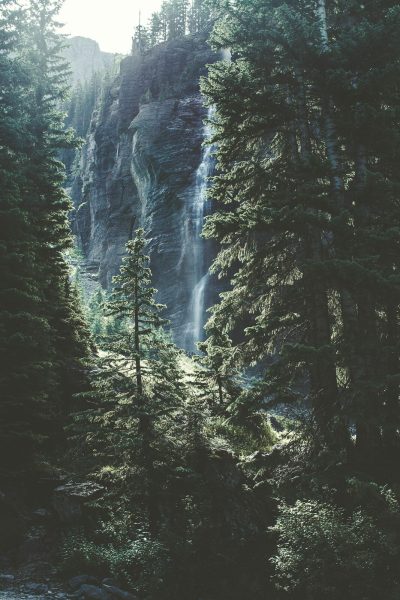
There’s a particular quality to the air in early autumn that I’ve always loved. It’s not just the crispness or the smell of fallen leaves—it’s a feeling of settling, a gentle downward pull that invites us to slow our pace and root ourselves. In Traditional Chinese Medicine (TCM), this isn’t just a poetic notion; it’s a fundamental principle of living in harmony with the seasons. The autumn season is governed by the Metal element, which is associated with the Lung and Large Intestine organ systems. The Lung, in particular, is responsible for what TCM calls the “descending function”—the ability to take in the pure (oxygen, inspiration) and let go of the impure (carbon dioxide, grief, what no longer serves us). When this function is balanced, we feel grounded, clear, and resilient. When it’s not, we might experience anxiety, shallow breathing, dry skin, or a feeling of being unmoored.
- Why Autumn Demands Grounding: The Metal Element and the "Descending Qi"
- The Anatomy of an Autumn Grounding Walk: More Than Just a Stroll
- The Science and Tradition Behind the Walk: Why It Works
- Deepening the Practice: Integrating Autumn’s Healing Foods and Herbs
- Beyond the Walk: Creating an Autumn Grounding Ritual
- Recommended Products for Your Autumn Practice
Why Autumn Demands Grounding: The Metal Element and the “Descending Qi”
In the Huangdi Neijing (The Yellow Emperor’s Classic of Internal Medicine), the foundational text of TCM written over two millennia ago, it states: “The three months of autumn are called the period of ‘taking in.’ The qi of heaven becomes urgent, the qi of earth becomes bright.” This “taking in” is the essence of autumn grounding. After the expansive, outward energy of summer (governed by the Fire element), autumn calls for a conscious turning inward. The Metal element’s energy is about refinement, boundaries, and the essential process of letting go to create space for the new.
Think of a tree in autumn. It doesn’t fight the changing season. It gracefully draws its energy inward, down into its roots, conserving its vital essence for the winter ahead. Our bodies are meant to do the same. The practice of “autumn grounding” in TCM is a direct support for this natural process. It’s not about forcing stillness, but about facilitating the body’s innate wisdom to settle. A simple, mindful walk is one of the most effective and accessible ways to do this. It combines gentle movement, breath awareness, and a connection to the earth—hitting all the key points for supporting the Lung qi’s descending function.
“When the Metal element is in balance, one possesses a sense of self-worth, healthy boundaries, and the ability to let go of grief and sadness. The breath is deep, the skin is supple, and the spirit is clear.”
— Classical TCM Principle, derived from Five Element Theory
The Anatomy of an Autumn Grounding Walk: More Than Just a Stroll
This isn’t your typical power walk or a distracted amble while scrolling your phone. The 10-Minute TCM Walk is a deliberate, sensory-rich practice designed to synchronize your internal rhythm with the external season. It’s a moving meditation. The goal is to consciously engage the Metal element’s qualities: clarity, depth, and release. You are literally walking the energy downward through your body and into the earth.
Here is the step-by-step guide to your daily practice:
- Timing & Setting (The First 2 Minutes): Ideally, practice in the morning between 7-9 AM (the “Stomach time” in the TCM organ clock, which supports grounding through nourishment) or in the late afternoon between 3-5 PM (“Bladder time,” associated with the Water element and storage, complementing the Metal’s descent). Find a patch of earth—a grassy park, a garden, a quiet path with soil. If you must use pavement, visualize the connection through the soles of your feet. Stand still, feet hip-width apart.
- The Breath of Release (Minutes 3-4): Place one hand on your lower abdomen (the dantian, your energetic center). Inhale slowly through your nose for a count of 4, feeling your belly expand. Exhale slowly through your mouth for a count of 6, making a soft “haaa” sound. As you exhale, consciously release tension from your shoulders, jaw, and the space between your eyebrows. Do this 5-7 times. This is the “letting go” breath of the Metal element.
- The Grounded Walk (Minutes 5-9): Begin to walk at a pace about 30% slower than your normal speed. The focus is on three anchors: 1. Foot Connection: Feel the entire sole of your foot—heel, ball, toes—press into the ground with each step. Imagine roots growing from your feet into the earth. 2. Vertical Alignment: Keep your spine long, crown of your head gently lifted toward the sky, creating a sensation of being “plumb-lined” between heaven and earth. 3. Sensory Awareness: Notice the temperature of the air on your skin, the smell of autumn leaves or damp earth, the sound of your footsteps. Don’t judge, just observe.
- The Integration Pause (Minute 10): Stop walking. Stand still again. Place both hands over your lower abdomen. Take 3 final deep breaths, feeling your feet firmly planted. Acknowledge the energy you’ve cultivated—rooted, calm, clear. Carry this feeling with you as you move into your day.
The Science and Tradition Behind the Walk: Why It Works
This practice isn’t just folklore; it’s supported by both classical wisdom and modern research. The slow, intentional movement and breathwork directly engage the parasympathetic nervous system, our “rest and digest” state. A 2015 study published in Frontiers in Psychology found that mindful walking in nature significantly reduced cortisol levels and improved mood compared to walking without mindfulness. The emphasis on exhaling longer than inhaling is a well-documented technique for stimulating the vagus nerve, which promotes relaxation.
From the TCM perspective, the walk is a form of qigong (energy work). The slow, deliberate steps and focused breath help to gather and guide qi (vital energy). Specifically, it helps to correct a common autumn imbalance: rebellious Lung qi. When the Lung’s descending function is impaired, qi can “rebel” upward, causing symptoms like anxiety, a tight chest, or a nagging cough. The grounding walk encourages the qi to flow downward, restoring the natural order. The Huangdi Neijing advises: “In autumn, one should go to bed early and rise early, rise with the rooster. The mind should be at peace, to moderate the punishment of autumn’s killing qi.” This walk is the perfect embodiment of that advice—calming the mind and harmonizing with the season’s sharp, contracting energy.

Deepening the Practice: Integrating Autumn’s Healing Foods and Herbs
A 10-minute walk is a powerful anchor, but its effects are amplified when supported by the right nourishment. Autumn in TCM is the time to eat foods that are white and moistening to support the Lung and Large Intestine. These organs are vulnerable to the dryness that characterizes the season. Here is a practical table of foods to incorporate into your diet to complement your grounding practice.
| Food/Herb | TCM Properties | Simple Autumn Preparation | Modern Benefit Link |
|---|---|---|---|
| Asian Pear (Pyrus pyrifolia) | Sweet, cool. Moistens Lungs, resolves phlegm. | Stew 1 peeled, cored pear with 3g of chuan bei mu (Fritillaria cirrhosa) bulb and a small piece of rock sugar for 40 min. Eat warm. | High in fiber and antioxidants; hydration support. |
| White Fungus (Tremella fuciformis) | Sweet, neutral. Nourishes Yin, moistens dryness. | Soak 1 dried fungus, simmer with 5 red dates (hong zao) and goji berries (gou qi zi) in water for 1 hour until gelatinous. Sweeten lightly. | Contains polysaccharides studied for skin health and immune modulation. |
| Lily Bulb (Bai He, Lilium brownii) | Sweet, slightly cool. Moistens Lungs, calms the spirit. | Add 15g dried lily bulb to a chicken or vegetable broth in the last 20 minutes of cooking. | Traditional use for anxiety and insomnia; some research on neuroprotective effects. |
| Sweet Rice (Nuo Mi) | Sweet, warm. Strengthens Spleen and Stomach, provides grounding energy. | Cook a congee (rice porridge) with ½ cup sweet rice, 1 sliced ginger root, and a pinch of salt. Simmer for 1.5 hours. | Easily digestible carbohydrate source for sustained energy. |
| Almonds (Prunus dulcis) | Sweet, neutral. Moistens Lungs, relieves cough. | Soak 10 almonds overnight. Blend with 1 cup of water, strain, and gently heat with a drop of honey for a soothing “milk.” | Healthy fats and vitamin E for skin and cardiovascular health. |
My grandmother would make a simple soup every autumn without fail: a few chicken bones, a handful of huai shan yao (Chinese yam, Dioscorea opposita), some goji berries, and a couple of dried longan fruits. She’d say it was to “build the foundation before winter.” Now I understand—it was a perfect blend of grounding (yam), nourishing (longan), and clarifying (goji) foods to support the Metal element. The yam, in particular, is a cornerstone TCM herb for strengthening the Spleen and Kidneys, our root energy systems.
Beyond the Walk: Creating an Autumn Grounding Ritual
The 10-minute walk is your daily anchor. To fully embrace autumn’s grounding energy, weave these complementary practices into your week:
- Evening Foot Soak: Before bed, soak your feet in a basin of warm water (around 40°C/104°F) with 1/4 cup of Epsom salts and 5 drops of cedarwood (Cedrus atlantica) or frankincense (Boswellia carterii) essential oil for 15 minutes. The feet are the terminal points of many meridians, including the Kidney channel (our root). This practice draws energy downward and promotes deep sleep.
- Breathwork for Letting Go: Practice the “Metal Element Breath” for 5 minutes at your desk. Inhale for 4 counts, hold for 2, exhale for 8 counts while silently repeating the word “release.” This directly trains the Lung’s descending function.
- Mindful Decluttering: The Large Intestine is about letting go of waste. Spend 15 minutes on a weekend clearing one small area—a drawer, your desktop, your email inbox. The physical act of letting go supports the energetic process.
- Journaling Prompt: Answer this question in a notebook: “What am I ready to release this autumn to make space for new growth?” The Metal element is about discernment and refinement.
Recommended Products for Your Autumn Practice
- Grounding Essential Oil Blend: Look for a blend containing cedarwood, vetiver, and frankincense. These earthy, resinous scents are traditionally used to anchor the spirit and calm the mind.
- Insulated Tea Tumbler: A double-walled glass or stainless steel tumbler is perfect for carrying your warming autumn tea (try a blend of ginger, cinnamon, and dried tangerine peel) on your walk.
- Acupressure Mat: For days when you can’t get outside, lying on an acupressure mat for 10 minutes can stimulate the Bladder meridian (which runs down the entire back) and promote a similar grounding, downward energy flow.
Common Questions
What if I live in a city and have no access to grass or soil?
The intention is key. You can practice on a quiet sidewalk or even in your apartment. Before you begin, consciously set the intention to connect with the earth beneath the concrete. Visualize your feet sinking through the pavement into the rich, cool soil below. The qigong principle of “yi dao qi dao” (where the mind goes, the energy follows) is powerful here. Your focused visualization can create a tangible energetic effect. Some practitioners also recommend placing a small, smooth stone in your pocket to hold as a tactile reminder of the earth’s stability.
Can I do this walk in the evening? Is there a best time?
Absolutely. While the morning time (7-9 AM) is traditionally favored for its grounding, nourishing energy, the late afternoon (3-5 PM) is also excellent as it aligns with the Bladder meridian’s time for storage and consolidation. An evening walk can be wonderful for releasing the day’s stress, but be mindful not to do it too close to bedtime (within 90 minutes) as the gentle movement and sensory engagement can be mildly stimulating for some. The most important factor is consistency—choose a time that you can realistically stick to most days.
I feel dizzy or ungrounded after the walk. What might I be doing wrong?
This is a valuable signal from your body. It often means you are trying to “force” the grounding, perhaps by concentrating too intensely or holding tension in your effort to focus. The practice should feel effortless and spacious. Try these adjustments: 1. Soften your gaze—look gently at the ground a few feet ahead rather than staring intensely. 2. Let go of the “doing” and simply “be” with the sensations of walking. 3. Ensure you are breathing naturally; don’t force the breath counts if they feel strained. 4. If dizziness persists, it may be a sign of underlying Qi or Blood deficiency in TCM terms. Consider consulting with a licensed acupuncturist or TCM practitioner for a personalized assessment. This is not a substitute for medical advice.
The bottom line: Autumn grounding through a simple, mindful 10-minute walk is a profound act of seasonal alignment in Traditional Chinese Medicine. It supports the Lung’s descending function, calms the nervous system, and fosters a sense of stability and clarity as the world around us contracts and turns inward. By pairing this daily walk with moistening, white foods and complementary rituals, you actively participate in nature’s rhythm, building a resilient foundation for the winter months ahead. It’s a small investment of time for a significant return in balance and well-being.
About the Author
Yu Xi Zhang grew up in a Chinese household where traditional wellness practices were part of daily life. With over 15 years of study under licensed TCM practitioners in Beijing and Chengdu, and a certification in TCM nutrition from the Beijing University of Chinese Medicine, she bridges Eastern wisdom with Western wellness in practical, actionable ways. Her writing draws from classical texts like the Huangdi Neijing and modern research to help readers live healthier, more balanced lives.
This article is for educational purposes and reflects traditional wellness perspectives. It is not a substitute for professional medical advice, diagnosis, or treatment.