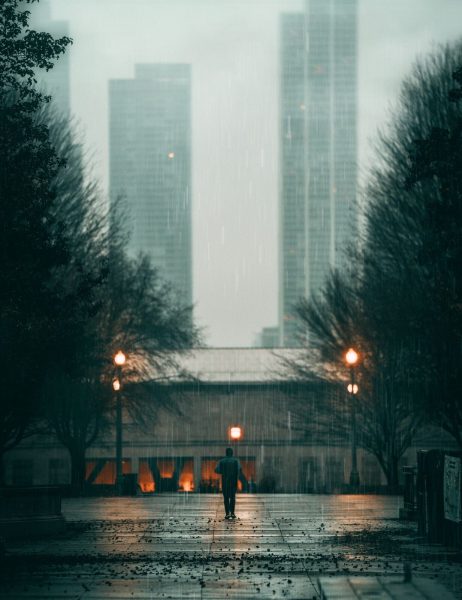
You know the feeling. It’s mid-July, the air is thick and heavy, and even though you’ve been sitting in the shade all afternoon, you feel completely drained. Your body feels sluggish, your mind is foggy, and all you want to do is lie down. We often joke about being “lazy” in the summer, but there’s a profound reason for this deep-seated fatigue. It’s not laziness; it’s your body’s intelligent, ancient response to the season’s demands. In the world of summer fatigue Chinese medicine, this isn’t a problem to be solved with more caffeine, but a signal to be understood and a pattern to be gently rebalanced.
- The Western View: Heat, Stress, and the Biological Cost of Summer
- The Chinese Medicine Perspective: Understanding Summer Fatigue Through Qi and Dampness
- The Root of the Problem: Why Your Spleen Struggles in Summer
- Listening to Your Body: Common Signs of Summer Fatigue in Chinese Medicine
- A Gentle Reset: 5 Practical Strategies to Combat Summer Fatigue
- Common Questions About Summer Fatigue and Chinese Medicine
The Western View: Heat, Stress, and the Biological Cost of Summer
From a modern medical perspective, the fatigue you feel in the heat isn’t imaginary. It’s a cascade of physiological events. Your body’s primary goal in summer is thermoregulation—keeping your core temperature stable. This is a massive energy expenditure.
When the mercury rises, your cardiovascular system goes into overdrive. Your heart pumps faster, and blood vessels near the skin dilate (vasodilation) to release heat. This diverts blood flow away from your core muscles and brain, which can lead to feelings of lightheadedness and exhaustion. You’re also losing vital fluids and electrolytes through sweat, leading to dehydration, which directly impacts energy levels and cognitive function. Think of it as running your body’s internal air conditioner on full blast 24/7—it’s bound to drain the battery.
The Chinese Medicine Perspective: Understanding Summer Fatigue Through Qi and Dampness
This is where Chinese medicine offers a beautifully nuanced and practical lens. In this tradition, summer is associated with the Fire element and the Heart organ system. Fire is expansive, vibrant, and outward-moving. But the unique challenge of summer, especially in humid climates, is the presence of what we call “Dampness” (湿, shī).
Dampness is a pathogenic factor in Chinese medicine, characterized by heaviness, stickiness, and obstruction. It’s the feeling of a muggy, swampy day made internal. The combination of external Heat and Dampness creates a condition called Summer-Heat (暑, shǔ), which is the primary culprit behind summer fatigue. This isn’t just “being hot”; it’s a specific pattern that bogs down your body’s energy systems.
In Chinese medicine, summer fatigue isn’t about a lack of willpower; it’s about your Spleen and Stomach—the digestive system—being overwhelmed by external Dampness and internal Cold from too many iced drinks and raw foods. They lose their ability to efficiently transform food and fluids into usable energy (Qi).
Your Spleen system is responsible for “transforming and transporting” fluids and nutrients. When it’s overtaxed by summer conditions, it becomes “damp” and sluggish. Imagine a factory’s conveyor belt getting clogged with thick mud. The whole production line slows down. This is why symptoms of summer fatigue often include not just tiredness, but also a heavy sensation in the limbs, poor appetite, bloating, and even loose stools.
The Root of the Problem: Why Your Spleen Struggles in Summer
So, what specifically overwhelms the Spleen? It’s a combination of external climate and our modern summer habits.
- External Dampness & Heat: High humidity literally saturates the environment. Your body, in its wisdom, tries to equalize with its surroundings, absorbing some of that dampness. This is why you might feel puffier or heavier in humid weather.
- Internal Cold from Diet: This is a huge, often overlooked factor. We naturally crave cold, refreshing foods in summer: iced coffees, smoothie bowls, salads, and ice cream. While delicious, from a Chinese medicine view, these are “cold” in nature. Pouring cold substances into your digestive system is like throwing a bucket of ice water on a campfire. It dampens the Spleen’s “digestive fire,” making it even less capable of dealing with the external Dampness.
- Overexertion & Irregular Rhythms: Summer is a time for activity, travel, and late nights. We often push our bodies harder, stay up later for social events, and eat at irregular times. All of this depletes our Qi (vital energy) reserves, leaving less fuel for the Spleen to do its job.
Listening to Your Body: Common Signs of Summer Fatigue in Chinese Medicine
How do you know if your fatigue is rooted in this Heat-Dampness pattern? Your body gives very specific clues. It’s helpful to see how these symptoms compare to the fatigue we might feel from the cold of winter.
| Symptom Characteristic | Summer Fatigue (Heat-Dampness Pattern) | Winter Fatigue (Cold-Depletion Pattern) |
|---|---|---|
| Energy Feel | Heavy, sluggish, “weighed down” | Deep, achy, “bone-tired” |
| Mental State | Foggy, “brain fog,” difficulty concentrating | Withdrawn, desire to hibernate |
| Appetite & Digestion | Poor appetite, bloating, nausea, loose stools | May crave warm, rich foods |
| Physical Sensation | Heavy limbs, feeling of fullness in chest/abdomen | Feeling cold, desire for warmth |
| Tongue Appearance | Thick, greasy, or sticky coating (a key diagnostic) | Pale, possibly with tooth marks |
Recognizing this pattern is the first step. The next is learning how to gently clear the Dampness, support your Spleen, and cool the Heat without extinguishing your digestive fire. The good news? You don’t need complex herbal formulas to start. You can begin with simple, powerful shifts in your daily routine and diet.

A Gentle Reset: 5 Practical Strategies to Combat Summer Fatigue
The goal is to work with the season, not against it. Here are five actionable ways to support your body according to the principles of summer fatigue Chinese medicine.
1. Eat for the Season (Room Temperature is Your Friend)
This is the most impactful change you can make. Shift away from ice-cold, raw, and overly greasy foods. Instead, favor:
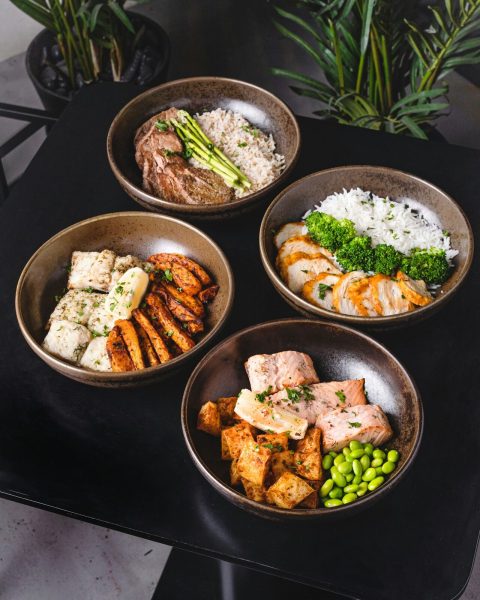
- Room Temperature or Warm Foods: Soups, steamed vegetables, and cooked grains are easier on the Spleen than a giant raw kale salad. A simple congee (rice porridge) in the morning is a classic Spleen-nourishing food.
- Lightly Cooked, Bitter & Green Vegetables: Bitter melon, celery, asparagus, and leafy greens help clear Heat and drain Dampness.
- Mung Bean Soup: A beloved traditional remedy. Mung beans are cooling and help resolve Dampness. Cook them with a little rice until soft, and drink the broth.
- Herbal Teas: Sip on teas like barley tea, roasted buckwheat tea, or chrysanthemum tea throughout the day. They are gently cooling and help clear Dampness.
2. Hydrate Strategically (Not Just More Water)
While staying hydrated is crucial, chugging large amounts of plain water can sometimes add to the feeling of Dampness if your Spleen is weak. Enhance your water with a pinch of sea salt and a squeeze of lemon or lime (which is sour and helps generate fluids without being overly cooling). Sip steadily throughout the day rather than gulping large volumes at once.
3. Adjust Your Movement & Rest
Summer is a time for the Yang energy to be expressed, but it needs to be balanced with Yin rest. Avoid intense, sweat-drenching workouts during the peak heat of the day (10 am – 4 pm). Instead, opt for early morning or evening walks, gentle yoga, Tai Chi, or Qigong. These practices move Qi and help transform Dampness without further depleting you. Crucially, honor the tradition of a short afternoon nap (even 15-20 minutes) if you can. This is a powerful way to nourish the Heart and restore energy.
4. Create a Cool & Dry Environment
Manage your external Dampness. Use a dehumidifier in your home if you live in a humid climate. When using air conditioning, avoid having the cold air blow directly on you, especially while sleeping. This can invade your body with “external cold,” creating another layer of imbalance. A fan is often better as it circulates air without creating a sharp cold draft.
5. Acupressure for Quick Relief
You can give your Spleen and digestive system a direct boost with acupressure.
- Spleen 6 (SP6 – Sān Yīn Jiāo): Located about four finger-widths above the inner ankle bone, on the back of the shin bone. This is a major point to strengthen the Spleen and resolve Dampness. Gently massage for 1-2 minutes on each leg.
- Stomach 36 (ST36 – Zú Sān Lǐ): Found about four finger-widths below the kneecap, one finger-width to the outside of the shin bone. This is the premier point for boosting overall Qi and energy. Massage gently for 1-2 minutes on each leg.
Common Questions About Summer Fatigue and Chinese Medicine
Q: I love iced coffee and cold smoothies. Do I really have to give them up entirely?
A: It’s about moderation and context, not absolute prohibition. The key is to avoid making these the cornerstone of your diet, especially on an empty stomach in the morning. If you have a cold smoothie, try to have it after a light meal of cooked food to buffer the cold. You could also incorporate warming spices like a pinch of ginger or cinnamon into your blend. The goal is to minimize the daily “cold assault” on your digestive fire, not to create stress around food.
Q: Is this summer fatigue different from just being dehydrated or having heat exhaustion?
A: Yes, but they can overlap. Heat exhaustion is a serious medical condition involving heavy sweating, rapid pulse, and nausea, requiring immediate cooling and hydration. The “summer fatigue” we describe in Chinese medicine is a more chronic, low-grade pattern of feeling heavy, foggy, and drained that persists throughout the season. Proper hydration and electrolyte balance are foundational to both, but the Chinese medicine approach adds layers of dietary therapy and lifestyle adjustments to address the underlying Spleen Qi weakness that makes you susceptible to the heat in the first place.
Q: How long does it take to feel a difference with these changes?
A: This is a gentle, nourishing approach, not a quick fix. You may notice subtle shifts within a few days to a week—like less bloating after meals or a slight lift in your afternoon energy. More consistent energy and mental clarity often build over 2-4 weeks of consistent practice. The key is consistency. Think of it as gently clearing a clogged drain; it takes a little time and regular care for the flow to fully restore.
The bottom line: Summer fatigue is a real and intelligent bodily response, not a character flaw. Through the lens of summer fatigue Chinese medicine, we see it as a signal that our Spleen and digestive Qi are overwhelmed by Heat and Dampness. By making thoughtful adjustments to our diet, hydration, movement, and environment, we can work in harmony with the season, transforming that heavy, sluggish feeling into a more sustainable, vibrant summer energy.
This article is for educational purposes and reflects traditional wellness perspectives. It is not a substitute for professional medical advice, diagnosis, or treatment.