One of the most beautiful aspects of TCM is its empowerment of self-care. While acupuncture requires a professional, you can access your body’s own healing pharmacy through acupressure. Applying firm, gentle pressure to specific points can help clear heat, calm the Shen, and restore balance. Here are three powerful points to try when summer anxiety strikes.
- Heart 7 (Shenmen – “Spirit Gate”): This is the master point for calming the spirit. Locate it on the wrist crease, on the little finger side, in the small depression just inside the tendon. Press firmly for 1-3 minutes on each wrist. This point directly nourishes the Heart and settles the Shen, making it ideal for anxiety, insomnia, and palpitations.
- Pericardium 6 (Neiguan – “Inner Gate”): Found two finger-widths up from the wrist crease, between the two tendons on the inner forearm. This is a famous point for calming the mind, relieving chest oppression, and stopping nausea. It’s incredibly effective for that “butterflies in the stomach” feeling that often accompanies anxiety.
- Yintang (“Hall of Impression”): Not on the Heart channel, but a supremely calming point. It’s located right between your eyebrows, at the “third eye.” Gently massage this point in a circular motion for 1-2 minutes. It helps to quiet the mind, relieve headaches, and promote a sense of deep peace. Imagine you are smoothing out the worry lines on your forehead and in your mind.
Practice this simple acupressure routine daily, especially in the evening before bed. It’s a way of telling your nervous system, “It’s okay. The Emperor is safe. We can rest now.”
Eating to Extinguish the Flame: A TCM Cooling Diet
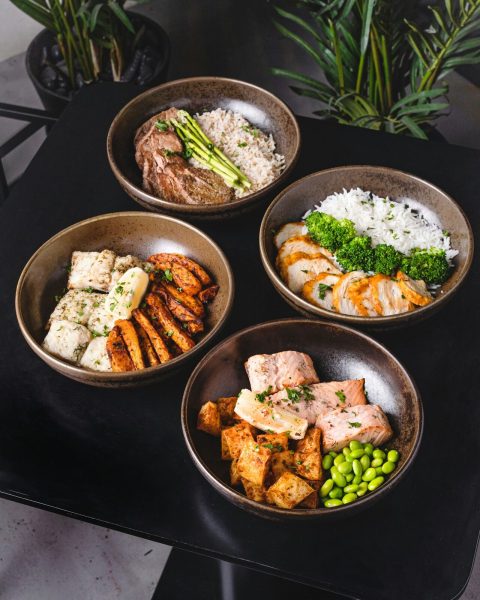
In TCM, food is medicine, and during summer, your plate is your primary tool for managing internal heat. The goal is not to eat cold, raw foods (which can damage the digestive Spleen system), but to incorporate foods that are energetically cooling and moistening. Think of it as adding gentle water to your boiling pot, rather than throwing ice cubes in and cracking the vessel.
Embrace the natural abundance of the season. Bitter melon is a summer superstar in Chinese cuisine, prized for its ability to clear intense summer heat and drain fire. Mung beans are another classic—a simple mung bean soup or porridge is a time-honored remedy for heatstroke and irritability. Cucumber, watermelon, celery, lettuce, and tomatoes are all cooling and hydrating. For fruits, pears are wonderful for moistening the Lungs and clearing heat, which can also calm a dry, anxious cough.
A crucial principle is to minimize “heating” foods. This includes heavily spiced dishes, deep-fried foods, excessive red meat, alcohol, and too much coffee. These all add fuel to the internal fire. Instead, opt for simple steaming, light stir-frying, or making soups and teas. A perfect summer anxiety TCM meal might be a light miso soup with tofu and cucumber, a side of steamed bitter melon with garlic, and a cooling pear for dessert. Hydration is also key, but sip room temperature or warm water throughout the day, rather than gulping large amounts of ice water, which can shock the system.
 herbal tea in a glass cup with chrysanthemum flowers”/>
The Wisdom of Rest: Aligning with Summer’s Rhythm
The ancient text Huangdi Neijing (The Yellow Emperor’s Classic of Internal Medicine) gives surprisingly modern advice for summer: “Retire late and rise early.” This isn’t about burning the candle at both ends. It’s about aligning your sleep cycle with the long days of summer, harnessing the early morning light for gentle activity, and allowing the evening’s relative coolness to be a time of winding down. The classic also advises to “let the mind have no anger” and to “be happy and content.” This is the essence of nurturing the Heart and Shen.
“In the three months of summer, the energies of heaven and earth interact and everything blossoms… Let the mind have no anger… This is the qi of summer, the way of nourishing growth.”
This means actively cultivating joy and managing stress. Avoid overexertion during the hottest part of the day (11 am – 3 pm). Take a gentle walk in the cooler morning or evening. Practice mindful breathing—when you feel anxious, pause. Inhale slowly for a count of 4, hold for 4, and exhale slowly for a count of 6. The longer exhale stimulates the parasympathetic nervous system, your body’s built-in “rest and digest” response. It’s a direct way to cool the nervous system’s “fight or flight” (sympathetic) response, which is often in overdrive during anxiety.
Perhaps most importantly, guard your sleep. The Heart and Shen are nourished by deep, restful sleep. Create a cool, dark bedroom. Turn off screens an hour before bed (the blue light is stimulating and heating). Consider a cooling foot soak before bed—soaking your feet in cool (not icy) water can draw heat downward from the head, a classic TCM technique for insomnia and anxiety. This simple act is a powerful signal to your entire system to begin the process of cooling down and resting.
Sips of Serenity: Herbal Teas to Soothe the Spirit
Tea is a cornerstone of Chinese culture and medicine, and for good reason. It’s a gentle, daily form of herbal therapy. For summer anxiety, you want teas that clear heat, calm the mind, and are pleasant to drink. Here is a simple comparison of three excellent choices you can find at most Asian markets or health food stores.
| Herb | TCM Properties | Best For | Simple Preparation |
|---|---|---|---|
| Chrysanthemum (Ju Hua) | Cools the Liver and Lungs, clears the eyes, calms the mind. | Anxiety with headache, red eyes, irritability, or feeling “heat rising” to the head. | Steep 5-8 flowers in hot water for 5 minutes. Drink plain or with a touch of goji berry. |
| Luo Han Guo (Monk Fruit) | Extremely cooling, moistens the Lungs, clears heat. | Intense summer heat, sore throat, restlessness, and a very “hot” agitation. | Crack a small piece of the dried fruit and simmer in water for 15 minutes for a sweet, dark tea. |
| Suan Zao Ren (Ziziphus Seed) | Nourishes Heart Blood, calms the Shen. | Anxiety specifically tied to insomnia, night sweats, and palpitations from deficiency. | Simmer 10g of seeds in water for 20 minutes. Strain and drink before bed. |
A simple, all-purpose cooling summer tea can be made by combining a few chrysanthemum flowers with a handful of goji berries (Gou Qi Zi). Goji berries nourish the Yin and Blood, providing the “coolant” to balance the clearing action of the chrysanthemum. Sip it throughout the day. This practice is more than hydration; it’s a ritual of self-care, a mindful pause that itself calms the Shen.
Common Questions About Summer Anxiety & TCM
Is summer anxiety just a Western concept, or does TCM really recognize it?
TCM absolutely recognizes it, but through a different lens. For over 2,000 years, TCM has documented patterns of imbalance caused by seasonal changes. The anxiety you feel in summer isn’t seen as a generic “stress” condition, but as a specific pattern often called “Heart Fire” or “Summer-Heat disturbing the Shen.” The treatment principles—clearing heat, calming the spirit, nourishing Yin—are tailored to this seasonal context, making the approach highly specific and effective.
I’m not Chinese. Can I still benefit from these TCM approaches?
Of course! The principles of TCM are based on observing the universal laws of nature and the human body’s response to them. The ideas of heat, cold, balance, and energy flow apply to everyone. The acupressure points are in the same locations on every human body. The dietary suggestions are based on the energetic properties of foods, which are universal. The wisdom is in learning to listen to your body’s signals and responding with gentle, supportive care—a practice that transcends any single culture.
How quickly can I expect to feel a difference using these methods?
This is a journey of gentle recalibration, not a quick fix. You may feel immediate relief from acupressure or a calming tea within minutes. Dietary changes might start to show effects within a few days to a week as you reduce the internal “heat load.” Aligning your lifestyle with the season is the most profound and lasting change, and you may notice a gradual shift in your baseline anxiety levels over several weeks. The key is consistency and patience. You are not just treating a symptom; you are retraining your body to relate to summer’s energy in a more harmonious way.
- Eating to Extinguish the Flame: A TCM Cooling Diet
- The Wisdom of Rest: Aligning with Summer's Rhythm
- Sips of Serenity: Herbal Teas to Soothe the Spirit
- Common Questions About Summer Anxiety & TCM
- The Fire Within: Understanding Summer Anxiety Through the TCM Lens
- The Body's SOS: Signs Your "Heart Fire" Is Blazing
- Your Cooling Toolkit: Acupressure Points to Calm the Mind
- Eating to Extinguish the Flame: A TCM Cooling Diet
- The Wisdom of Rest: Aligning with Summer's Rhythm
- Sips of Serenity: Herbal Teas to Soothe the Spirit
- Common Questions About Summer Anxiety & TCM
The bottom line: Summer anxiety, in the TCM view, is often a sign that the season’s vibrant Fire energy has overwhelmed your system’s capacity to stay cool and calm. By understanding the pattern of Heart Fire, you can use practical tools—acupressure, a cooling diet, mindful rest, and soothing herbal teas—to gently extinguish the flames and soothe your spirit. It’s about working with the season’s energy, not fighting it, to find your own steady, cool flow.
This article is for educational purposes and reflects traditional wellness perspectives. It is not a substitute for professional medical advice, diagnosis, or treatment.
There is a particular kind of restlessness that settles in when the days grow long and the air grows thick. You might know the feeling—a low hum of irritability, a racing mind that seems to mirror the frantic energy of cicadas, or a sense of being completely overwhelmed by a schedule that should, in theory, feel more relaxed. We often attribute this to simply “not handling the heat well,” but Traditional Chinese Medicine (TCM) offers a much deeper, more poetic, and ultimately more practical explanation. In the TCM worldview, summer is not just a season of warmth; it is a season of maximum Yang energy, a time of expansion, joy, and the heart. When that vibrant energy becomes too much, or when our internal reserves are too depleted to meet it, the result is often a very specific kind of summer anxiety. This isn’t just “in your head”—it’s a reflection of your body’s energetic state, and learning to work with it, rather than against it, is the key to finding your cool.
The Fire Within: Understanding Summer Anxiety Through the TCM Lens
In TCM, each season is associated with a specific element, organ system, and emotional quality. Summer belongs to the Fire element, and its corresponding organ is the Heart (Xin). The Heart, in this tradition, is far more than a pump. It is considered the “Emperor” of all organs, the seat of our consciousness, our spirit (called the Shen), and our deepest sense of joy and connection. When the Heart is balanced, we feel calm, clear-minded, and joyful. When it is imbalanced, the Shen becomes “disturbed,” leading to symptoms we recognize as anxiety, insomnia, palpitations, and restlessness.
Summer, with its intense Yang energy, naturally stokes the Fire element. For some, this is a time of vibrant energy and social connection. But for many others, this external heat can easily become too much. Imagine your body as a garden. The summer sun is necessary for growth, but without adequate water and shade, the plants will wither and burn. Similarly, if our internal “cooling” and “nourishing” systems (governed by the Yin aspect of our being) are weak, the external summer heat can easily invade or exacerbate an internal imbalance.
Chat with Me, our AI wellness guide — get personalized TCM advice instantly.
This is where the specific pattern of summer anxiety TCM practitioners see most often comes into play: Heart Fire Flaring Up (Xin Huo Shang Yan). This isn’t just metaphorical. It describes a state where the heat from the environment or from our own overactive lifestyle (think: late nights, spicy food, overwork, emotional turmoil) rises to disturb the Heart and the Shen. The result is a mind that feels like a pot of boiling water—constantly bubbling with worries, unable to settle. You might feel a sense of inner heat, a red face, bitter taste in your mouth, vivid dreams, or a tongue with a red tip. Understanding this pattern is the first step to cooling it down, the TCM way.
The Body’s SOS: Signs Your “Heart Fire” Is Blazing
So, how do you know if your anxiety is rooted in this TCM pattern? While a formal diagnosis requires a practitioner, your body offers clear clues. The symptoms of Heart Fire are a direct reflection of its function as the ruler of the mind and spirit. Think of it as your body’s internal alarm system saying, “Too much heat! The Emperor is overwhelmed!”
The most telling signs are mental and emotional. A persistent feeling of anxiety that feels hot and agitated, rather than cold and fearful, is a hallmark. Your mind might race from one worry to the next, making it impossible to focus. Insomnia is another classic sign, particularly difficulty falling asleep because your mind won’t “turn off,” or waking up in the middle of the night with your heart pounding. You might experience palpitations that seem to come out of nowhere, a physical manifestation of the disturbed Shen.
Physically, the body often shows signs of internal heat. Look in the mirror: a red tip on the tongue is a classic diagnostic sign in TCM. You might have a bitter taste in your mouth, especially in the morning, or mouth ulcers. Your face might feel flushed, and you might have night sweats. Even your dreams can be a clue—vivid, disturbing, or anxious dreams are often a sign the Shen is restless during sleep. Recognizing these patterns isn’t about self-diagnosis; it’s about learning your body’s language so you can respond with the right kind of care.
Your Cooling Toolkit: Acupressure Points to Calm the Mind
One of the most beautiful aspects of TCM is its empowerment of self-care. While acupuncture requires a professional, you can access your body’s own healing pharmacy through acupressure. Applying firm, gentle pressure to specific points can help clear heat, calm the Shen, and restore balance. Here are three powerful points to try when summer anxiety strikes.
- Heart 7 (Shenmen – “Spirit Gate”): This is the master point for calming the spirit. Locate it on the wrist crease, on the little finger side, in the small depression just inside the tendon. Press firmly for 1-3 minutes on each wrist. This point directly nourishes the Heart and settles the Shen, making it ideal for anxiety, insomnia, and palpitations.
- Pericardium 6 (Neiguan – “Inner Gate”): Found two finger-widths up from the wrist crease, between the two tendons on the inner forearm. This is a famous point for calming the mind, relieving chest oppression, and stopping nausea. It’s incredibly effective for that “butterflies in the stomach” feeling that often accompanies anxiety.
- Yintang (“Hall of Impression”): Not on the Heart channel, but a supremely calming point. It’s located right between your eyebrows, at the “third eye.” Gently massage this point in a circular motion for 1-2 minutes. It helps to quiet the mind, relieve headaches, and promote a sense of deep peace. Imagine you are smoothing out the worry lines on your forehead and in your mind.
Practice this simple acupressure routine daily, especially in the evening before bed. It’s a way of telling your nervous system, “It’s okay. The Emperor is safe. We can rest now.”
Eating to Extinguish the Flame: A TCM Cooling Diet
In TCM, food is medicine, and during summer, your plate is your primary tool for managing internal heat. The goal is not to eat cold, raw foods (which can damage the digestive Spleen system), but to incorporate foods that are energetically cooling and moistening. Think of it as adding gentle water to your boiling pot, rather than throwing ice cubes in and cracking the vessel.
Embrace the natural abundance of the season. Bitter melon is a summer superstar in Chinese cuisine, prized for its ability to clear intense summer heat and drain fire. Mung beans are another classic—a simple mung bean soup or porridge is a time-honored remedy for heatstroke and irritability. Cucumber, watermelon, celery, lettuce, and tomatoes are all cooling and hydrating. For fruits, pears are wonderful for moistening the Lungs and clearing heat, which can also calm a dry, anxious cough.
A crucial principle is to minimize “heating” foods. This includes heavily spiced dishes, deep-fried foods, excessive red meat, alcohol, and too much coffee. These all add fuel to the internal fire. Instead, opt for simple steaming, light stir-frying, or making soups and teas. A perfect summer anxiety TCM meal might be a light miso soup with tofu and cucumber, a side of steamed bitter melon with garlic, and a cooling pear for dessert. Hydration is also key, but sip room temperature or warm water throughout the day, rather than gulping large amounts of ice water, which can shock the system.
herbal tea in a glass cup with chrysanthemum flowers”/>The Wisdom of Rest: Aligning with Summer’s Rhythm
The ancient text Huangdi Neijing (The Yellow Emperor’s Classic of Internal Medicine) gives surprisingly modern advice for summer: “Retire late and rise early.” This isn’t about burning the candle at both ends. It’s about aligning your sleep cycle with the long days of summer, harnessing the early morning light for gentle activity, and allowing the evening’s relative coolness to be a time of winding down. The classic also advises to “let the mind have no anger” and to “be happy and content.” This is the essence of nurturing the Heart and Shen.
“In the three months of summer, the energies of heaven and earth interact and everything blossoms… Let the mind have no anger… This is the qi of summer, the way of nourishing growth.”
This means actively cultivating joy and managing stress. Avoid overexertion during the hottest part of the day (11 am – 3 pm). Take a gentle walk in the cooler morning or evening. Practice mindful breathing—when you feel anxious, pause. Inhale slowly for a count of 4, hold for 4, and exhale slowly for a count of 6. The longer exhale stimulates the parasympathetic nervous system, your body’s built-in “rest and digest” response. It’s a direct way to cool the nervous system’s “fight or flight” (sympathetic) response, which is often in overdrive during anxiety.
Perhaps most importantly, guard your sleep. The Heart and Shen are nourished by deep, restful sleep. Create a cool, dark bedroom. Turn off screens an hour before bed (the blue light is stimulating and heating). Consider a cooling foot soak before bed—soaking your feet in cool (not icy) water can draw heat downward from the head, a classic TCM technique for insomnia and anxiety. This simple act is a powerful signal to your entire system to begin the process of cooling down and resting.
Sips of Serenity: Herbal Teas to Soothe the Spirit
Tea is a cornerstone of Chinese culture and medicine, and for good reason. It’s a gentle, daily form of herbal therapy. For summer anxiety, you want teas that clear heat, calm the mind, and are pleasant to drink. Here is a simple comparison of three excellent choices you can find at most Asian markets or health food stores.
| Herb | TCM Properties | Best For | Simple Preparation |
|---|---|---|---|
| Chrysanthemum (Ju Hua) | Cools the Liver and Lungs, clears the eyes, calms the mind. | Anxiety with headache, red eyes, irritability, or feeling “heat rising” to the head. | Steep 5-8 flowers in hot water for 5 minutes. Drink plain or with a touch of goji berry. |
| Luo Han Guo (Monk Fruit) | Extremely cooling, moistens the Lungs, clears heat. | Intense summer heat, sore throat, restlessness, and a very “hot” agitation. | Crack a small piece of the dried fruit and simmer in water for 15 minutes for a sweet, dark tea. |
| Suan Zao Ren (Ziziphus Seed) | Nourishes Heart Blood, calms the Shen. | Anxiety specifically tied to insomnia, night sweats, and palpitations from deficiency. | Simmer 10g of seeds in water for 20 minutes. Strain and drink before bed. |
A simple, all-purpose cooling summer tea can be made by combining a few chrysanthemum flowers with a handful of goji berries (Gou Qi Zi). Goji berries nourish the Yin and Blood, providing the “coolant” to balance the clearing action of the chrysanthemum. Sip it throughout the day. This practice is more than hydration; it’s a ritual of self-care, a mindful pause that itself calms the Shen.
Common Questions About Summer Anxiety & TCM
Is summer anxiety just a Western concept, or does TCM really recognize it?
TCM absolutely recognizes it, but through a different lens. For over 2,000 years, TCM has documented patterns of imbalance caused by seasonal changes. The anxiety you feel in summer isn’t seen as a generic “stress” condition, but as a specific pattern often called “Heart Fire” or “Summer-Heat disturbing the Shen.” The treatment principles—clearing heat, calming the spirit, nourishing Yin—are tailored to this seasonal context, making the approach highly specific and effective.
I’m not Chinese. Can I still benefit from these TCM approaches?
Of course! The principles of TCM are based on observing the universal laws of nature and the human body’s response to them. The ideas of heat, cold, balance, and energy flow apply to everyone. The acupressure points are in the same locations on every human body. The dietary suggestions are based on the energetic properties of foods, which are universal. The wisdom is in learning to listen to your body’s signals and responding with gentle, supportive care—a practice that transcends any single culture.
How quickly can I expect to feel a difference using these methods?
This is a journey of gentle recalibration, not a quick fix. You may feel immediate relief from acupressure or a calming tea within minutes. Dietary changes might start to show effects within a few days to a week as you reduce the internal “heat load.” Aligning your lifestyle with the season is the most profound and lasting change, and you may notice a gradual shift in your baseline anxiety levels over several weeks. The key is consistency and patience. You are not just treating a symptom; you are retraining your body to relate to summer’s energy in a more harmonious way.
The bottom line: Summer anxiety, in the TCM view, is often a sign that the season’s vibrant Fire energy has overwhelmed your system’s capacity to stay cool and calm. By understanding the pattern of Heart Fire, you can use practical tools—acupressure, a cooling diet, mindful rest, and soothing herbal teas—to gently extinguish the flames and soothe your spirit. It’s about working with the season’s energy, not fighting it, to find your own steady, cool flow.
This article is for educational purposes and reflects traditional wellness perspectives. It is not a substitute for professional medical advice, diagnosis, or treatment.