The days are getting longer, the sun is blazing, and you can feel it — that heavy, sticky heat that seems to seep right into your bones. In Traditional Chinese Medicine (TCM), we don’t just say “it’s hot outside.” We talk about summer heat TCM patterns, a specific environmental influence, or “pathogen,” that can wreak havoc on your body if you’re not careful. But here’s the good news: centuries of wisdom give us a beautiful roadmap for not just surviving, but truly thriving during the hottest months of the year. This isn’t about just blasting the air conditioning; it’s about understanding the nature of heat, how it affects your unique constitution, and using food, lifestyle, and simple practices to restore balance from the inside out.
What Exactly is “Summer Heat” in TCM?
In Western terms, we think of summer as a season. In TCM, summer is governed by the Fire element, and its associated climatic factor is Heat. But “Summer Heat” (暑, shǔ) is more than just high temperatures. It’s considered a specific pathogenic factor that arises primarily in the late summer — that humid, dog-days period when the air feels thick and oppressive. Unlike “dry heat,” which you might experience in a desert climate, Summer Heat is almost always accompanied by Dampness (湿, shī). Think of it like a sauna: the intense heat combined with overwhelming moisture creates an environment where it’s hard for your body’s natural cooling mechanisms to work.
When Summer Heat invades, it tends to attack the Lung and Stomach systems first. The Lungs govern the skin and pores, which are our first line of defense for regulating temperature through sweating. The Stomach is the “sea of nourishment” and is easily disrupted by external heat. This is why you might experience symptoms that feel like a summer flu: heavy limbs, fatigue, nausea, lack of appetite, irritability, and a feeling of being “wound up” but too tired to do anything. It’s a uniquely summer kind of exhaustion.
How Do You Know if Summer Heat is Affecting You?
Your body is always giving you signals. In TCM, we learn to listen to them. The symptoms of a Summer Heat pattern are quite distinctive. You might feel a feverish sensation that is worse in the afternoon, or have a heavy, muzzy head as if it’s wrapped in a warm, wet towel. Thirst is common, but interestingly, you might not always want to drink large amounts. Sweating can be profuse but doesn’t bring relief — in fact, it can leave you feeling even more drained.
Other tell-tale signs include:
- Digestive upset: nausea, vomiting, or loose stools.
- Dark, scanty urine (a sign your body is retaining heat and fluids aren’t being processed properly).
- A red face and a sensation of heat in the chest.
- Extreme fatigue and a desire to lie down.
- Irritability and restlessness, or conversely, a feeling of being completely “wiped out.”
It’s important to distinguish this from simple dehydration. While dehydration is a factor, the TCM view of Summer Heat incorporates the systemic disruption of your body’s Qi and fluid metabolism. A person with a strong constitution might only feel mildly sluggish, while someone with underlying Spleen Qi deficiency (a tendency towards fatigue and digestive weakness) might be completely knocked flat.
The TCM Cooling Toolkit: Foods That Dispel Heat
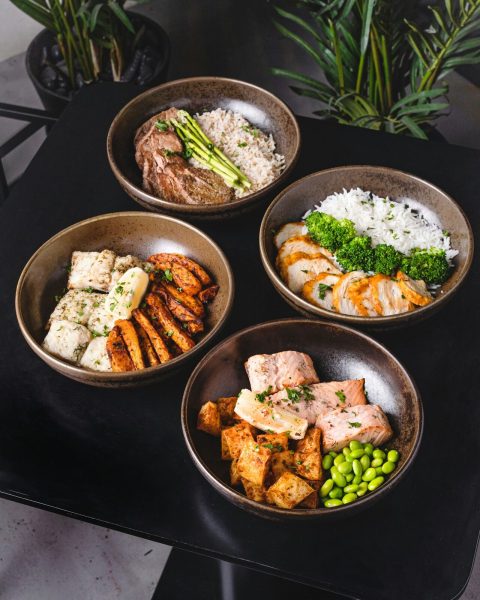
This is where the magic happens. TCM dietary therapy is all about using the energy (temperature) and flavor of foods to correct imbalances. To combat Summer Heat, we want foods that are cool or cold in nature, clear heat, generate fluids, and, when needed, drain dampness. Here is a practical guide to your summer pantry.
| Food | TCM Nature | Key Actions for Summer | Simple How-To |
|---|---|---|---|
| Watermelon | Cold | Clears heat, generates fluids, relieves irritability. The white rind is especially good for reducing edema. | Eat fresh, or blend the rind into a juice with a hint of mint. |
| Mung Beans (绿豆) | Cool | Clears heat and toxins, benefits water metabolism. A legendary summer staple in Chinese culture. | Simmer into a sweet soup (lǜdòu tāng) with a little rock sugar. Serve warm or chilled. |
| Bitter Melon | Cold | Powerfully clears summer heat, drains fire. The bitter flavor directly targets heart and stomach heat. | Stir-fry with a bit of fermented black bean and garlic to balance the bitterness. |
| Cucumber | Cool | Clears heat, promotes body fluids, gentle detoxifier. | Eat raw in salads, or smash with garlic, vinegar, and sesame oil for a classic Chinese side dish. |
| Lotus Root | Cool | Clears heat, soothes the Stomach, stops bleeding. Excellent for summer nosebleeds or agitation. | Juice it raw, or slice and simmer in a light pork bone broth. |
| Chrysanthemum Tea (菊花茶) | Cool | Disperses wind-heat, clears the head and eyes, calms the Liver. | Steep dried flowers in hot water. Add goji berries for extra eye-nourishing benefit. |
| Barley (薏米) | Neutral to Cool | Strongly drains dampness, supports the Spleen. Crucial for that “heavy” feeling. | Toast lightly in a dry pan, then simmer into a tea or porridge. |
“The wise nourish life in harmony with the four seasons. In spring and summer, nourish yang; in autumn and winter, nourish yin.”
— Huangdi Neijing (The Yellow Emperor’s Classic of Internal Medicine)
This quote is often misunderstood. “Nourishing yang” in summer doesn’t mean adding more heat. It means protecting your body’s functional energy from being scorched and depleted by the external environment. Cooling foods are one of the primary ways we do this.
Lifestyle Adjustments: Beyond the Plate
What you eat is crucial, but how you live during the summer months is equally important. TCM is a holistic medicine; it sees the connections between environment, emotion, and physical health.
Embrace the “Lazy” Summer Pace: In the Five Element theory, summer is a time of maximum expansion and outward energy (yang). However, the midday peak (11am-1pm, the Heart time) is when heat is most intense. This is a natural time for rest. Instead of pushing through with caffeine, consider a 20-minute rest or a quiet activity during this window. It honors your Heart, which is the organ most vulnerable to summer heat.
Mind Your Emotions: The Fire element’s emotion is joy, but its imbalance is anxiety and mania. Summer heat can literally “rise to the head,” causing irritability, insomnia, and a frantic mind. Practices like mindful walking in the cooler morning or evening air, gentle stretching, or simply sitting with a cup of cool chrysanthemum tea can help anchor that rising energy.
Sleep with the Season: It’s okay to go to bed a little later and rise a little earlier in the summer, aligning with the longer daylight. But never sacrifice sleep. Quality rest is when your body repairs and generates Yin — the cooling, moistening counterpart to Yang. Without adequate Yin, you become a furnace with no thermostat.
Acupressure Points for Instant Cooling Relief
You don’t need to be an acupuncturist to use these powerful points. Gentle pressure with your fingertip can help clear heat, calm the mind, and restore flow when you’re feeling overheated. Press each point for about 1-2 minutes, breathing deeply.
1. Large Intestine 11 (LI 11 – Qū Chí): This is the master point for clearing heat from the entire body. Bend your elbow, and find the point at the outer end of the elbow crease, in the depression just outside the bony landmark. It’s excellent for fever, irritability, and heat rashes.
2. Heart 8 (HT 8 – Shào Fǔ): Located on your palm. Make a loose fist; the point is where the tip of your pinky finger rests when you do so, between the 4th and 5th metacarpal bones. This point directly clears Heart Fire, calming anxiety, palpitations, and mouth ulcers.
3. Kidney 1 (KI 1 – Yǒng Quán): The “Gushing Spring” point on the sole of your foot, in the depression just below the ball of the foot, about one-third of the way down from the toes. This is a grounding point that draws excess heat and energy downward, out of the head. Fantastic for headaches, insomnia, and a hot, restless feeling at night.
A Simple Summer Heat TCM Routine
Putting it all together doesn’t have to be complicated. Here’s a sample day that integrates these principles:
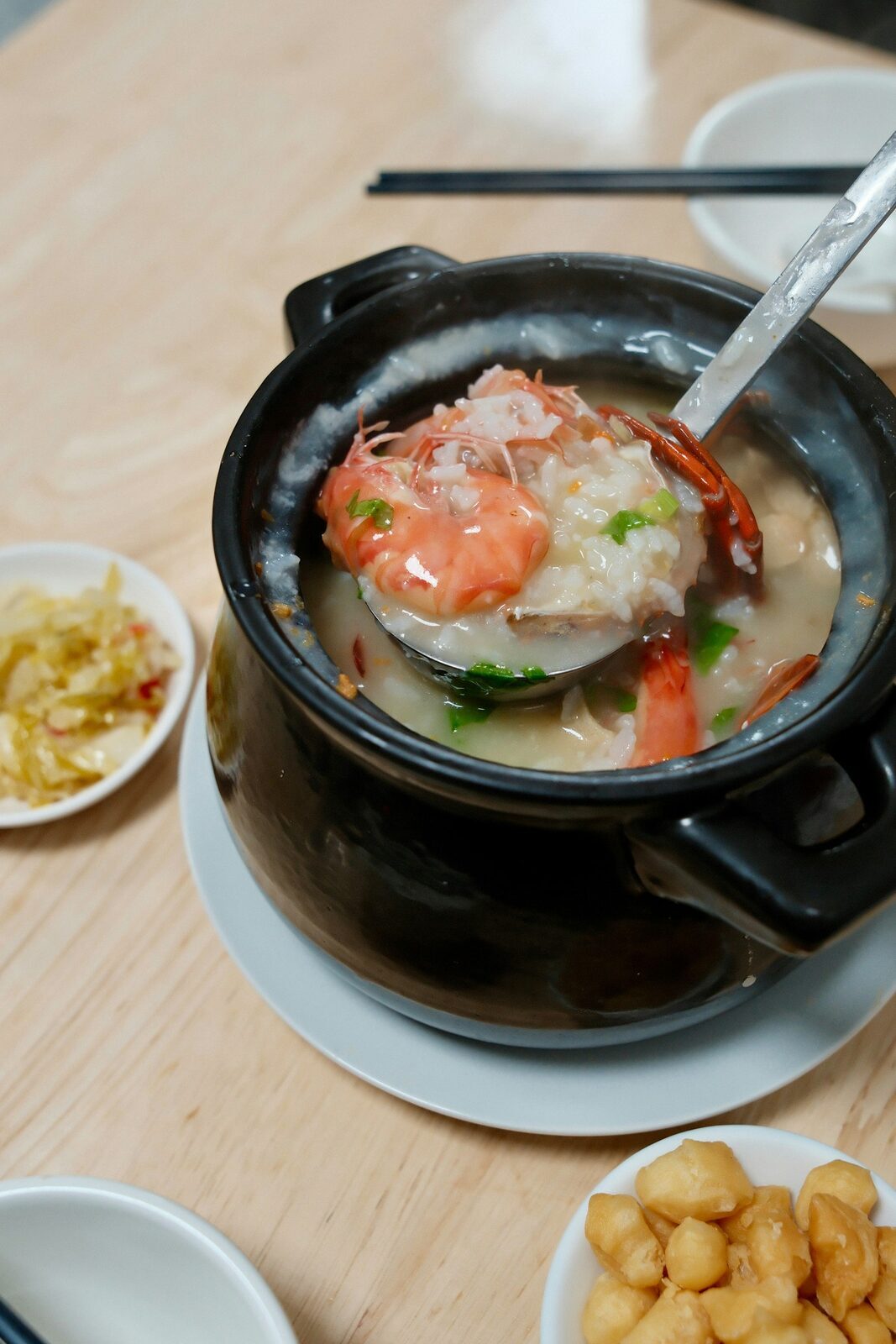
Morning (7-9am): Wake, drink a glass of room-temperature water. For breakfast, have a cooling congee (rice porridge) with a few slices of cucumber and a sprinkle of sesame seeds, or a bowl of mung bean soup from the fridge. Take a 15-minute walk in the gentle morning sun.
Midday (11am-1pm): Avoid heavy, greasy, or spicy food for lunch. A salad with leafy greens, tofu, and a light vinaigrette is perfect. After eating, sit quietly for 10 minutes. If you can, rest your eyes or take a short nap.
Afternoon (3-5pm): This is the Bladder meridian time, ideal for hydration and flushing heat. Sip on chrysanthemum and goji berry tea. If you feel a headache coming on, press LI 11 on both arms.
Evening (7-9pm): Take a walk as the heat subsides. Have a light dinner — perhaps steamed fish with ginger (a small amount of warm spice aids digestion without adding heat) and lotus root soup. An hour before bed, take a cool (not cold) shower or bath with a few drops of peppermint essential oil. Press KI 1 on both feet as you settle into bed.
Common Questions
Isn’t ginger too warming for summer?
This is a great question and shows nuanced thinking! In TCM, we use a little bit of warm, moving energy to support digestion, even in summer. A few slices of fresh ginger in your cooling mung bean soup or with your fish can actually help your Spleen transform and transport fluids, preventing the Dampness that pairs with Summer Heat. The key is moderation. We’re not making ginger tea; we’re using it as a digestive envoy. If you have signs of strong internal heat (red face, severe thirst, constipation), then you would avoid it.
Can I drink iced water to cool down?
From a TCM perspective, this is one of the biggest summer mistakes. While it feels immediately satisfying, iced water congeals and damages the Spleen and Stomach Yang Qi. Your digestive system is like a warm stove; pouring ice on it puts out the fire. This impairs your ability to transform fluids, leading to more Dampness, bloating, and fatigue later. Room temperature or cool (not icy) water is always the better choice. If you must have something cold, let it melt in your mouth before swallowing to temper the shock to your system.
I don’t like bitter melon. What’s the next best vegetable for summer heat?
Not everyone enjoys that potent bitter flavor, and that’s okay! Celery is a wonderful alternative. It’s slightly cool in nature and excellent at clearing heat, calming the Liver (which can get irritable in summer), and promoting urination to drain dampness. Loofah gourd (sī guā) is another fantastic choice — it’s very cooling and great for clearing heat and generating fluids. Even everyday lettuce has a cooling nature. The principle is to favor green, watery vegetables over dense, starchy ones during peak summer.
The bottom line: Summer Heat is a real physiological challenge viewed through the lens of Traditional Chinese Medicine. By understanding its nature — heat combined with dampness — you can proactively support your body with cooling, fluid-generating foods like watermelon and mung beans, mindful lifestyle pacing, simple acupressure, and by avoiding common pitfalls like excessive iced drinks and overexertion. The goal is not to fight the season, but to move with its energy, protecting your inner balance so you can enjoy the vibrant, expansive spirit of summer to its fullest.
This article shares traditional wellness perspectives and personal experience for general interest. It is not professional advice. Please use your own judgment and consult a qualified professional for specific concerns.