Summer arrives, and the world seems to exhale. Days stretch long, shadows grow short, and everything feels a little more alive, a little louder, a little more vibrant. In Traditional Chinese Medicine (TCM), this isn’t just a change in the calendar—it’s a profound shift in the world’s fundamental energy, or qi. Summer is the season of maximum yang energy, the fiery, expansive, active force that drives growth, joy, and connection. But here’s the secret most wellness guides miss: summer isn’t just about using this abundant energy—it’s about learning to harmonize with it. It’s about understanding that the same force that fuels your longest days can also, if mismanaged, lead to burnout, irritability, and a surprising kind of exhaustion. Let’s explore the hidden power of summer qi and how to ride its wave with grace.
What Exactly Is “Summer Qi”?
In the Five Element theory, a cornerstone of TCM, each season corresponds to an element. Summer belongs to Fire. Fire qi is the peak of yang energy—it’s expansive, bright, and upward-moving. Think of the sun at its zenith. This energy governs the Heart organ system (which in TCM includes the mind and consciousness), the emotion of joy, and the capacity for connection and laughter. When your summer qi is balanced, you feel socially open, creatively inspired, and full of joyful vitality. You sleep soundly, your complexion is rosy, and your spirit feels light.
My grandmother had a simple way of describing this. She’d say summer is when “the heart opens like a lotus.” The lotus, a flower that blooms fully in the heat, was her symbol for the Heart’s state in summer—wide open, beautiful, and vulnerable. She warned that just as a lotus needs murky water to grow, our joy needs mindful care to stay healthy. An open heart, she’d say, can also let in too much heat, leading to restlessness and agitation. This is the delicate balance of summer qi.
“The sun, with all those planets revolving around it and dependent on it, can still ripen a grape as if it had nothing else in the universe to do.” — Galileo Galilei. Summer qi reminds us that true power is often found in sustained, focused warmth, not just explosive force.
The Fire Within: How Summer Qi Affects Your Body and Mind
When summer’s external heat meets your internal qi, specific physiological and emotional patterns emerge. Understanding these signals is the first step to working with them.
Body Signs of Balanced vs. Excess Summer Qi:
| Signal | Balanced Summer Qi | Excess or Stagnant Summer Qi |
|---|---|---|
| Sleep | Falls asleep easily, sleeps 7-8 hours, wakes refreshed. | Difficulty falling asleep (mind racing), vivid dreams, waking between 1-3 AM. |
| Complexion | Rosy, glowing, even-toned. | Ruddy, flushed, or blotchy redness, especially on cheeks and nose. |
| Emotions | Joyful, socially engaged, easily amused, emotionally resilient. | Anxious, overstimulated, irritable, or experiencing sudden mood swings. |
| Cognition | Focused, clear-minded, good memory. | “Monkey mind,” scattered thoughts, inability to concentrate. |
| Physical | Cool, comfortable sweating; strong digestion. | Excessive sweating (especially at night), mouth ulcers, heartburn, palpitations. |
A key concept here is “Heart Fire.” This is a TCM term for when the Heart system becomes overstimulated. Imagine your Heart as a campfire. In balance, it provides warmth and light (joy and clarity). When excess summer heat—both from the environment and from our own overactivity—piles on too much wood, the fire blazes out of control. This manifests as the “Excess” column above: anxiety, insomnia, irritability. The goal isn’t to put out the fire, but to tend it wisely.
 qi energy“/>
Nourishing the Flame: Foods and Herbs for Summer Qi
You don’t fight fire with fire. The dietary principle for summer is to nourish Yin to cool and anchor Yang. Yin is the cooling, moistening, quieting energy. Eating yin-nourishing foods helps balance the season’s blazing yang without extinguishing your vitality. This means focusing on foods that are naturally cooling, hydrating, and mildly bitter (bitter foods have a special affinity for clearing Heart Fire in TCM).
Here is your actionable summer food toolkit. Don’t just read this list—incorporate one or two items today.
- Hydrating Fruits & Vegetables (Eat Daily): Watermelon (the ultimate summer qi food—it cools and hydrates), cucumber, celery, bitter melon (a potent Heart Fire clearer), pear, lychee (in moderation, as it’s warming), and all leafy greens, especially bitter ones like dandelion greens and romaine lettuce.
- Cooling Proteins: Mung beans (make a simple mung bean soup: boil 1 cup of dried mung beans in 8 cups of water for 45 minutes, add a pinch of sea salt—this is a classic TCM summer detoxifier), tofu, tempeh, wild-caught fish.
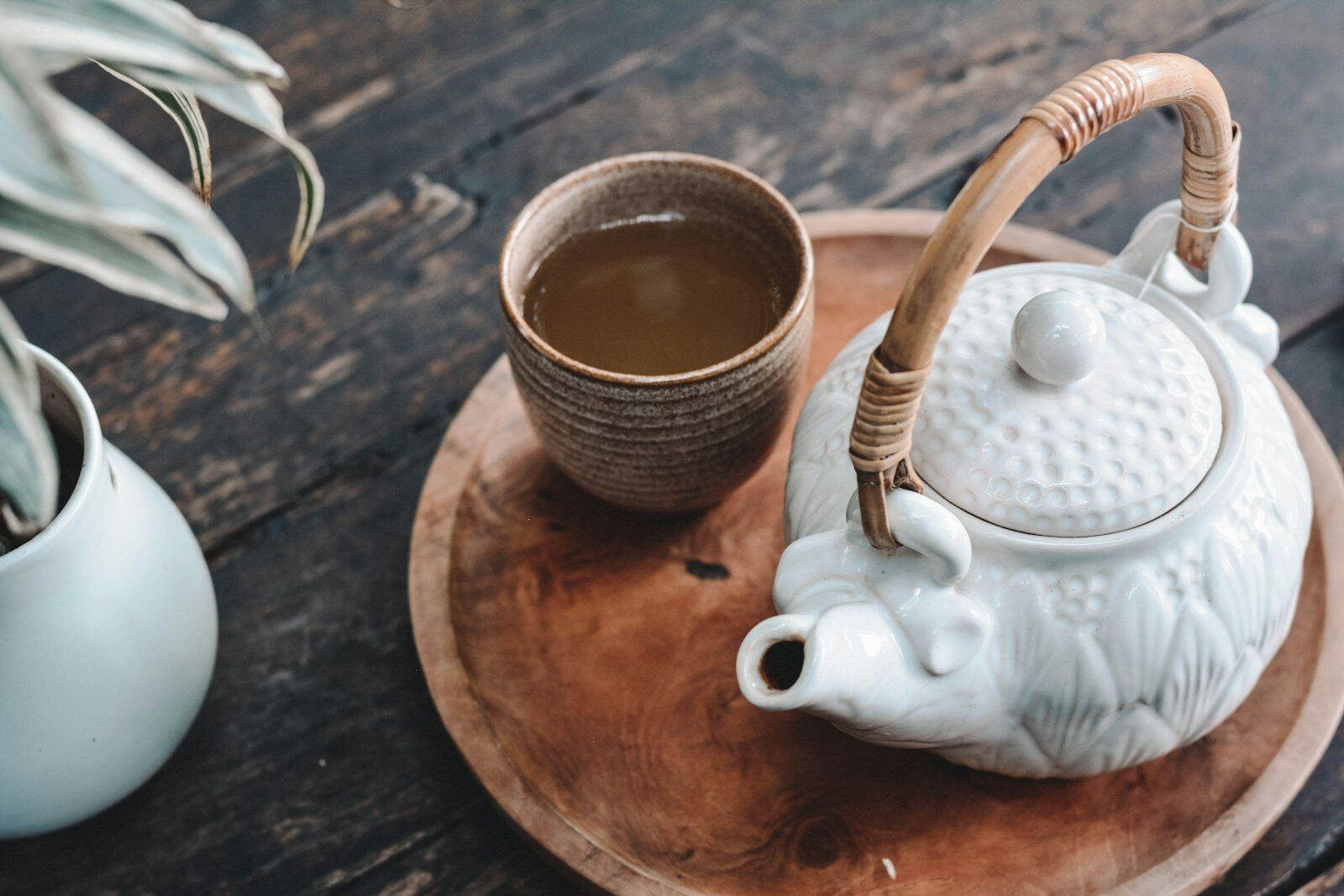
- Herbal Teas (Drink 1-2 cups daily, not ice-cold): Chrysanthemum Tea (Ju Hua): 5-8 flowers steeped in hot water for 5 minutes. Clears heat, brightens eyes. Peppermint Tea: Excellent for releasing trapped summer heat from the surface of the body. Goji Berry & Chrysanthemum Tea: A balanced combo—goji (Lycium barbarum) nourishes Yin while chrysanthemum clears heat.
- Foods to Minimize: Excessive red meat, deep-fried foods, spicy peppers, and alcohol. These are all “hot” in nature and can add fuel to the fire. If you indulge, balance it with a cooling food like a cucumber salad afterward.
Movement in the Heat: Practices to Circulate, Not Deplete
Summer is for movement, but the wrong kind will leave you drained. High-intensity workouts in the midday heat are a recipe for depleting your fluids and scattering your qi. The goal is to circulate qi gently, like a river flowing, not a geyser erupting.
Ideal Summer Movement Schedule:
- Best Times: Early morning (before 10 AM) or early evening (after 6 PM). Avoid the 11 AM – 3 PM window when yang energy (and UV rays) are most intense.
- Best Practices: Water-based movement is queen in summer. Swimming, aqua aerobics, or even a cool evening walk. The water element directly nourishes Yin and cools the Fire element. Tai Chi or Qigong: These are perfect. Focus on forms that emphasize fluid, continuous motion. The “Swimming Dragon” qigong form is particularly beautiful for summer. Gentle Yoga: Yin Yoga or Restorative Yoga in a cool room. Avoid hot yoga (Bikram) during summer—it’s too depleting for most people.
- A Simple 5-Minute Cooling Qigong: Stand with feet shoulder-width apart. Inhale slowly through your nose as you raise your arms out to the sides and up overhead, palms facing the sky. Imagine drawing cool, blue energy from the earth and water up through your body. Exhale slowly through your mouth as you lower your arms, palms facing down, guiding that cool energy down to your lower abdomen (Dantian). Repeat 6-9 times. Do this outdoors in the morning dew for a powerful reset.
The Heart’s Rhythm: Daily Rituals for a Joyful Summer
Summer qi thrives on rhythm and ritual, not rigid schedules. Your daily routine should be fluid, like the season itself.
Morning (6-8 AM): Wake with the sun if possible. Drink a glass of room-temperature water with a squeeze of lemon and a few slices of cucumber. Spend 10-15 minutes in gentle movement (the qigong practice above) or quiet contemplation outdoors. Eat a light breakfast—a bowl of congee with goji berries or a smoothie with spinach, banana, and coconut water.
Midday (11 AM – 1 PM): This is the Heart’s peak time according to the TCM organ clock. It’s crucial to take a break. Eat a balanced lunch (include a bitter green like arugula in your salad). If you can, take a 20-minute power nap or simply sit quietly with your eyes closed. Avoid heavy meetings or intense decisions during this time.
Evening (6-8 PM): Engage socially—summer is for connection. Have dinner with family or friends. Keep the meal light and cool: a big salad, grilled fish, and mung bean soup. After dinner, take a leisurely walk. This is a beautiful time to practice “walking meditation,” feeling the evening air and listening to the sounds of summer.
Night (9-11 PM): Begin to wind down. The goal is to transition from the peak yang of midday to the yin of night. Dim the lights. Avoid screens for at least an hour before bed. Take a cool (not cold) shower or bath. Practice a simple breathing exercise: 4-7-8 Breathing. Inhale through your nose for 4 counts, hold for 7 counts, exhale slowly through your mouth for 8 counts. Repeat 4 times. This powerfully calms the nervous system and cools Heart Fire.
Common Questions About Summer Qi
1. I love summer, but I often get headaches and feel irritable in the heat. Is this related to summer qi?
Absolutely. What you’re describing is a classic sign of Heart Fire flaring upward. The heat from the environment (external yang) combines with your internal energy and rises to the head. Think of a pot of water boiling over. The immediate action is to cool and descend that energy. Try this: Place a cool, damp cloth on the back of your neck (the “Wind Gate” in TCM) and the inside of your wrists. Sip on peppermint tea. In the longer term, incorporate the bitter, cooling foods mentioned above, and prioritize getting to bed before 11 PM—the time when Yin energy begins to build and can naturally cool the system.
2. I work in an air-conditioned office all day. Does that affect my summer qi?
Yes, and it’s a modern paradox. Constant air conditioning creates an artificial, extreme Yin (cold) environment. Your body’s yang qi, which should be expressed and circulating in summer, gets trapped and can’t move properly. This can lead to a strange mix of symptoms: feeling chilly indoors but getting headaches or skin breakouts when you step outside. The solution is contrast and mindful transition. Keep a light cardigan at your desk. Every 90 minutes, step outside for 5-10 minutes to let your body adjust to the natural temperature. Practice the “Cooling Qigong” movement I described earlier when you return. This helps your qi adapt rather than fight the constant shifts.
3. Is it true I should avoid ice water in summer? That seems counterintuitive.
This is one of the most powerful—and counterintuitive—lessons from TCM. Yes, ice water can be harmful in summer. Here’s why: When you’re hot, your body’s yang qi is already at the surface, trying to dissipate heat through sweat. Drinking ice water is like throwing a bucket of cold water on a campfire—it doesn’t just cool the flames, it can “dampen” the entire digestive fire (your Spleen and Stomach qi in TCM terms). This can lead to bloating, fatigue, and even more heat later as your body works overtime to warm itself back up. Instead, drink cool or room-temperature fluids. If you need a stronger cooling effect, make a “cooling infusion”: add a few slices of cucumber, a sprig of mint, and a squeeze of lime to a pitcher of water and let it sit for an hour. It’s refreshing without the shock to your system.
The bottom line: Summer qi is your annual invitation to live with more joy, connection, and vibrant energy. The secret to harnessing it isn’t to push harder, but to harmonize wisely. By eating cooling, hydrating foods, moving gently in the cooler hours, and adopting simple rituals that nourish your Heart system, you transform summer’s blazing energy from a potential source of burnout into a wellspring of sustainable vitality. Let the fire warm you, not consume you.
This article is for educational purposes and reflects traditional wellness perspectives. It is not a substitute for professional medical advice, diagnosis, or treatment.