There is a quiet contradiction that visits us every summer. As the days stretch long and golden, filling our calendars with barbecues, beach trips, and late-evening light, a strange fatigue can creep in. You feel it most in the mid-afternoon slump that hits harder than it ever did in winter, or in the heavy, restless sleep on even the coolest nights. You might think, “I’m getting so much sun, so much activity—I should be brimming with energy.” Yet you feel strangely drained. This isn’t a failure of your body; it’s a fundamental principle of how life energy, or qi, interacts with the natural world. It’s the summer qi paradox.
What Exactly Is Qi? A Simple Explanation
Before we understand why summer drains us, let’s demystify qi (pronounced “chee”). In Traditional Chinese Medicine (TCM), qi is the vital life force that flows through all living things. Think of it as your body’s internal battery pack and its electrical grid combined. It powers every function—from digesting your lunch to thinking through a problem, from pumping your heart to walking up a flight of stairs. Qi is not some mystical ether; it’s a practical framework for understanding vitality.
This energy isn’t static. It has a natural, daily and seasonal rhythm. In the morning, qi rises to the surface to help you wake up and engage with the world. By evening, it sinks inward to help you rest and repair. Similarly, each season has a dominant energetic quality. Spring is expansive and rising. Autumn is contracting and inward. Winter is deeply stored and quiet. And summer? Summer is fully expressed, expansive, and outward.
My grandmother, who grew up in Guangdong, had a saying for the hottest days: “Re qi chong nao” — “The hot qi rushes to the head.” She wasn’t being poetic. She was describing a tangible physiological shift. The intense heat of summer causes our qi to disperse outward and upward toward the skin and head to help regulate temperature. This leaves the core organs—the digestive system and the deep reserves—relatively depleted. It’s like running all the appliances in your house at full blast while leaving the main battery unplugged. You’re active on the surface, but the deep reserves are running down.
“In summer, the qi of heaven and earth are in full bloom. One should let the mind be joyful, and let the qi be released. One should let the spirits be in accord with the long days… This is the way to nourish the qi of the long summer.”
— Huangdi Neijing (The Yellow Emperor’s Classic of Internal Medicine)
The Mechanism: How Heat Specifically Depletes Your Qi
Let’s get specific about the summer qi depletion process. It’s not just “feeling tired.” There are clear, interconnected mechanisms at work.
1. The Sweat Factor: Qi and fluids are intimately connected. In TCM, we say “qi follows the fluids.” When you sweat profusely—which is the body’s intelligent, cooling response—you don’t just lose water and electrolytes. You lose a portion of the qi that was “holding” those fluids in place. This is why heavy summer sweating often leads to fatigue, shortness of breath, and a feeling of being “spaced out.” It’s a direct qi loss through fluid loss.
2. The Digestive Drain: Your spleen and stomach (the primary digestive organs in TCM) are most active in transforming food and drink into usable energy. However, they function best in a warm, stable environment. When you introduce large amounts of cold, raw foods and icy drinks—the very things you crave in the heat—you force your digestive system to use its precious qi as a heater first, just to get digestion started. This is like asking your car’s engine to first warm up the frozen gasoline before it can run. The energy cost is high, leading to bloating, sluggishness, and that post-meal summer coma.
3. The Restless Heart: In TCM, summer is associated with the Fire element and the Heart organ system (which includes the mind and spirit, or shen). The heat can agitate the Heart, leading to a mind that feels restless, anxious, or overstimulated, even if you’re physically tired. This constant low-grade mental agitation is incredibly draining. It’s the feeling of being too tired to sleep, your mind buzzing like a cicada on a hot night. You burn through qi trying to calm the inner noise.
Signs Your Summer Qi Is Running Low
How do you know if you’re experiencing this paradox? Look for these specific signs. It’s more than just general tiredness.
| Category | Specific Signs of Summer Qi Depletion |
|---|---|
| Physical Energy | Afternoon fatigue (especially 3-5 PM, the “qi slump”); heavy limbs; waking up unrefreshed despite sleeping 7-8 hours; shortness of breath on minimal exertion (like climbing stairs). |
| Digestion | Loss of appetite or craving only cold, sweet foods; bloating after meals; loose stools; a feeling of food just “sitting” in your stomach. |
| Mind & Mood | Difficulty concentrating; mental fog; feeling easily overwhelmed or irritated; a subtle sense of anxiety or restlessness. |
| Appearance | Pale, puffy face, especially in the morning; lack of luster in the skin; a tongue that is pale, puffy, and may have tooth marks on the sides. |
If you tick several boxes, you’re not lazy or unfit. You’re simply living out of sync with the season’s demands. The good news is, the solution is not to avoid summer, but to learn how to navigate its unique energy with wisdom.

The Counterintuitive Summer Recharge Plan
Here is the core of the paradox: to keep your energy up in summer, you must deliberately schedule coolness, quiet, and inward focus. It’s not about doing less, but about doing differently. Think of it as strategic recharging. Instead of pushing through with caffeine and late nights, you work with the season’s energy.
1. Eat to Build Qi, Not Just to Cool Down.
This is the most actionable shift. Move away from a diet dominated by raw salads, ice cream, and iced drinks. Instead, focus on warm, cooked, easy-to-digest foods that tonify qi.
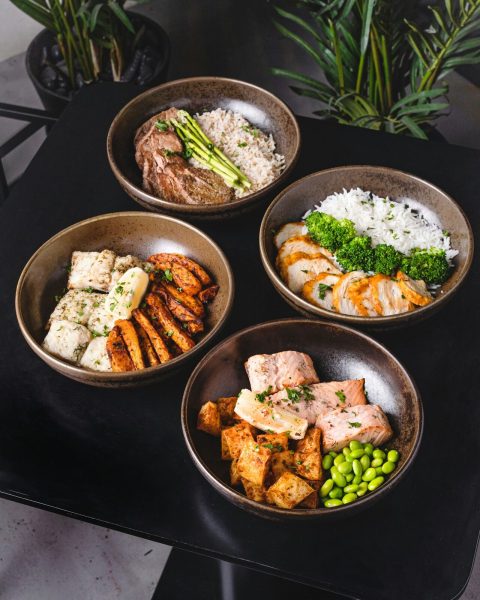
- The Qi-Building Summer Bowl: Think congee (rice porridge) with a few slices of ginger, shredded chicken, and a handful of chopped cilantro. Or a simple soup of mung beans (a cooling bean that also clears heat) with a piece of kombu seaweed and a drizzle of sesame oil.
- Specific Qi-Tonifying Foods: Incorporate these daily: Chinese yam (shan yao)—you can find it dried at Asian markets and add it to soups; sweet potatoes; oats; millet; chicken or beef broth; and lentils. These are gentle, warming, and deeply nourishing.
- Drink Strategically: Instead of ice water, sip room-temperature water infused with a few slices of fresh ginger and a jujube date (hong zao). This “ginger-date tea” gently warms the core and supports qi production. For true heat, opt for chrysanthemum tea (ju hua cha)—brew 8-10 dried flowers in hot water. It clears heat from the head and eyes without being harshly cooling.
2. Master the Art of the “Cool Core” Rest.
You need rest, but not just any rest. The goal is to pull energy inward and downward, away from the agitated head and skin.
Try this 15-minute practice between 1 PM and 3 PM (the time of the Heart meridian, when the Fire element is most active):
Lie down on your back in a cool, dark room. Place a cool (not cold) cloth over your forehead and eyes. Place your left hand over your lower abdomen (the dantian, your core energy center, about three finger-widths below your navel). Place your right hand over your heart center in the middle of your chest. Breathe slowly and deeply, imagining your breath traveling from your head, down through your torso, and into your left hand. Feel the cool cloth drawing heat and agitation out of your mind. Do this for 10-15 minutes. It’s a powerful reset that costs nothing but your time.
3. Move Gently, Not Exhaustingly.
High-intensity workouts in the midday sun are a direct recipe for summer qi depletion. Shift your exercise rhythm.
Ideal Summer Movement: Early morning (before 10 AM) or evening (after 7 PM) walks in nature, especially near water. Practice gentle tai chi or qigong—specifically forms like “Eight Pieces of Brocade” (Ba Duan Jin), which are designed to harmonize qi without taxing it. Swimming is excellent, as the water is inherently cooling and supports the body, reducing the qi cost of movement. The key is to finish your activity feeling refreshed and mildly energized, not wiped out and drenched.
The Role of the Spleen: Your Qi Factory in Summer
We must talk about the Spleen. In TCM, the Spleen is the organ system responsible for “transforming and transporting” food and fluids into qi and blood. It’s your body’s primary qi factory. Its partner, the Stomach, receives the food, but the Spleen does the heavy lifting of transformation.
The Spleen’s worst enemy is “Dampness.” Dampness is a pathological factor that arises from a combination of external humidity and internal weakness (often from poor diet). It’s the feeling of heaviness, fog, and stickiness. Summer, with its high humidity and our tendency to consume cold, sweet, greasy foods, creates the perfect storm for Dampness to form.
When Dampness clogs the Spleen, qi production plummets. This is why summer fatigue often has a distinct quality: it’s not just tiredness, it’s heaviness. Your limbs feel like lead. Your head feels wrapped in cotton. Your digestion slows to a crawl.
Therefore, a core strategy for preventing summer qi depletion is to support the Spleen and drain Dampness.
Key Spleen-Supporting Actions:
- Food Therapy: Cook with barley (yi yi ren) and adzuki beans (chi xiao dou). Make a simple soup or congee with them. They are mild, slightly sweet, and powerfully drain Dampness without being harsh. Add a few slices of fresh ginger to every meal.
- Avoid the Spleen’s Enemies: Minimize dairy, greasy/fried foods, excessive sugar, and raw, cold foods. This is non-negotiable if you want energy.
- Acupressure Point: Spleen 6 (SP6) – San Yin Jiao. Find it four finger-widths up from the inner ankle bone, just behind the shin bone. Apply firm, gentle pressure with your thumb for 2-3 minutes on each leg daily. This point strengthens the Spleen and transforms Dampness.
A Day in the Life: Practical Summer Qi Routine
Let’s put it all together. Here’s what a day aligned with summer’s energy might look like.
6:30 AM: Wake with the sun. Drink a cup of warm water, perhaps with a slice of ginger. Do 10-15 minutes of gentle stretching or qigong outdoors if possible.
7:30 AM: Breakfast. A small bowl of warm millet porridge with a few goji berries and a drizzle of honey. Or congee with a soft-boiled egg.
12:30 PM: Lunch is your largest meal. Focus on warm, cooked foods: steamed fish with ginger and scallions, a bowl of brown rice, and plenty of sautéed or steamed greens (like bok choy or spinach).
2:00 PM: The “Cool Core” Rest. 15 minutes with the cool cloth on your forehead and hands on your abdomen and heart.
5:00 PM: A handful of almonds or a few slices of apple if you need a snack. Avoid sugary snacks that spike and crash.
7:00 PM: A light dinner. A clear vegetable soup with tofu and a side of steamed sweet potato. Eat early to allow digestion to complete before bed.
9:00 PM: Begin to wind down. No screens. Take a lukewarm (not hot) shower or bath. Read a physical book. Practice the acupressure point SP6.
10:00 PM: Lights out. Aim to be asleep by 10:30 PM. In summer, the Heart needs this early quiet time to settle its fire.
Common Questions
1. But I love cold drinks and salads! Can I ever have them?
Absolutely. The key is context and moderation. If you’re going to have a cold drink or a raw salad, make it a small portion, and ideally consume it in the middle of the day when your digestive fire (yang qi) is at its peak. Follow it with something warm, like a cup of ginger tea. Never drink ice-cold water when you’re exhausted, overheated, or have just exercised—that’s when the Spleen is most vulnerable. Think of cold foods as an occasional treat, not the foundation of your summer diet.
2. I feel so tired, but also too restless to nap. What should I do?
This is the classic Heart-Fire agitation. Instead of trying to force a sleep, do the “Cool Core” Rest practice described above. The goal is not sleep, but a deliberate inward withdrawal of energy. The cool cloth on the forehead physically helps draw heat down. Placing your hands on your lower abdomen and heart creates a circuit that helps settle the shen (spirit). Even if you don’t sleep, 15 minutes in this position will be more restorative than 30 minutes of tossing and turning.
3. Is it safe to exercise in the summer heat if I follow these tips?
It can be, with major adjustments. The golden rule is to listen to your body’s qi signals, not just your willpower. If you feel dizzy, excessively fatigued, or your heart is pounding wildly, you are overdoing it and causing qi depletion. The best form of summer exercise is one done in the cool of the day (morning or evening), near water if possible, and that finishes with you feeling energized, not drained. Swimming, gentle hiking in shaded areas, and tai chi are ideal. Always hydrate with room-temperature or slightly cool water—never ice water—during and after activity.
The bottom line: Summer’s vibrant energy is a gift, but it comes with a hidden cost to your qi. The paradox of feeling drained by the heat is a real phenomenon, rooted in the body’s need to disperse energy outward and the Spleen’s vulnerability to cold and damp. By making conscious shifts—eating warm, cooked foods, scheduling inward-focused rest, moving gently, and supporting your digestion—you can not only prevent depletion but actually use the summer to build a deep, resilient vitality that carries you into the colder months. It’s about working with nature, not against it.
This article is for educational purposes and reflects traditional wellness perspectives. It is not a substitute for professional medical advice, diagnosis, or treatment.