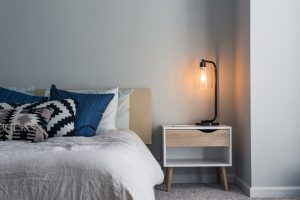
There’s a particular kind of frustration that only a hot summer night can deliver. You’re tired, your eyes are heavy, but the moment you lie down, your body feels like a furnace. The sheets stick to your skin, your mind races with a strange, agitated energy, and sleep feels miles away. If this sounds familiar, you’re not alone. In Traditional Chinese Medicine (TCM), this isn’t just “being too hot”—it’s a specific pattern of internal imbalance that summer’s energy can trigger. The good news? With a few mindful adjustments rooted in centuries of practice, you can teach your body to find its cool, calm center again and reclaim the deep, restorative sleep you deserve. Let’s explore how.
- Why Does Summer Heat Disrupt Our Sleep So Profoundly?
- The TCM Perspective: Understanding Summer's Heat Patterns
- Practical Summer Sleep Hygiene: A TCM-Inspired Checklist
- Cooling Foods and Herbal Allies for the Season
- Acupressure Points to Cool Down Before Bed
- The Role of Mindset: Cooling the "Heart Fire"
- Common Questions About Summer Sleep Hygiene
Why Does Summer Heat Disrupt Our Sleep So Profoundly?
From a modern perspective, we know that our core body temperature needs to drop by about 1-2 degrees Fahrenheit to initiate and maintain sleep. Summer heat, especially when combined with humidity, makes this natural cooling process much harder for our bodies to achieve. But TCM offers a richer, more nuanced map of what’s happening inside us.
In TCM, summer is ruled by the Fire element and is associated with the Heart organ system. The Heart is considered the “Emperor” of all organs, and its primary role is to house the Shen—our spirit or consciousness. For sleep to be peaceful, the Shen must be calm and “rooted” in the Heart blood. Summer’s excessive heat can agitate the Shen, causing it to become “flustered” or ungrounded. Think of it like a monarch in a sweltering throne room—too restless and irritable to allow the kingdom (your body) to rest.
This heat doesn’t just come from the environment. Our modern summer habits—icy drinks, heavy barbecues, intense evening workouts, and late nights under bright lights—can generate internal “damp heat” or deplete the cooling fluids (Yin) our body needs to counterbalance the season’s Yang energy. The result is a perfect storm for insomnia: a body that’s overheated and a mind that’s overstimulated.
The TCM Perspective: Understanding Summer’s Heat Patterns
TCM doesn’t see “summer insomnia” as a single problem. The symptoms you experience can point to different underlying patterns, and your solution should match. Here are the two most common patterns that disrupt summer sleep:
1. Excess Heat (Full Heat Pattern)
This is the most straightforward pattern. It occurs when external heat invades the body or when internal heat builds up from dietary or lifestyle factors. Signs include feeling intensely hot, especially at night, a red face, excessive thirst for cold drinks, irritability, and vivid, disturbed dreams. Your tongue might be red with a yellow coating. This is the body’s system clearly overheating.
2. Yin Deficiency with Empty Heat (Deficiency Heat Pattern)
This is more subtle and very common in people who are chronically stressed, overworked, or have a naturally lean constitution. It’s not that you have too much true heat; it’s that you lack the cooling, moistening Yin fluids to keep your body’s thermostat balanced. The “heat” you feel is a sign of imbalance—a “false heat.” Symptoms include night sweats, a sensation of heat in the palms and soles, a dry mouth at night, and a feeling of restlessness. You might fall asleep easily but wake up frequently between 1-3 AM (the Liver time in the TCM clock). Your tongue will likely be red and peeled or cracked.
“In summer, we must nourish our Yin to control the Yang, and calm the Heart to soothe the Spirit. Rest is not passive; it is the active cultivation of coolness and stillness.”
Understanding which pattern resonates with you is key. The Excess Heat person needs to clear heat and stay hydrated. The Yin Deficient person needs to nourish fluids and deeply relax. Many of the following tips will help both, but your focus might differ.
Practical Summer Sleep Hygiene: A TCM-Inspired Checklist
Let’s translate theory into action. Good summer sleep hygiene isn’t just about having the right air conditioner setting. It’s a holistic practice that prepares your body and mind from the inside out. Think of it as creating a cool, peaceful sanctuary within yourself.
- Your Evening Meal is Your First Sleep Aid: Avoid heavy, greasy, spicy, or fried foods for dinner. These create internal heat and dampness, forcing your digestive system to work overtime when it should be winding down. Opt for light, cooling foods: steamed fish, leafy greens (bok choy, cucumber), mung bean soup, or a simple congee (rice porridge) with a few slices of cooling ginger.
- Hydrate Mindfully, Not Just Generously: Sipping small amounts of room-temperature or cool (not ice-cold) water throughout the evening is better than chugging a large glass before bed, which can lead to disruptive bathroom trips. For an extra cooling boost, add a few slices of cucumber or a sprig of fresh mint to your water.
- Create a “Wind-Down” Ritual 90 Minutes Before Bed: This is your signal to the Shen that it’s safe to settle. Dim the lights in your home. Turn off screens—the blue light is stimulating, and the content is often agitating. Instead, take a lukewarm (not cold) shower or bath. The subsequent drop in your body temperature as you dry off is a powerful sleep trigger.
- Master the Art of the Foot Soak: This might seem counterintuitive in summer, but soaking your feet and lower legs in comfortably warm water for 15-20 minutes before bed is a classic TCM trick. It draws heat away from your head and torso, promotes circulation, and deeply relaxes the nervous system. Add a handful of cooling chrysanthemum flowers or calming lavender to the water for an aromatic boost.
- Adjust Your Sleep Environment Strategically: Use breathable, natural fiber bedding—cotton or linen sheets are ideal. Wear loose, light pajamas. If you use a fan, don’t point it directly at you while you sleep, as this can allow “wind” (a pathogenic factor in TCM) to invade your neck and back. Instead, point it to circulate air in the room.
Cooling Foods and Herbal Allies for the Season
Your kitchen is your first pharmacy. Incorporating cooling, Yin-nourishing foods into your summer diet can make a profound difference in your internal temperature and sleep quality.
| Food/Herb | TCM Property | Best For | How to Use |
|---|---|---|---|
| Mung Beans (绿豆) | Sweet, cool; clears heat and detoxifies | Excess Heat patterns, summer rashes | Simmer into a simple soup or congee. A classic summer detoxifier. |
| Chrysanthemum Flower (菊花) | Sweet, bitter, slightly cool; clears heat from the head and eyes | Headaches, red eyes, irritability from heat | Steep 5-8 flowers in hot water for a calming, cooling tea. |
| Lotus Leaf (荷叶) | Bitter, neutral; clears summerheat and dampness | Feeling heavy, sluggish, and overheated | Use as a wrap for steaming fish, or brew as a tea. |
| Watermelon (西瓜) | Sweet, very cold; clears heat and generates fluids | Thirst, irritability, scanty urine in extreme heat | Eat in moderation. Avoid if you have a very sensitive stomach. |
| Goji Berries (枸杞子) | Sweet, neutral; nourishes Yin and blood | Yin Deficiency, dry eyes, night sweats | Add a small handful to soups, teas, or oatmeal. |
| Lily Bulb (百合) | Sweet, slightly cool; moistens the lungs and calms the Shen | Restlessness, insomnia, dry cough | Add to soups or congee in the last 10 minutes of cooking. |
A simple, powerful summer evening tea for calming the Shen: brew a combination of chrysanthemum flowers (to clear heat), goji berries (to nourish Yin), and a few slices of jujube date (to tonify Qi and blood, helping to root the Shen). Sip this 1-2 hours before bed.
 herbal tea with chrysanthemum flowers and goji berries in a cup, symbolizing summer sleep hygiene.”/>
Acupressure Points to Cool Down Before Bed
Your body has built-in cooling and calming buttons. Acupressure is a wonderful, zero-cost tool you can use anywhere. Spend 1-2 minutes gently pressing or massaging these points in a circular motion before you get into bed.
1. Heart 7 (Shenmen – “Spirit Gate”)
Location: On the wrist crease, in the little finger side depression, just inside the tendon.
Action: This is the master point for calming the Shen. It directly settles the Heart, easing anxiety, palpitations, and insomnia. It’s like a gentle “off switch” for a racing mind.
2. Kidney 3 (Taixi – “Supreme Stream”)
Location: In the depression between the inner ankle bone and the Achilles tendon.
Action: This is the source point of the Kidney channel, which governs our fundamental Yin and Yang. Massaging here nourishes Kidney Yin, helping to cool empty heat and relieve night sweats and restlessness.
3. Pericardium 6 (Neiguan – “Inner Gate”)
Location: On the inner forearm, three finger-widths above the wrist crease, between the two tendons.
Action: Famous for nausea, it’s also a powerful point for calming the chest, regulating the Heart Qi, and promoting deep, peaceful sleep. It helps relieve that feeling of heat and oppression in the upper body.
The Role of Mindset: Cooling the “Heart Fire”
All the external cooling strategies in the world won’t fully work if your internal “Heart Fire” is blazing. This is where mindset and emotional hygiene come in. Summer, with its social energy and long days, can lead to overstimulation and “joy excess”—yes, even too much excitement can agitate the Heart in TCM.
Practice “Doing Less” with Intention: Give yourself permission to say no to late-night events. Schedule “white space” in your calendar—time with no agenda, no screens, and no social demands. This isn’t laziness; it’s essential maintenance for your Shen.
Cultivate Evening Stillness: Replace scrolling with journaling. Write down three things you’re grateful for and one worry you’re consciously “parking” until tomorrow. This simple act can quiet the mental chatter that fuels insomnia. Try 5-10 minutes of guided meditation focused on breath or body scans. The goal isn’t to empty the mind, but to observe your thoughts without getting swept away by them, allowing the Shen to naturally settle.
Remember, the Heart is the emperor of your body. If the emperor is peaceful, the entire kingdom can rest. Your evening routine is your act of devotion to that inner ruler.
Common Questions About Summer Sleep Hygiene
Is it really okay to drink warm tea on a hot summer night? Won’t it make me hotter?
This is a wonderful and very common question! From a TCM perspective, the answer is nuanced. For someone with a strong Excess Heat pattern (red face, intense thirst), a room-temperature or slightly cool tea is fine. However, for many people, especially those with Yin Deficiency or weak digestion, a very cold drink can shock the system, constrict the stomach, and actually impair your body’s ability to regulate temperature internally. A warm or room-temperature herbal tea (like the chrysanthemum-goji blend) helps hydrate, promotes gentle sweating (which cools you), and relaxes the nervous system without taxing your digestion. The key is to listen to your body. If a cool drink feels soothing and doesn’t upset your stomach, it’s okay. But don’t force ice water thinking it’s the only way to cool down.
I use a fan and AC, but I still wake up sweating. What else can I do?
If you’re waking up drenched despite a cool room, this strongly points to the Yin Deficiency with Empty Heat pattern. The sweating is a sign your body’s fluids are insufficient to anchor the Yang energy. In addition to the dietary tips (focus on mung beans, goji berries, lily bulb), consider these steps: 1) Soak your feet as described earlier—it’s incredibly grounding. 2) Apply gentle pressure to Kidney 3 (Taixi) before bed. 3) Avoid intense exercise in the evening, as it further depletes Yin fluids and generates heat. Opt for a gentle walk or stretching instead. 4) Consider a consultation with a licensed acupuncturist or TCM herbalist. They can provide a customized herbal formula (like Da Bu Yin Wan) to more directly address the Yin deficiency, which can be life-changing for chronic night sweats.
Can you give me a simple, 5-minute “cool down” routine I can do every night?
Absolutely! Consistency is more important than complexity. Here’s a simple, powerful 5-minute ritual: 1. Hydrate: Sip half a cup of your pre-made cooling herbal tea (chrysanthemum or mint). 2. Soak: If time allows, soak your feet in warm water for just 5 minutes while you sip. 3. Acupressure: Sit on your bed. Gently massage Heart 7 (Shenmen) on both wrists for 1 minute each. Then massage Kidney 3 (Taixi) on both ankles for 1 minute each. 4. Breathe: Lie down and take 10 slow, deep breaths. Inhale for a count of 4, hold for 2, exhale for a count of 6. The longer exhale activates your parasympathetic nervous system. This simple sequence tells your body and mind that the day is done and it’s safe to cool down and rest.
The bottom line: Mastering summer sleep hygiene through a TCM lens is about working with the season’s energy, not against it. It’s a gentle practice of cooling your body from the inside out with mindful eating, hydrating with intention, creating calming evening rituals, and soothing your nervous system with acupressure and stillness. By nurturing your Yin and calming your Heart, you can transform those restless, sticky nights into the deep, peaceful rest your body craves. Be patient with yourself; like any good habit, the benefits compound over time.
This article shares traditional wellness perspectives and personal experience for general interest. It is not professional advice. Please use your own judgment and consult a qualified professional for specific concerns.