There’s a particular kind of frustration that comes with a summer night. You’ve drawn the curtains, you’ve turned down the sheets, and yet sleep feels miles away. The heat clings to your skin, your mind buzzes with a restless energy, and even the air itself feels heavy. We’ve all been there—tossing, turning, and watching the ceiling fan spin as the humidity climbs. In our modern world, we often reach for the thermostat or a sleep app, but what if the answers to deep, restorative summer slumber have been waiting for us in a wisdom tradition that is thousands of years old? Traditional Chinese Medicine (TCM) doesn’t just treat illness; it’s a complete philosophy for living in harmony with the seasons. And when it comes to summer sleep, TCM offers a beautifully practical and holistic toolkit to help you cool down, quiet your mind, and rest deeply. Let’s explore five of its most effective principles.
1. Balance Your Body’s Internal “Air Conditioner”: The Yin-Yang Principle
At the heart of TCM is the concept of Yin and Yang—the dynamic, opposing, and complementary forces that make up everything in the universe, including our bodies. Think of Yang as the sun: active, hot, and energizing. Yin is the moon: cool, quiet, and nourishing. For perfect summer sleep, we need a healthy balance, with Yin energy dominating at night to bring coolness and calm. The problem? Summer is the peak of Yang energy. The long days, intense heat, and our own social activity can easily cause Yang to become excessive, leading to what TCM calls “internal heat.” This manifests as night sweats, a feeling of restlessness, irritability, and that frustrating inability to fall asleep even when you’re exhausted.
Your goal is to gently support your Yin energy to counterbalance the season’s heat. This isn’t about fighting nature, but about working with it. A simple way to do this is to adjust your diet (more on that next) and your daily rhythm. Avoid overly strenuous exercise in the late afternoon or evening, as this can further agitate Yang. Instead, opt for gentle, cooling activities like a twilight walk, some light stretching, or Qi Gong. The key is to wind down, allowing your body’s natural Yin energy to rise and prepare you for rest. By consciously cultivating coolness and calm, you’re essentially tuning your body’s internal thermostat for sleep.
2. Eat to Cool Down: TCM’s Summer Dietary Wisdom
What you eat has a profound impact on your body’s internal temperature, according to TCM. Foods are categorized not just by their nutritional content, but by their “thermal nature”—whether they are warming, cooling, or neutral. In the heat of summer, loading up on warming foods (like lamb, ginger, chili peppers, or cinnamon) is like adding fuel to a fire. Instead, TCM recommends embracing foods with a naturally cooling nature to help clear heat and generate fluids, which nourish Yin.
Think of it as building a personal, edible air conditioner. This doesn’t mean you should only eat salads and ice cream (cold temperature and cold nature are different things!). Focus on incorporating these cooling foods into your regular meals:
- Watermelon: The quintessential summer fruit in TCM. It’s incredibly cooling, hydrating, and helps clear summer-heat from the body. A few slices after dinner can be wonderfully soothing.
- Cucumber & Mint: Both are cool, crisp, and excellent for clearing heat. Add them to water, salads, or light summer rolls.
- Mung Beans: A classic TCM remedy for summer heat. A simple mung bean soup (boiled with a little rock sugar) is a traditional drink to cool the blood and calm the spirit.
- Leafy Greens (Bok Choy, Lettuce, Spinach): These are generally cooling and help to moisten the body without being too heavy.
- Pear & Apple: These fruits are mildly cooling and are wonderful for generating Yin fluids, helping to combat the dryness that can come from air conditioning.
A crucial tip: avoid ice-cold drinks and meals right before bed. While they feel refreshing, they can shock your digestive system (what TCM calls your Spleen Qi), impairing digestion and potentially leading to more restless sleep. A room-temperature or slightly cool glass of water is far more beneficial.
3. Soothe the Spirit with Acupressure: Your Personal Sleep Toolkit
One of the most accessible gifts of TCM is acupressure—the art of applying pressure to specific points on the body to influence the flow of Qi (energy) and blood. For summer sleeplessness, especially when your mind is racing with heat-induced anxiety, a few key points can work like magic. They help to calm the Shen (the spirit or mind), clear heat, and guide your energy downward, preparing you for rest.
Try this simple routine 30 minutes before bed, sitting on the edge of your bed or in a comfortable chair. Use gentle, firm pressure with your thumb or fingertip, massaging in small circles for 1-3 minutes on each point. Breathe deeply and slowly as you do so.
- Heart 7 (Shenmen – “Spirit Gate”): This is the master point for calming the mind. Find it on the inner wrist crease, in the small depression just below your pinky finger. This point nourishes the Heart Yin and settles anxiety.
- Pericardium 6 (Neiguan – “Inner Gate”): Located three finger-widths up from the inner wrist crease, between the two tendons. This is famous for nausea, but it is also profoundly calming for the chest and mind, easing palpitations and insomnia.
- Spleen 6 (Sanyinjiao – “Three Yin Intersection”): This powerful point is three finger-widths above the inner ankle bone. Important: This point is contraindicated during pregnancy. For everyone else, it is a key point for nourishing Yin and blood, directly addressing the root cause of heat-type insomnia.
“In TCM, we say ‘the Heart houses the Shen (Spirit).’ When summer heat agitates the Heart, the Shen has no stable home and flutters about, causing restlessness and vivid dreams. Cooling the Heart and nourishing Yin gives the Spirit a calm, cool place to rest.”

4. Create a “Cooling” Evening Ritual
Your environment and habits send powerful signals to your body. A chaotic, bright, and warm evening routine tells your system it’s still daytime. A TCM-inspired ritual does the opposite. Start by dimming the lights in your home about two hours before bed. Bright, blue-light-emitting screens are particularly disruptive as they mimic daylight and suppress melatonin. Consider using warm-toned lamps or even candles.
Next, incorporate water. A lukewarm (not cold) shower or bath about 90 minutes before bed can be incredibly effective. It initially raises your body temperature slightly, but the subsequent drop as you cool down is a natural signal for sleep onset. For an extra TCM boost, add a few drops of cooling essential oils like peppermint or chamomile to a diffuser, or place a cool, damp cloth on your forehead and wrists after your bath.
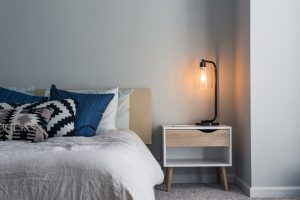
Finally, pay attention to your sleepwear and bedding. Ditch synthetic fabrics. Opt for lightweight, breathable natural fibers like cotton, linen, or bamboo. In TCM, we talk about the importance of airflow around the body to prevent Qi stagnation and heat buildup. A light, cotton sheet is often better than a heavy duvet, even with the air conditioning on. Let your bedroom be a sanctuary of cool, quiet, and darkness.
5. Harness the Power of Herbal Allies
TCM has a vast pharmacopoeia of herbs specifically for calming the mind and promoting sleep. While a licensed practitioner should create a custom formula for chronic issues, a few gentle, food-grade herbs are perfect for daily summer use. They can be enjoyed as simple teas in the evening.
Chrysanthemum tea (Ju Hua) is a superstar for summer. It’s mildly cool in nature and directly clears heat from the head and eyes, making it perfect for soothing a mind that’s been overstimulated by screens and heat. Combine it with goji berries (Gou Qi Zi), which are neutral in nature but deeply nourish Yin and blood, creating a perfect, balanced blend. Another excellent choice is lotus leaf (He Ye), which is cooling and helps to clear summer dampness—that heavy, sluggish feeling that can also interfere with sleep.
A simple, effective summer sleep tea: Steep 5-6 dried chrysanthemum flowers and a small pinch of goji berries in hot water for 5-10 minutes. Drink this about an hour before bed. It’s light, slightly sweet, and a wonderful way to signal to your body that the day is winding down. Avoid heavily caffeinated teas like black or green tea in the evening, as they are stimulating.
TCM Summer Sleep Cheat Sheet
To make it even easier, here’s a quick reference guide combining these principles into actionable steps for your summer nights.
| Time of Day | TCM Action | Practical Tip |
|---|---|---|
| Late Afternoon | Balance Yang Energy | Switch from intense exercise to a gentle walk or stretching. Avoid heavy, spicy meals. |
| Early Evening | Cool the Body & Environment | Take a lukewarm shower. Dim lights, draw curtains, and set your thermostat to a comfortable sleeping temperature (around 18-20°C or 65-68°F). |
| 1 Hour Before Bed | Calm the Shen (Mind) | Enjoy a cup of chrysanthemum & goji tea. Put away all screens. Practice acupressure on Heart 7 and Pericardium 6. |
| At Bedtime | Support Yin | Use breathable cotton or linen sheets. Consider a light sleep mask to block any residual light. If your mind is still busy, focus on your breathing, imagining each exhale as releasing heat. |
| During the Night | Address Heat & Dampness | If you wake feeling hot, avoid turning the AC to freezing. Sip a small amount of room-temperature water. A light fan can provide gentle airflow without direct cold drafts on your body. |
Common Questions
Can I use ice packs or a very cold shower to cool down faster for sleep?
While it’s tempting, TCM advises against extreme cold. A very cold shower or ice pack can constrict your pores and trap heat inside the body, disrupting your Qi circulation. It might feel good for a moment, but it can lead to a rebound effect and may even weaken your digestive Spleen Qi over time, making you more susceptible to dampness and fatigue. A lukewarm shower is the recommended method, as it gently encourages your body’s natural cooling mechanisms without shocking the system.
Is it okay to sleep with the fan or air conditioning on all night?
From a TCM perspective, continuous, direct cold air blowing on you all night can be problematic. It’s considered a pathogenic “wind-cold” factor that can invade the body, potentially leading to stiffness, a stiff neck, or even a weakened immune response over time. The ideal is to cool the room to a comfortable temperature before you get in, then use the air conditioning on a timer or a low setting that doesn’t create a direct draft. A fan is better if it circulates air in the room rather than blowing directly on you. The goal is a cool, still environment, not an arctic wind tunnel.
I tried the cooling foods, but I still feel hot and restless. What else can I do?
If dietary changes alone aren’t enough, it suggests your internal heat may be more pronounced. First, double-check your evening routine—are you still using screens late, eating late, or in a stressful environment? These are major contributors. Next, strengthen your acupressure practice, focusing especially on Spleen 6 (remember the pregnancy caution) to nourish Yin more deeply. You might also try a foot soak before bed with cooling herbs like mint or a drop of peppermint essential oil in the water. This helps draw heat downward and away from your head, a classic TCM strategy for insomnia. If issues persist, it may be worth consulting a licensed TCM practitioner who can assess your specific pattern (e.g., Liver Fire, Heart Yin Deficiency) and recommend a tailored herbal formula.
The bottom line: Summer sleeplessness rooted in excess heat is a common challenge, but Traditional Chinese Medicine offers a coherent, time-tested framework for reclaiming your rest. By understanding the Yin-Yang balance, choosing cooling foods, utilizing acupressure, crafting a calming ritual, and embracing gentle herbal teas, you can work with the season’s energy instead of fighting against it. These are not quick fixes, but gentle, sustainable habits that tune your body back to its natural rhythm of activity and rest.
This article is for educational purposes and reflects traditional wellness perspectives. It is not a substitute for professional medical advice, diagnosis, or treatment.