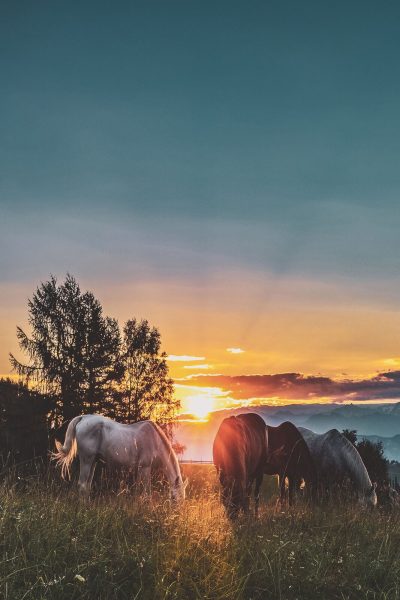
There’s a particular kind of summer afternoon that feels like it was made for rest. The cicadas are humming outside, the air is thick with warmth, and your body seems to quietly ask for a pause. If you’ve ever felt that pull toward a midday nap during the hottest months, Traditional Chinese Medicine (TCM) would say you’re not being lazy — you’re being wise. In TCM, summer isn’t just a season; it’s a specific energetic phase that calls for a particular rhythm of living, especially when it comes to sleep. The classic texts don’t just tell us to sleep more or less, but to sleep *differently*. The advice is surprisingly simple and deeply practical: go to bed later, wake up earlier, and make space for a nap. It’s a sleep schedule designed to sync your body with the long, vibrant days of summer, preserving your energy and keeping you cool from the inside out.
The Heart of Summer: Understanding the Fire Element
To understand why TCM recommends a specific summer sleep pattern, we first need to understand the season’s dominant energy. In the Five Element theory, summer is ruled by the Fire element. This is a time of maximum yang — expansive, bright, and outward-moving energy. The corresponding organ system is the Heart (and its partner, the Small Intestine). The Heart, in TCM, is considered the “Emperor” of all organs. It houses the *Shen*, which is often translated as the mind or spirit. The Shen is responsible for our consciousness, our ability to think clearly, feel joy, and sleep soundly.
During summer, the external heat and the internal Fire element are both at their peak. This can be wonderful — it fuels our social energy, creativity, and passion. But it also puts a significant strain on the Heart system. Too much yang, too much heat, can easily “agitate” the Shen. Think of it like a pot of water on a stove: the Fire is high, and the water (our yin fluids and calm spirit) starts to bubble and evaporate. This agitation is what often shows up as restlessness, anxiety, difficulty falling asleep, vivid dreams, or waking up in the middle of the night feeling hot and unsettled. The goal of summer sleep in TCM, therefore, is not just about getting enough hours. It’s about protecting the Heart, cooling the system, and calming the Shen so we can enjoy the season’s vibrant energy without burning out.
The Classic Summer Sleep Rhythm: Late to Bed, Early to Rise
The foundational advice for summer sleep comes from the *Huangdi Neijing* (The Yellow Emperor’s Classic of Internal Medicine), the cornerstone text of TCM written over two thousand years ago. It advises: “In the three months of summer… one may retire late and rise early.” This isn’t a suggestion to sleep less. It’s a directive to align your waking and sleeping hours with the sun. In summer, daylight stretches longer. Going to bed “late” (by TCM standards, meaning around 10:30 PM to 11:00 PM) allows you to enjoy the lingering daylight and the cooler evening air, which is still full of active yang energy. Waking up “early” (around 5:30 AM to 6:30 AM) lets you greet the morning sun, which is a gentle, nourishing form of yang that helps set your circadian rhythm and uplift your mood for the day.
The key here is consistency and listening to your body’s cues. The long days can naturally make us feel less sleepy at our usual bedtime. Forcing yourself into bed at 9 PM might lead to frustration and tossing and turning. Conversely, sleeping in until 9 AM can leave you feeling groggy and disconnected from the day’s rhythm. The summer schedule is about flowing with the expanded daylight, not fighting it. You’re essentially “borrowing” a bit of time from the night to enjoy the evening and giving it back by waking with the dawn.
The Power of the Midday Nap: Recharging Your Heart
Here is where TCM offers perhaps its most counter-cultural advice for modern, productivity-obsessed lifestyles: the importance of the midday nap, or *wu xi* (午休). The period between 11:00 AM and 1:00 PM is when the Heart meridian is most active. This is the peak of yang within yang, the hottest part of the day. In a culture that often views napping as a sign of laziness, TCM frames it as essential preventative medicine.
“A nap in the heart of the day is not a luxury; it is a strategic pause that allows the Emperor to review its court, clear the mind, and restore clarity for the afternoon’s affairs.”
Taking a short rest during this window—ideally between 20 and 45 minutes—serves several critical functions. First, it provides a natural break from the day’s peak heat, reducing the risk of heat exhaustion and allowing your body to cool down internally. Second, and more importantly, it gives the Heart system a chance to settle. When the Heart meridian is at its peak, it’s also most vulnerable to agitation. A nap acts like a gentle reset, calming the Shen and preventing the build-up of internal heat that can lead to anxiety, irritability, and poor sleep later that night. It’s not about deep, restorative sleep like at night; it’s about a conscious, restorative pause. Many people report that a short afternoon nap improves their focus, mood, and energy levels far more effectively than a third cup of coffee.
Practical Tips for a TCM-Aligned Summer Sleep Routine
Knowing the theory is one thing; putting it into practice is another. Here’s how to adapt your summer sleep routine with actionable TCM-inspired steps.
- Create a “Wind-Down” Ritual for Later Evenings: Since you’re going to bed later, you need a strong signal to your body that it’s time to transition. An hour before your target sleep time, start dimming the lights. Avoid bright screens. Instead, opt for gentle activities: read a physical book, listen to calming music, do some light stretching (yin yoga is perfect), or take a lukewarm (not cold) shower. The goal is to gradually draw your energy inward.
- Master the Art of the Nap: Don’t just flop on the couch with the TV on. Create a mini-ritual. Find a quiet, dim space. Set an alarm for 25-30 minutes to avoid deep sleep grogginess. If you can’t sleep, simply lying still with your eyes closed and focusing on your breath is still incredibly beneficial. The intention is rest, not necessarily unconsciousness.
- Cool Your Bedroom Strategically: TCM advises against sleeping in a direct draft, which can allow “wind-cold” to invade the body. Use a fan to circulate air rather than pointing it directly at you. If you use air conditioning, set it to a comfortable temperature (around 75°F/24°C) and use a timer so it doesn’t run all night. Natural fiber sheets like cotton or bamboo are excellent for wicking away moisture.
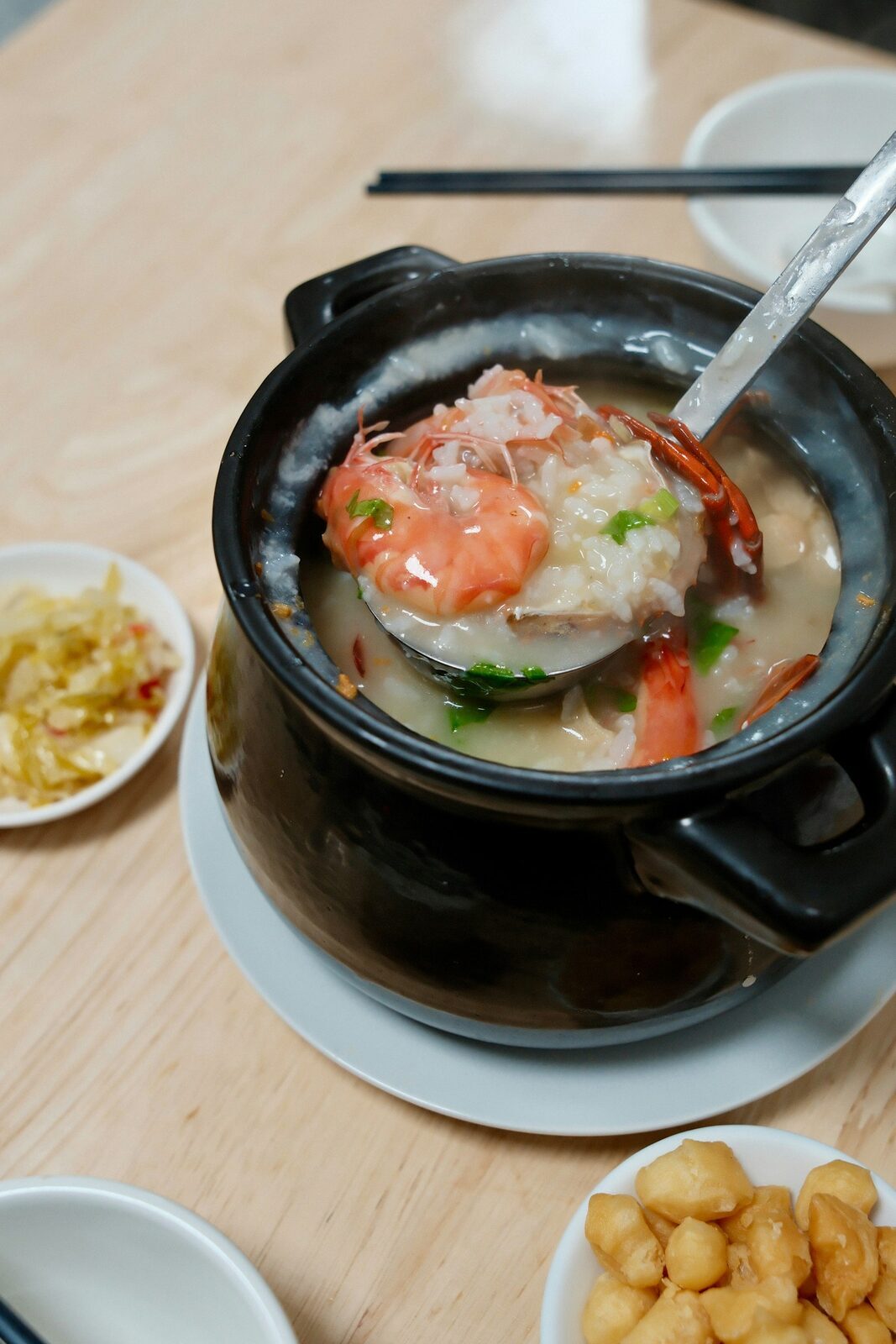
- Eat a Light, Cooling Dinner: A heavy, rich meal late at night will generate internal heat and burden your digestive system, disrupting sleep. Focus on easily digestible foods in the evening. Think steamed fish, leafy greens, cucumber salads, or a simple congee. Avoid spicy, greasy, and heavily fried foods, which are considered “heating” in TCM and can agitate the Heart.
- Hydrate with Cooling Teas: Sip on cooling herbal teas throughout the day and in the early evening. Chrysanthemum tea (*ju hua*) is a classic TCM choice for clearing heat and calming the eyes. Mint tea (*bo he*) is wonderfully refreshing. Avoid caffeine after 2 PM and be mindful of sugary drinks, which can create dampness and heat.
Foods and Herbs to Support Summer Sleep in TCM
What you eat plays a direct role in your internal temperature and the state of your Shen. TCM dietary therapy for summer focuses on “cooling” and “moistening” foods to counteract the season’s heat and dryness.
| Category | Examples & Benefits | How to Use |
|---|---|---|
| Cooling Fruits | Watermelon, cucumber, pear, strawberry. These clear heat and generate fluids. | Eat as snacks, add to salads, or blend into morning smoothies. |
| Bitter Greens | Bitter melon, dandelion greens, romaine lettuce. The bitter flavor directly clears Heart fire. | Stir-fry bitter melon with garlic; use dandelion greens in salads; grill romaine for a side dish. |
| Light Proteins | Mung beans, tofu, fish, duck. These are considered cooling or neutral and easy to digest. | Make a mung bean soup (a classic summer detox food); steam fish with ginger; use tofu in miso soup. |
| Calming Herbs & Teas | Chrysanthemum, mint, lotus seed heart (*lian xin*), sour jujube seed (*suan zao ren*). | Drink chrysanthemum or mint tea iced or warm. Lotus seed heart tea is extremely bitter but powerful for insomnia caused by Heart fire. Suan zao ren is often used in formulas for night sweats and anxiety. |
Common Questions
Is it okay to nap if I have insomnia at night?
This is a nuanced question. If your insomnia is due to general stress or anxiety, a short, early afternoon nap (before 3 PM) can actually help by reducing overall fatigue and calming the nervous system, potentially making nighttime sleep easier. However, if you struggle primarily with falling asleep at night, a nap might reduce your “sleep drive.” The TCM approach would be to first ensure your nap is short (20-30 minutes) and not too late. Also, focus intensely on the evening wind-down ritual and cooling foods. If insomnia persists, it may point to a deeper imbalance, and a consultation with a TCM practitioner for acupuncture or herbal medicine would be beneficial.
I work a 9-5 job and can’t nap. What can I do instead?
You can still honor the spirit of *wu xi* without sleeping. The core principle is a conscious midday pause to cool and calm the Heart. During your lunch break, find a quiet space. Instead of eating at your desk, step away. Close your eyes for 10-15 minutes and practice deep, diaphragmatic breathing. Focus on exhaling fully, imagining you are releasing heat and tension. You can also gently massage the *Laogong* (PC8) acupuncture point, located in the center of your palm when you make a fist. This point is excellent for clearing Heart heat. Even this brief mindful pause can offer significant benefits.
Does this summer sleep schedule apply to everyone, including children and the elderly?
The general principles—respecting the season’s energy, staying cool, and resting during peak heat—are universal. However, the specific times should be adapted. Children, whose yang energy is naturally more abundant, often thrive on a slightly earlier bedtime even in summer. The elderly, whose yin energy may be more deficient, are more susceptible to heat and may need longer or more frequent rest periods. The most important guide is your own body’s signals. If you feel exhausted, rest. If you’re not sleepy at 10:30 PM, don’t force it. Use these guidelines as a framework, not a rigid rule, and adjust based on how you feel.
The bottom line: Summer sleep in TCM is a conscious alignment with the season’s fiery energy. By going to bed a bit later, waking with the sun, and honoring the critical midday pause, you protect your Heart, calm your spirit, and maintain your vitality. It’s a practice of flowing with nature, not fighting it, allowing you to enjoy the fullness of summer with clarity, joy, and deep, restorative rest.
This article is for educational purposes and reflects traditional wellness perspectives. It is not a substitute for professional medical advice, diagnosis, or treatment.